



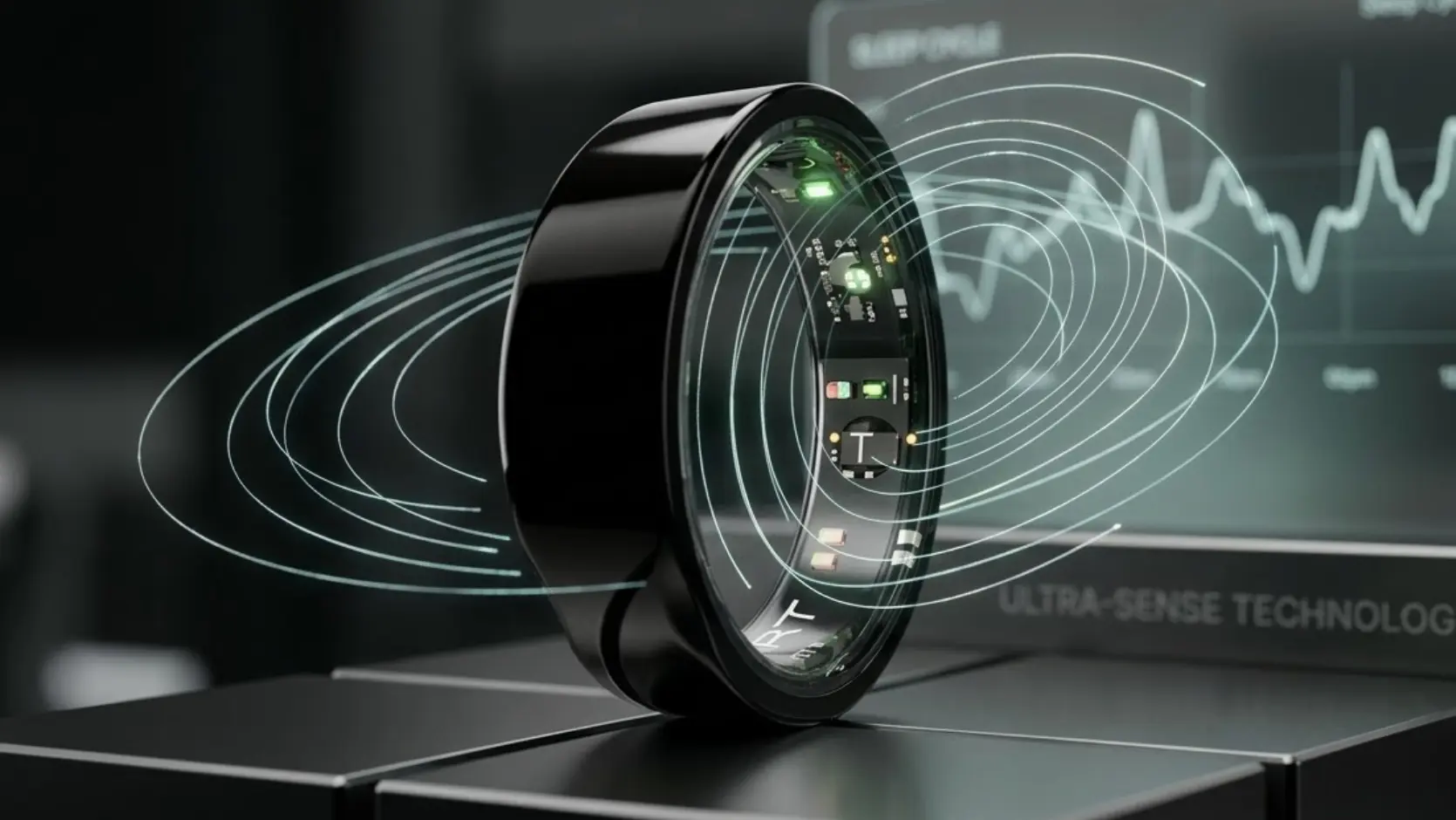
Elite and amateur athletes alike are quietly swapping bulky wrist devices for something far smaller: a ring. It seems an unlikely tool for serious sport, yet a smart ring tracks exactly the data that separates smart training from guesswork – recovery, sleep, strain and readiness. This guide explains why athletes use smart rings, what a sports ring tracks, and how to turn that data into better performance and fewer injuries. For a wider comparison of leading models, see our best smart rings of 2026 roundup; here the focus is on athletes and sport across the board.
Why Athletes Use Smart Rings
The reasons are practical. A ring is light and unobtrusive enough to wear in training, in competition and in bed, which means uninterrupted data. It delivers the recovery and readiness insight athletes most need, without the bulk of a watch or the hassle of a chest strap for every session. And because it is comfortable to wear every night, it captures the sleep data that underpins all athletic recovery.
What a Sports Ring Tracks
A capable sports ring tracks the key health and performance metrics that help athletes train smarter. Instead of focusing only on workouts, it provides insights into recovery, cardiovascular fitness, sleep, and training load, giving you a more complete picture of how your body is performing and adapting over time.
Recovery and Readiness
Shows whether your body is primed for an intense training session or needs additional rest. These insights help you balance performance with recovery and reduce the risk of overtraining.
HRV
Heart Rate Variability (HRV) is a sensitive indicator of how well your body is coping with physical and mental stress. Monitoring HRV trends can help you understand your recovery status and overall readiness to train.
Sleep
Tracks your sleep duration and different sleep stages, providing valuable insights into the quality of your rest. Since recovery largely happens during sleep, this metric plays a vital role in athletic performance.
Resting Heart Rate
Measures your resting heart rate over time, offering a clear indicator of cardiovascular fitness, recovery, and fatigue. A consistently lower resting heart rate often reflects improved fitness levels.
Strain and Training Load
Tracks how much physical stress your workouts place on your body. Understanding your training load helps you balance hard training days with adequate recovery for consistent progress.
VO2 Max
Estimates your cardiovascular fitness and aerobic capacity, allowing you to monitor endurance improvements over time. Tracking VO2 Max trends can help evaluate the effectiveness of your training program.
Recovery and Readiness: The Killer Feature
If there is one reason athletes wear a ring, it is readiness. Each morning the ring combines your sleep, HRV and resting heart rate into a clear signal of how recovered you are – and therefore whether today should be a hard session, an easy one, or a rest day. Training in tune with that signal, rather than a fixed plan that ignores how your body actually feels, is the essence of training smart.
HRV for Athletes
Heart-rate variability deserves special attention for athletes. It is often the first metric to move when training load, stress or illness starts to tax you – frequently before you consciously feel it. A multi-day drop in HRV is an early warning to back off, while a stable or rising trend signals you are absorbing the work well.
Sleep and Performance
No recovery tool matters more to athletes than sleep, and a ring is built to track it. Deep sleep drives physical repair and REM supports skill and mood, so consistent, sufficient sleep is non-negotiable for performance. A ring’s comfort means you actually wear it every night, capturing the sleep data that matters most.
Strain and Training Load
Balancing strain and recovery is the heart of intelligent training. A sports ring quantifies the load you have placed on your body and pairs it with how well you have recovered, helping you periodise your training – pushing when you are ready and easing off when you are not. Managed well, that balance drives progress; ignored, it leads to the overtraining that derails so many athletes.
VO2 Max and Fitness Progress
For a long-term measure of progress, VO2 max is invaluable. It estimates your cardiovascular fitness, and watching it climb over months is concrete proof your training is improving your aerobic engine. Combined with a falling resting heart rate, it gives athletes an objective sense of fitness that goes beyond how a single session felt.
Avoiding Overtraining and Injury
Perhaps the most valuable role a ring plays is protective. By flagging when recovery is low and HRV has dropped, it warns you that your body is under-recovered before fatigue turns into illness or injury. For ambitious athletes prone to pushing too hard, that early signal – and the discipline to act on it – can be the difference between a strong season and a sidelined one.
Wearing a Ring in Competition
In practice, a ring’s discreet form is a real advantage on competition day, as it is light and unlikely to interfere. Do check your sport’s rules, since some restrict jewellery, and remember that for live heart rate during maximal grip-based effort a chest strap is more reliable. For most athletes, though, the ring quietly does its job through training and competition alike.
Sports Ring vs Sports Watch
Both have a place in an athlete’s training kit, and the right choice depends on your goals and training style. While a sports ring focuses on recovery and long-term health insights, a sports watch is designed to deliver real-time workout data and performance metrics.
Sports Ring
A sports ring excels at tracking recovery, sleep, HRV, and all-day health metrics in a lightweight, comfortable design. Because it can be worn continuously, it provides uninterrupted insights into your recovery, helping you make smarter decisions about training intensity and rest.
Sports Watch
A sports watch excels at live pace, GPS navigation, on-screen workout stats, and structured training sessions. It is ideal for runners, cyclists, and athletes who rely on real-time performance data during workouts. Many serious athletes use both devices, a watch for live training metrics and a sports ring for recovery, sleep, and round-the-clock health monitoring, giving them a complete picture of both performance and recovery.
Sports Rings for Different Athletes
The value adapts to the sport. Endurance athletes lean on VO2 max, resting heart rate and recovery to manage big training loads. Strength athletes use recovery and sleep to time hard sessions, accepting the live-heart-rate caveat. Team-sport players value readiness and sleep across a demanding fixture schedule. Whatever the discipline, the recovery and readiness data is the common thread.
Example: The FITTR HART
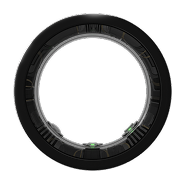
As a sports example, the FITTR HART tracks recovery, strain, HRV at 200Hz, sleep, resting heart rate and VO2 max, lasts about 8 days per charge, and carries no subscription – the athlete’s recovery toolkit in a single light band.
The Science of Recovery
Recovery is not idleness – it is when the body adapts to training and gets stronger. Hard sessions create stress; recovery is when that stress is converted into fitness. A sports ring tracks the markers of that process, chiefly sleep, HRV and resting heart rate, so athletes can see whether adaptation is actually happening. Train without recovering, and you accumulate fatigue rather than fitness, which is exactly what the ring helps you avoid.
Periodisation Made Practical
Coaches periodise training into harder and easier phases, and a ring brings that principle to daily decisions. Instead of guessing, an athlete can use readiness and HRV trends to decide when to push a hard block and when to deload. It turns periodisation from a rigid plan on paper into a responsive process that adapts to how the body is actually coping week to week.
Travel, Jet Lag and Competition Prep
For athletes who travel to compete, a ring is especially useful. Crossing time zones disrupts sleep and circadian rhythm, and the ring’s sleep and temperature data help you see how well you are adapting and time your preparation. Arriving at a competition recovered rather than jet-lagged can make a real difference, and the ring gives objective feedback on whether your travel and recovery strategy is working.
The Mental Side: Stress and Focus
Performance is not only physical. Stress, anxiety and poor sleep undermine focus and recovery alike, and a ring’s HRV and stress data make these visible. Athletes can use that feedback to manage their mental load – protecting sleep before big events, building in genuine downtime, and noticing when stress is quietly eroding their recovery. Managing the mind is part of managing performance, and the data helps.
Amateur Athletes Benefit Too
You do not need to be elite to gain from a sports ring. Weekend runners, club lifters and recreational players often train hard with busy lives and little recovery guidance – exactly where a ring helps most. By flagging when to rest and when to push, it helps amateurs avoid the overtraining and injuries that come from enthusiasm without feedback, making their limited training time count for more.
Common Mistakes Athletes Make
Even data-savvy athletes fall into traps:
- Reacting to a single day’s score instead of the weekly trend.
- Ignoring red recovery days and training hard anyway.
- Relying on a ring for live heart rate in grip-based efforts.
- Neglecting sleep while obsessing over training metrics.
- Forgetting that the ring guides decisions, it does not make them.
Building a Recovery Routine
A ring is most powerful when it shapes a routine rather than just reporting numbers. Athletes who get the most from it build habits around the data: checking readiness each morning, prioritising sleep before hard sessions and competitions, taking recovery seriously on red days, and reviewing weekly trends. Over time, that routine – guided by the ring but driven by discipline – is what turns consistent training into durable performance gains.
How Coaches Use Ring Data
Coaches increasingly use recovery and readiness data to manage athletes, especially in teams. Aggregated trends help them spot who is under-recovered, adjust training loads, and reduce injury risk across a squad. For an individual athlete, sharing ring data with a coach adds an objective layer to the conversation, complementing how a session feels with concrete evidence of how the body is actually coping.
The Long Game: Career Longevity
Beyond any single season, a ring supports the long game of staying healthy enough to keep performing. By helping athletes avoid the cumulative fatigue and injuries that shorten careers, consistent recovery management extends how long they can train and compete at their best. For ambitious athletes, that long-term protection may be the most valuable thing the data offers of all.
Putting It All Together
For an athlete, the real value of a sports ring emerges when all the pieces connect. Sleep feeds recovery, recovery shapes readiness, readiness guides training load, and training load drives the fitness that shows up in VO2 max and resting heart rate. The ring makes that whole chain visible, so an athlete can manage it deliberately rather than by feeling alone. Worn consistently and acted on with discipline, it becomes a genuine edge – turning better recovery into better, more durable performance over a season and a career.
Frequently Asked Questions
Are smart rings good for athletes?
Yes. A sports ring excels at the recovery, sleep, HRV and readiness data that help athletes train smart and avoid overtraining, all without a bulky wrist device.
What does a sports ring track for athletes?
Recovery, readiness, HRV, sleep, resting heart rate, strain, VO2 max, steps and activity – the signals that guide training load and recovery.
Can athletes wear a ring during competition?
Often yes, as rings are light and unobtrusive, though some sports restrict jewellery. For live heart rate during intense grip-based effort, a chest strap is more reliable.
Do sports rings help prevent overtraining?
Yes. By tracking recovery and HRV, a ring flags when your body is under-recovered, helping you ease off before fatigue becomes injury or burnout.
Is a sports ring better than a sports watch?
For recovery, sleep and comfort a ring is excellent; for live pace, GPS and on-screen stats a watch is better. Many athletes use both.
Train Smarter, Perform Better.
For athletes, a smart sports ring, activity ring, or activity tracker ring is less about live stats and more about the recovery, sleep and readiness that turn hard work into real progress. Worn alongside a watch for sessions, it fills the most important gap in most training: knowing when to push and when to rest. A capable, subscription-free option like the FITTR HART puts that athlete’s edge on your finger.