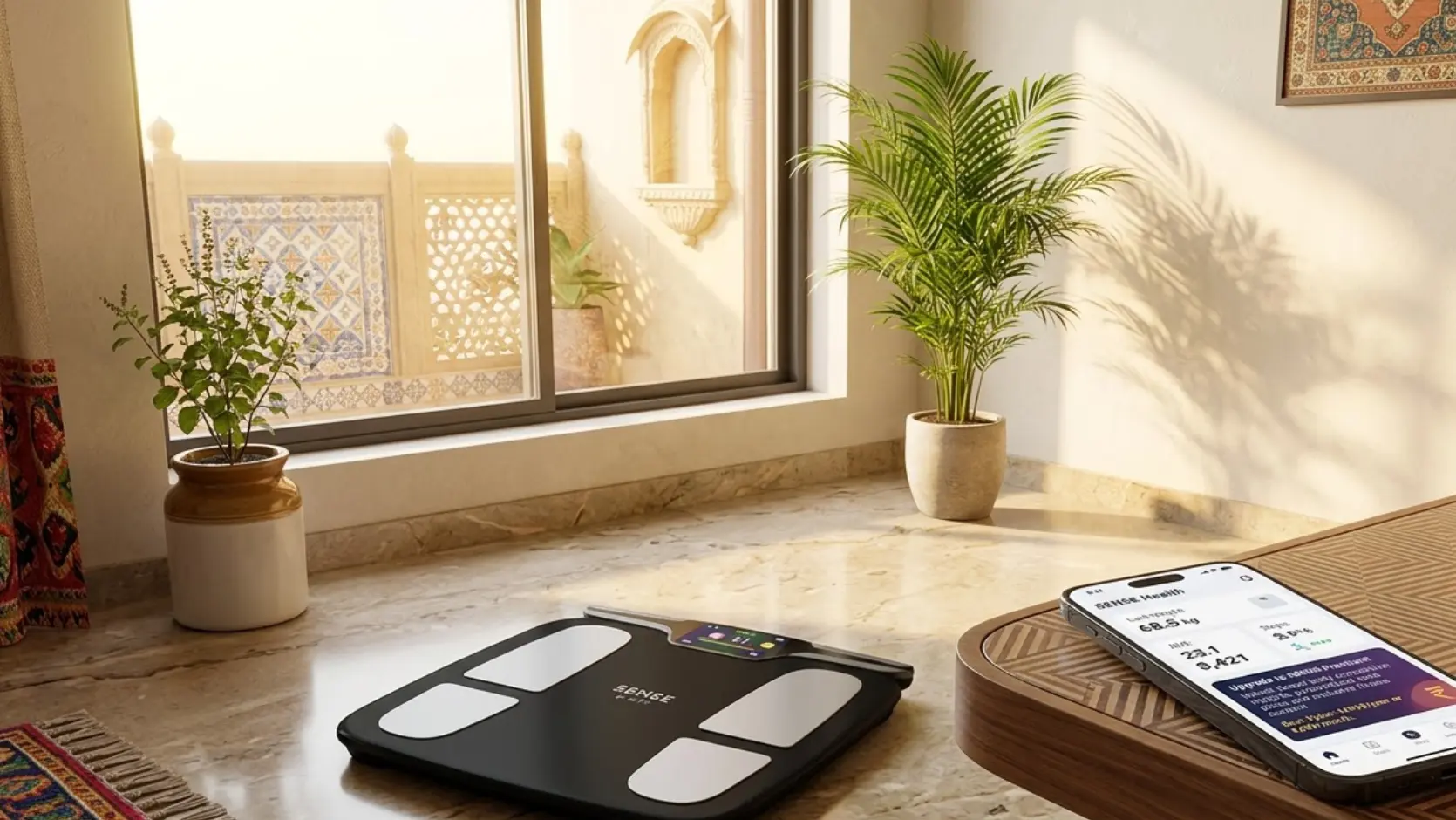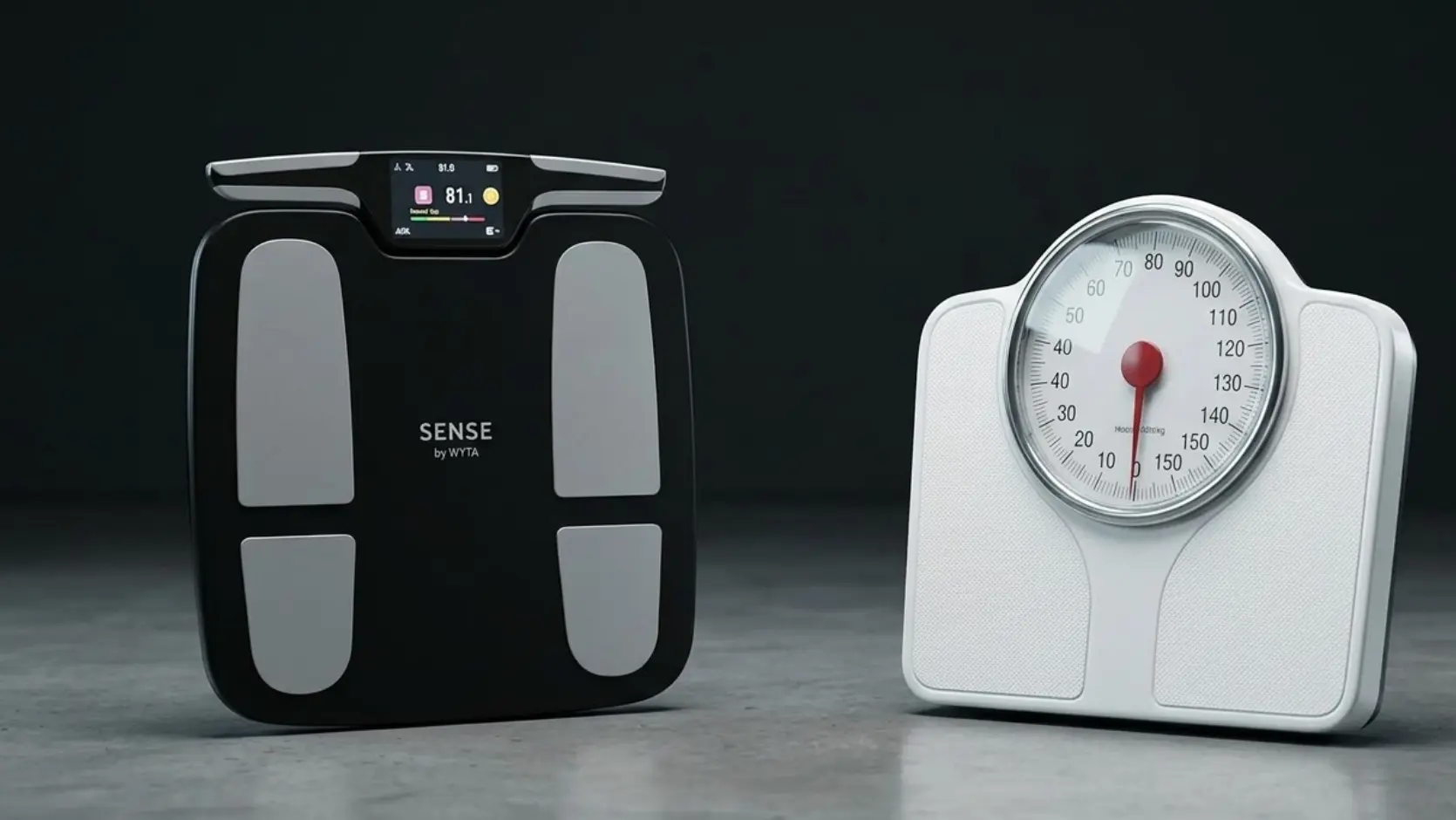



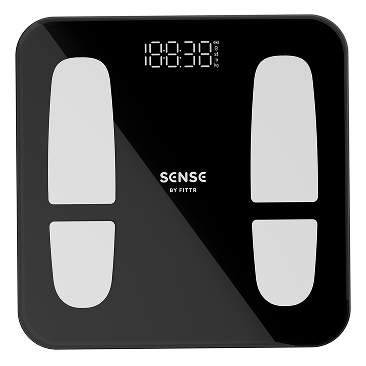
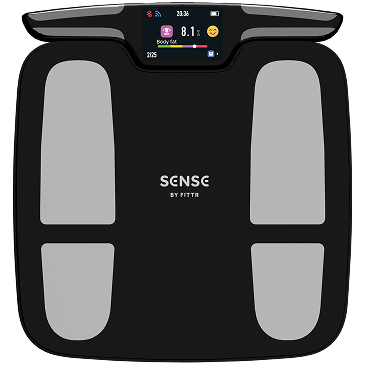




Scale price is one of the most common questions before buying, and the honest answer is: it depends entirely on what you need the scale to do. A basic weight-only unit sits at one end, and a fully connected smart scale with body composition tracking sits at the other, with a meaningful range of digital scale price options in between. This guide answers the question directly, tier by tier, so you can see exactly where your needs and budget intersect before you start comparing specific products.
Price Tiers Explained
Basic Digital Scales: The Entry Point
At the lowest scale price point, you get a simple digital display showing weight only, usually with a basic LCD screen and no additional features. This is the digital scale price floor, and it is genuinely sufficient for anyone who just wants a reliable number each morning. Despite the low cost, these units typically use the same core load-sensor technology as pricier models, so accuracy for pure weight measurement is rarely the limiting factor at this tier.
Mid-Range Scales: Where Most Buyers Land
The middle of the scale price range adds body composition estimates – body fat, muscle mass and water percentage – plus a sturdier build and often a backlit display. This is where the majority of buyers with a specific fitness goal end up spending, since the added functionality is genuinely useful without paying for ecosystem extras.
Premium and Smart Scales: The Top Tier
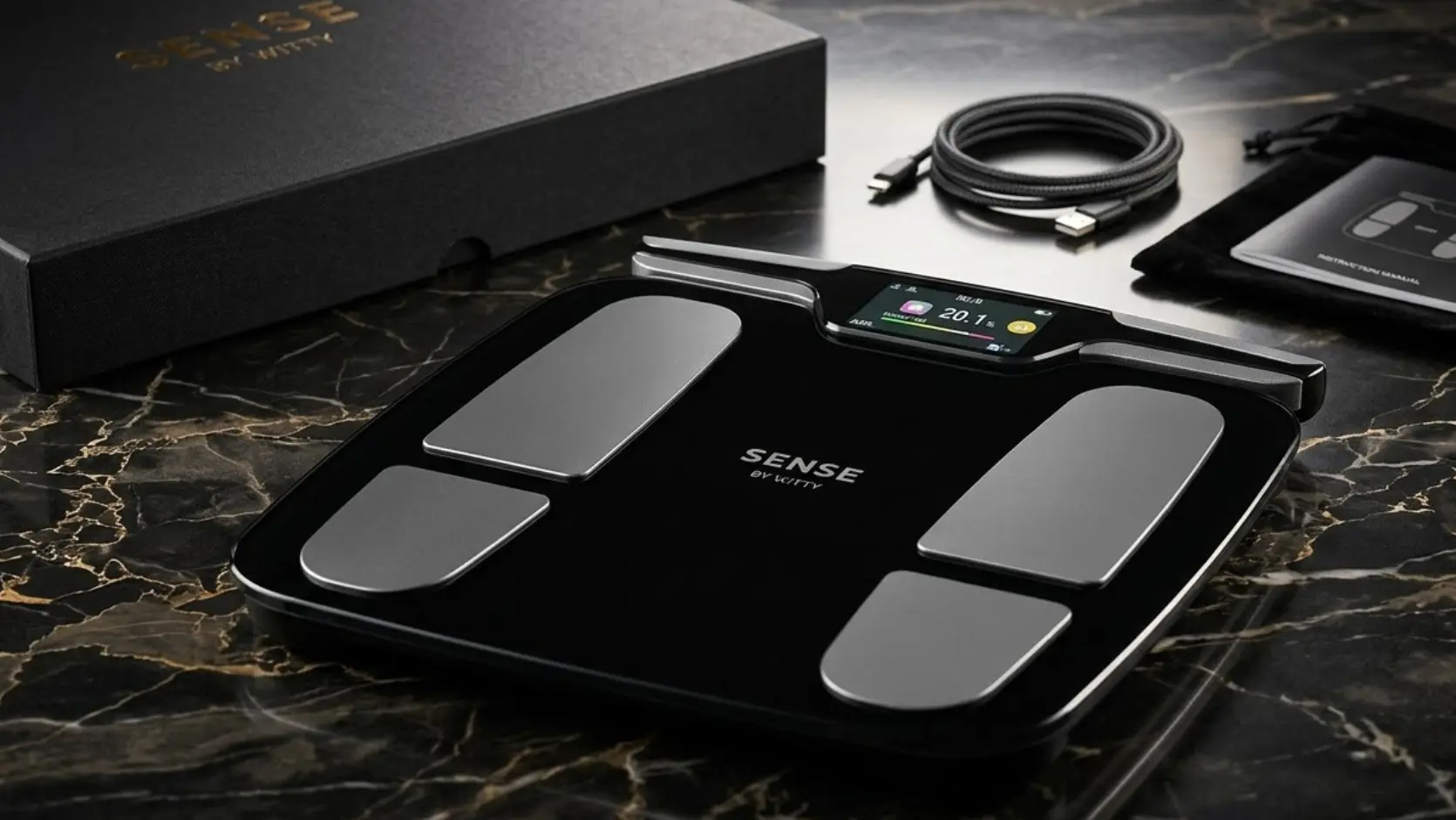
At the top of the scale price range, you find fully app-connected smart scales with detailed body composition breakdowns, multi-user profiles, and integration with broader fitness ecosystems. This tier suits serious fitness enthusiasts who will actually use the data these features provide. The jump in scale machine price at this level is driven by more sensor points for finer body composition detail, premium materials like tempered glass, and ongoing software development.
What a Higher Scale Price Actually Buys
Across every tier, a higher scale price consistently buys some combination of: better sensor quality and tighter accuracy tolerances, additional metrics beyond basic weight, sturdier build materials, app connectivity and data logging, and better after-sales support and warranty coverage. It rarely buys a meaningfully more accurate weight reading alone, since even budget digital scales use broadly similar core sensor technology.
Scale Machine Price for Commercial Use
Outside personal or home use, scale machine price for commercial equipment – platform scales, kitchen scales, or trade equipment – follows a different logic entirely, driven by capacity, certification requirements, and durability for continuous daily use rather than personal health features.
Comparing Scale Price Across Sellers
The same model’s digital scale price can vary meaningfully between online marketplaces, brand websites, and physical retail stores. Online marketplaces often run periodic sales that temporarily lower scale price, while brand websites may offer better warranty support at a slightly higher baseline cost.
Is a More Expensive Scale Worth It?
A more expensive scale is worth it specifically when the added features – body composition tracking, app connectivity, multi-user support – genuinely match how you plan to use it. Paying a premium scale price for features you won’t actually engage with is the most common way people overspend on a weighing scale.
Budgeting for Your Household’s Needs
Start by deciding what you actually need – simple weight tracking, body composition, multi-user support, or app integration – before looking at specific scale price listings. This narrows the realistic range considerably and prevents both overspending and underspending.
Hidden Costs Beyond the Sticker Price
Beyond the upfront scale price, factor in battery replacement over the scale’s lifetime and check whether any advanced app features require an ongoing subscription, since some smart scale ecosystems charge for premium tracking beyond the basics. Warranty length also affects real cost of ownership.
Scale Price and Long-Term Value
A very cheap scale that needs replacing within a year due to inconsistent readings often ends up costing more over time than a well-reviewed mid-range option that lasts for years. Scale price should be weighed against expected lifespan, not just the number on day one.
Digital vs Analog: A Price Comparison
Analog weighing machines are sometimes available at a lower upfront scale price, but their spring-based mechanisms drift with age and are harder to read precisely, often needing replacement sooner than a well-made digital scale. This narrows the real-world price gap considerably over the scale’s actual useful life.
Body Composition Scales: Are They Worth the Extra Scale Price?
The step up in scale price for body composition tracking is worth it specifically for anyone with a fat-loss, muscle-gain, or recomposition goal, since it reveals whether weight changes are coming from fat or muscle rather than just showing a single number.
Seasonal Sales and Timing Your Purchase
Scale price often dips during major online sale periods, making these windows a sensible time to buy if you aren’t in urgent need of a replacement. Waiting for a sale on a specific, well-reviewed model is generally a better strategy than rushing to buy at full price from an unfamiliar brand.
Financing and Bundled Offers
Some retailers offer no-cost EMI or bundled deals on higher scale price smart models, which can make a premium purchase more manageable upfront. These offers are worth considering only if the added features genuinely align with your actual goals.
Comparing Scale Price Between Brick-and-Mortar and Online Retail
Physical electronics or health equipment stores sometimes carry weighing scales at a modest markup compared to online scale price, reflecting the overhead of running a showroom, but they offer the advantage of hands-on inspection before purchase.
Scale Price for Households Versus Individuals
Budgeting for a scale looks a little different depending on whether it will serve one person or an entire household. A single user chasing straightforward weight tracking rarely needs to stretch beyond the entry or mid-range digital scale price bracket, since multi-user recognition and separate profile histories offer no real benefit to someone weighing in alone. A shared family scale, by contrast, often justifies a higher scale machine price specifically for reliable multi-user support and a generous weight capacity, since the cost of that upgrade is effectively split across everyone who benefits from it daily, making the mid-range or premium tier a genuinely reasonable stretch for a household rather than an individual buyer.
When Paying More Genuinely Pays Off
There is a meaningful difference between paying more out of habit and paying more because the extra scale price buys something you will use consistently. If body composition tracking, app-based trend charts and multi-user profiles map directly onto how you actually intend to use the scale, the higher digital scale price of a mid-range or premium model is money well spent, since you’re paying for capability you will draw on regularly. If, on reflection, you would realistically just glance at the weight number each morning and nothing more, that same spend is better redirected toward a simpler, more affordable scale and saved elsewhere in your health budget.
Common Scale Price Myths
A few beliefs are worth correcting.
- The cheapest scale is not automatically bad value if it meets your actual needs and is used correctly on a proper surface.
- A higher scale price does not guarantee a longer lifespan; durability varies by specific model, not just price tier.
- Digital scale price differences mostly reflect features you may not need, not core weight-measurement accuracy.
- Brand name alone does not justify a higher scale machine price without checking actual specifications and reviews.
- Sales and discounts do not mean a scale is lower quality; they often just reflect normal retail promotional cycles.
Frequently Asked Questions
How much does a basic digital weighing scale cost?
Basic weight-only digital scales sit at the lowest end of the scale price range and are sufficient for anyone who just wants a reliable daily number.
What does a higher scale price usually add?
Body composition tracking, app connectivity, sturdier build materials, and better warranty support, rather than a more accurate core weight reading.
Is scale machine price different for commercial equipment?
Yes, commercial scale machine price is driven by capacity, certification, and durability for continuous use rather than personal health features.
Where can I find the best digital scale price?
Compare the same model across online marketplaces, brand websites, and physical retailers, since prices can vary meaningfully between channels.
Is it worth paying more for a smart scale?
Only if you’ll genuinely use the added body composition and app features; otherwise a mid-range or basic digital scale offers better value.
The Bottom Line
Scale price, digital scale price, or scale machine price – whichever term you searched, the honest answer stays the same: match your spend to features you’ll actually use, and let reviews on accuracy and durability guide the final decision more than the number on the price tag. Once you’ve settled on a scale, Fittr’s body fat calculator and BMR calculator can help make sure the rest of your health tracking goes just as far.