





A few years ago, telling someone you tracked your sleep with a ring would have gotten you a funny look. In 2026, it is the watch crowd asking you questions.
Smart rings have gone from niche gadget to one of the fastest-moving corners of health tech – and for good reason. They track the metrics that actually matter (sleep, HRV, recovery, heart rate) from the one place on your body that reads them cleanly; they last days on a charge instead of hours, and you genuinely forget you are wearing one.
If you are brand new to the category, our explainer on what a smart ring is walks through how these wearables work; this guide is about the next question – which one to actually buy.
Because here is the catch: not every smart ring earns the finger space. Some hide their best features behind a monthly subscription. Some cannot survive a week without charging. A few still treat fitness as an afterthought to sleep. We have compared the top picks below – what each does best, where it falls short, and who it is actually for – so you can choose the best smart ring with your eyes open.
What Makes a Great Smart Ring?
Before the picks, here is what separates a great ring from a gimmick. Judge any smart ring on these six things:
- Accuracy – especially for sleep stages and HRV, the two metrics rings are bought for. A ring that guesses is worse than useless.
- Battery life – anywhere from 4 to 12 days depending on the model. Longer means you will actually keep wearing it.
- Subscription or not – some rings lock their best insights behind a monthly fee. A one-time purchase is increasingly the deciding factor for buyers.
- Comfort and weight – you will wear it 24/7, including in bed, so a few grams and a smooth finish matter more than they sound.
- App quality – the data is only as good as the app that explains it. Clean trends beat a wall of numbers.
- Sizing and durability – a proper sizing kit and water resistance are non-negotiable for an all-day, every-day wearable.
One honest limitation to keep in mind: a ring tracks how your body is functioning, not what it is made of. It will not give you body fat or muscle mass – for that, you would pair it with a smart scale or a quick body fat percentage estimate. Rings are recovery and readiness tools, and judged on that job, the good ones are excellent.
What Changed in Smart Rings in 2026
If you looked at smart rings even a year ago, the landscape has shifted fast – and mostly in the buyer’s favour. A few trends define the 2026 market:
- The subscription backlash is real. With Oura charging monthly, a wave of strong subscription-free rings (HART, Ultrahuman, RingConn, Samsung) now gives you the full experience for a one-time price.
- Battery life keeps climbing. Where four days were once normal, several rings now stretch to 8–12 days, with charging cases that top up on the move.
- Sleep apnea screening and temperature-based insights have gone mainstream, adding genuinely useful health flags rather than just step counts.
- Big names entered the ring. Samsung’s arrival legitimised the category, and household brands now compete with the startups that built it.
- Comfort got serious. Lighter materials and better sizing kits mean rings you actually keep wearing – which is the whole point, since consistency is what makes the data useful.
The takeaway: 2026 is a great year to buy because competition has pushed quality up and locked-in costs down.
The Best Smart Rings of 2026 at a Glance
| Smart ring | Best for | Battery | Subscription | Standout feature |
| FITTR HART | All-round value & Indian users | ~8 days | No | 200Hz HRV, 10× lighter than a watch |
| Oura Ring 4 | App polish & sleep accuracy | ~7 days | Yes | Most mature app and sleep staging |
| Ultrahuman Ring Air | Subscription-free & lightest | ~4–6 days | No | One of the lightest rings made |
| Samsung Galaxy Ring | Samsung / Galaxy users | ~7 days | No | Deep Samsung Health integration |
| RingConn Gen 2 | Longest battery life | ~10–12 days | No | Charging case + sleep apnea screening |
| Amazfit Helio Ring | Budget & workout focus | ~4 days | No | Affordable entry into the category |
Specs and prices shift quickly in this category – always check the latest before buying.
1. FITTR HART – Best All-Round Value
If you want serious tracking without the subscription trap or the import-pricing headache, the FITTR HART is the standout pick – especially in India, where it is built and supported locally.
On the metrics that matter, it does not cut corners. HART measures HRV at a high 200Hz sampling rate, tracks sleep stages with around 70% agreement with a clinical sleep study, and covers resting heart rate, blood oxygen (SpO2), skin temperature, VO2 max, steps, calories, stress, recovery, and strain. In other words, the full picture – function, recovery, and readiness – in one lightweight band.
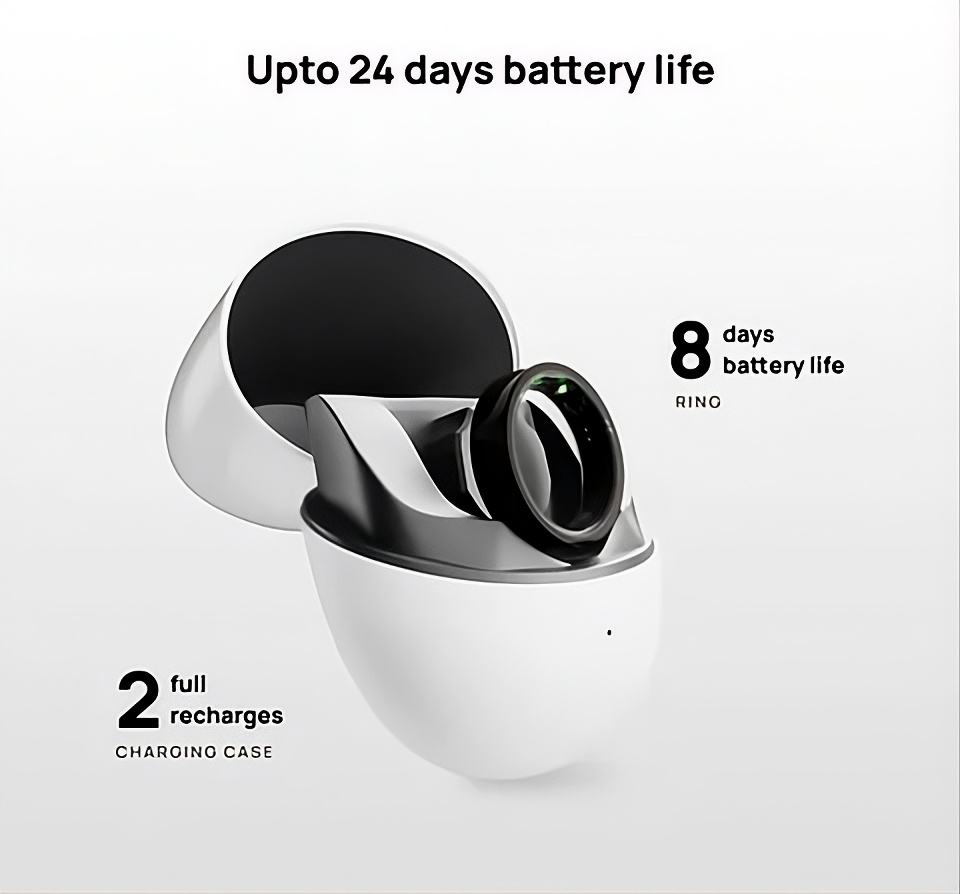
And it is lightweight: roughly 10 times lighter than the average smartwatch, designed to be worn day and night without you noticing it. Battery life lasts about 8 days per charge, with a portable charging case so you are never tied to an outlet. It ships with a free sizing kit and five size options, and the insights are not paywalled behind a monthly fee, syncing instead into the FITTR app alongside the rest of your health data.
Best for: Indian users and anyone who wants premium-grade tracking, genuine comfort and no recurring subscription.
2. Oura Ring 4 – Best App and Sleep Accuracy
Oura is the ring that made the category famous, and the Oura Ring 4 is still the benchmark for polish. Its app is the most mature in the market, its sleep staging is consistently among the most accurate in independent testing, and a fully titanium interior makes it one of the most comfortable rings to wear around the clock.
The drawbacks are familiar: it is expensive upfront, and the full experience requires an ongoing subscription. Oura has also begun rolling out its next generation, so check which model is current before buying. If you want the most established ecosystem and do not mind paying monthly, Oura remains a safe premium choice.
Best for: People who want the most polished app and the deepest sleep insights, subscription included.
3. Ultrahuman Ring Air – Best Subscription-Free Pick
The Ultrahuman Ring Air has earned a loyal following by skipping the subscription entirely and focusing on movement, recovery, and circadian rhythm. It is also one of the lightest rings you can buy, which makes it disappear on the finger. As an India-born brand that ships globally, it is an easy recommendation for buyers who hate monthly fees, and the line has since expanded with a higher-end model boasting a very long battery.
Best for: Subscription-haters who want a feather-light ring with a recovery and circadian focus.
4. Samsung Galaxy Ring – Best for Samsung Users
If you already live inside the Samsung ecosystem, the Galaxy Ring is a natural fit. It slots neatly into Samsung Health, offers a comfortable concave design and solid resting heart-rate accuracy, and runs about a week on a charge with a handy charging case. The big caveat: it is Android-only and works best on a Samsung Galaxy phone, so iPhone users should look elsewhere.
Best for: Samsung Galaxy phone owners who want a ring that talks to Samsung Health.
5. RingConn Gen 2 – Best Battery Life
If your number-one frustration with wearables is charging, RingConn Gen 2 is the answer. It quotes the longest battery life on this list – around 10 to 12 days – and adds a charging case that tops it up on the go. It tracks the standard suite (sleep stages, HRV, SpO2, temperature, steps) with no subscription, and its sleep apnea screening is a useful flag if you suspect disrupted breathing. The app is less polished than Oura’s, but the endurance and the flat one-time price win a lot of people over.
Best for: Anyone who wants to charge as little as possible and avoid subscriptions.
6. Amazfit Helio Ring – Best Budget Pick
For those dipping a toe into the category, the Amazfit Helio Ring keeps things simple and affordable. It leans slightly more toward workouts than some sleep-first rivals, and its sleep metrics held up well in testing. Battery life and colour or size options are more limited than pricier picks, but as an affordable entry point, it punches above its price.
Best for: First-time buyers who want a low-risk way into smart-ring tracking.
Smart Ring vs Smartwatch: A Quick Reality Check
Worth saying plainly: a ring is not a watch replacement. If you want notifications, maps, and live on-wrist workout stats, a smartwatch still wins. Rings are also less accurate for grip-heavy workouts like lifting or rowing, where the hand is doing work.
Where rings win is everything passive – sleep, HRV, recovery, and 24/7 comfort – with battery measured in days. Many people happily wear both: a watch by day, a ring for sleep and recovery. If understanding your body matters more to you than reading messages on your wrist, the ring is the smarter buy.
How to Choose the Right Smart Ring for You
Cut through the noise with three questions:
- What do you open the app to check? If it is sleep and readiness, almost any top ring delivers. If it is workouts, lean toward a fitness-first ring – or honestly, a watch.
- Do you want to pay monthly? If not, rule out subscription-locked models and look at HART, Ultrahuman, RingConn or Samsung.
- How often will you tolerate charging? RingConn leads on endurance; HART’s ~8 days is excellent; lighter rings may need a top-up every few days.
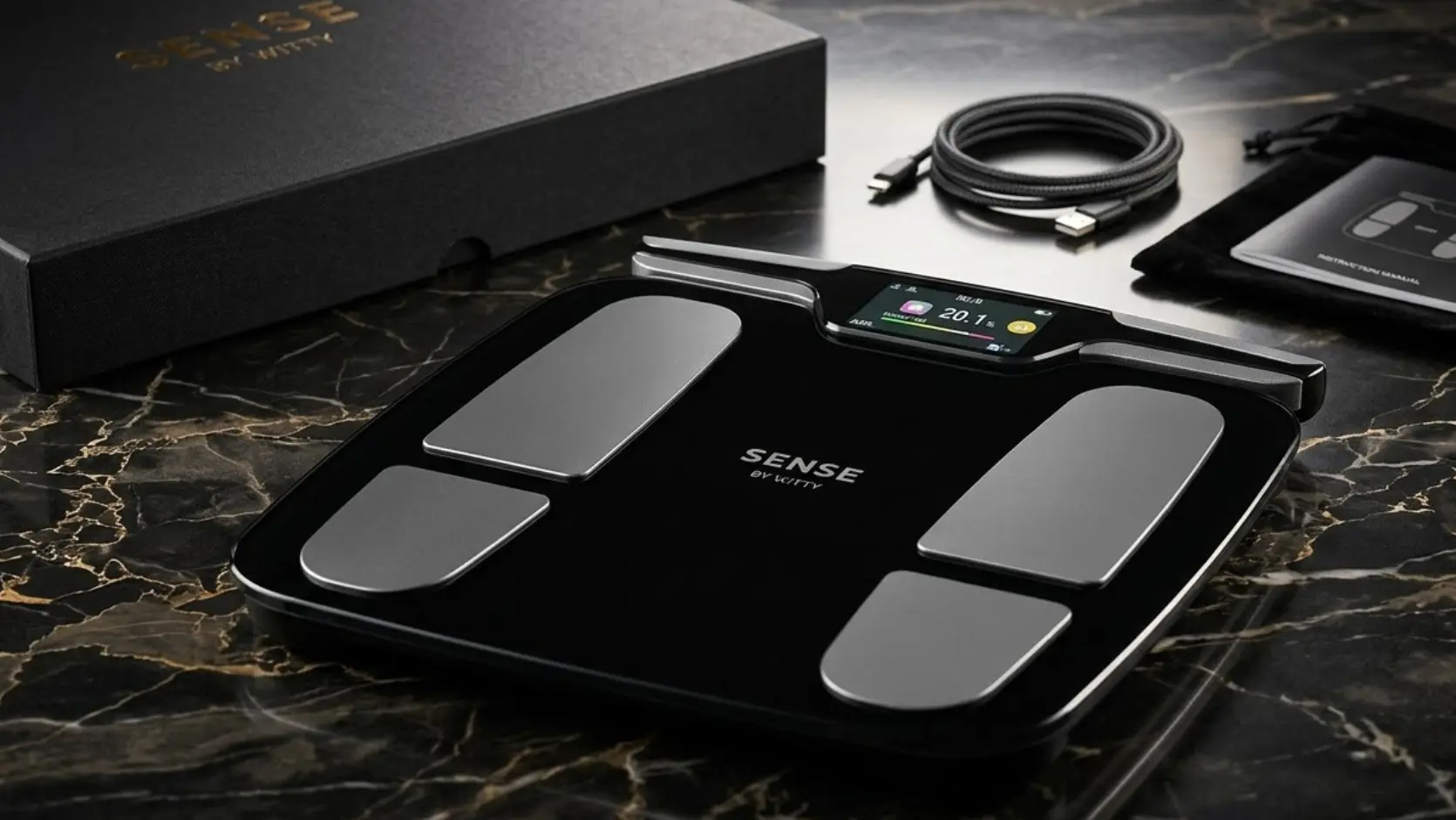
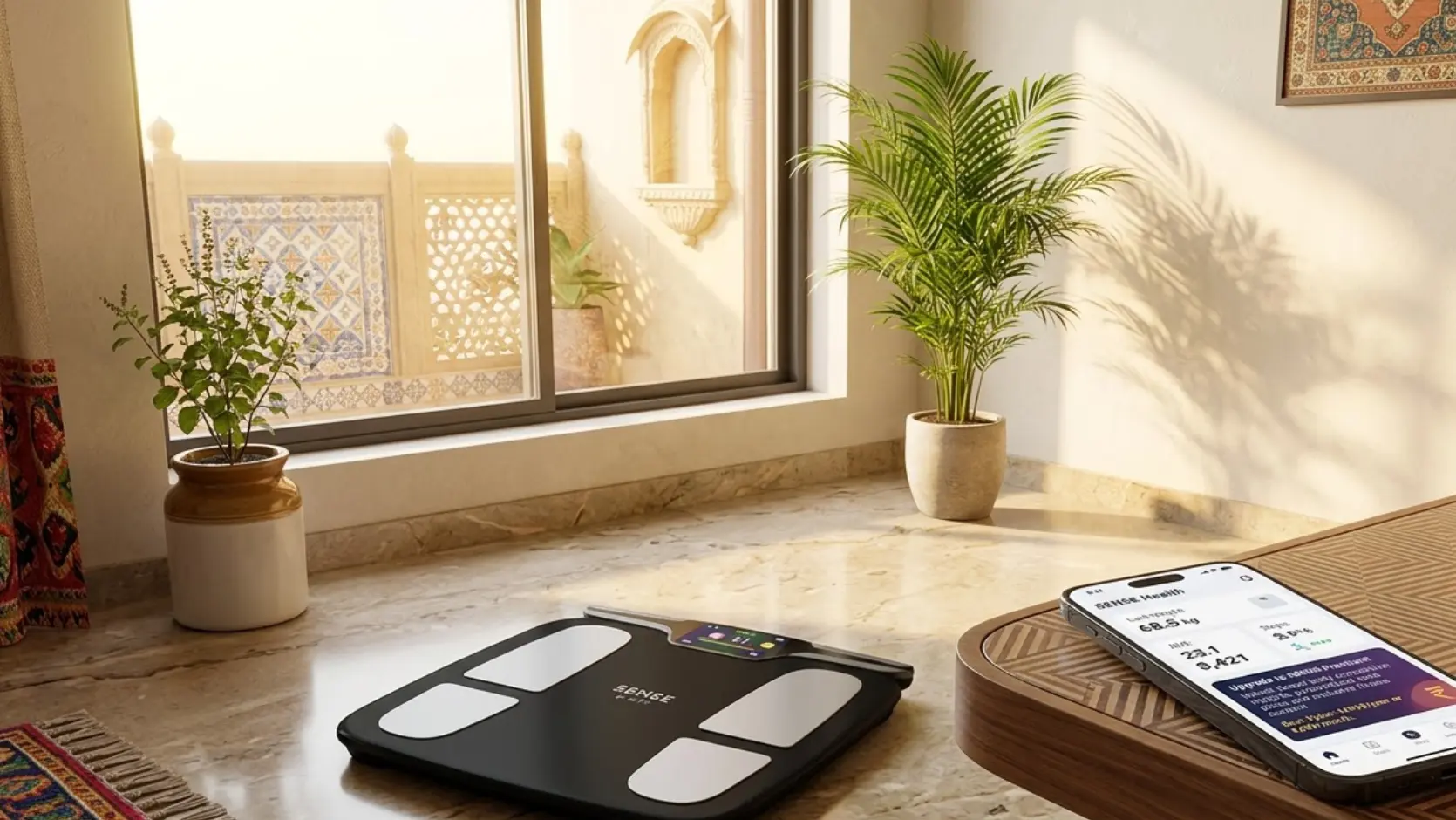
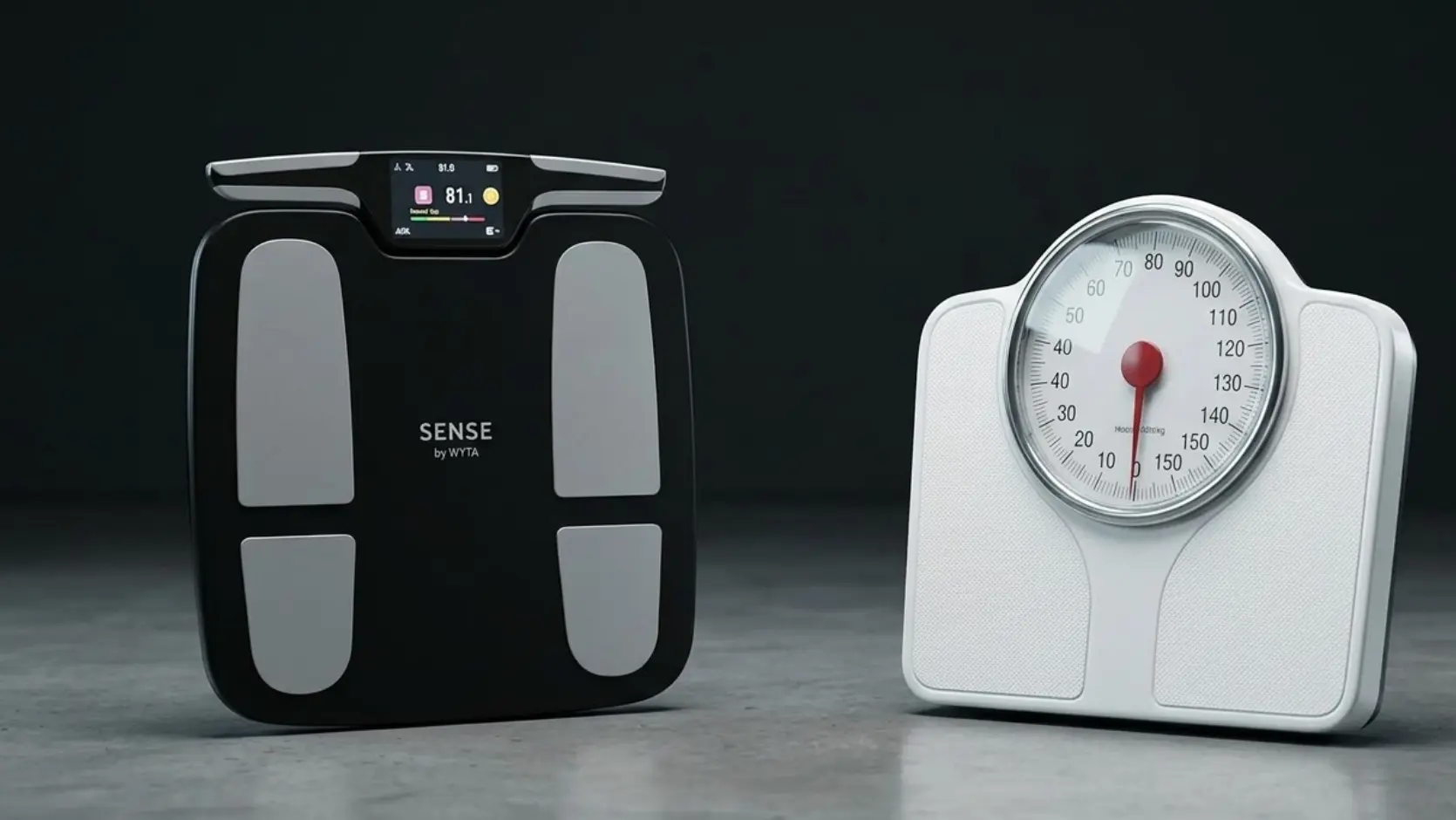
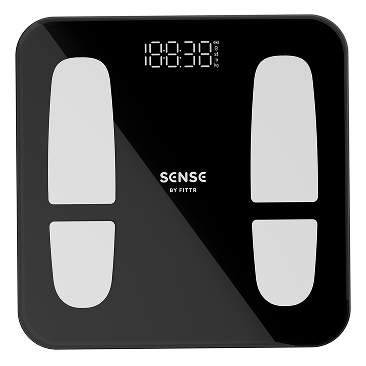
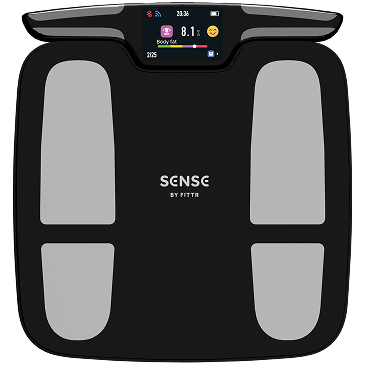
Remember that a ring is one-half of the health picture. It tells you how well you are recovering; a smart scale like FITTR Sense tells you how your body is changing. The two together – function plus composition – give you the complete view.
It also helps to act on the basics around the ring’s data. If fat loss is your goal, set realistic calorie targets first with the free BMR calculator, then let the ring keep you honest on the sleep and recovery that make any plan stick.
Frequently Asked Questions
Which is the best smart ring overall in 2026?
There is no single winner for everyone. For all-round value, no subscription, and India-local support, FITTR HART is our top pick. For the most polished app, Oura leads; for the longest battery, RingConn does.
Are smart rings accurate?
For sleep, HRV, and resting heart rate, the leading rings are very accurate – often matching or beating wrist wearables, thanks to the tighter, more stable fit at the finger. They are less suited to grip-heavy workout tracking.
Do smart rings need a subscription?
Some do, notably Oura. Many of the best 2026 picks – including FITTR HART, Ultrahuman, RingConn and Samsung – give you the full experience with no monthly fee.
Can a smart ring help with weight loss?
Indirectly. A ring improves sleep and recovery, which support fat loss, and it estimates the calories you burn to inform your total daily energy expenditure. Pair that awareness with a sensible diet and consistent training, and the ring becomes a useful accountability tool.
Which finger should I wear a smart ring on?
Whichever it fits snugly – most rings, HART included, work on any finger as long as the fit is correct, which is why a sizing kit matters.
Find the Smart Ring That Fits Your Lifestyle
The smart ring market in 2026 is spoilt for choice, and the best one genuinely depends on your phone, your budget, and your tolerance for subscriptions. Oura wins on polish, RingConn on battery, Samsung on ecosystem, but for most people who want premium tracking, real comfort, and no monthly fee, the FITTR HART hits the sweet spot, especially in India.
Whichever you choose, the principle is the same: the data is only worth it if you act on it.