




A growing number of people want to keep an eye on their health without strapping a screen to their wrist or visiting a clinic. That desire, more than any fitness trend, is what has made the health tracker ring one of the fastest-growing wearables around. This complete guide explains what a health tracker ring is, what it can measure, how it works, how accurate it is, and who should consider one. It sits alongside our broader explainer on what a smart ring is; here the focus is squarely on health monitoring rather than fitness performance.
What Is a Health Tracker Ring?
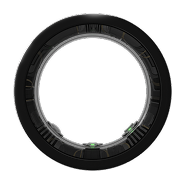
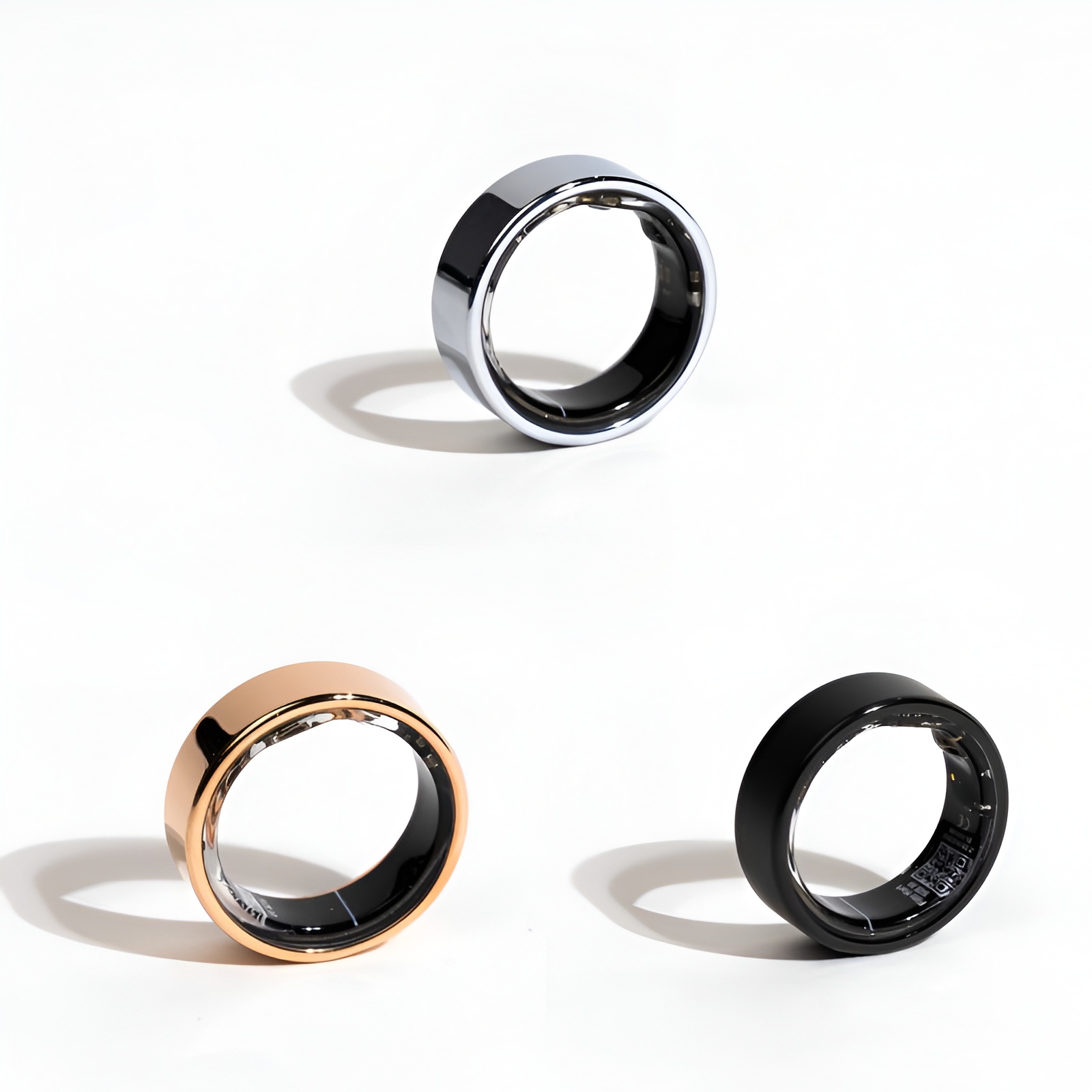
A health tracker ring is a smart ring designed to monitor your health metrics continuously from your finger and sync them to a phone app. Where a fitness ring leans toward training and recovery, a health tracker ring emphasises the vital signs and wellness markers that reflect how your body is doing overall – heart rate, oxygen, temperature, sleep, and stress. In practice, the two overlap heavily, and many rings do both. The defining appeal is continuous, passive monitoring. Because the ring is comfortable enough to wear day and night for days at a time, it builds an unbroken picture of your health that occasional checks simply cannot match.
What Health Metrics Can a Ring Track?
A capable health tracker ring covers a broad set of signals:
- Heart rate and resting heart rate – continuously, including overnight, as core markers of fitness and stress.
- Heart-rate variability (HRV) – a sensitive window into recovery and nervous-system balance.
- Blood oxygen (SpO2) – your overnight oxygen saturation.
- Skin temperature – tracked as a trend that can flag illness, recovery and cycle phases.
- Sleep – duration and an estimate of light, deep and REM stages.
- Stress – inferred from heart rate and HRV through the day.
- Respiratory rate – your breathing rate during sleep, on many models.
How Health Tracker Rings Work
The sensing happens through a small cluster of sensors: optical sensors read blood flow for heart rate, HRV and oxygen; a motion sensor tracks movement and sleep; and a temperature sensor reads skin temperature. The ring processes and stores these signals, then syncs them to an app that turns the raw data into readable scores and trends.
Health Insights You Can Get
The point of all this sensing is insight. A health tracker ring can show your readiness each morning, flag the early signs of illness when temperature rises and HRV drops together, reveal how stress and sleep are trending, and – using temperature – support cycle awareness. Our piece on sleep and why it matters so much explains one of the most valuable of these in detail.
Health Tracker Ring vs Medical Device
This distinction is important and worth stating plainly. A health tracker ring is a wellness device, not a certified medical instrument. Its readings are reliable for tracking your own trends and spotting changes, but they are not diagnoses, and they should not replace medical testing or advice. Used correctly – for awareness, early nudges and better habits – it is genuinely valuable; used as a substitute for a doctor, it is misused. If a metric concerns you, take the trend to a professional rather than self-diagnosing.
How Accurate Are Health Tracker Rings?
Accuracy varies by metric. Resting heart rate, sleep duration and overall trends are reliable; blood oxygen and temperature are best read as trends rather than absolute clinical values; and detailed sleep stages are estimates. The recurring theme with every health wearable applies here: the trend over days and weeks is far more meaningful than any single reading, and consistent wear is what makes the data trustworthy.
Privacy of Your Health Data
Because a health tracker ring gathers sensitive personal data, privacy deserves real thought. That data is what powers the insights, but it is also intimate, so it is worth understanding where it is stored, whether it is used to improve the company’s models, and what control you have over it. Choose a brand whose privacy terms you are comfortable with, and review the app’s settings when you set up the ring.
Who Benefits From a Health Tracker Ring?
The appeal is broad. Athletes use it to guide recovery, busy professionals to manage stress and sleep, frequent travellers to handle disruption, people managing their long-term health to watch key markers, and women to follow cycle-related patterns. The common thread is wanting an always-on, comfortable view of their health without a bulky device or constant effort.
How to Choose a Health Tracker Ring
When comparing options, weigh the breadth and accuracy of the metrics, battery life, whether there is a subscription, build and sizing, app quality and privacy. Then match the ring to your priorities. For a side-by-side look at leading models, our best smart rings of 2026 roundup compares them on these points.
Example: The FITTR HART
As an example, the FITTR HART tracks heart rate, HRV at 200Hz, blood oxygen, skin temperature, sleep, stress and recovery, lasts about 8 days per charge, and carries no subscription – a broad health picture from one comfortable band, with local support in India.
Health Tracker Rings and Preventive Health
The biggest long-term value of a health tracker ring is prevention. By continuously watching resting heart rate, HRV, temperature and sleep, it can surface early signs that something is off – an oncoming illness, mounting stress, or a decline in recovery – while there is still time to respond. It will not diagnose anything, but catching a trend early and adjusting your rest, training or habits is exactly the kind of preventive awareness that supports long-term health.
What the Data Can and Can’t Tell You
It helps to be precise about this. A health tracker ring can tell you how your sleep, recovery and key vital-sign trends are changing, and flag deviations from your baseline. It cannot tell you why something has changed, diagnose a condition, or replace a blood test or a doctor’s examination. Read as a set of trends that prompt awareness and questions, it is genuinely useful; treated as a medical verdict, it oversteps what any wearable can do.
Getting Started With a Health Tracker Ring
Setup is simple, but two habits matter. Fit the ring snugly using the sizing kit, since loose contact means patchy readings, and wear it consistently for the first couple of weeks so it can learn your personal baseline. After that, the scores and alerts become specific to you. From then on, the ring mostly works in the background, and you check in on trends rather than obsessing over daily numbers.
Health Tracker Rings for Specific Groups
Different people lean on different features:
- Athletes – recovery, HRV and sleep to train and rest intelligently.
- Busy professionals – stress and sleep trends to manage burnout.
- Frequent travellers – sleep and temperature to handle jet lag and disruption.
- Women – temperature-based cycle awareness alongside the core metrics.
- Older adults and health-focused users – resting heart rate, oxygen and HRV as long-term markers.
Common Myths About Health Tracker Rings
A few misconceptions are worth correcting. A health tracker ring is not a medical device, so its numbers are guidance, not diagnoses. It is not perfectly precise on every metric – sleep stages and oxygen are best read as trends. And it does not require constant attention; its value comes from passive, consistent monitoring. Set those expectations correctly and the ring delivers steady, realistic value.
Accuracy Across Different Metrics
It is worth knowing where to place your confidence. Resting heart rate and sleep duration are among the most reliable outputs; HRV is strong with a good fit; blood oxygen and temperature are best read as trends rather than exact clinical figures; and sleep stages are solid estimates. Understanding this hierarchy helps you weigh each metric appropriately rather than treating every number as equally precise.
How a Health Ring Fits Daily Life
The beauty of a health tracker ring is how seamlessly it disappears into your routine. You wear it, you forget it, and you glance at the app when you want a read on how you are doing. There is no charging anxiety with multi-day battery, no screen pulling your attention, and nothing to manage. That effortlessness is precisely why people stick with rings long after a busier wearable would end up in a drawer.
When to See a Doctor
A health tracker ring is a prompt for awareness, not a replacement for medical care. If the ring consistently shows something that worries you – a persistently low overnight oxygen trend, an unexplained sustained rise in resting heart rate, or any pattern alongside symptoms – take that information to a doctor rather than trying to interpret it alone. Used as a conversation-starter with a professional, the ring’s long-term data can be genuinely helpful.
The Future of Health Tracker Rings
The category is advancing fast. Expect more metrics, smarter AI-driven interpretation, earlier and more reliable illness prediction, and tighter integration between signals. As sensors and software improve, the humble health ring is likely to become an ever more capable everyday health companion – all from the same comfortable band on your finger.
Why Continuous Beats Occasional
The reason a ring outperforms the occasional check-up at home is continuity. A single reading is a snapshot that can be thrown off by the moment; a continuous record reveals patterns, baselines and gradual changes that snapshots miss entirely. By monitoring you around the clock, a health tracker ring turns scattered data points into a meaningful trend line – and trends, far more than isolated numbers, are where real health insight lives.
An Everyday Health Habit
Perhaps the quiet magic of a health tracker ring is that it turns health awareness into an effortless daily habit. You do not have to remember to measure anything or set aside time to check in; the ring simply gathers your data as you live, and surfaces what matters when you glance at the app. That frictionless quality is what makes the difference, because the best health tool is ultimately the one you will keep using without even thinking about it.
Frequently Asked Questions
What is a health tracker ring?
A health tracker ring is a smart ring that monitors health metrics such as heart rate, HRV, blood oxygen, temperature, sleep and stress from your finger, around the clock.
What can a health tracker ring measure?
Typically heart rate, resting heart rate, HRV, blood oxygen, skin temperature, sleep, stress and recovery, depending on the model.
Is a health tracker ring a medical device?
No. It is a wellness tool that tracks trends, not a certified medical device. Use it for awareness and discuss any concerns with a doctor.
How accurate are health tracker rings?
They are reliable for trends and resting metrics, with estimates for things like sleep stages. Consistent wear and reading trends over time give the most value.
Who should use a health tracker ring?
Anyone wanting an always-on, comfortable view of their sleep, recovery and overall health – from athletes to busy professionals to people focused on long-term wellbeing.
Wear Better Insights, Live Healthier.
A health tracker ring, health ring tracker, or ring to track health offers something quietly powerful: a continuous, comfortable window into your body that you barely have to think about. It is not a medical device, and it works best when you read trends rather than chase single numbers – but as an everyday awareness tool, few wearables match it. A broad, subscription-free option like the FITTR HART shows just how much insight a single band on your finger can provide.