




You want to track your fitness, and you have narrowed it down to two shapes: a tracker on your wrist or a tracker on your finger. It seems like a small choice, but the two form factors lead to genuinely different experiences – in comfort, accuracy, battery and what you can actually see. This guide compares fitness tracker rings and wristbands head to head, so you can pick the one that fits how you actually live and train. If you are still getting your bearings, our explainer on what a smart ring is covers the ring side in depth; here we put it side by side with the familiar wristband.
The Two Form Factors
A wristband – whether a slim fitness band or a fuller smartwatch – sits on your wrist with a screen you can glance at. A fitness tracker ring shrinks the same idea down to a band on your finger, with no screen and everything viewed in an app. Both use similar sensors; the difference is where they sit and what they prioritise. That single design choice ripples out into every comparison below.
Comfort and Wearability
This is the ring’s clearest win. A ring is light, unobtrusive and easy to forget you are wearing, even in bed – which matters enormously, because the most valuable data is collected overnight. A wristband, especially a chunky watch, can feel bulky on the wrist at night, catch on sleeves, and leave many people taking it off to sleep, exactly when they should be wearing it. For all-day-and-night comfort, the finger wins.
Battery Life
Rings also tend to win on endurance. Freed from powering a bright screen, a fitness ring typically lasts several days to over a week per charge. Many wristbands, particularly smartwatches, need charging every day or two. A longer battery is not just convenient – it means fewer gaps in your data, because the device spends more time on your body and less time on the charger.
Accuracy: Finger vs Wrist
Accuracy depends on what you are measuring. For resting heart rate, HRV and sleep, the finger gives a clean, stable signal and rings perform very well – often better than wrist devices, which can shift and let in light. For live exercise heart rate, though, a snug wristband or chest strap can be more reliable, since a ring’s signal is disturbed when you grip a bar or weight. The detail on how rings handle sleep specifically is in our guide to why sleep matters for your whole body.
Features: Screen, Notifications and GPS
Here the wristband pulls ahead. A watch gives you a screen for glanceable stats, phone notifications on your wrist, and built-in GPS for mapping runs and rides. A ring deliberately drops all of that to stay small and comfortable, showing everything in the app instead. If real-time, on-wrist information during workouts is central to you, a band or watch is the better tool.
Sleep Tracking
For sleep, the ring is hard to beat. It is comfortable enough that you will actually wear it every night, and the finger gives reliable overnight heart-rate, HRV and temperature data. Wristbands can track sleep too, but the comfort gap means many people simply do not wear them to bed – and a sleep tracker you take off is no sleep tracker at all.
Ring vs Wristband at a Glance
- Comfort: ring is excellent, easy to wear 24/7; wristband is bulkier, often removed at night.
- Battery: ring lasts several days to a week or more; wristband is often daily or every two days.
- Sleep tracking: ring is excellent, worn every night; wristband is good, if you wear it to bed.
- Resting HR and HRV: ring gives a clean, stable finger signal; wristband is good, but can shift on the wrist.
- Live workout HR: ring is less reliable for grip sports; wristband is better, especially snug bands.
- Screen and notifications: ring has none, app only; wristband offers a glanceable screen on the wrist.
- GPS: ring has none, uses your phone; wristband often has GPS built in.
Specs vary by model – always check the device you are considering.
Which Should You Choose?
The choice comes down to what you open the tracker to do. If your priority is sleep, recovery and all-day comfort, a fitness tracker ring is the better fit. If it is live workout stats, notifications and GPS on your wrist, a wristband or watch wins. Neither is objectively superior – they are optimised for different jobs, and the right answer is simply the one that matches your daily habits.
Can You Use Both?
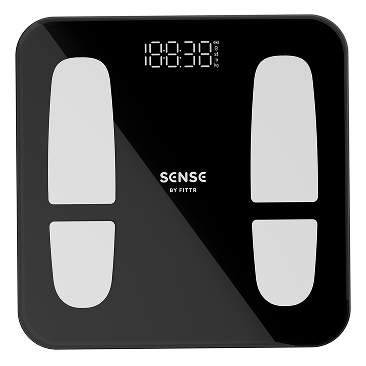
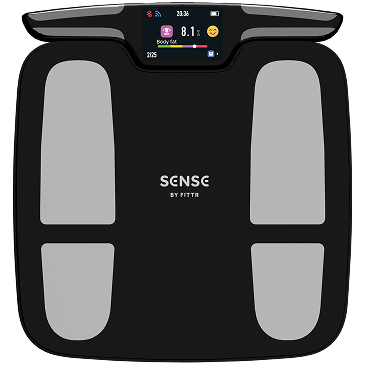
Plenty of people do, and it is a sensible setup. A wristband or watch handles live workouts, notifications and GPS, while a ring handles sleep, recovery and round-the-clock comfort. The two paint a fuller picture together than either alone. And for body composition, which neither tracks, you would add a smart scale like FITTR Sense.
Example: The FITTR HART
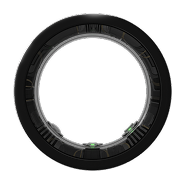
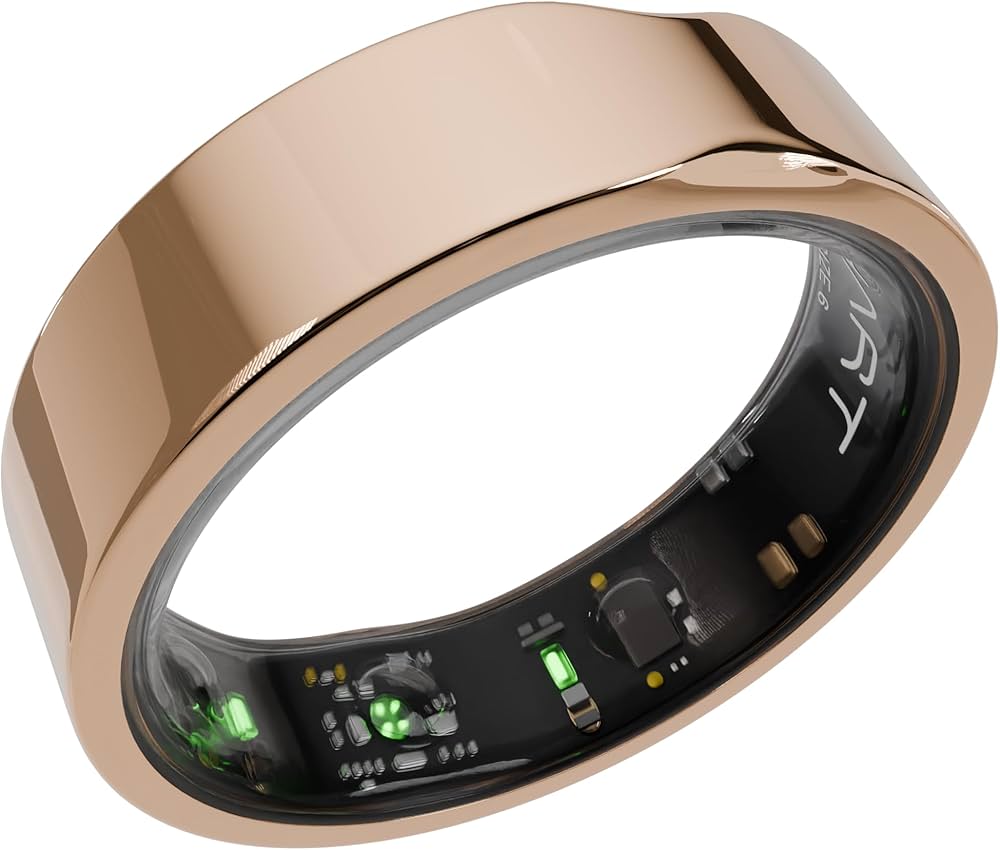
As a ring example, the FITTR HART leans into the ring’s strengths: about 8 days of battery, comfortable 24/7 wear, clean HRV and sleep tracking, and no subscription. Worn alongside a watch for live workouts, it covers exactly the gaps a wristband leaves open.
Style and Discretion
There is a social dimension too. A ring passes as ordinary jewellery and draws no attention in a meeting, at dinner or at an event, while a fitness band or sports watch can look out of place with formal or smart-casual dress. For people who want to track their health without advertising it, the ring’s discretion is a genuine, if often overlooked, advantage.
Durability and Water Resistance
Both form factors are usually water-resistant, but they wear differently. A ring has no screen to scratch or crack and is often made of tough titanium or ceramic, so it shrugs off daily knocks. A watch face is more exposed, though a rugged sports band can be very durable. For swimming and showering, most rings and many bands are happy to stay on, so this is rarely a deciding factor on its own.
Which Is Better for Specific Sports?
Your sport matters. Match the device to where you spend your training time.
Running and Cycling
For running and cycling, a watch with on-screen pace, heart rate and GPS is hard to beat.
Lifting
For lifting, a ring is comfortable and tracks recovery well, though gripping bars disturbs live heart rate, where a chest strap shines.
Swimming
For swimming, both can work, but a ring is unobtrusive.
Yoga and Everyday Movement
For yoga, walking and everyday movement, a ring’s comfort makes it the easy pick.
Switching From a Wristband to a Ring
If you are moving from a band to a ring, expect a short adjustment. You lose glanceable stats and notifications, which feels strange at first and then, for most people, becomes a relief. You gain comfort, sleep tracking you will actually use, and far longer battery. Give it a couple of weeks, learn to check the app rather than your wrist, and the new rhythm quickly feels natural.
Cost of Ownership Over Time
Look beyond the sticker price to what you pay over years. Some rings and some watches add subscriptions that quietly raise the real cost, while others include everything up front. Battery longevity, durability and whether you will need to replace the device also feed into value. A subscription-free device you wear for years can easily cost less in the long run than a cheaper one with a monthly fee.
The Case for the Ring
In short, choose a ring if your priorities are comfort, sleep tracking, recovery insight, long battery and discretion. The ring excels precisely where wristbands struggle – staying on your body around the clock and capturing clean overnight data without bulk or nightly charging. For anyone whose health goals centre on rest, recovery and consistency rather than live performance, it is the more natural everyday wear.
The Case for the Wristband
Choose a wristband or watch if you want a screen, notifications, built-in GPS and reliable live workout heart rate on your wrist. For runners, cyclists and anyone who trains by real-time numbers, those features are central rather than optional. The trade is comfort and battery, but if on-wrist information during exercise is what you value most, the wristband is the right tool.
Hybrid Setups That Work
The smartest setup for many people is not either-or. Pairing a ring for sleep, recovery and all-day comfort with a watch for live workouts and notifications covers every base, and the two data streams complement each other rather than competing. If budget allows, a hybrid approach gives you the strengths of both form factors without forcing a single compromise.
A Quick Buying Checklist
Before you decide, run through this:
- What do you mainly want to track – sleep and recovery, or live workouts?
- Will you wear it to bed every night? If so, comfort points to a ring.
- Do you need a screen, GPS and notifications on your body?
- How often are you willing to charge it?
- Is there a subscription, and what is the true cost over a few years?
What Most People End Up Choosing
In practice, the decision usually comes down to a single question: do you wear it to bed? People who care about sleep and recovery, and who want a tracker that disappears into daily life, gravitate to the ring and rarely look back. People who train by live numbers and want notifications on their wrist stay with a band or watch. Both are right for their owners – which is the whole point. There is no universal winner, only the better fit for how you actually live and move.
Comfort Often Decides It
If there is one factor that quietly settles the choice for most people, it is comfort. A tracker only helps if you wear it, and a device you find comfortable enough to keep on through work, sleep and everything in between will always out-track one you take off. For a great many users, that single reality is what tips the balance toward the ring – not because its numbers are dramatically different, but because it is the one that stays on.
Frequently Asked Questions
Is a fitness tracker ring better than a wristband?
It depends on your priority. Rings win on comfort, sleep tracking and battery; wristbands win on screens, notifications and live workout data.
Are rings more accurate than wristbands?
For resting heart rate, HRV and sleep the finger tends to give cleaner data; for live exercise heart rate a snug wristband or chest strap can be more reliable.
Do fitness rings have a screen?
No. Rings are screen-free and show everything in the app, which is part of why they are smaller and last longer between charges than wristbands.
Which lasts longer, a ring or a wristband?
Rings usually last several days to over a week per charge, while many wristbands need charging every day or two.
Can I wear both a ring and a wristband?
Yes, and some people do – a ring for sleep and recovery, a wristband or watch for live workouts and notifications.
Choose the Tracker That Fits Your Lifestyle.
Fitness tracker rings and wristbands are not really rivals so much as specialists. The ring owns comfort, sleep and recovery; the wristband owns screens, notifications and live workouts. Decide which of those matters most to you day to day, and the choice makes itself – and if the answer is recovery and sleep without the bulk, a ring like the FITTR HART is the one to wear.