



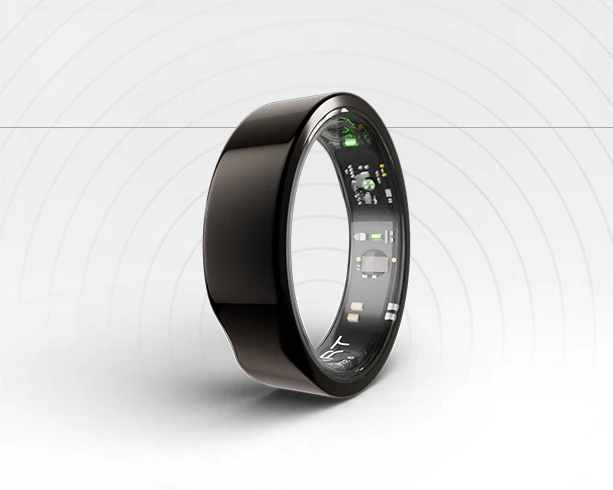
Smartwatches got all the attention for a decade, but a smaller, quieter device has been winning over athletes, busy professionals and sleep-obsessives alike: the fitness ring. No screen, no straps, no nightly charging – just a band on your finger quietly tracking your body around the clock. If you have been wondering what a fitness ring actually is, what it tracks, how accurate it is and whether it is right for you, this complete guide walks through all of it in plain English. This sits within the broader family of wearable rings; our guide to what a smart ring is covers that family, while here we focus specifically on the fitness and health side.
What Is a Fitness Ring?
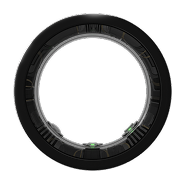
A fitness ring is a smart ring worn on the finger that tracks your fitness and health metrics and syncs them to an app on your phone. Think of it as a fitness tracker shrunk down into a piece of jewellery: it measures the same kinds of things a fitness band does – heart rate, sleep, activity, recovery – but in a far more comfortable, discreet and long-lasting form factor. The appeal is consistency. Because a ring is comfortable enough to wear day and night and lasts days between charges, you actually keep it on – and continuous data is what makes any tracker useful in the first place.
How Does a Fitness Ring Work?
A fitness ring packs a surprising amount of sensing into a tiny band. Optical sensors shine light into the blood vessels of your finger to read your heart rate, heart-rate variability and blood oxygen. A motion sensor tracks your movement for steps, activity and sleep. A temperature sensor reads your skin temperature. A small chip processes these signals and sends them to the companion app, where algorithms turn raw data into the scores and trends you actually read.
What Does a Fitness Ring Track?
A good fitness ring covers most of what a wrist tracker does, and often does the recovery side better:
- Sleep – duration and an estimate of light, deep, and REM stages.
- Heart rate and resting heart rate – continuously, including overnight.
- Heart-rate variability (HRV) – a key marker of recovery and stress.
- Recovery and readiness – how prepared your body is to train or perform.
- Steps and activity – daily movement, often auto-detected.
- Calories – estimated from movement and heart data.
- Blood oxygen and skin temperature – for overnight health and recovery context.
Fitness Ring vs Fitness Watch
The honest comparison is about trade-offs, not a clear winner. A fitness ring wins on comfort, sleep tracking, and battery life, and it is far more discreet. A fitness watch wins on a screen, notifications, GPS, and live workout heart rate. If you want detailed real-time stats on a run, a watch is better; if you want effortless sleep and recovery tracking you will actually keep wearing, a ring is better. We dig into this properly in our comparison of fitness tracker rings compared.
Benefits of a Fitness Ring
The strengths of the ring form factor are real and specific. It is comfortable enough to wear every night, which makes it excellent for sleep and recovery. Its multi-day battery means it is almost always on your finger collecting data. It is discreet enough to pass as jewellery in any setting. And because the finger gives a clean, stable signal, resting heart rate and HRV readings tend to be reliable. For anyone whose main interest is recovery, sleep and long-term health rather than live workout metrics, those benefits add up fast.
What a Fitness Ring Can’t Do
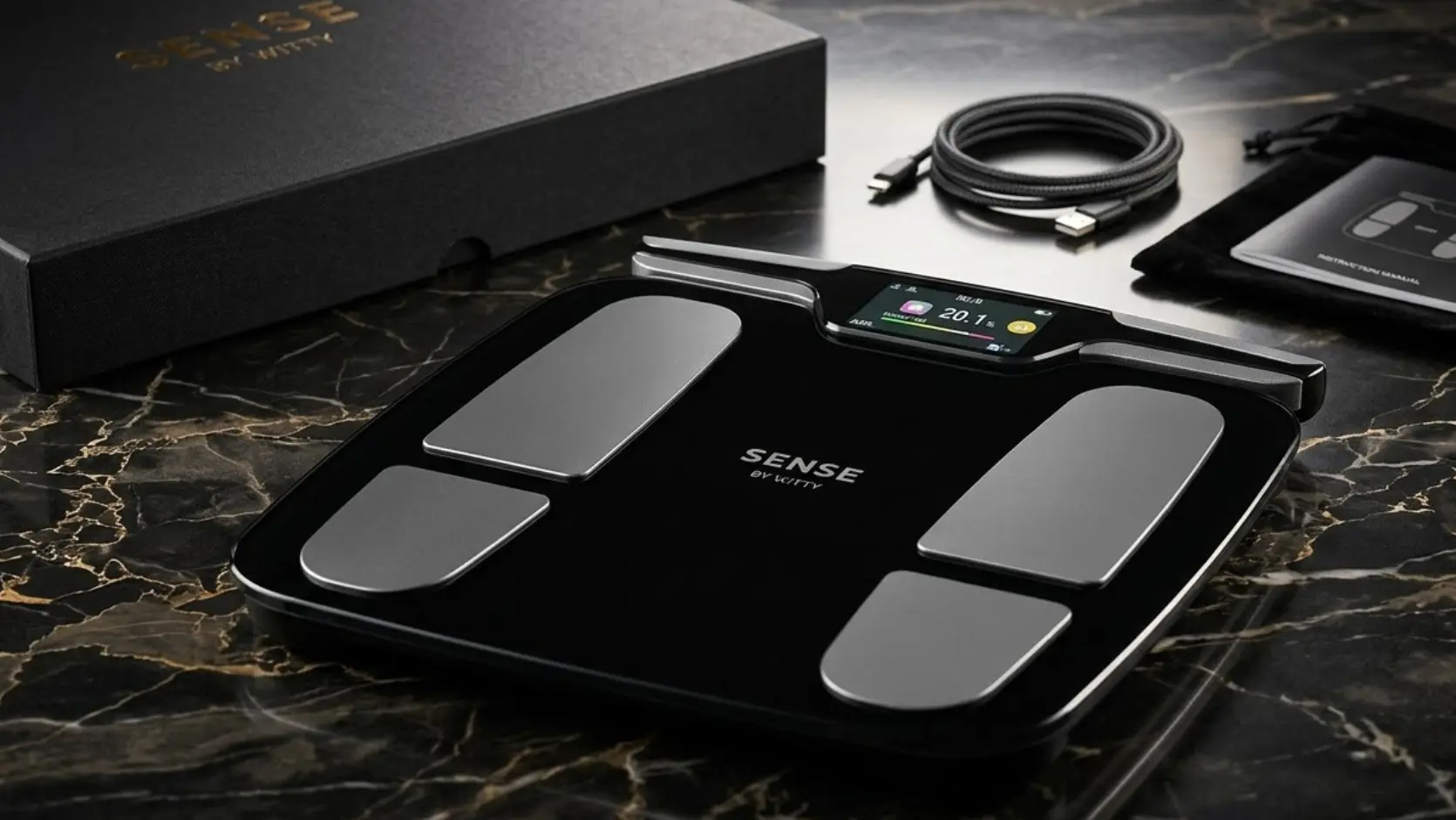
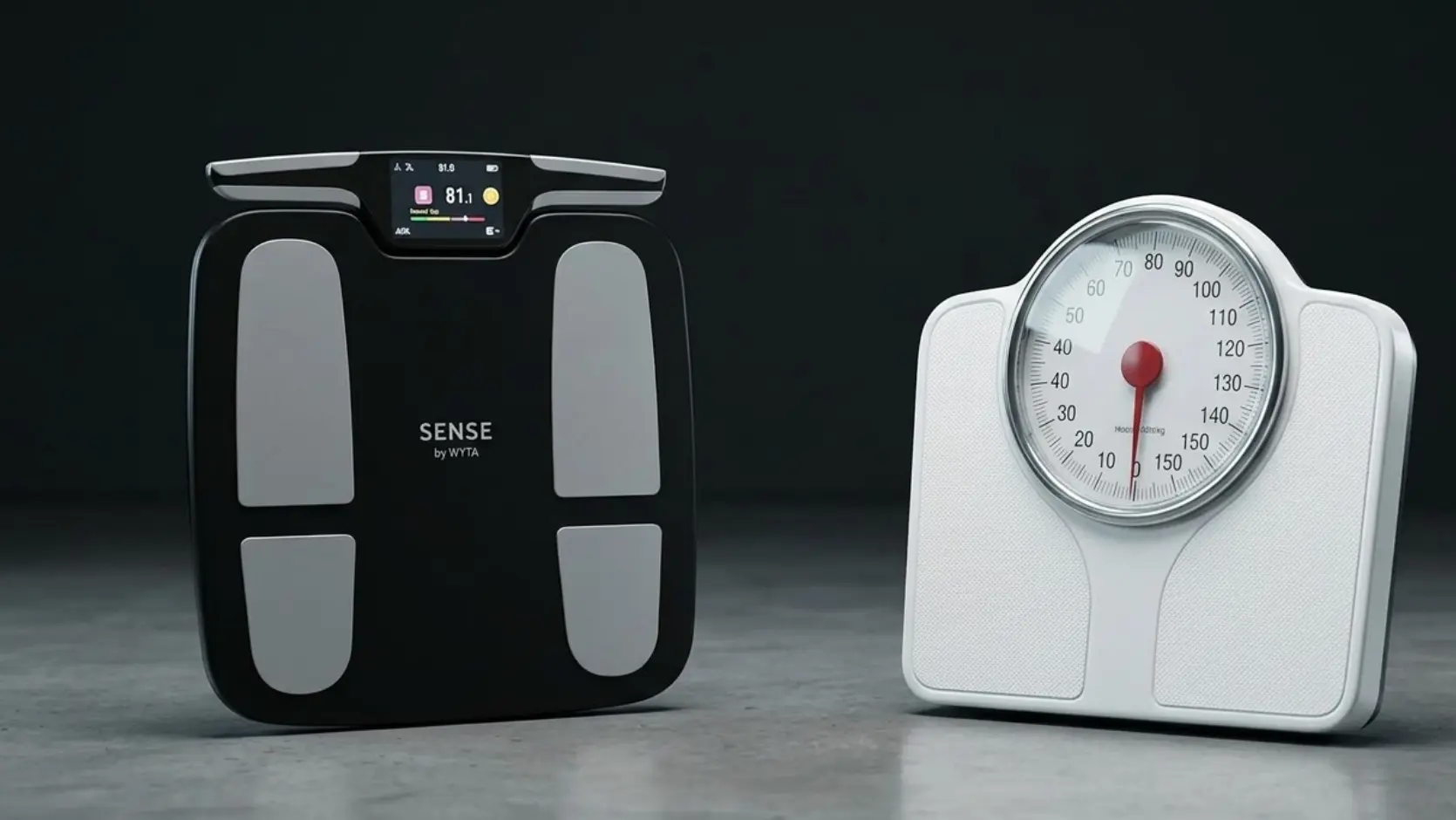
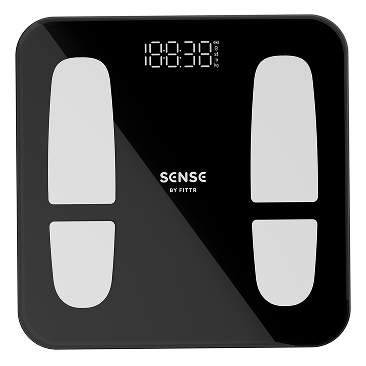
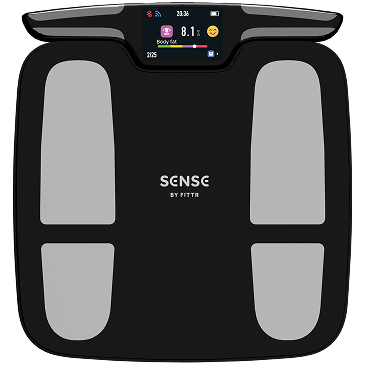
It is just as important to be clear about the limits. A fitness ring tracks how your body is functioning, not what it is made of – it will not measure body fat, muscle mass or visceral fat. For that, you pair it with a smart scale like FITTR Sense. A ring also is not the tool for live, on-screen workout stats or GPS routes. Knowing these boundaries keeps your expectations realistic and your setup complete.
How Accurate Are Fitness Rings?
Accuracy depends on what you are measuring. For resting heart rate, sleep duration and overall trends, fitness rings are reliable. For exact sleep stages and calorie burn, they are educated estimates rather than precise measurements. The practical rule is to trust the trends over time rather than fixating on a single day’s number – a steadily improving resting heart rate or recovery pattern tells you far more than any one reading.
Who Should Use a Fitness Ring?
Fitness rings suit a wide range of people: athletes managing training and recovery, busy professionals watching stress and sleep, frequent travellers, and anyone focused on long-term health who wants an always-on view without a bulky watch. The common thread is valuing comfort, consistency and recovery insight over live workout displays.
How to Choose a Fitness Ring
When comparing options, weight accuracy (especially sleep and HRV), battery life, whether there is a subscription, build quality and sizing, and the quality of the app’s insights. Then match the ring to your goal.
Example: The FITTR HART
As a concrete example, the FITTR HART tracks sleep, HRV at 200Hz, recovery, blood oxygen, temperature, steps and calories, lasts about 8 days per charge, and carries no subscription. Paired with a smart scale for body composition, it gives a complete picture of both how your body is functioning and how it is changing.
Fitness Ring vs Smart Ring vs Health Ring
These labels cause a lot of confusion, but the overlap is large. A smart ring is the umbrella term for any sensor-equipped ring. A fitness ring emphasises training, activity and recovery; a health ring emphasises wellness metrics like heart rate, oxygen and temperature. In practice most modern rings do both, so the same device is often a fitness ring and a health ring depending on which features the marketing leads with. Rather than fixating on the label, look at what the ring actually measures and how good the app is.
Fitness Rings for Different Goals
The right way to use a fitness ring depends on what you are chasing:
- For weight loss – lean on sleep, recovery and activity, and pair the ring with a scale for body composition.
- For endurance and fitness – watch VO2 max climb and resting heart rate fall over months.
- For stress and wellbeing – follow HRV and the stress metric to time rest and recovery.
- For better sleep – use the nightly breakdown to test and refine your sleep habits.
Getting Started With a Fitness Ring
Starting out is simple, but a couple of habits make the difference. Use the sizing kit so the fit is snug, since a loose ring gives patchy data. Then wear it consistently for the first week or two while it learns your baseline, and resist over-analysing those early readings. Once it knows your normal, the scores and trends become genuinely meaningful – and that is when a fitness ring starts to earn its place rather than just collecting numbers.
Common Myths About Fitness Rings
A few misconceptions are worth clearing up. A fitness ring is not a medical device, so its readings are wellness guidance rather than diagnoses. It will not measure body fat, despite tracking plenty else. It is not useless for exercise, but it is better at recovery than at live workout heart rate. And it does not need constant attention – its value comes from passive, consistent tracking that you mostly let run in the background. Set those expectations correctly and a ring rarely disappoints.
Fitness Rings in India
For Indian buyers, a couple of practical points matter. Imported premium rings can carry high prices, subscriptions and slower support, while India-available brands offer local pricing, warranty and easier servicing. Climate is worth a thought too: a comfortable, water-resistant ring suits warm, humid conditions far better than a bulky wrist device. For most people the deciding factors are local support, no recurring fees, and a fit that stays comfortable all day.
How Long Does a Fitness Ring Last?
Two kinds of lifespan matter here. Day to day, a good fitness ring runs for several days to over a week per charge, far longer than a smartwatch. Over the longer term, the ring’s rechargeable battery will slowly age over a few years like any electronic device, while the durable outer shell, often titanium or ceramic, shrugs off everyday knocks and water. For most owners a fitness ring comfortably lasts years of daily wear before they think about replacing it.
Fitness Rings and Motivation
There is a subtle behavioural benefit that does not show up on any spec sheet. Seeing your sleep, recovery and activity quantified each day tends to nudge better choices – an earlier night when your recovery is low, a walk to close an activity goal, a lighter session when your body is asking for rest. The ring does not force anything, but by making your habits visible it gently keeps health top of mind. For many people, that quiet, consistent accountability is the single most valuable thing a fitness ring offers.
Caring for Your Fitness Ring
A fitness ring asks very little maintenance, but a few habits extend its life and accuracy. Give it an occasional wipe to keep the sensors and skin clean, charge it before it runs flat rather than letting it die completely, and store the charger somewhere you will use it. Most quality rings are water-resistant enough for showers and workouts, so you rarely need to take them off. Look after it lightly, and a fitness ring repays you with years of consistent, comfortable tracking.
Frequently Asked Questions
What is a fitness ring?
A fitness ring is a smart ring worn on the finger that tracks fitness and health metrics like sleep, heart rate, HRV, recovery, steps and calories, syncing them to a phone app.
How does a fitness ring work?
Optical sensors read your heart rate and blood oxygen, a motion sensor tracks movement and sleep, and a temperature sensor reads skin temperature; an app turns it all into scores and trends.
Is a fitness ring better than a fitness watch?
For comfort, sleep tracking and battery life a ring often wins; for live workout stats, GPS and notifications a watch is better. Many people use both.
Can a fitness ring measure body fat?
No. A ring tracks how your body is functioning, not its composition. For body fat and muscle mass you need a smart scale or a body-composition tool.
How accurate are fitness rings?
For resting heart rate, sleep duration and trends they are reliable; exact sleep stages and calorie burn are estimates. Focus on trends over single readings.
Small Ring, Big Health Insights.
A fitness ring, fitness tracker ring, or ring fitness device is one of the most genuinely useful wearables you can own – comfortable, discreet, long-lasting, and excellent at the sleep and recovery tracking that underpins real health. It will not replace a sports watch for live workouts or a scale for body composition, but as an always-on window into how your body is doing, a capable ring like the FITTR HART earns its place on your finger. The best fitness ring is simply the one you will actually keep wearing.