


Measuring Body Fat Without Leaving Home
A body fat measure once required a clinic visit, but today several genuinely practical home methods exist, from smart scales to simple tape-measurement formulas, letting you track this valuable metric consistently without needing professional assistance for every single check-in. This guide walks through the main home-friendly options for a body fat test, how to get the most reliable results from each, and how to interpret your fat measurement data correctly so it actually informs your health and fitness decisions.
Home Testing Methods
Method One: Bioelectrical Impedance Smart Scales
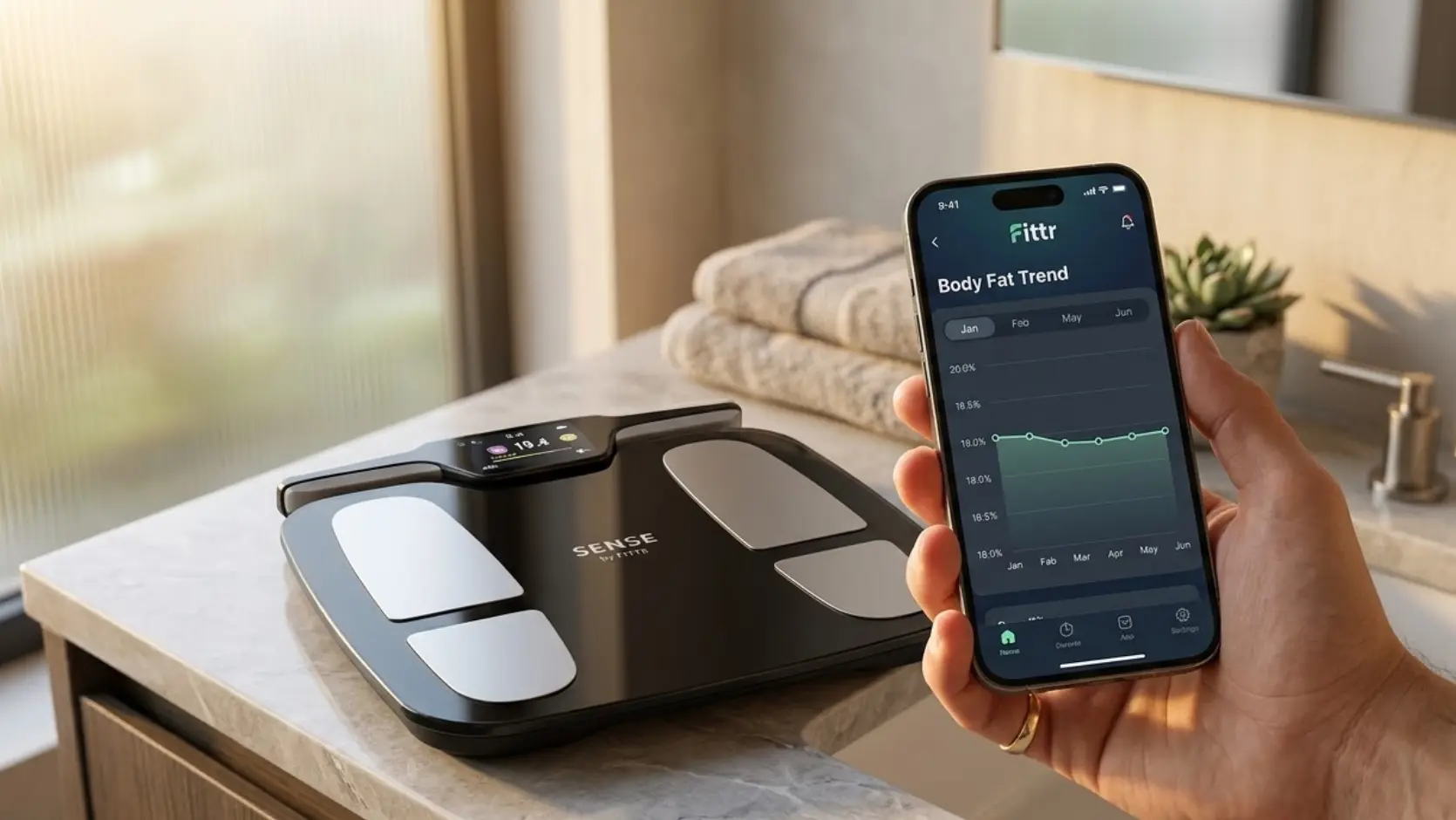
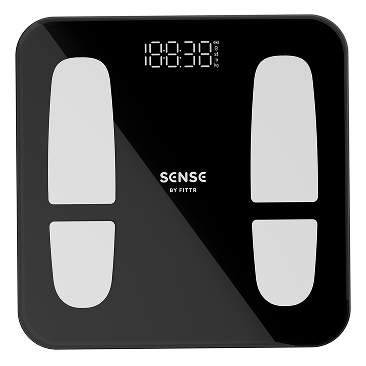
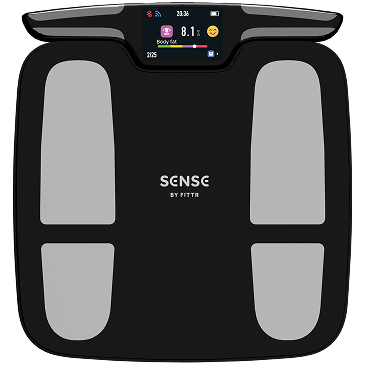
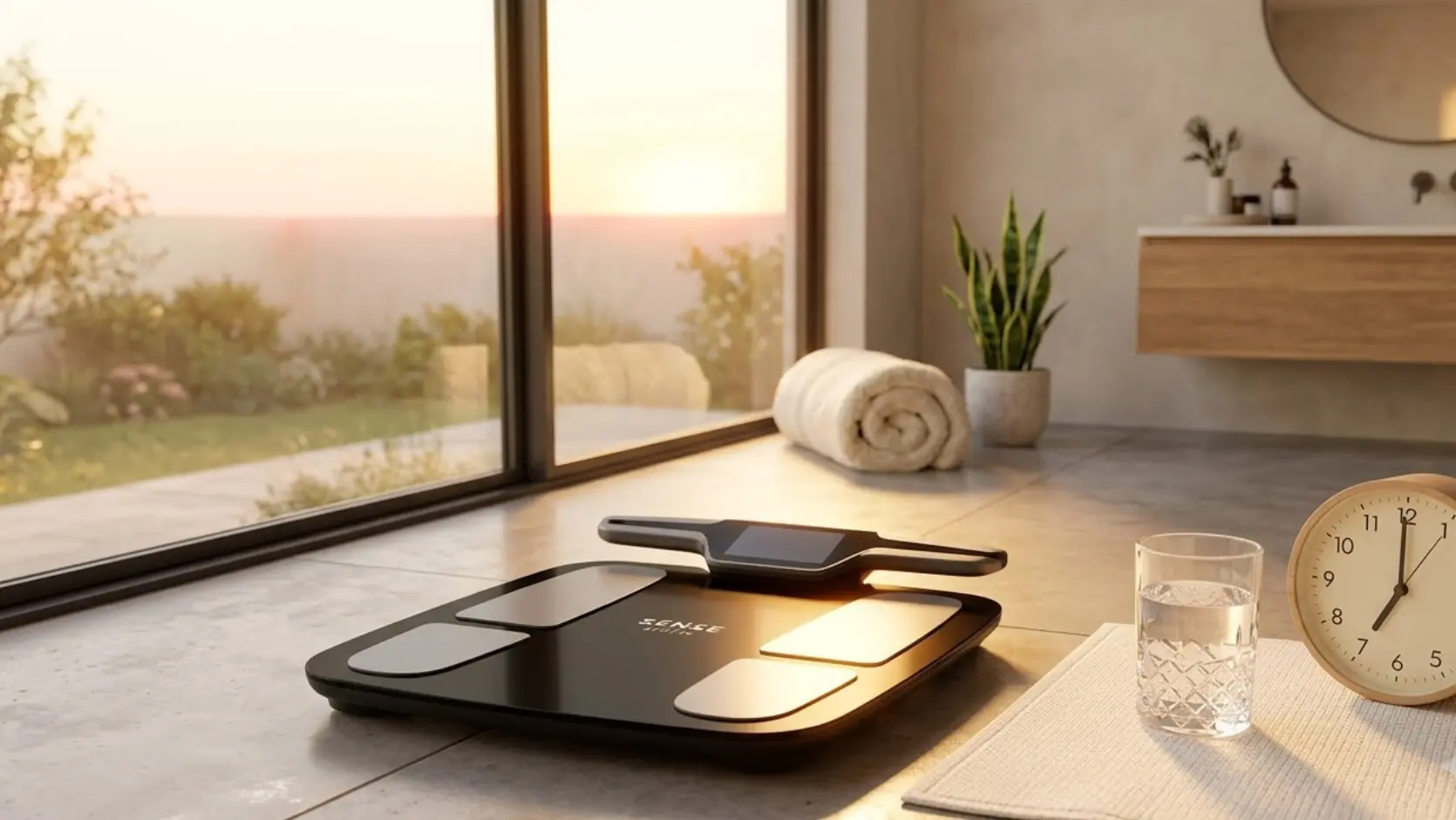
The most convenient home body fat measure comes from a bioelectrical impedance smart scale, sending a small, safe electrical current through your body and estimating fat percentage from the resistance encountered. This method takes just seconds and integrates naturally into a daily or weekly weigh-in routine. For the most reliable body fat test results with this method, test first thing in the morning before eating or drinking, ensure bare feet make full contact with the platform electrodes, and keep your profile information – height, age, gender – accurate and up to date in the device’s settings.
Method Two: Skinfold Caliper Measurement
Skinfold calipers offer another home fat measurement option, pinching skin at specific body sites and using the thickness to estimate body fat through an established formula. This method requires learning correct technique and consistent site selection to produce reliable, comparable results over time. While more hands-on than a smart scale, a body fat test using calipers can be genuinely accurate once you’ve developed the skill, and unlike bioelectrical impedance, it’s not affected by hydration status in the same way, making it a useful complementary method for anyone comfortable learning the technique.
Method Three: Circumference-Based Formulas
Some body fat measure methods use simple tape-measure circumference readings – waist, neck, and sometimes hip measurements – plugged into an established formula like the U.S. Navy method to estimate body fat percentage without any specialised equipment beyond a basic measuring tape. This fat measurement approach is accessible and requires no specialised device, though it’s generally less precise than bioelectrical impedance or well-executed skinfold measurement, making it most useful as a rough estimate or a backup method when other tools aren’t available to you.
Getting Consistent Results With Any Home Method
Regardless of which body fat test method you choose, consistency in testing conditions matters enormously for meaningful tracking. Test at the same time of day, under similar hydration and exercise conditions, and using the same measurement technique or device each time you check your progress. This consistency is what actually makes any home fat measurement method useful, since the absolute precision of any single reading matters less than your ability to reliably compare today’s result against your own previous readings using the identical method and conditions each time.
Understanding What Affects Your Body Fat Measure
Several temporary factors can meaningfully shift any body fat measure regardless of method: recent exercise causing temporary water shifts, a large or salty recent meal causing water retention, and for women, where they are in a menstrual cycle, all affecting hydration-sensitive measurement methods particularly. Understanding these factors helps prevent overreacting to a single unusual reading, recognising it likely reflects normal temporary variation rather than a genuine, sudden change in your actual underlying body composition that would require any real concern or immediate action.
How Often to Measure Body Fat at Home
Weekly body fat test sessions, under consistent conditions, give enough data points to reveal a genuine trend without adding unnecessary daily noise to your tracking routine. Testing more frequently than this rarely adds meaningfully useful information for most people pursuing typical fitness goals. For anyone in an active fat-loss or muscle-building phase, slightly more frequent fat measurement – perhaps twice weekly – can help catch a stalling trend earlier, giving you time to thoughtfully adjust your training or nutrition approach before too many weeks pass without visible progress.
Combining Multiple Home Methods
Some people combine two home body fat measure methods – a smart scale for frequent, convenient weekly tracking, alongside periodic skinfold or circumference measurements as a cross-check, since each method has different strengths and is affected by different temporary factors. This combined approach isn’t necessary for most people, but it offers a useful sanity check if you’re ever uncertain whether an unusual reading from one method reflects genuine change or simply reflects that particular method’s specific sensitivity to hydration or other temporary factors.
When to Seek Professional Body Fat Testing
While home methods are genuinely useful for regular tracking, certain situations call for more precise professional assessment – preparing for a specific competitive event, or wanting periodic validation of your home fat measurement data against a clinically accurate reference like a DEXA scan. For most everyday fitness goals, though, consistent home body fat test tracking using any of the methods covered here provides more than enough actionable information to guide your training and nutrition decisions without needing frequent, costly professional assessment.
Building Your Own Home Body Fat Testing Routine
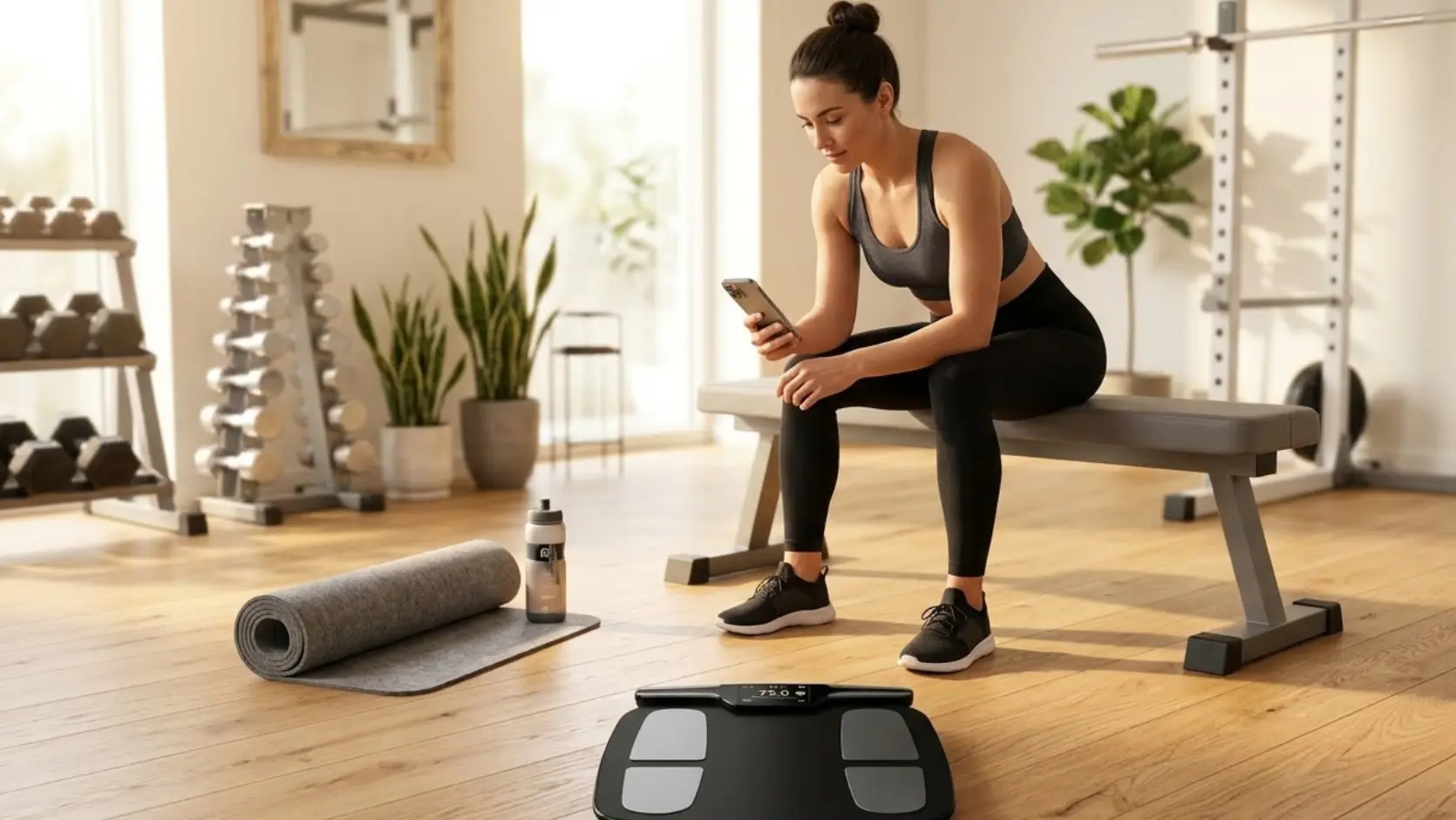
Establishing a simple, repeatable routine is what turns any body fat measure method from a one-off curiosity into a genuinely useful tracking tool. Pick one consistent day and time each week, gather whatever equipment your chosen method requires, and commit to testing under the same conditions every single time without exception. Logging your results somewhere consistent – a notes app, spreadsheet, or your smart scale’s companion app – makes it easy to review the trend over time rather than relying on memory to compare this week’s body fat test against several weeks or months of previous readings.
Body Fat Measurement for Different Fitness Goals
The way you use body fat measure data should align with your specific goal. During a fat-loss phase, watching for a steady downward trend alongside stable muscle mass confirms your approach is working as intended. During a muscle-building phase, tracking fat measurement alongside weight gain helps ensure you’re building lean tissue efficiently rather than gaining excess fat. Recognising which phase you’re currently in helps you interpret your fat measurement trend correctly, since the “right” direction for this metric genuinely differs depending on whether you’re actively cutting, bulking, or simply maintaining your current body composition without a specific change goal in mind right now.
Avoiding Common Emotional Pitfalls in Body Fat Tracking
Regular body fat measure tracking can sometimes become a source of unnecessary stress if a single reading is over-interpreted emotionally rather than viewed as one data point in a longer trend. If checking your body fat test results is causing anxiety rather than useful information, consider reducing testing frequency or focusing more on non-scale progress markers instead. A healthy relationship with body fat measurement means treating the numbers as helpful data for adjusting your approach, not as a judgment of your worth or effort – keeping this perspective makes consistent home fat measurement sustainable and genuinely useful over the months and years it takes to reach most meaningful fitness goals.
Common Myths About Home Body Fat Measurement
A few misconceptions deserve a direct correction.
- A home body fat measure isn’t as precise as a clinical DEXA scan, but it’s precise enough to reveal your own trend reliably over time.
- Different fat measurement methods won’t give identical numbers, even when both are working correctly and consistently.
- You don’t need expensive equipment for a reasonably useful body fat test; circumference formulas require only a basic tape measure.
- A single unusual reading doesn’t mean your chosen method is broken; normal daily fluctuation affects nearly every measurement approach.
- Home fat measurement isn’t only for serious athletes; it’s genuinely useful for anyone with a general health or fitness tracking goal.
The Bottom Line
Measuring body fat at home is genuinely achievable through several methods – bioelectrical impedance smart scales, skinfold calipers, or circumference formulas – each offering a practical body fat measure without needing a clinic visit for every single check-in. Choose the method that fits your comfort level and equipment access, test consistently under similar conditions, and trust the trend over any single body fat test reading, and you’ll build a genuinely useful home fat measurement routine that supports real progress toward your goals.
Frequently Asked Questions
What’s the easiest way to measure body fat at home?
A bioelectrical impedance smart scale is the most convenient method, giving a body fat measure in seconds as part of a regular weigh-in.
Is a body fat test using calipers accurate?
Yes, in trained hands, though it requires learning correct technique and consistent site selection for reliable results over time.
Can I measure body fat without any special equipment?
Yes, circumference-based formulas using just a tape measure offer a rough fat measurement estimate without specialised devices.
How often should I measure my body fat at home?
Weekly testing under consistent conditions works well for most people; more frequent testing rarely adds meaningfully useful data.
Why do different body fat measure methods give different numbers?
Each method estimates composition differently and is affected by different factors, so consistency within one method matters most.
Beyond Weight Starts at Home
Body fat measure, a body fat test, or general fat measurement at home – whichever term guides your search, consistent home tracking gives you genuinely useful data without needing a clinic visit every time. To act on your results, Fittr’s body fat calculator and exercise video library can help you turn your trend into real progress.