



Why Choosing the Right Oats Matters for Weight Gain
If you are underweight or a hard gainer, you have probably been told to “eat more oats”. Good advice – but what decides your results is which oats, how much, and what goes in the bowl. The best oats for weight gain are not a single magic brand. They are the oats that let you hit a steady calorie surplus with enough protein, without leaving you bloated or living on sugar.
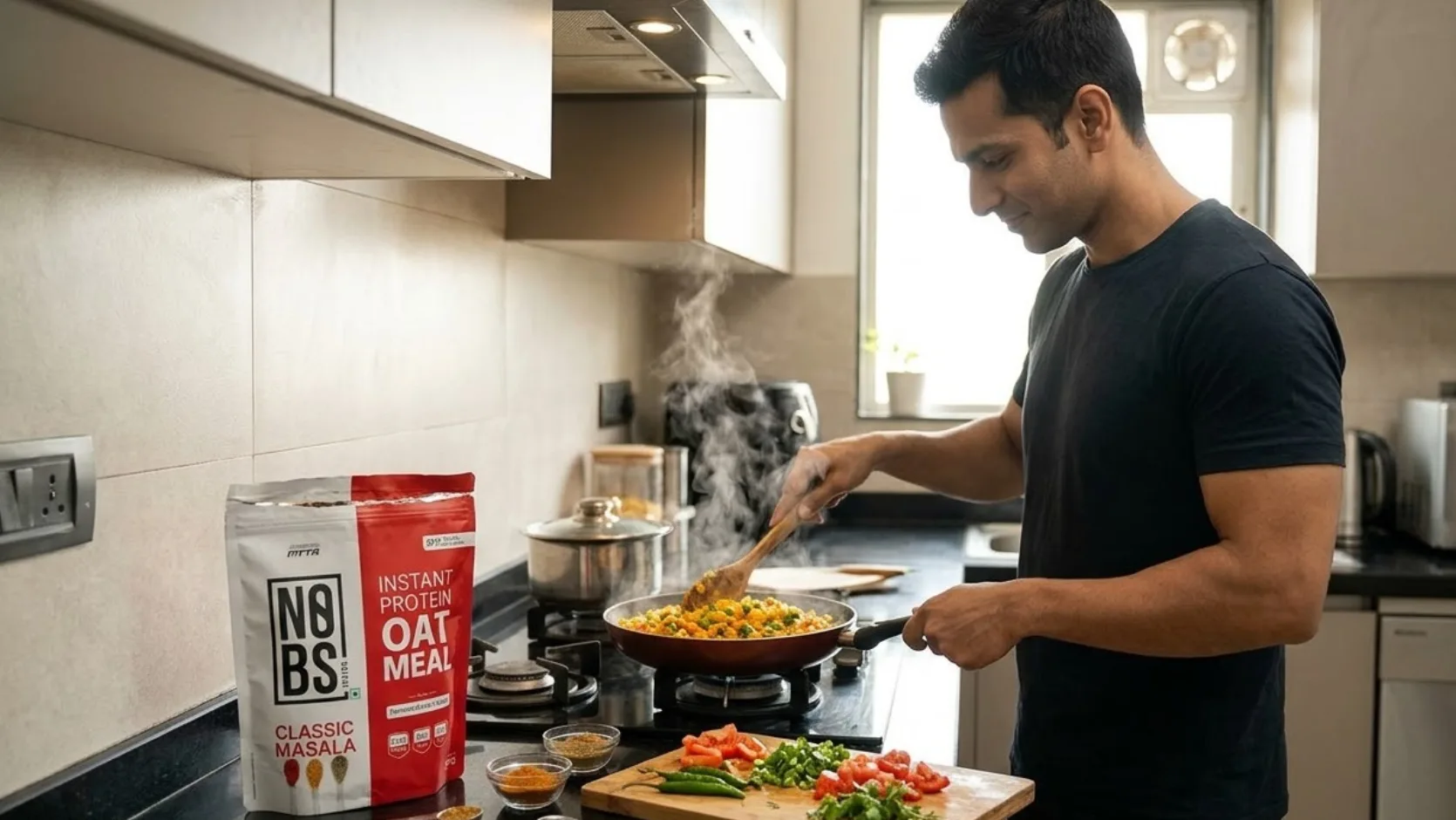
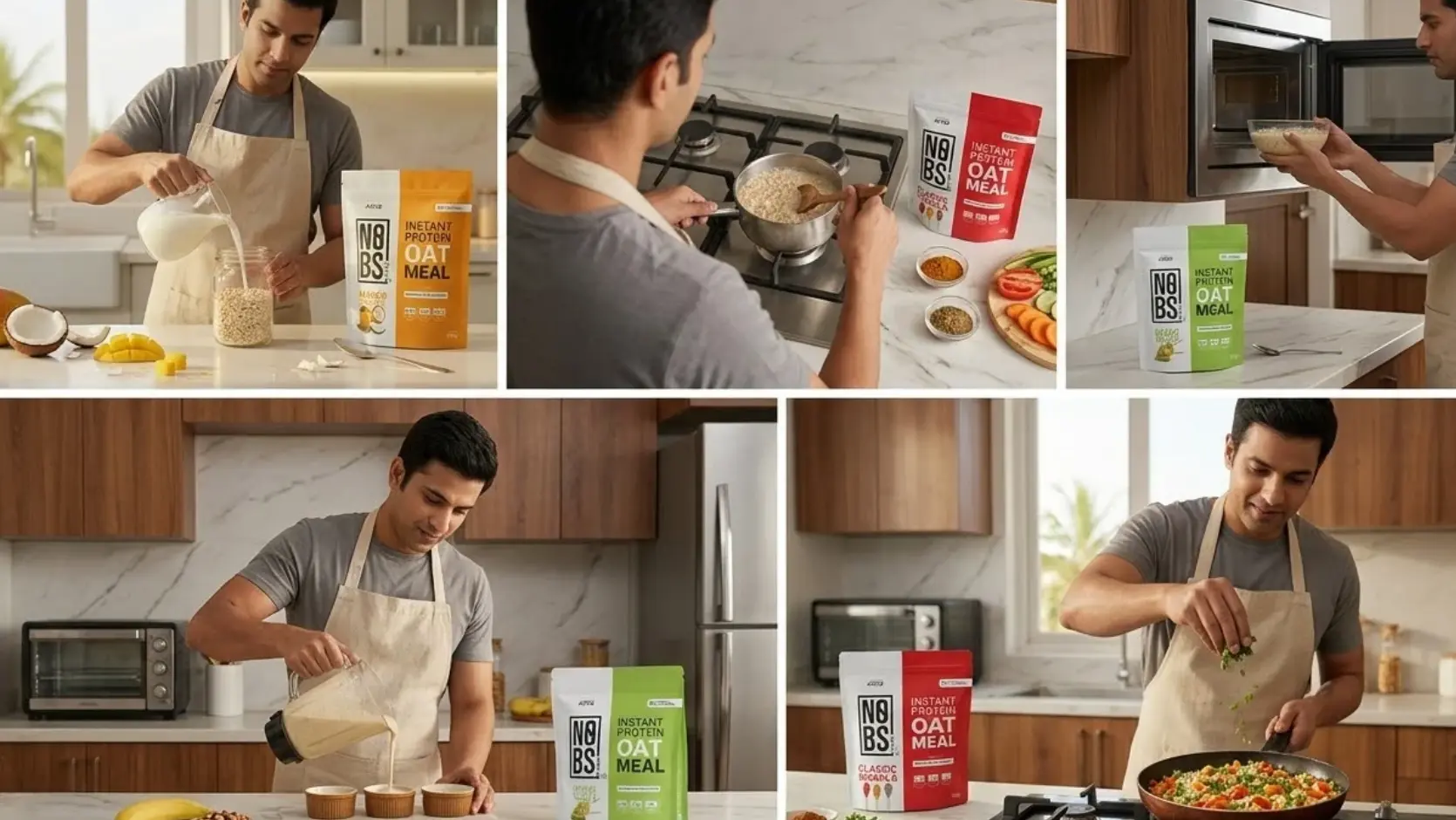
This guide is a buying and decision guide. It explains what makes oats good for weight gain, compares the types you will find on Indian shelves, gives you a label checklist, and shows four high-calorie bowls you can make at home. If you want a ready base with more protein built in, No BS Protein Oats delivers 26-32g of complete yeast protein per serving, and you can add calories on top.
For the step-by-step bulking method, read our clean bulking guide with high protein oats. This post focuses on choosing the right product and building the right bowl.
Is Oats Good for Weight Gain?
Yes – with one condition. Oats help you gain weight only when your total daily intake is above your maintenance calories. Oats are not “fattening” on their own, and they are not “weight loss food” on their own either. They are an energy-dense whole grain – about 389 kcal per 100g dry – that is easy to scale up.
What Makes Oats Useful for a Surplus
- Calorie density you can scale: 70g of dry oats gives about 272 kcal before you add anything.
- Slow, steady energy: complex carbs and fiber fuel long training sessions without a sugar crash.
- Easy to drink: blended into a shake, oats add calories without much chewing, which helps people with a small appetite.
- Pairs with dense add-ons: milk, nut butter, banana, ghee, paneer and eggs all stack well with oats.
The one weak spot is protein. A 50g bowl of plain oats gives only about 8.5g, so the “best” oats for weight gain are the ones you combine with enough protein to make sure the extra weight is more muscle and less fat.
Which Oats Is Best for Weight Gain? Types Compared
Per gram, most plain oat types have similar calories. What changes is cooking time, texture, how fast they digest and how easy they are to eat in large amounts.
| Type | Calories per 100g (dry) | Best for weight gain because… | Watch out for |
| Rolled oats | ~389 kcal | Versatile, quick, easy to eat in big portions | Nothing major – a reliable default |
| Steel-cut oats | ~389 kcal | Chewy, filling, good for savoury bowls | Very filling – can make a surplus harder for small appetites |
| Instant/quick oats | ~380-390 kcal | Fastest to prepare, blend smoothly into shakes | Flavoured packs often add sugar |
| Masala/flavoured oats | varies | Convenient savoury option | Sodium and low protein per sachet |
| Protein oats | varies by brand | Much more protein per serving | Check the protein source and ingredient list |
For most people trying to gain, rolled oats and protein oats are the most practical pair. Read more in our guides to rolled oats, steel cut oats and instant oats.
Why Very Filling Oats Can Work Against You
Weight gain is often an appetite problem. If steel-cut oats keep you full for five hours, you may end up eating less across the day. Hard gainers usually do better with rolled or instant oats, liquid calories and smaller, more frequent meals.
Weight Gain Oats Name: What to Look For on the Label
Searching for a “weight gain oats name” usually leads to flashy packs. Instead of chasing a name, read the back of the pack. Here is a quick label checklist.
- Protein per serving: aim for 15g or more per serving in a protein oats product, or plan to add protein yourself.
- Protein source: complete proteins such as whey, soy or yeast protein give all essential amino acids. Yeast protein with a PDCAAS of 1.0 is a good dairy-free choice.
- Added sugar: a little is fine during a bulk, but sugar should not be the main source of calories.
- Ingredient list length: shorter is usually better – oats, protein, flavour, little else.
- Fillers: avoid packs padded with maltodextrin or cheap starches that add calories but little nutrition.
- Sodium: masala sachets can be high in salt, so balance them with homemade meals.
- Lab testing: brands that publish independently tested nutrition give you more confidence in the numbers.
Our comparison of plain vs flavoured oats explains the sugar and sodium question in more detail.
Protein Oats for Lean Weight Gain
When you eat in a surplus, protein decides how much of the new weight is muscle. Most people who train do well with roughly 1.6-2.2g of protein per kg of body weight per day, spread over 4-5 meals of 25-40g each.
How Protein Oats Make the Maths Easier
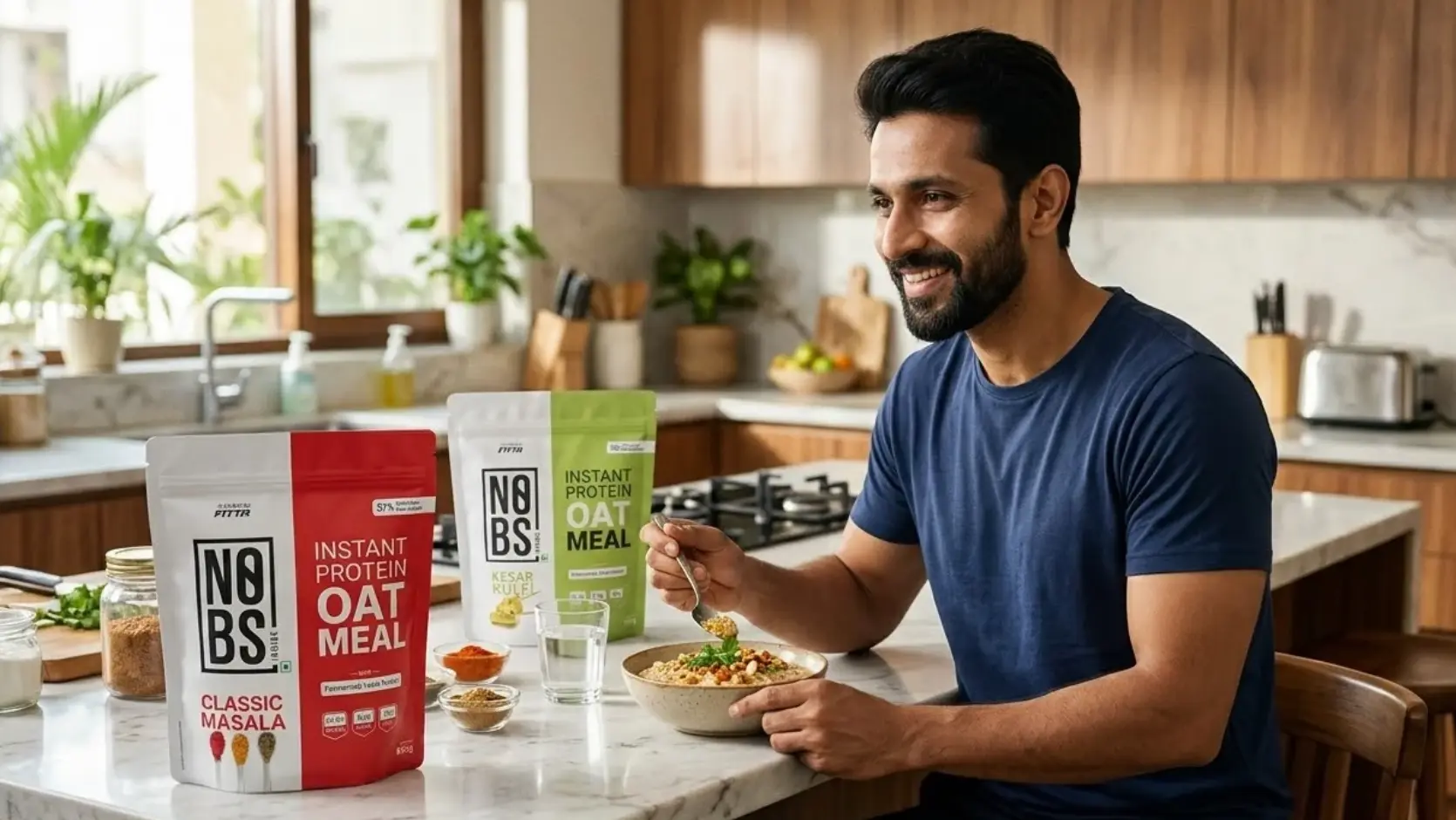
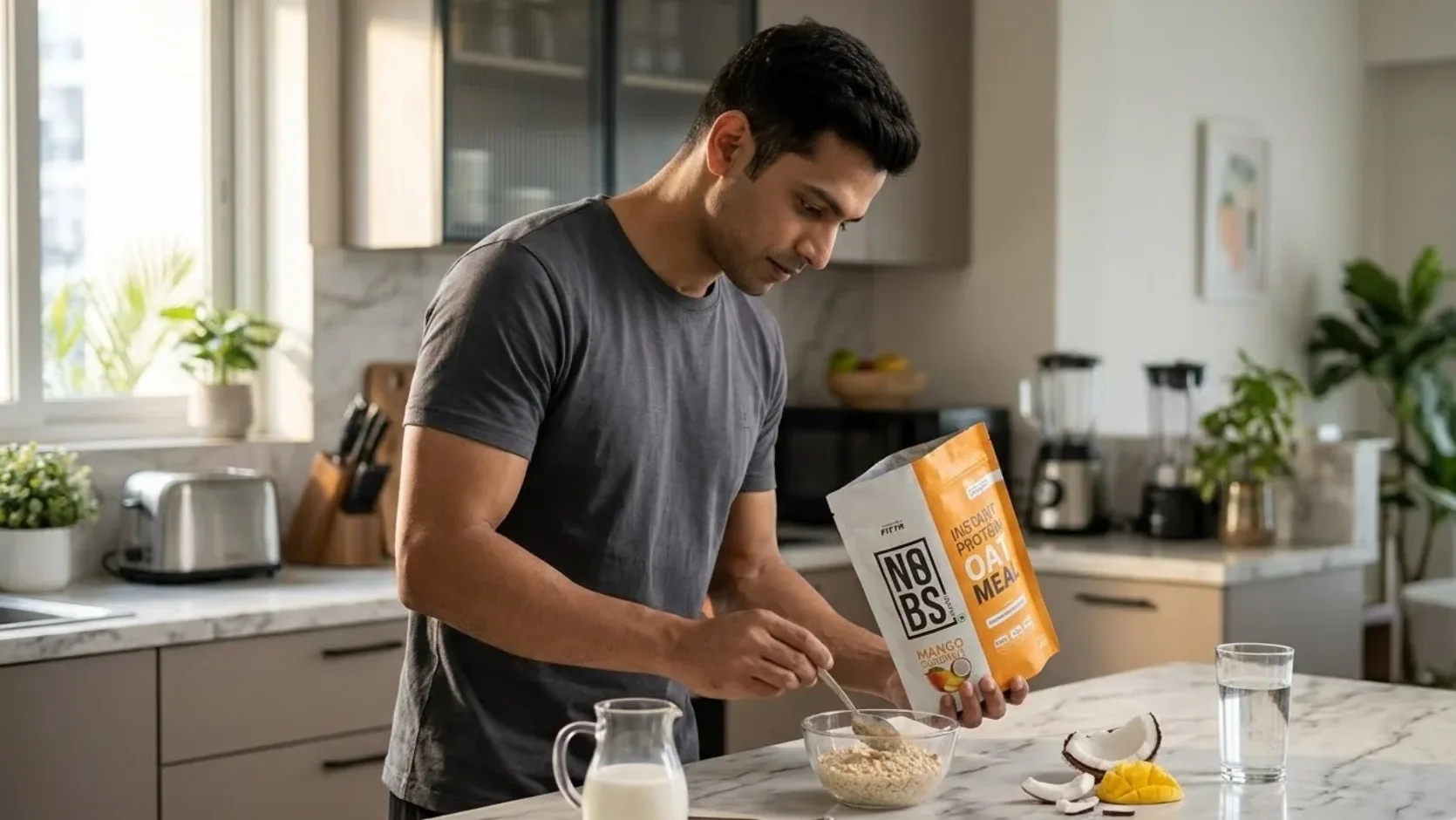
A plain 50g bowl with milk gives about 16g of protein. A protein oatmeal such as No BS Protein Oats gives 26-32g per serving from complete yeast protein, is dairy-free, and has no preservatives or artificial flavours. Add milk, nut butter and fruit and you can reach 40g+ protein and 600+ kcal in one bowl.
The Mango Coconut flavour works well blended into a shake, while Kesar Kulfi suits a warm milk bowl. For more options, see our list of the best high protein oats brands in India.
How Much Oats Should You Eat to Gain Weight?
Start with your maintenance calories using the Fittr BMR calculator, then add 300-500 kcal per day. Oats can supply a large share of that surplus, but they should not be your only food.
| Goal | Oats per bowl (dry) | Bowls per day | Approx. kcal from oats alone |
| Small appetite, slow gain | 50 g | 1-2 | 195-390 kcal |
| Steady lean bulk | 60-70 g | 2 | 470-545 kcal |
| Hard gainer, high activity | 70-100 g | 2-3 | 545-1,170 kcal |
These are oats alone – milk and toppings usually double each bowl.
4 High-Calorie Oats Recipes for Weight Gain
All values below are approximate and use plain rolled oats.
1. Peanut Butter Banana Milk Oats
Cook 70g oats in 300ml full-cream milk. Stir in 1 tbsp peanut butter and top with a sliced banana.
About 736 kcal and 27g protein. Add a scoop of whey for about 856 kcal and 51g protein.
2. Weight Gain Oats Shake
Blend 50g oats, 300ml toned milk, 1 banana, 1 tbsp peanut butter and 10 almonds.
About 639 kcal and 26g protein. Easy to drink if solid food feels like a chore. More ideas are in our oats smoothie recipes.
3. Savoury Egg and Paneer Oats
Cook 60g oats as a savoury upma-style base in 1 tsp ghee with vegetables, then add 2 scrambled eggs and 50g crumbled paneer.
About 578 kcal and 32g protein.
4. Overnight Oats Bulk Jar
Mix 50g oats, 200g Greek yogurt, 150ml full-cream milk, 1 tbsp chia seeds, 1 tsp honey and 10 almonds. Refrigerate overnight.
About 636 kcal and 38g protein.
A Sample Weight Gain Day With Oats
Here is how oats fit into a full day for a 65kg person aiming for about 2,800 kcal and 120-130g protein. Adjust portions to your own numbers.
| Meal | What to eat | Approx. kcal | Approx. protein |
| Breakfast | Peanut butter banana milk oats | 736 | 27 g |
| Mid-morning | Handful of nuts + fruit | 250 | 6 g |
| Lunch | Rice, dal, paneer or chicken curry, salad, curd | 750 | 35 g |
| Post-workout | Protein oats shake with milk | 450-500 | 35-40 g |
| Dinner | 3 rotis, sabzi, dal or eggs | 600 | 25 g |
| Total | ~2,800 | ~130 g |
Common Mistakes When Using Oats for Weight Gain
- Cooking oats in water: you lose an easy 150-250 kcal and 6-10g protein per bowl that milk would add.
- Relying on sugar for calories: spoonfuls of sugar or honey add calories but little nutrition, and can leave you hungry later.
- Ignoring protein: a big carb-only bowl adds weight, but a higher share of it is fat.
- Choosing the most filling oats: if you cannot finish your next meal, switch to rolled or instant oats or drink them.
- Skipping resistance training: without training, extra calories are much less likely to become muscle. See oats for the gym and oats for muscle gain.
- Changing everything after one week: water and food volume make early scale readings noisy. Judge progress over 3-4 weeks.
Tracking Your Gain the Smart Way
The aim is to gain about 0.25-0.5% of your body weight per week. Faster than that usually means more fat; slower may mean your surplus is too small.
Use More Than the Scale
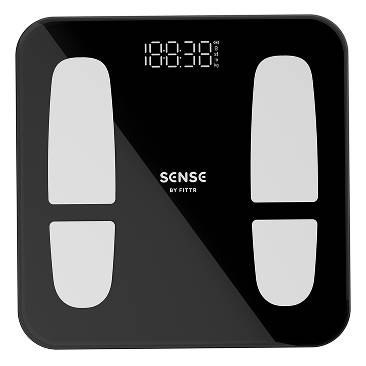
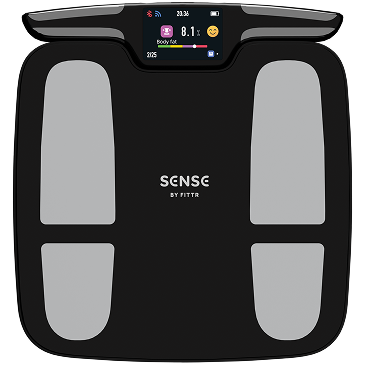
Weigh yourself at the same time each morning and look at the weekly average. Add body composition checks every 2-4 weeks so you know whether you are adding muscle or mainly fat. The SENSE Smart Scale Pro tracks 50+ body composition metrics, so you can see muscle and fat trends instead of guessing. Pair that with strength numbers in the gym and you have a clear picture.
The Bottom Line
The best oats for weight gain are the ones you can eat consistently in a calorie surplus with enough protein. Rolled and instant oats are easiest to eat in large amounts, steel-cut oats suit people with bigger appetites, and protein oats make it much easier to hit your protein target. Read labels for protein, sugar and fillers rather than chasing a brand name.
Cook oats in milk, add dense toppings like nut butter and banana, train with weights and track your weekly trend. That combination turns oats from a “healthy breakfast” into a reliable bulking tool.
Frequently Asked Questions
Which oats is best for weight gain?
Rolled oats and protein oats are the most practical choices because they are easy to eat in large portions and quick to prepare. Protein oats help you reach your protein target so more of the weight you gain is muscle.
Is oats good for weight gain?
Yes. Oats are energy-dense at about 389 kcal per 100g dry and easy to scale with milk, nut butter and fruit. They support weight gain when your total daily intake is above maintenance.
How much oats should I eat daily to gain weight?
Most people use 60-70g of dry oats per bowl, once or twice a day, as part of a 300-500 kcal daily surplus. Calculate your maintenance calories first and adjust portions from there.
Can I gain weight by eating oats with water?
It is possible but harder. Cooking oats in full-cream or toned milk adds about 120-260 kcal and 6-10g protein per bowl, which makes a surplus much easier to reach.
Are protein oats better than regular oats for weight gain?
For lean weight gain, usually yes. Regular oats give about 8.5g protein per 50g, while a protein oatmeal can give 26-32g per serving, helping you build muscle rather than mainly fat.
Choose Smart, Gain Steadily
Best oats for weight gain, which oats is best for weight gain, or the right weight gain oats name – whichever way you search, the answer comes back to calories, protein and consistency.
Start with No BS Protein Oats as your protein-rich base, add milk and toppings for calories, and stock up with the combo pack so your bulk never runs out of fuel.