Why Oats Fit So Naturally Into a Gym Diet
Oats bring a specific combination of sustained-release carbohydrate, moderate protein and useful fiber that suits both sides of a training session – genuinely fuelling the workout ahead and supporting recovery afterward. This is precisely why oats bodybuilding meal plans and general gym diets alike lean on them so consistently.
This guide covers exactly how to use oats before and after training, with practical timing and preparation guidance for genuine results.
Whether you’re training early morning, during a lunch break, or in the evening, the same core principles apply – only the specific timing windows need adjusting to fit your own schedule.
Oats as Pre Workout Fuel
Using oats as pre workout fuel takes advantage of their slow, sustained energy release, which suits a training session lasting 45 minutes to an hour or more far better than a fast-digesting sugar source would.
Why Slow-Release Carbohydrate Suits Training
A quick sugar spike before training often leads to an energy crash partway through the session, while the steadier glucose release from oats helps maintain more consistent energy levels across the full workout, particularly for longer or higher-volume sessions.
How Long Before Training Should You Eat Oats?
Timing genuinely matters for comfort as much as performance, since eating too close to training can cause digestive discomfort during exercise, particularly for high-intensity or high-impact activities.
Finding Your Ideal Window
Eating oats one to two hours before training generally gives enough time for initial digestion while still providing available energy during the session. If you’re training very soon after waking, a smaller, lighter portion closer to 30-45 minutes beforehand can work, though individual tolerance varies considerably.
What to Add to Pre-Workout Oats
A pre-workout bowl benefits from a slightly different composition than a general breakfast, prioritising accessible energy over excessive fiber or fat that might slow digestion right before training.
Building an Effective Pre-Workout Bowl
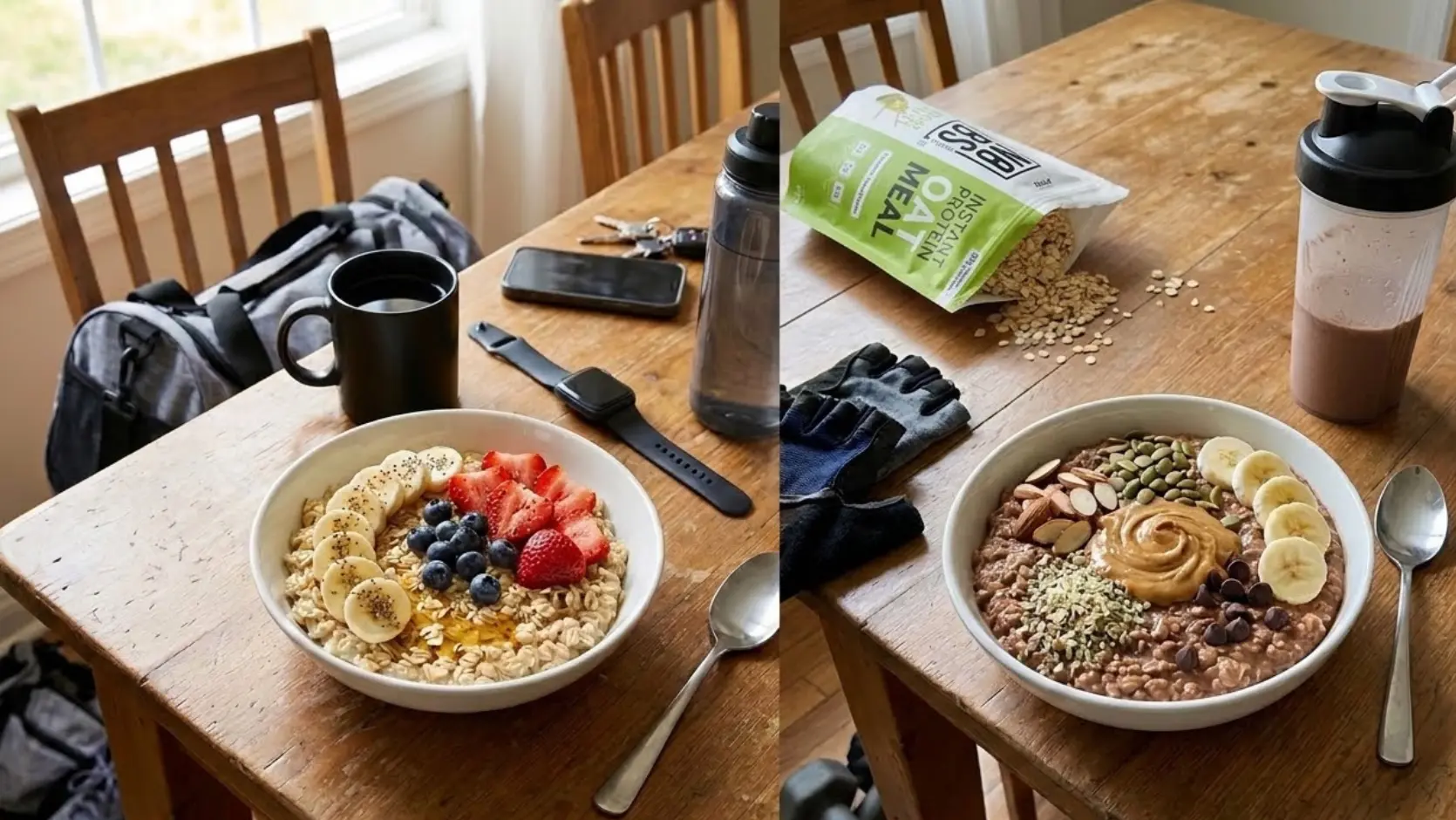
A moderate portion of oats with a banana and a small amount of protein – rather than a very high-fiber, high-fat version loaded with nuts and seeds – tends to sit better before training, since excessive fiber and fat can slow digestion at a time when you want available energy instead.
Some athletes prefer an even simpler pre-workout version, using just oats and a banana without additional protein, saving the more substantial protein-rich meal for after training when recovery becomes the priority instead.
Oats After Training: Supporting Recovery
Post-workout, the priorities shift toward replenishing glycogen and supplying protein for muscle repair, and oats paired with a genuine protein source serve this specific purpose particularly well.
Why This Timing Matters for Recovery
Your body is particularly receptive to replenishing glycogen and using protein for repair in the hours following training, making a carbohydrate-and-protein combination like protein-boosted oats a genuinely sound choice for this window. Fittr’s guide to resistance training and fat loss touches on how nutrition timing interacts with training more broadly.
A Genuine Post-Workout Oats Recipe
This recipe is built specifically around post-training recovery needs, combining carbohydrate replenishment with a substantial protein contribution.
Ingredients and Method
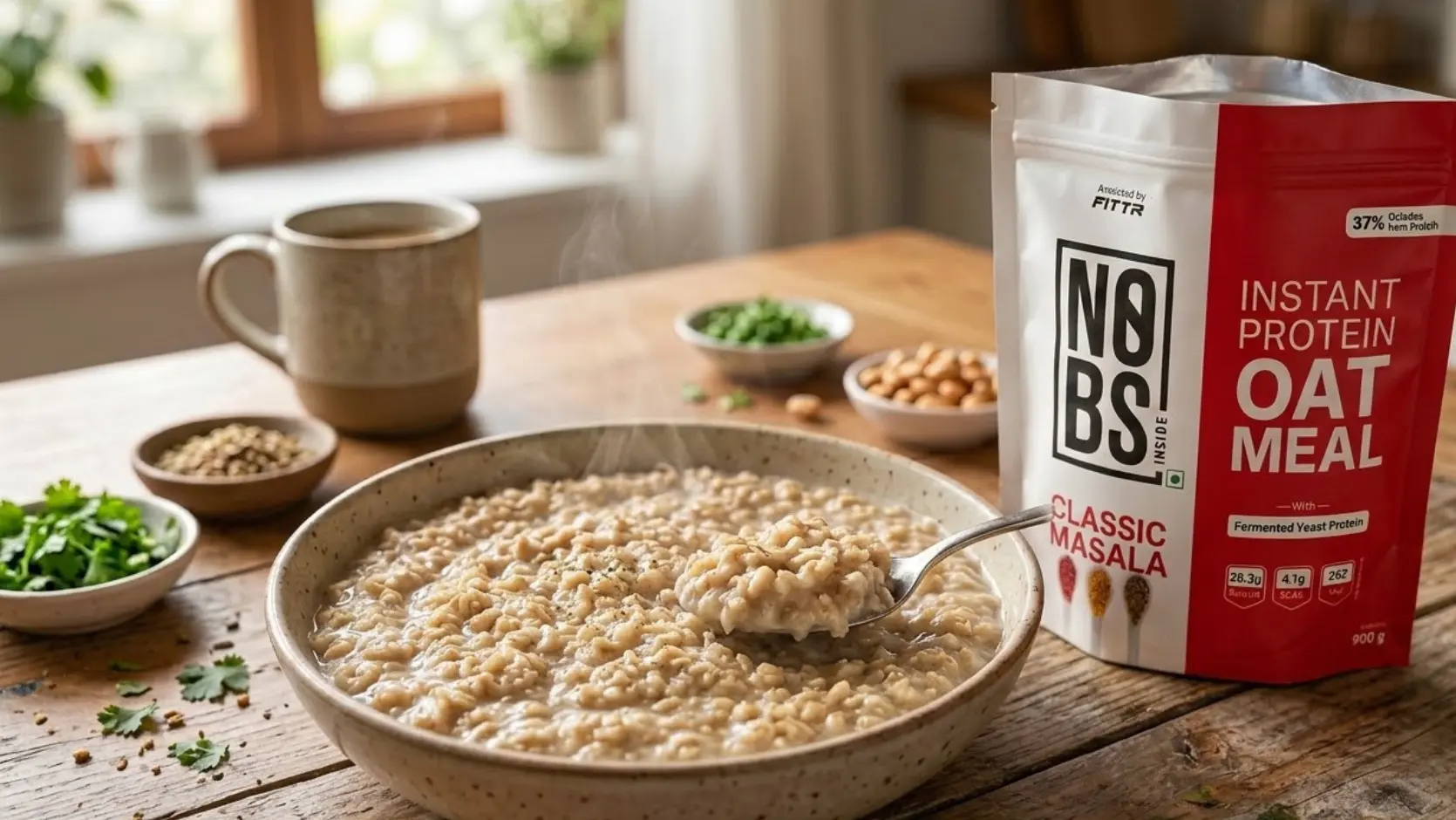
Cook 50g oats in 200ml milk, then stir in a full scoop of protein powder and a sliced banana once slightly cooled. This delivers a substantial recovery meal of roughly 450-500 calories and 35g of protein, well suited to the post-training window.
Oats for Morning vs Evening Training
The exact way you use oats around training can shift somewhat depending on what time of day you actually train, since morning and evening sessions have different practical constraints.
Adjusting for Your Training Schedule
Early morning trainees often need a smaller, faster-digesting pre-workout portion given limited time before the session, while evening trainees typically have more flexibility to eat a fuller oats meal well ahead of training, since the whole day sits between breakfast and their workout.
Oats Gym Diet: Fitting Oats Into Your Full Day
Beyond the immediate pre and post-workout windows, oats can reasonably feature elsewhere in a gym-focused diet, given their usefulness for hitting daily carbohydrate and calorie targets.
Beyond Just Two Meals a Day
Some serious trainees include oats-based meals at both breakfast and post-workout, using different preparations – sweet at breakfast, perhaps savory or shake-format post-workout – to avoid repetition while still leaning on this reliable staple twice in the same day.
Oats Benefits for Gym Goers Beyond Energy
Beyond fuelling and recovery specifically, oats offer broader benefits that support consistent gym attendance and performance over time.
Supporting Overall Training Consistency
The fiber and satiety benefits of oats support better appetite control across the day, which indirectly supports training consistency by helping you avoid the energy crashes and hunger-driven poor food choices that can undermine a structured gym diet over weeks and months.
Oats for Different Training Goals
How you use oats in a gym diet shifts somewhat depending on whether your primary goal is fat loss, muscle gain, or general performance across your training week.
- Fat loss – smaller portions, water or low-fat milk, protein-paired, timed around training for maximum satiety benefit.
- Muscle gain – larger portions, full-fat milk, calorie-dense additions like nut butter, supporting an overall surplus.
- General performance – moderate portions, balanced timing before and after training, prioritising consistent energy over either extreme.
Oats Bodybuilding Meal Prep Tips
For anyone following a structured oats gym diet across a full training week, a little batch preparation genuinely reduces the daily effort involved without sacrificing the benefits.
Preparing Pre and Post-Workout Portions in Advance
Measuring dry oats and protein powder into separate containers for each training day, ready to combine with milk and cook fresh, cuts your active preparation time down considerably while still giving you a genuinely fresh, warm meal around each session rather than a pre-made one sitting in the fridge for days.
Choosing Oats Type Specifically for Gym Use
While any oat type can work around training, the specific demands of pre and post-workout timing make some types more practical than others depending on how much preparation time you realistically have.
Matching Oat Type to Your Training Schedule
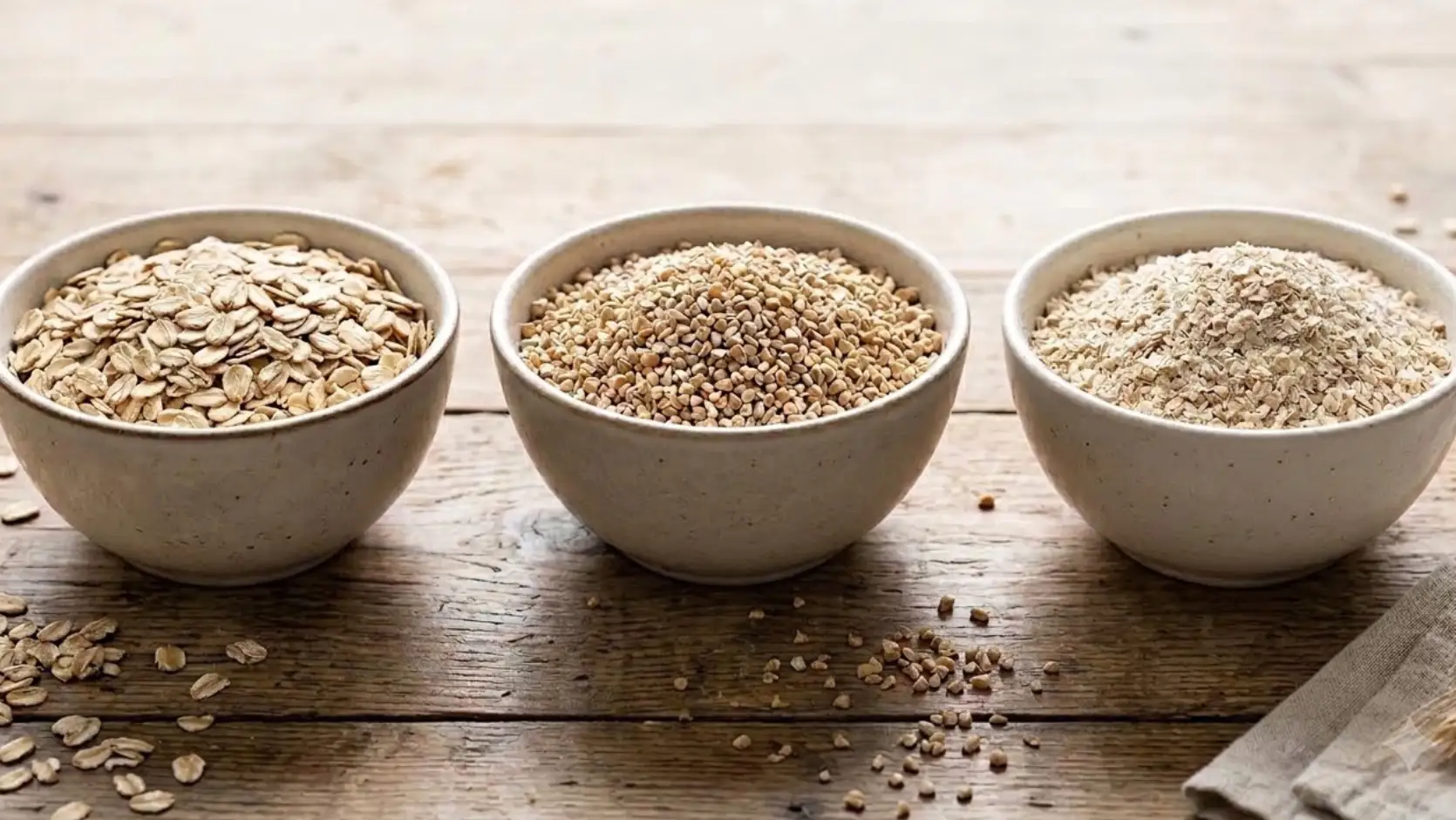
Instant oats suit anyone training very early with limited preparation time, while rolled or steel cut oats – particularly prepared via an overnight soak – work well for training later in the day when there’s more flexibility to plan meals ahead of time.
Common Mistakes With Oats and Gym Training
- Eating a very large, high-fiber oats meal too close to training, causing digestive discomfort during the session.
- Skipping protein entirely in post-workout oats, missing the recovery benefit that pairing provides.
- Using oats as pre workout fuel but choosing a heavily sugared, flavoured version that causes an energy spike and crash.
- Ignoring total daily calorie and protein targets while over-focusing on the timing of oats specifically.
- Assuming oats must be eaten in a rigid, fixed window rather than adjusting timing to personal digestive comfort.
- Overlooking hydration alongside a fiber-rich pre-workout meal, which can affect comfort during training.
Hydration Alongside Oats and Training
While oats themselves don’t directly affect hydration much, it’s worth pairing any pre or post-workout oats meal with adequate water intake, particularly given the fiber content, which requires sufficient fluid to digest comfortably.
A Simple Practical Guideline
Drinking a full glass of water alongside your pre-workout oats, and continuing to hydrate through and after training, supports both digestion of the meal itself and general training performance, which fiber-rich foods can sometimes affect if fluid intake is inadequate.
The Bottom Line
Oats for gym use genuinely earn their reputation, offering sustained energy before training and a solid recovery base after, particularly when paired with a genuine protein source. Adjust portion size, timing and additions based on your specific goal, and oats can become one of the most reliable staples in a structured gym diet.
For more on why oats support fitness goals broadly, see Fittr’s guide to oats for weight loss, and pair your training nutrition with an understanding of the best time to workout for a genuinely well-structured routine.
Over time, paying attention to how your own body responds to oats at different points around training will help you fine-tune the exact timing and portion that works best for your individual digestion and performance.
Frequently Asked Questions
Are oats good as pre workout fuel?
Yes, their slow-release carbohydrate provides sustained energy well suited to training sessions, generally eaten one to two hours beforehand.
Should I eat oats before or after the gym?
Both work well – oats before training provide sustained energy, while protein-paired oats after training support recovery and glycogen replenishment.
What are the best oats for gym use?
Any type works, but a moderate portion with a genuine protein source pre-workout, and a larger protein-boosted portion post-workout, tends to work best.
How long before training should I eat oats?
Generally one to two hours beforehand allows for comfortable digestion while still providing available energy during the session.
Do oats help with muscle recovery after the gym?
Yes, when paired with a protein source, oats support glycogen replenishment and provide building blocks for muscle repair after training.
Strong Workouts Start with Smart Nutrition
Oats for gym, oats as pre workout, or oats bodybuilding – across every phrasing, the practical guidance is the same: sustained energy before training, protein-paired recovery after.
Adjust portion and timing to your own digestive comfort, and oats can become a genuinely reliable staple across your training week.