

When people picture a workout tracker, they imagine a watch on the wrist with numbers flashing mid-run. But a quieter device is increasingly doing the job from your finger: the exercise ring. No screen, no bulk – just continuous tracking of your activity, effort, and recovery. So can a ring really track your workouts, and how does it compare to a watch? This guide explains how exercise rings work, what they track well, and where their honest limits lie. For the broader category, see our explainer on what a smart ring is; here we focus on tracking workouts and exercise specifically.
What Is an Exercise Ring?
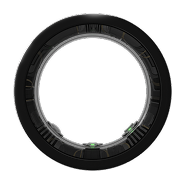
An exercise ring is simply a smart ring used to track your workouts and daily activity. Worn on the finger, it measures movement, heart rate, strain and recovery, and syncs the data to a phone app. It is the same idea as a fitness band, shrunk into a comfortable, screen-free form factor you can wear around the clock – including during and after training.
How an Exercise Ring Tracks Workouts
The tracking happens through a few sensors working together. A motion processor detects movement and can auto-recognise activity such as walking, running or exercising, so you often do not need to start a session manually. Optical sensors read your heart rate to gauge effort, and the app combines these into a picture of your activity and the strain it places on your body. The result builds itself in the background as you move.
What an Exercise Ring Tracks
A capable exercise ring covers the essentials of activity and effort:
Steps and Activity
Daily movement, often auto-detected.
Heart Rate
To gauge how hard you are working.
Strain and Training Load
How much your workouts have taxed your body.
Calories Burned
Estimated from movement and heart data.
Recovery and Readiness
How prepared you are for the next session.
Sleep Tracking
The foundation of recovery, tracked every night.
The Recovery Advantage
Where an exercise ring truly shines is recovery, and this is its biggest edge. By combining sleep, HRV and resting heart rate, it tells you each morning whether your body is ready to push or needs to rest. For anyone who trains regularly, that readiness signal is arguably more valuable than any live workout stat, because it is the difference between steady progress and grinding into fatigue or injury.
Exercise Ring vs Fitness Watch
The honest comparison is about trade-offs.
Ring
A ring wins on comfort, all-day wear, sleep and recovery tracking, and battery life.
Watch
A watch wins on a screen, live on-wrist stats, GPS and notifications. If you train by real-time numbers on a run, a watch suits you; if you care most about activity, recovery and sleep, a ring does.
The Limits: Live Heart Rate and GPS
It is important to be clear-eyed. During grip-heavy training, pressure on the finger can disturb the optical signal, making live heart rate less reliable than a chest strap – a trade-off we explore in our guide to how smart rings read your pulse. Rings also lack built-in GPS, relying on your phone for mapped routes. For pure recovery and activity tracking, these matter little; for live race-pace data they matter more.
Exercise Rings for Different Workouts
How well a ring suits you depends on your training. For running and cycling, it tracks effort and recovery well, though a watch adds live pace and GPS. For lifting, it is comfortable and excellent for recovery, with the live-heart-rate caveat. For yoga, walking and everyday movement, its comfort makes it ideal. For swimming, its slim, water-resistant build is unobtrusive. Across the board, it is the recovery and consistency that stand out.
Pairing With a Phone or Watch
A smart setup often combines devices. Pair the ring with your phone for GPS on outdoor workouts, or wear a watch for live stats during sessions and the ring for sleep, recovery, and round-the-clock comfort. The two complement rather than compete, giving you live data when you want it and effortless recovery tracking the rest of the time.
Don’t Forget Body Composition
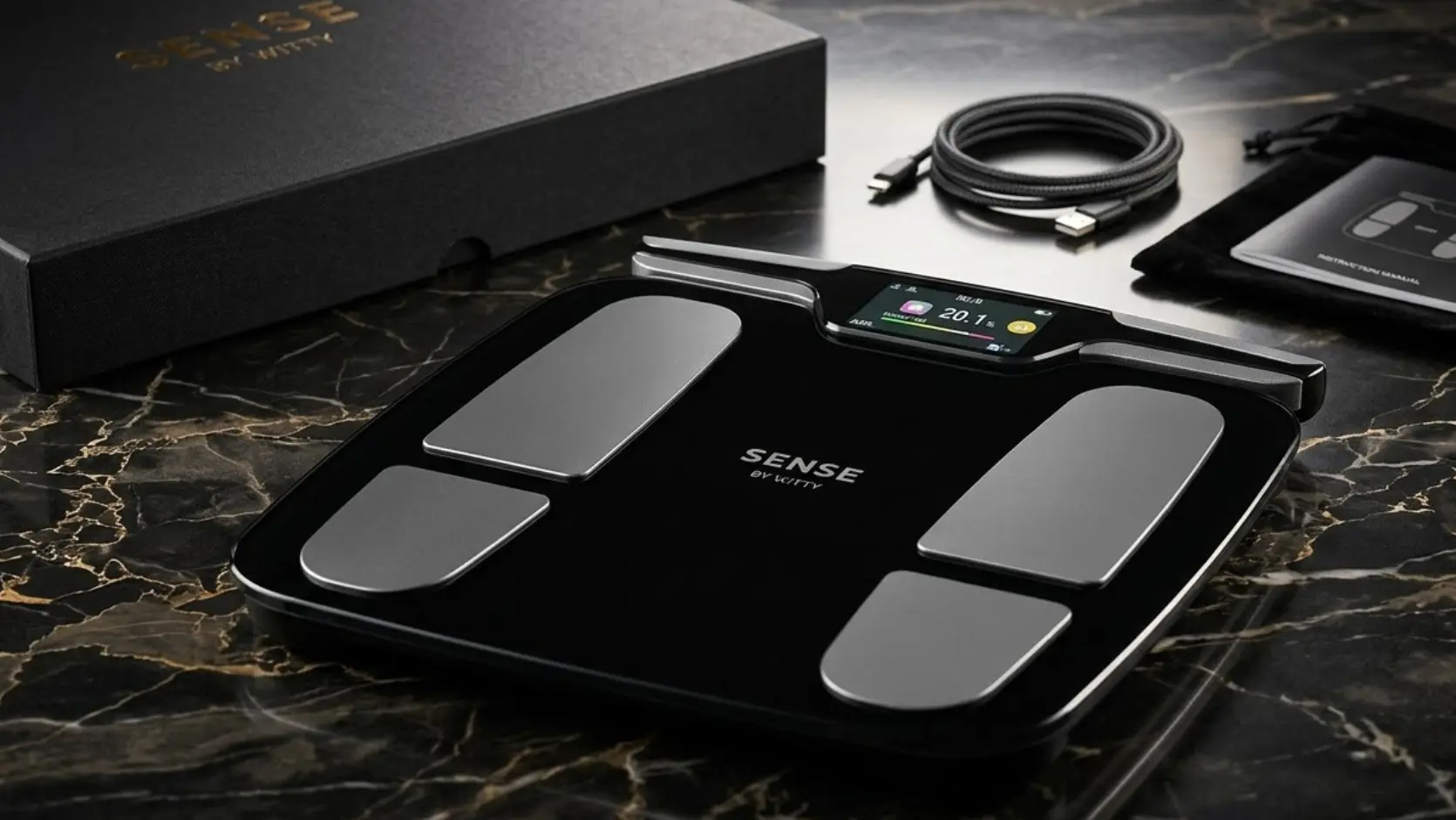
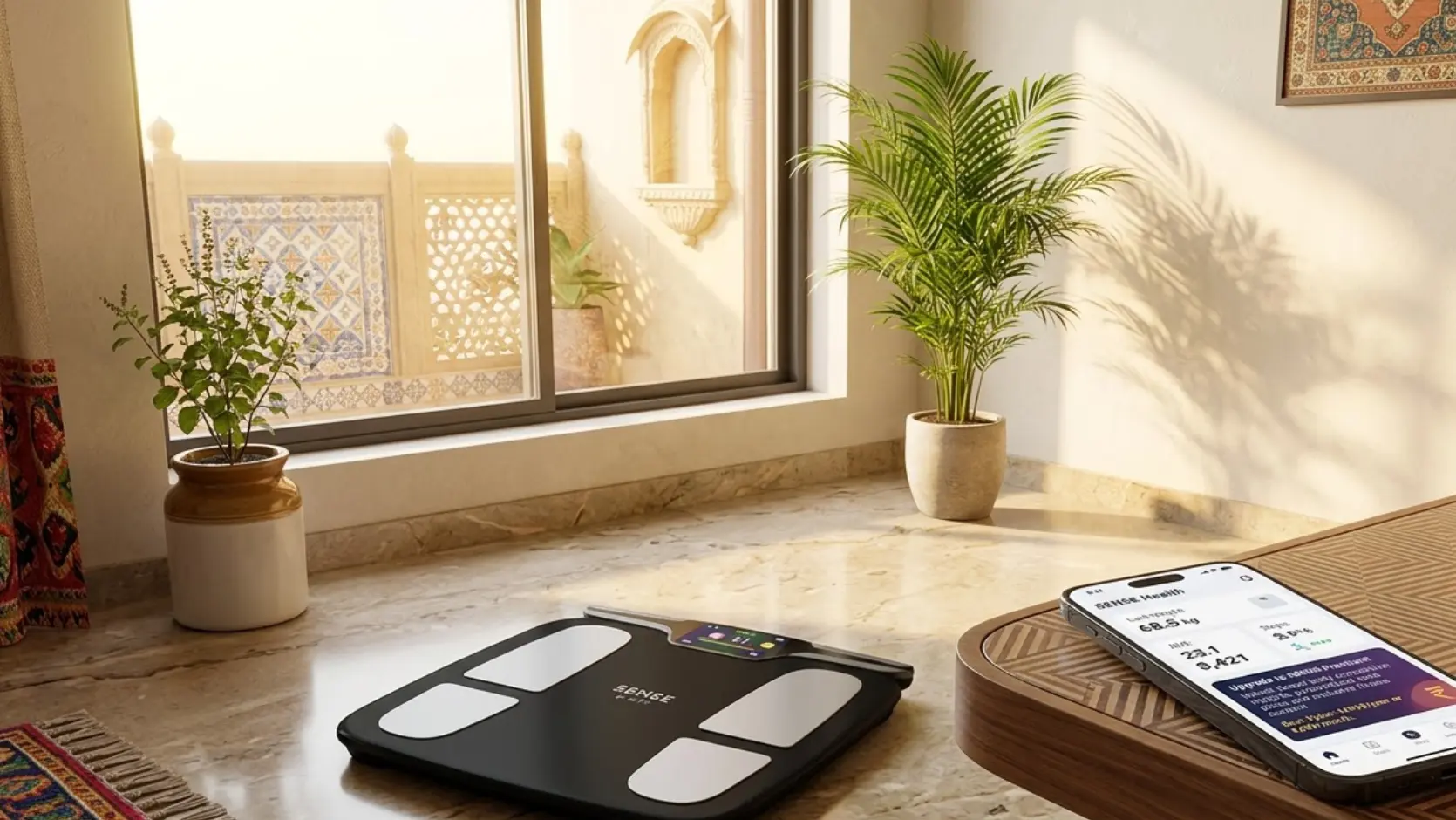
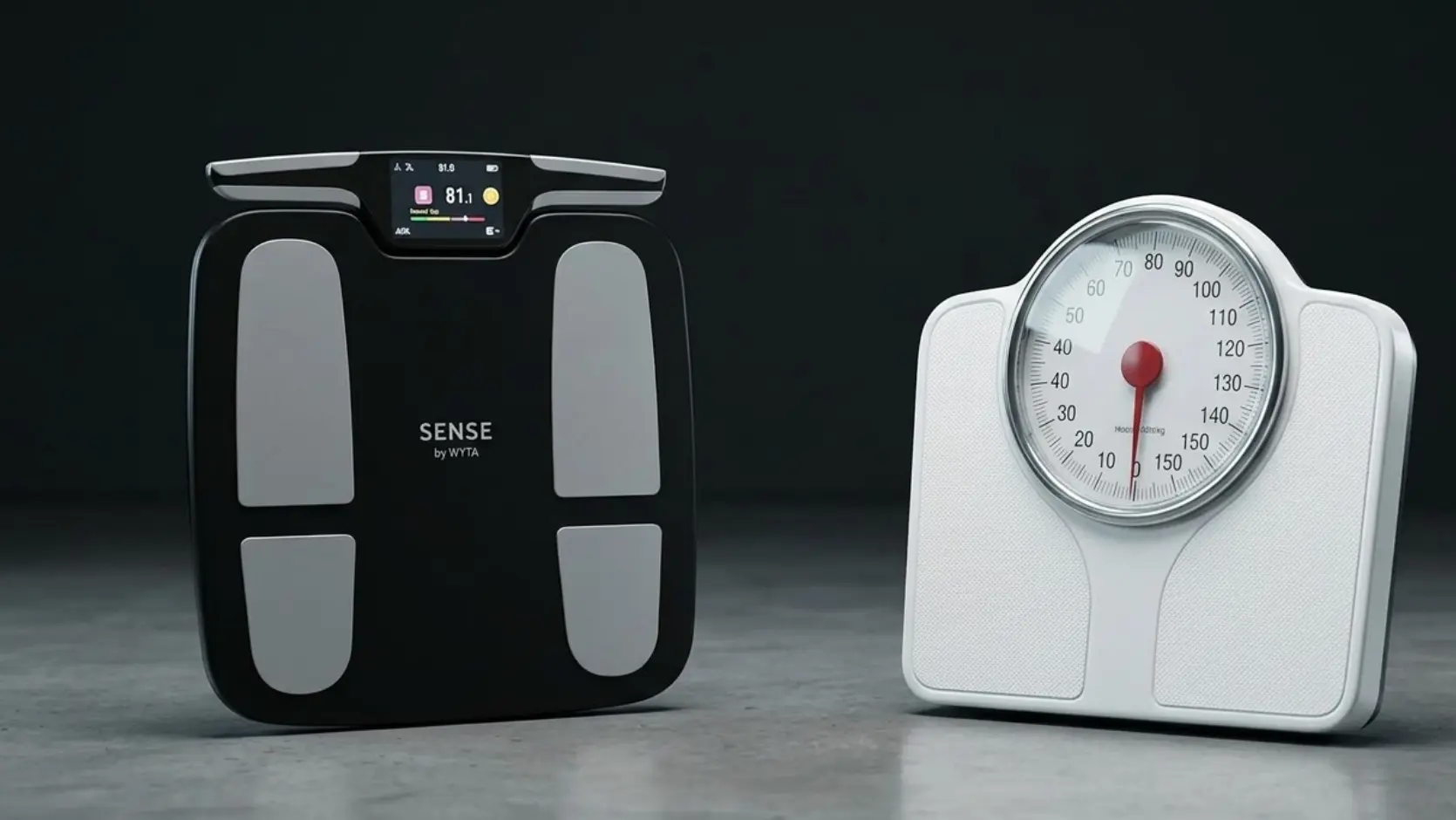
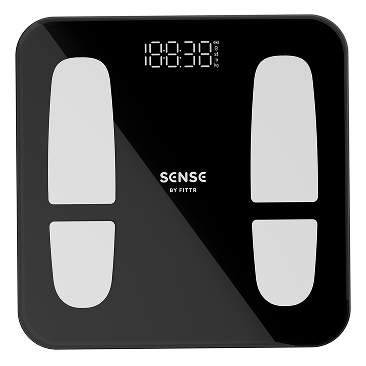
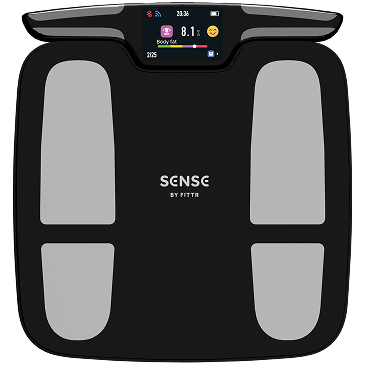
One thing no exercise ring tracks is body composition. For fat loss and muscle gain, pair the ring with a smart scale like FITTR Sense, or check your numbers with a body fat percentage estimate. The ring tracks how your body performs and recovers; the scale tracks how it is changing.
How to Use an Exercise Ring Effectively
To get real value, wear the ring consistently, including overnight, so its recovery and readiness data is complete. Act on the readiness score – push on green days, ease off on red ones – and read weekly trends rather than reacting to single sessions. Used this way, an exercise ring becomes a genuine training partner rather than just a step counter.
Example: The FITTR HART
As an example, the FITTR HART auto-detects activity, tracks strain, recovery, heart rate and VO2 max, and lasts about 8 days per charge with no subscription – covering the activity and, crucially, the recovery side of training from one comfortable band.
Why Recovery Beats Live Stats for Most People
It is tempting to assume live workout numbers are what matter most, but for the majority of people, recovery is the bigger lever. Live heart rate tells you how hard a single session is; recovery and readiness tell you whether you should be training hard at all that day. Over weeks and months, training in tune with your recovery – rather than grinding through every session regardless – is what produces steady progress and prevents burnout.
Strain and Recovery: The Balance
The core principle an exercise ring teaches is balance. Strain reflects the load you place on your body; recovery reflects how well you bounce back. Keeping the two in a healthy relationship over time is the essence of smart training. Chronically high strain with low recovery is the recipe for fatigue and injury, and a ring makes that imbalance visible early, while you can still adjust.
Auto-Detection in Detail
A nice convenience of exercise rings is automatic activity detection. Because the motion processor recognises movement patterns, a walk, run or workout is often logged without you starting and stopping anything. That hands-off approach suits the way a ring is worn – always on, never fussed with – so your activity picture builds itself in the background rather than relying on you to remember to track every session.
Exercise Rings and Consistency
The quiet superpower of an exercise ring is consistency. Because it is comfortable and lasts days per charge, you actually wear it all the time, which means uninterrupted activity, sleep, and recovery data. A tracker you wear every day, including the rest days that matter for recovery, gives a far truer picture than one you put on only for workouts and forget the rest of the time.
Common Mistakes With Exercise Rings
A few habits blunt a ring’s value for training:
- Expecting accurate live heart rate during heavy, grip-based lifts.
- Reacting to single sessions instead of weekly trends.
- Ignoring the recovery score and training hard regardless.
- Wearing it too loosely and getting noisy data.
- Forgetting body composition, which a ring cannot measure.
Getting Started With an Exercise Ring
Setting up is simple, but two habits make the difference. Use the sizing kit so the fit is snug, since a loose ring gives patchy data, and wear it consistently for the first week or two while it learns your baseline. After that, the activity, strain and recovery scores become specific to you, and the ring shifts from collecting numbers to genuinely guiding your training.
Exercise Rings and Weight Loss
For weight loss, an exercise ring helps in an indirect but powerful way. It does not measure body fat, but by tracking activity, sleep, and recovery, it supports the habits that drive fat loss – staying active, sleeping well, and managing stress. Pair it with an understanding of your total daily energy expenditure and a smart scale for body composition, and you have both the behaviour and the results covered.
Tracking Different Intensities
An exercise ring captures effort across the full range of intensity, from a gentle walk to a hard interval session. By reading your heart rate and movement, it reflects how demanding each bout of activity was and folds that into your overall strain. This helps you see the difference between a genuinely tough day and an easy one, and ensures light movement still counts toward your activity picture.
Reading Your Workout Data
The most successful users treat the data as a guide, not a scoreboard. They look at weekly activity and recovery trends rather than judging a single session, use the readiness score to plan hard and easy days, and connect how they trained with how they recovered. Read this way, an exercise ring nudges genuinely better training decisions instead of just tallying numbers for their own sake.
The Bottom Line for Active People
For most active people, an exercise ring earns its place by covering activity and, above all, recovery from a band you barely notice. It will not replace a watch for live race data or a scale for body composition, but as a comfortable, always-on training companion that tells you when to push and when to rest, it is hard to beat. Wear it consistently and act on what it shows.
Exercise Rings for Beginners
You do not need to be an experienced athlete to benefit from an exercise ring. For someone just starting out, it offers gentle, judgment-free feedback – encouraging more daily movement, highlighting the value of sleep, and showing when to rest. Because it works passively in the background, a beginner is not overwhelmed by complex live stats; they simply build healthier habits guided by a few clear signals, which is exactly the right place to start.
Frequently Asked Questions
What is an exercise ring?
An exercise ring is a smart ring that tracks your workouts and activity – steps, movement, heart rate, strain, and recovery – from your finger, syncing to a phone app.
Can a ring track my workouts?
Yes. A ring auto-detects activity and tracks movement, heart rate and strain, and is excellent for recovery. For live heart rate during grip-heavy training, a chest strap is more accurate.
Do exercise rings have GPS?
No. Rings rely on your phone for GPS rather than building it in, to stay small and long-lasting. For mapped runs, pair the ring with your phone or a watch.
Are exercise rings good for the gym?
They are great for tracking recovery and readiness, which guide your training. Live lifting heart rate is less reliable because gripping a bar disturbs the finger signal.
Can a ring replace a fitness watch for exercise?
For recovery, activity, and sleep, often yes; for live on-screen workout stats and GPS, a watch is better. Many people use both.
Train Smarter with Every Workout
An exercise ring, workout ring, or ring to track fitness monitors your workouts and, more importantly, your recovery, all from a comfortable band you can wear day and night. It will not replace a watch for live race stats or a scale for body composition, but for understanding your activity and training smart, a capable ring like the FITTR HART earns its place. Wear it consistently, act on the recovery data, and let it guide your training day by day.