





The Number on the Scale Isn’t Always What You Think
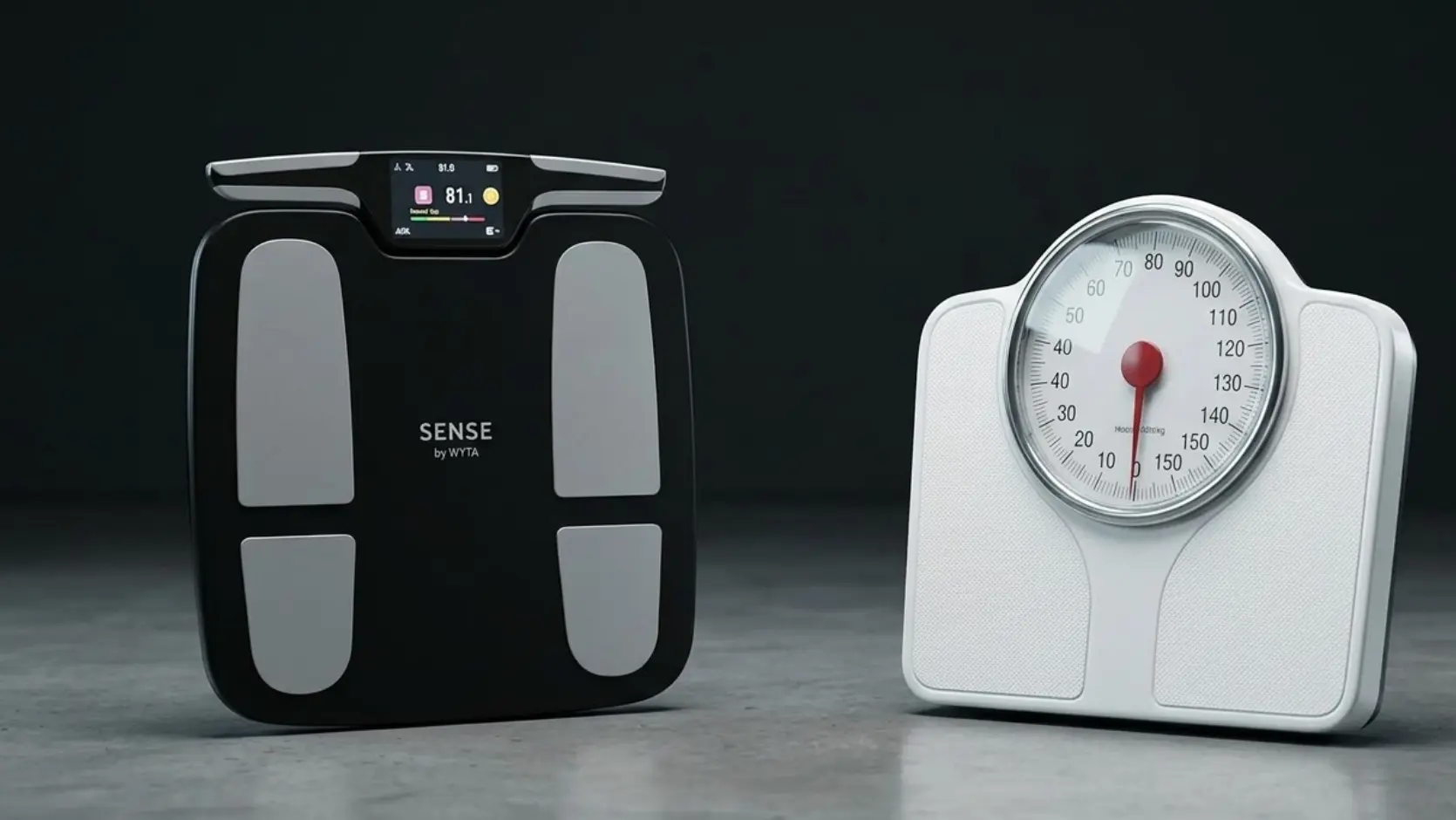
Step on a body scale and you get a number in seconds, but knowing what that body scale weight actually represents – and what it does not – is where most people go wrong. A single reading can mislead you if you do not understand what is behind it. This guide breaks down exactly what your body weight machine is measuring, why the number moves the way it does, and how to read it correctly so it actually helps rather than confuses you. By the end, you will be able to look at any body scale reading and know exactly what it is telling you – and what it isn’t.
What Your Body Scale Weight Actually Measures
At its simplest, a body scale measures the downward force your body exerts due to gravity, converting that into a weight reading through load sensors beneath the platform. It is measuring total mass at that exact moment – nothing more, nothing less. This is an important starting point, because that single number includes everything: muscle, fat, water, bone, undigested food, and anything else contributing to your mass right then. It is a snapshot, not a diagnosis.
Why Your Weight Changes Throughout the Day
Body scale weight can swing by a kilogram or more between morning and evening, and this is completely normal. Food and water intake add weight temporarily, sweat and urination remove it, and even breathing and digestion shift the number slightly. This is why consistency in when you weigh matters more than almost any other factor. Weighing first thing in the morning, before eating or drinking, gives the most stable, comparable reading day to day on your body weight machine.
Understanding Daily Fluctuations
A day-to-day jump on your body scale rarely reflects real fat gain or loss – actual fat change happens slowly, over weeks, through a sustained calorie surplus or deficit. Daily swings are almost always water, food volume, or hormonal shifts, especially around a woman’s menstrual cycle. Sodium intake is a particularly common cause of a sudden increase, since salt causes the body to retain water temporarily. A single salty meal can show up as an extra kilogram the next morning that has nothing to do with fat.
Weight vs Body Composition Readings
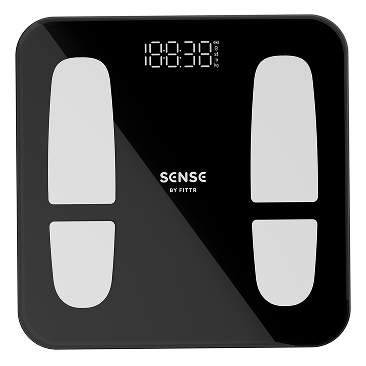
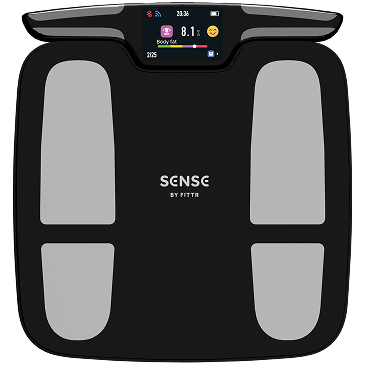
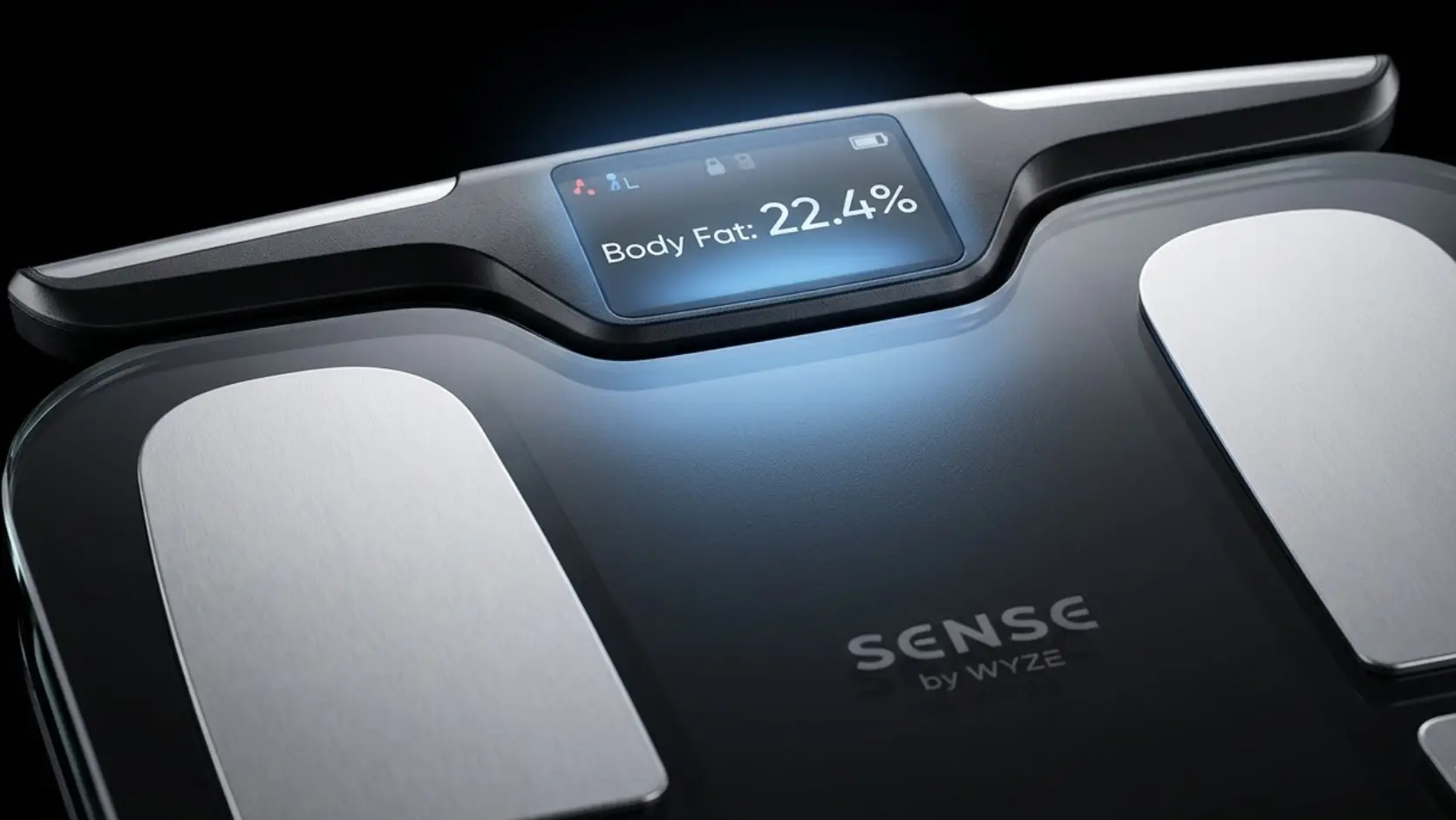
If your body scale also reports body fat percentage, muscle mass or water percentage, understand that these are estimates from bioelectrical impedance, not lab-precise measurements. They are most useful as trends over weeks, not as exact figures. The weight reading itself is far more precise than the body composition estimates, since it is a direct mechanical measurement, while composition figures are calculated indirectly and shift more with hydration and timing.
How to Read a Trend Instead of a Single Number
The single biggest shift in mindset that makes a body weight machine useful is looking at the trend over one to two weeks rather than any individual reading. Plot your weigh-ins, or let your scale’s app do it, and look at the overall direction of the line. A trend moving steadily in the direction you want – down for fat loss, up for a lean bulk – is meaningful progress, even if individual days bounce around that line. This is the correct way to read body scale weight for anyone serious about tracking change.
What a “Normal” Weight Fluctuation Looks Like
For most adults, a daily swing of half a kilogram to one and a half kilograms is entirely normal and not worth worrying about. Anything within that range on your body scale is almost certainly water and food weight, not fat. Sustained changes – the same higher or lower reading holding for a week or more – are the signal that something real has shifted, whether that is genuine fat loss, muscle gain, or a change in habits worth paying attention to.
Common Misreadings and How to Avoid Them
A few habits lead people to misread their body weight.
Weighing at Different Times of Day
Weighing at different times of day and comparing those numbers directly is one of the most common mistakes, since morning and evening weight are simply not comparable.
Weighing on Different Surfaces
Weighing on different surfaces – carpet one day, tile the next – introduces inconsistency that has nothing to do with your body.
Standing Off-Centre on the Platform
Standing off-centre on the platform can also skew a reading slightly, particularly on cheaper single-sensor scales.
Factors That Genuinely Move the Number
Beyond fat and muscle change, several legitimate factors shift your body weight meaningfully. Water retention from high sodium intake, intense exercise causing temporary inflammation, hormonal cycles, and even a large recent meal all show up on the scale. Understanding these factors prevents the common mistake of attributing every uptick to fat gain, when the far more likely explanation is one of these temporary, harmless causes.
When to Trust the Number and When to Ignore It
Trust your body weight machine for the trend it reveals over two or more weeks of consistent weigh-ins. Treat any single day’s number, especially one that seems surprisingly high or low, with healthy scepticism rather than immediate concern. If a number seems off, the first thing to check is consistency – same time, same surface, same conditions as your usual weigh-in – before assuming anything has changed about your body itself.
Common Myths About Body Scale Readings
A few misconceptions deserve a direct correction.
- A higher reading the morning after a salty meal does not mean you gained fat overnight.
- Weighing multiple times a day does not give you more accurate information, just more noise to interpret.
- Two different body scales disagreeing slightly does not mean either one is broken – each is its own consistent reference point.
- Body composition percentages on a home scale are trend indicators, not diagnostic-grade measurements.
- A stalled number for a week does not automatically mean no progress – body recomposition can happen with a static weight.
The Bottom Line
Your body scale weight is a precise measurement of total mass at one moment, shaped by far more than fat alone – hydration, food, sodium and hormones all play a role. Reading it correctly means weighing consistently and judging progress by the trend, not any single day’s number. Understand what your body weight machine is really telling you, and it becomes a genuinely useful tool for tracking real change, instead of a source of daily frustration over numbers that were never meant to be read in isolation.
How Exercise Temporarily Affects Body Scale Weight
Intense training sessions can cause a temporary increase in body scale weight due to inflammation and water retention in the muscles being worked, a normal part of the recovery process rather than fat gain. This is particularly noticeable after starting a new resistance training programme or significantly increasing training intensity. This effect, sometimes called water retention from muscle repair, typically resolves within a few days to a week as the body adapts. Weighing yourself the morning after a particularly hard leg day, for example, and seeing a higher number than usual is a well-documented, harmless pattern rather than a sign anything has gone wrong. Understanding this prevents a common source of frustration – abandoning a good training programme because the body weight machine seemed to move in the wrong direction, when the real cause was simply normal short-term recovery inflammation.
When to See a Professional About Weight Changes
While most fluctuations on a body scale are explained by food, water, sodium or exercise, a sudden and sustained change without any clear cause – particularly unexplained weight loss – is worth mentioning to a doctor rather than only tracking on your body weight machine. Rapid, unintentional weight change over a short period, especially alongside other symptoms, falls outside the range of normal daily scale fluctuation and deserves proper medical attention rather than home tracking alone. Your body scale is a useful daily tool, not a diagnostic device, and recognising that distinction matters for your health.
The Role of Sleep in Body Scale Weight
Sleep quality and duration influence next-morning body scale weight more than most people realise, both through direct hydration effects and hormonal shifts in cortisol and other hormones that affect water retention. A poor night’s sleep can show up as a slightly higher reading the next day, unrelated to any real change in fat or muscle. Over a longer period, chronic poor sleep is also linked to changes in appetite hormones that can affect eating patterns and, indirectly, body scale weight trends over weeks. This is one more reason to weigh consistently and judge by the trend, since a single post-poor-sleep reading is not representative of your genuine progress.
Travel, Time Zones and Body Scale Weight
Travel commonly disrupts the routine that makes body scale weight readings comparable – different meal timing, unfamiliar food, changed activity levels, and sometimes a different scale altogether at your destination. Expecting some fluctuation during and immediately after travel is realistic, rather than a sign of anything going wrong. The most practical approach is to pause strict day-to-day comparison during travel and simply resume your normal weigh-in routine once you are back to your regular environment and schedule, letting the trend re-stabilise over the following week rather than reacting to travel-affected numbers in isolation.
Body Scale Weight and Hormonal Cycles
For women, the menstrual cycle is one of the most significant, predictable drivers of body scale weight fluctuation, with water retention typically peaking in the days before menstruation and easing afterward, independent of any change in fat or muscle. Understanding this cyclical pattern helps avoid misreading a temporary premenstrual increase as a setback in progress. Tracking weight alongside where you are in your cycle, even informally, can help distinguish this predictable hormonal fluctuation from genuine longer-term trend changes, making your body weight machine data far easier to interpret accurately across a full month rather than reacting to each individual reading in isolation.
Building a Simple Weekly Weigh-In Routine
A practical way to apply everything covered here is a simple weekly routine: choose one consistent morning, weigh yourself under the same conditions – after using the bathroom, before eating or drinking – and log the number in a notes app or your scale’s companion app. Repeat this every week without exception. Over a month, plot these four or five numbers and look only at the overall direction. This simple habit removes nearly all the confusion that comes from over-interpreting daily body scale weight swings, and turns your body weight machine into a genuinely reliable tool for tracking real change over time.
What to Do If Two Family Members’ Numbers Seem Odd
In a shared household, it is common for family members to notice their body scale weight numbers seem unusually different from what they expected based on how they look or feel compared to another family member. Remember that body scale weight reflects total mass only – it says nothing about height, frame size, muscle distribution, or overall body shape. Comparing your own number to someone else’s is rarely useful information, since healthy weight ranges vary enormously by height, frame, sex and muscle mass. The only comparison that matters on a body weight machine is your own reading against your own past readings, tracked consistently over time.
Frequently Asked Questions
Why does my body scale weight change every day?
Daily changes are mostly due to food and water intake, sodium, exercise and hormones, not real fat gain or loss.
What is a normal daily weight fluctuation?
A swing of half a kilogram to one and a half kilograms between days is typical and not a cause for concern.
Is the weight reading on a body scale accurate?
Yes, the weight measurement itself is precise; it is body composition estimates like fat percentage that are less exact.
How should I read my body weight machine correctly?
Weigh at a consistent time, ideally each morning, and track the trend over one to two weeks rather than focusing on single readings.
Why did my weight jump after a salty meal?
Sodium causes the body to retain water temporarily, which can add a kilogram or more to your body scale reading the next day.
Understand Your Numbers, Transform Your Health
Your body scale weight, that daily scale reading, or simply your bodyweight number is shaped by far more than fat alone – hydration, food, sodium and hormones all play a role. Reading it correctly means weighing consistently and trusting the trend over any single day’s number. For a fuller picture beyond the scale, Fittr’s body fat calculator and clinical nutrition articles can help you understand what’s really driving your numbers week to week.