
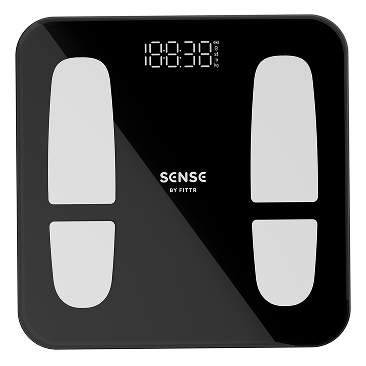
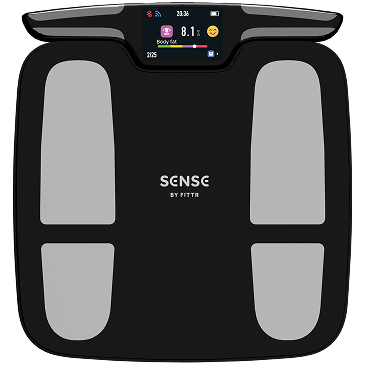




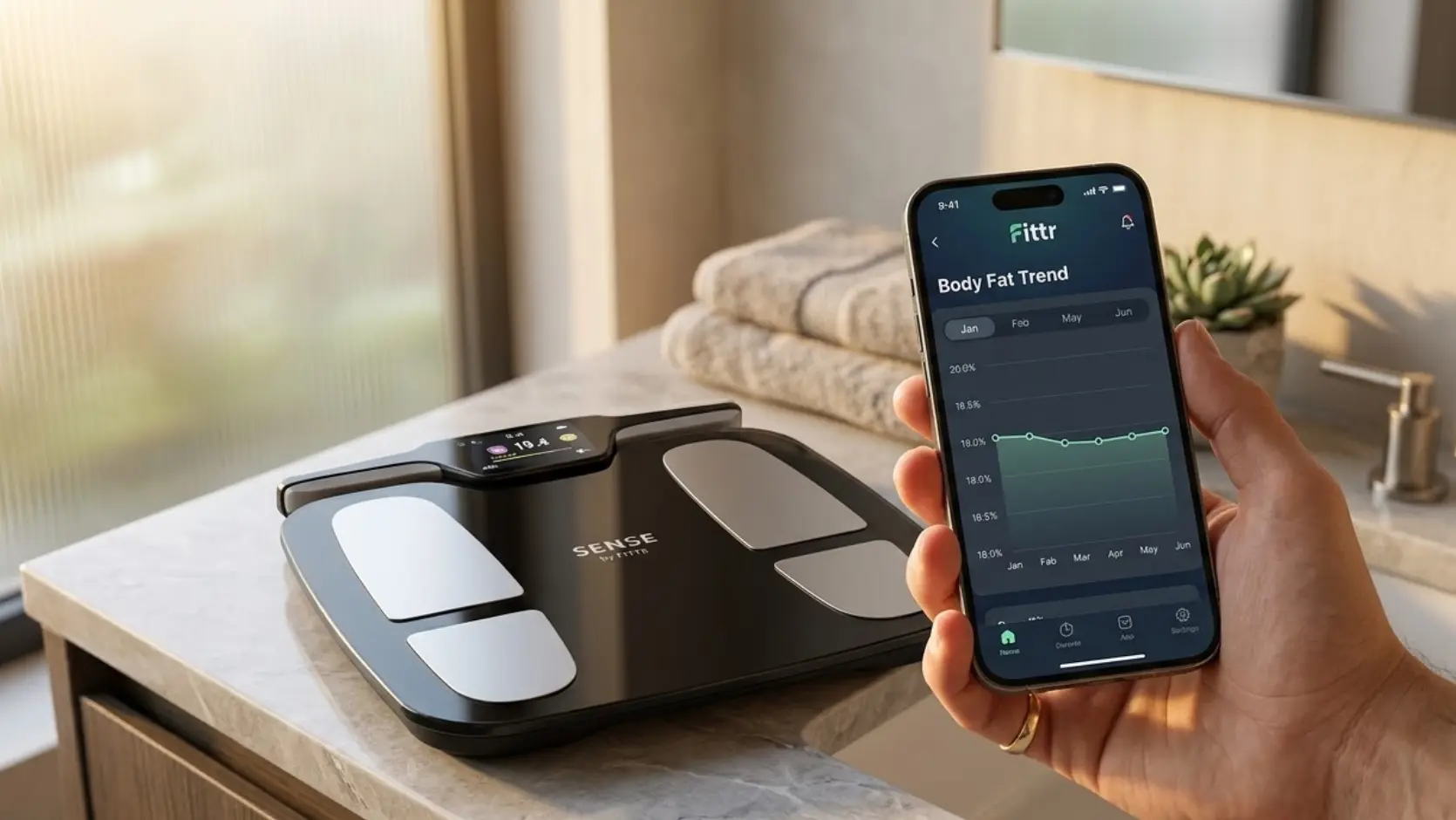
A Skeptical Look at Fat Measure Machines
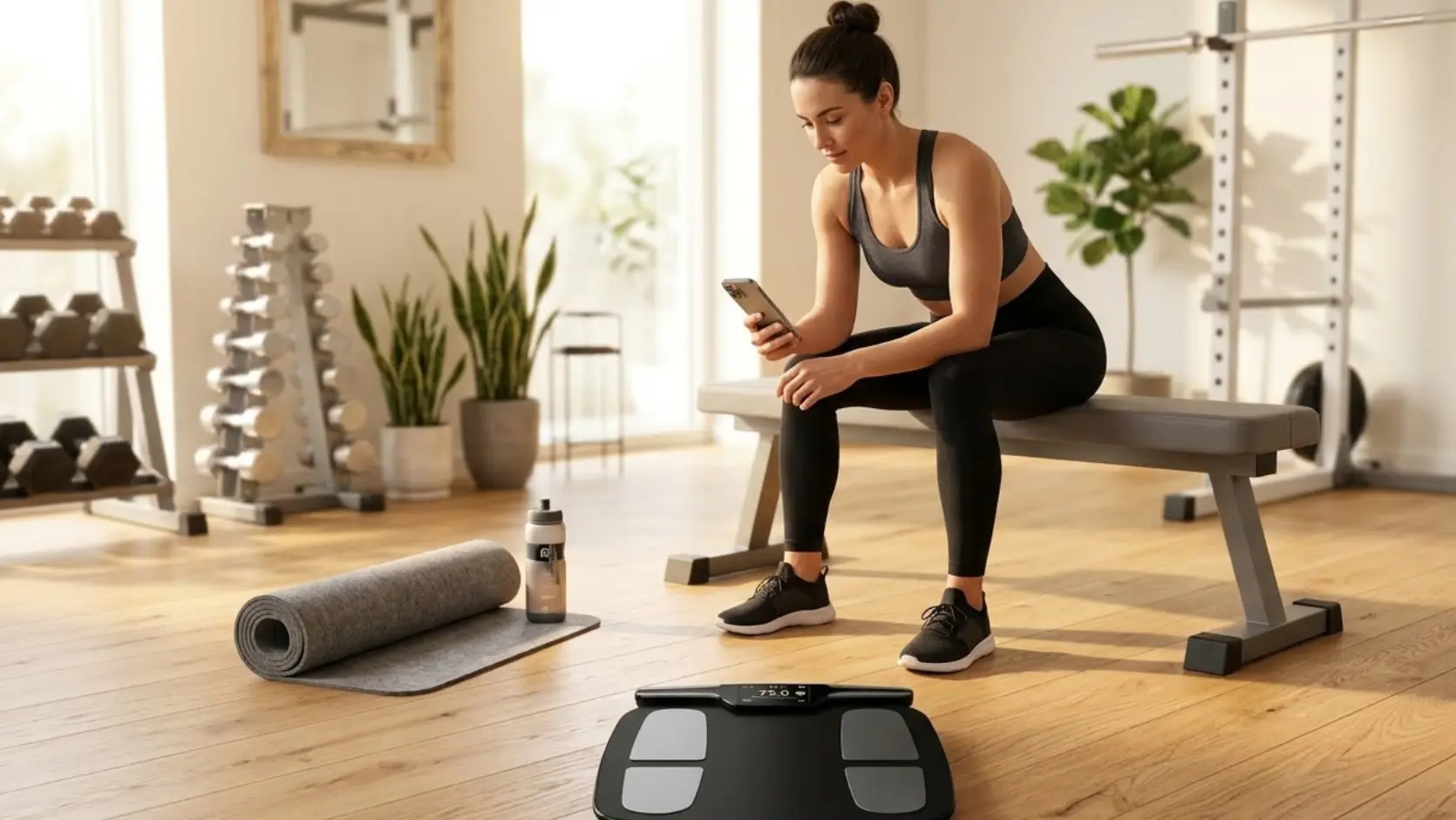
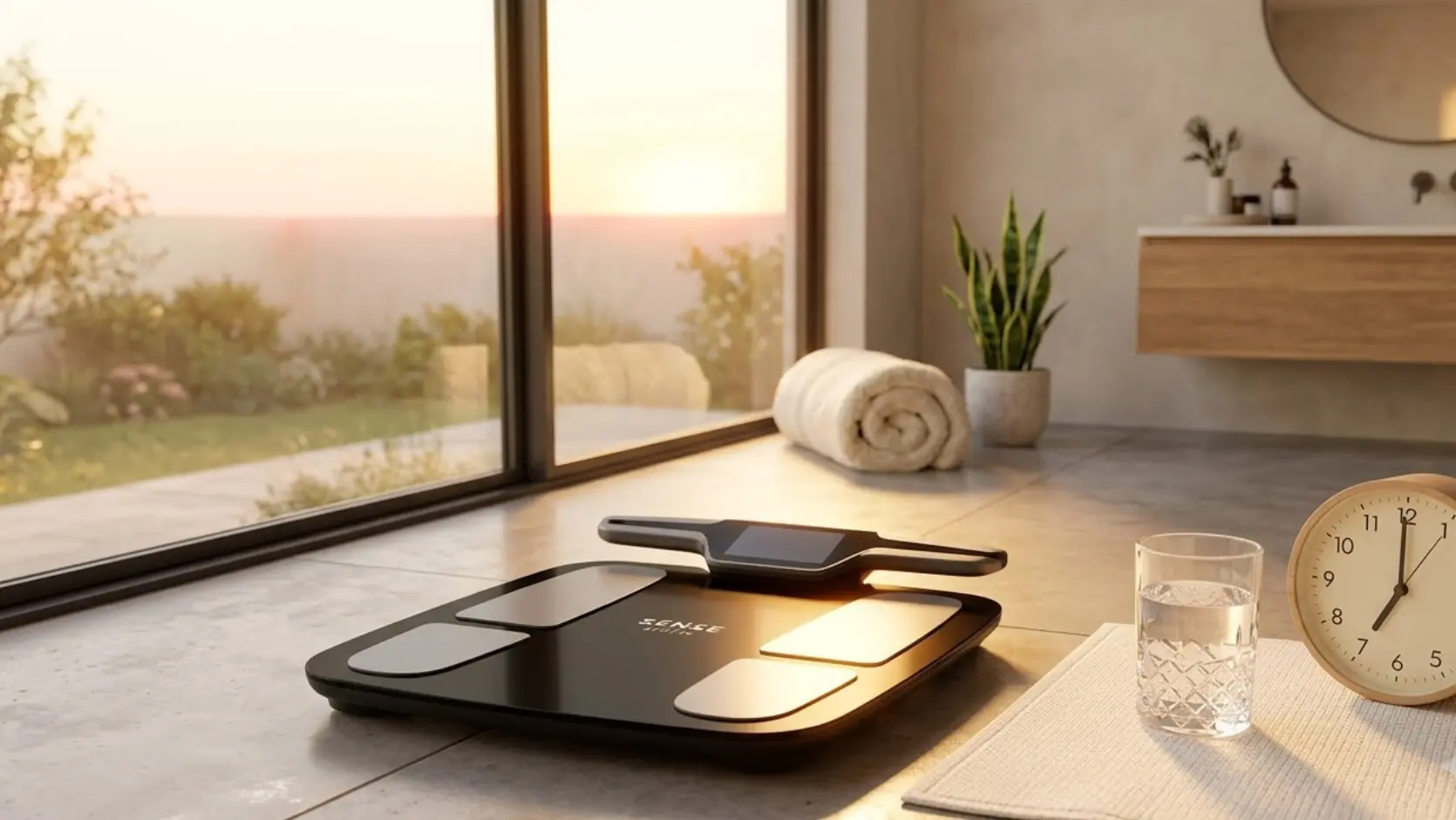
It’s a fair question: does a fat measure machine actually work, or is it just an appealing gadget with numbers that sound scientific but don’t mean much in practice? This guide takes a genuinely honest, skeptical look at what these devices can and cannot reliably deliver. Rather than simply promoting the technology, this guide examines the real evidence behind a fat calculator machine’s claims, where it genuinely works well, and where its limitations mean you shouldn’t trust the numbers as much as the confident digital display might suggest.
The Honest Answer: Yes, But With Real Caveats
A fat measure machine does work, in the sense that bioelectrical impedance technology has genuine scientific grounding and produces meaningful data – but “works” comes with real caveats about precision, consistency requirements, and what the numbers actually represent versus what people often assume they mean. The technology isn’t a scam or pseudoscience; it’s a legitimate, if imperfect, estimation method. The skepticism worth having isn’t about whether it works at all, but about how precisely it works and what reasonable expectations you should have for any specific reading it produces.
Where the Science Genuinely Holds Up
The underlying principle behind any body fat measuring device is sound: fat, muscle and water do conduct electricity differently, and measuring resistance to a safe electrical current genuinely does correlate with body composition. This isn’t invented science; it’s an established, peer-reviewed measurement principle. Where the science holds up particularly well is in tracking relative change over time under consistent conditions – the same device, used the same way repeatedly, reliably shows whether your composition is trending in a particular direction, even if the absolute numbers aren’t laboratory-precise on any given day.
Where Skepticism Is Genuinely Warranted
A fat calculator machine’s absolute accuracy on any single reading deserves real skepticism – studies comparing consumer bioelectrical impedance devices against gold-standard methods like DEXA scans consistently show meaningful variation, sometimes several percentage points off in either direction for any individual reading. This variation isn’t a manufacturing defect; it’s an inherent limitation of estimating composition indirectly through impedance rather than measuring it directly. Healthy skepticism means not treating any single fat measure machine reading as a precise, unquestionable fact about your body.
Does Consistency Make Up for Precision Limits?
For tracking purposes specifically, consistency genuinely does compensate for limited absolute precision. If a body fat measuring device consistently overestimates or underestimates by a similar margin each time, the trend it reveals remains meaningful even though the absolute number isn’t lab-accurate. This is the key insight for honest evaluation: don’t ask “is this exact number correct?” Instead ask “is this device consistent enough that a change in its reading reflects a genuine change in my body?” For most quality devices used consistently, the honest answer to that second question is yes.
Factors That Genuinely Undermine Reliability
A fat calculator machine’s reliability genuinely suffers when testing conditions vary – different times of day, different hydration levels, testing immediately after exercise, or entering inconsistent profile data. These aren’t flaws in the technology itself but real limitations in how it’s commonly used. Much of the skepticism directed at these devices actually stems from inconsistent testing practices rather than genuine technological failure – a fat measure machine used carelessly, without consistent conditions, will understandably produce confusing, seemingly unreliable results regardless of the underlying technology’s genuine validity.
Comparing Device Quality: Not All Are Equal
Genuine skepticism should also extend to comparing specific devices, since not every body fat measuring device uses equally sophisticated technology. Basic single-frequency foot-only devices are less precise than multi-frequency, full-body contact designs used in gyms and clinics, a real quality difference worth understanding. This means the honest answer to “do fat measure machines work” partly depends on which specific device you’re asking about – a cheap, poorly engineered unit deserves more skepticism than a well-reviewed device from a manufacturer with genuine investment in sensor quality and calibration accuracy.
What Independent Research Actually Shows
Peer-reviewed research on bioelectrical impedance technology generally supports its use for tracking trends in healthy populations, while consistently noting it’s less reliable for precise absolute measurement, particularly in populations with unusual hydration status or body composition extremes. This research-backed nuance – useful for trends, less reliable for absolute precision – is the genuinely honest takeaway that should inform how you use any fat calculator machine, rather than either dismissing the technology entirely or trusting every single number it produces without appropriate context.
A Balanced Verdict on Fat Measure Machines
The honest, balanced verdict is that fat measure machines genuinely work for their realistic intended purpose – convenient, ongoing trend tracking – while falling short of the precision some marketing might imply. This isn’t a failure of the technology; it’s simply an accurate description of its real capabilities. Used with appropriate expectations – consistent testing conditions, trend-focused interpretation, and healthy skepticism about any single reading’s absolute precision – a body fat measuring device becomes a genuinely useful tool rather than either an infallible oracle or a worthless gimmick.
What Manufacturers Don’t Always Emphasize
Marketing materials for a fat measure machine often emphasize precision and scientific credibility without clearly explaining the real-world variance users should expect, leaving some buyers with unrealistic expectations that lead to genuine disappointment or premature dismissal of technology that’s actually working as intended within its real capabilities. A more transparent approach – acknowledging the estimation nature of bioelectrical impedance upfront – would likely improve user trust and satisfaction over time, since users who understand the technology’s genuine strengths and limitations from the start tend to use it more appropriately and get more lasting value from consistent tracking.
Independent Testing and Consumer Reports
Independent consumer testing organizations have periodically compared various fat calculator machine models against clinical references, generally finding that reputable brands with quality sensors perform more consistently than budget alternatives, though all consumer devices show some meaningful variance from clinical gold standards regardless of price point. Seeking out this kind of independent testing, rather than relying solely on manufacturer claims or marketing materials, gives a more genuinely balanced picture of what to expect from a specific body fat measuring device before you commit to purchasing one for your own regular use and tracking.
The Placebo and Motivation Effect Worth Considering
Beyond pure measurement accuracy, there’s a genuine psychological dimension worth acknowledging: regularly using a fat measure machine, even one with real precision limitations, can motivate healthier behavior simply through the act of consistent tracking itself, independent of the exact numerical accuracy of any individual reading. This motivational value doesn’t excuse inflated accuracy claims, but it’s worth acknowledging as a genuine benefit alongside the device’s actual measurement function – sometimes the habit of regular check-ins matters as much for real behavior change as the precise number the fat calculator machine ultimately displays on any given day.
Common Myths About Fat Measure Machine Skepticism
A few misconceptions deserve a direct correction.
- Fat measure machines aren’t pseudoscience; bioelectrical impedance has genuine, peer-reviewed scientific grounding as a measurement principle.
- A single unusual reading from a fat calculator machine doesn’t mean the device is broken or the technology doesn’t work.
- Not all body fat measuring device options are equally precise; genuine quality differences exist between specific products.
- Skepticism about absolute precision doesn’t mean the trend data these devices reveal isn’t genuinely useful for tracking.
- Consumer devices aren’t meant to replace clinical assessment; they serve a different, complementary tracking purpose.
The Bottom Line
Do fat measure machines work? Genuinely yes, for what they’re actually designed to do – convenient, consistent trend tracking – while falling short of clinical precision on any single reading, a limitation worth understanding rather than either dismissing or ignoring. Approach any fat calculator machine with informed, appropriate expectations: trust the trend over time, maintain consistent testing conditions, and understand that any single body fat measuring device reading is an estimate worth context, not an unquestionable scientific fact about your body.
Frequently Asked Questions
Do fat measure machines actually work?
Yes, the underlying bioelectrical impedance technology is scientifically sound, though absolute precision on any single reading has real limits.
How accurate is a fat calculator machine compared to clinical methods?
Studies show meaningful variation compared to gold-standard methods like DEXA, though trend tracking remains genuinely reliable.
Why do body fat measuring device readings vary so much?
Inconsistent testing conditions – timing, hydration, exercise – account for much of the variation people experience between readings.
Are all fat measure machines equally reliable?
No, device quality varies considerably; multi-frequency, full-body contact designs generally outperform basic single-frequency models.
Should I trust a single fat calculator machine reading?
No, treat any single reading as an estimate; the multi-week trend is what genuinely reveals meaningful change in your body composition.
Beyond Weight Lies Real Progress
Fat measure machine, fat calculator machine, or a body fat measuring device – the honest, evidence-based verdict is that they genuinely work for trend tracking, with real limits on absolute single-reading precision. To act on your results, Fittr’s body fat calculator and exercise articles can help you turn your trend into real progress.