



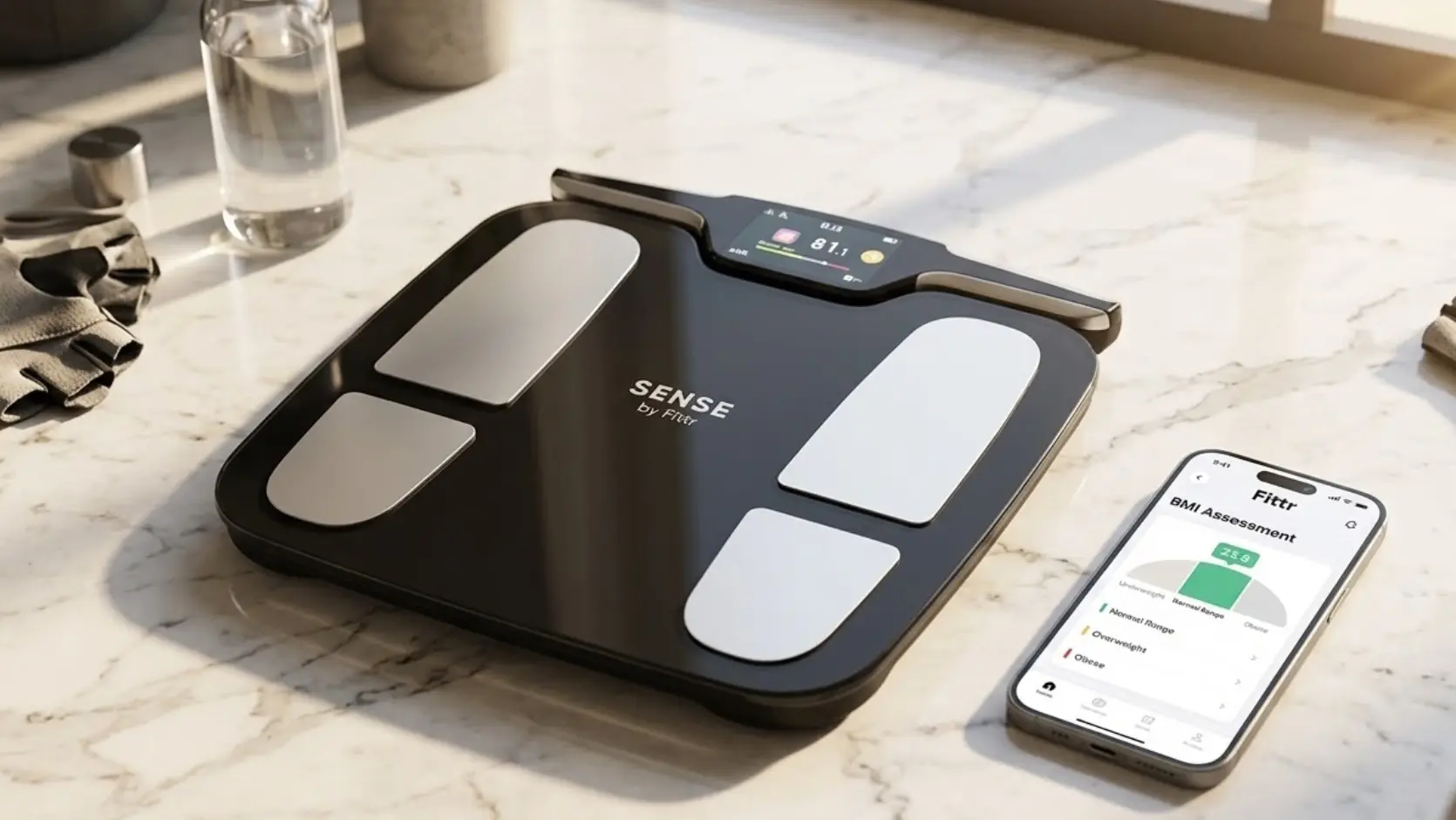
BMI Calculator Machine: A Plain-Terms Explainer
A bmi calculator machine automates a simple calculation – Body Mass Index, derived from your weight and height – saving you from doing the maths yourself. This guide explains exactly what these devices do, how they work, and what you should realistically expect from using one. Whether you’ve encountered a bmi test machine at a gym or pharmacy, or you’re considering a bmi check machine for home use, this guide covers everything in accessible, plain-language terms without unnecessary technical jargon.
The Simple Formula Behind Every BMI Calculator Machine
BMI is calculated as weight in kilograms divided by height in metres, squared. A bmi calculator machine performs this exact calculation automatically, using your entered or stored height alongside your current weight reading from its built-in scale platform. This is genuinely basic arithmetic – nothing more sophisticated is happening behind the scenes. Understanding this helps set realistic expectations: a bmi test machine isn’t performing complex diagnostic analysis, just automating a straightforward mathematical formula that anyone could calculate manually with a basic calculator.
How a BMI Test Machine Gets Your Height
Manual Height Entry
Some bmi calculator machine designs require you to manually enter your height once during setup, storing it for future automatic calculations.
Automatic Height Sensing
More advanced bmi check machine models use an overhead ultrasonic sensor to measure height automatically each time you step on, removing any manual entry step entirely. Automatic height sensing adds convenience and reduces the risk of an outdated stored height skewing your BMI calculation, particularly relevant for children and teenagers whose height changes over time in a way that a one-time manual entry wouldn’t automatically capture in later readings.
Reading Your BMI Calculator Machine Results
Most bmi calculator machine displays show your BMI number alongside a category classification – underweight, normal, overweight, or obese – based on standard population reference ranges. This classification gives context to the raw number without requiring you to look up the ranges separately yourself. Understanding that these categories are general population screening references, not individual diagnoses, matters considerably – a bmi test machine cannot account for your individual muscle mass, frame size, or overall body composition, all of which affect what’s genuinely healthy for your specific body.
Where You’ll Encounter a BMI Check Machine
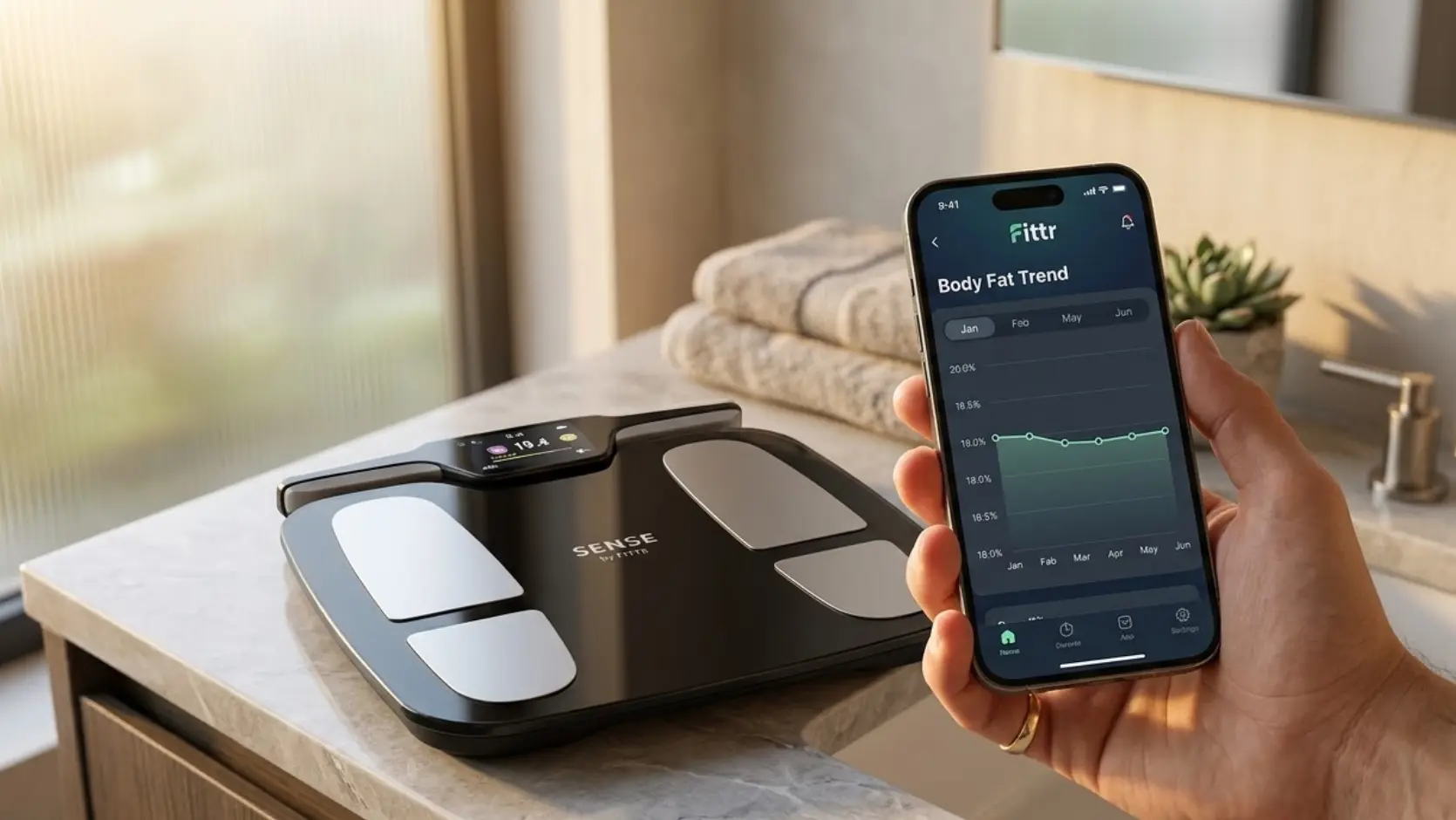
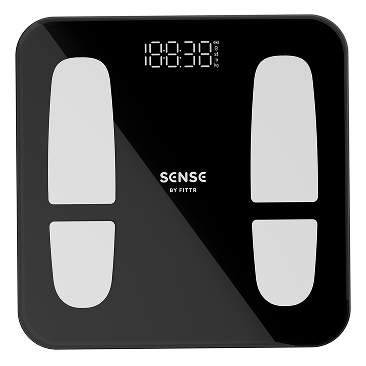
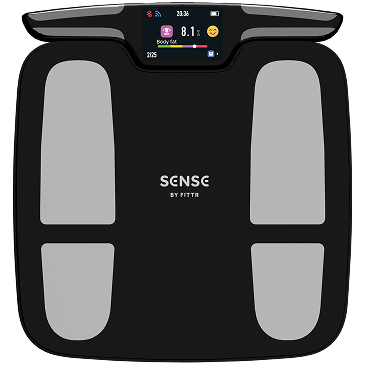
A bmi check machine commonly appears in gym check-in areas, pharmacy health kiosks, workplace wellness programmes, and increasingly, built into home smart scales that calculate BMI alongside body composition and other health metrics as part of their regular readings. Each setting serves a slightly different purpose – gyms and pharmacies typically offer one-off screening checks, while a home bmi calculator machine supports ongoing personal tracking over time, letting you monitor changes in your BMI trend as part of a regular health routine.
What a BMI Calculator Machine Cannot Tell You
Despite its convenience, a bmi calculator machine has real limitations – it cannot distinguish muscle from fat mass, meaning athletic individuals with high muscle mass can register as “overweight” despite genuinely low body fat, a well-documented limitation of the BMI metric itself, not the specific device calculating it. It also cannot assess fat distribution, metabolic health markers, or any other more detailed composition data – for that level of insight, you’d need a body composition analyser using bioelectrical impedance, a genuinely different and more detailed technology than simple BMI calculation.
BMI Test Machine Accuracy Considerations
Since BMI calculation is simple arithmetic, the “accuracy” of any bmi test machine really comes down to how accurately it measures your weight and height inputs, not any complexity in the calculation itself. A scale with quality load sensors and accurate height measurement gives a reliable BMI result. This means evaluating a bmi calculator machine’s quality should focus on the same fundamentals as any weighing scale – sensor accuracy, stable platform, reliable height sensing if automated – rather than assuming any special “BMI accuracy” separate from these basic underlying measurement fundamentals.
Choosing a BMI Calculator Machine for Home Use
For home use, a basic bmi calculator machine with manual height entry works perfectly well for adult household members whose height won’t change, while automatic height sensing adds genuine value specifically for households with growing children who need to update this measurement more frequently. Consider whether you actually need a dedicated bmi check machine at all, since many smart scales calculate BMI automatically as part of their standard feature set alongside body composition data, potentially offering more value than a device focused on BMI calculation alone.
BMI Calculator Machines for Different Age Groups
A bmi calculator machine’s reference ranges are typically calibrated for adults, and using the same device for children or teenagers requires different, age-specific BMI percentile charts rather than the standard adult categories. This distinction matters considerably for households tracking growing children’s health alongside adult members. Some advanced bmi test machine models automatically switch to age-appropriate percentile calculations when a child’s profile is selected, while more basic devices apply the same adult categories regardless of age, potentially producing misleading classifications for younger users if this distinction isn’t properly accounted for in the device’s software.
Workplace and Public Health BMI Screening
A bmi check machine deployed in workplace wellness programmes or public health screening events serves a genuinely different purpose than personal tracking – quick, one-off population screening rather than ongoing individual monitoring. These deployments prioritise throughput and ease of use over the detailed tracking features a personal device might offer. Understanding this context helps explain why workplace or public bmi calculator machine kiosks often lack app connectivity or historical tracking features common in home smart scales – their design purpose is fundamentally different, focused on immediate screening rather than the longitudinal personal health monitoring a home device typically supports.
The Future of BMI Calculation Technology
As health technology advances, some bmi calculator machine manufacturers are beginning to supplement basic BMI with additional context, like body composition estimates or waist circumference, presented alongside the traditional BMI figure to give a more complete picture than the basic weight-to-height ratio alone can provide. This evolution reflects growing recognition of BMI’s inherent limitations, suggesting future bmi test machine and bmi check machine designs may increasingly bundle this simple calculation with more genuinely informative composition data, rather than positioning BMI calculation as a standalone feature worth a significant price premium on its own.
Common Myths About BMI Calculator Machines
A few misconceptions are worth clearing up.
- A bmi calculator machine doesn’t perform complex analysis; it applies a simple, standard mathematical formula to your weight and height.
- A more expensive bmi test machine doesn’t calculate a “more accurate” BMI; the formula itself is identical regardless of device price.
- BMI classification categories are general population references, not individual diagnoses of your personal health status.
- A bmi check machine cannot assess muscle mass, body fat, or fat distribution; it only calculates the basic weight-to-height ratio.
- Automatic height sensing is a convenience feature, not an accuracy improvement, over correctly entered manual height data.
The Bottom Line
A bmi calculator machine, bmi test machine, or bmi check machine all perform the identical basic function – automating the simple BMI formula using your weight and height, nothing more sophisticated than that straightforward calculation happening behind the scenes. Understanding this plain-terms explanation helps you set realistic expectations for what these devices offer: genuine convenience, not deeper diagnostic insight, making them a useful but limited tool best complemented by more detailed body composition tracking if your goals call for it.
Frequently Asked Questions
What does a bmi calculator machine actually do?
It automatically calculates Body Mass Index using the standard formula – weight divided by height squared – from your entered or measured data.
How does a bmi test machine measure height?
Some require manual entry once during setup; more advanced models use an automatic ultrasonic sensor to measure height each use.
Is a more expensive bmi check machine more accurate?
No, the BMI formula is identical regardless of price; accuracy depends on the underlying weight and height measurement quality.
What can’t a BMI calculator machine tell me?
It can’t distinguish muscle from fat mass or assess body composition; for that, you’d need a body composition analyser instead.
Should I buy a dedicated bmi check machine for home use?
Consider whether a smart scale that calculates BMI alongside body composition might offer better overall value for your needs.
Understand the Number Behind Your Health
BMI calculator machine, bmi test machine, or bmi check machine – all perform the same basic calculation, offering convenience rather than deeper diagnostic insight into your health. For a fuller picture beyond BMI, Fittr’s body fat calculator and BMR calculator give you more actionable context.