





Why the Number on the Scale Isn’t the Whole Story
Two people can weigh exactly the same and look, feel and perform completely differently. The missing piece is body composition – what your weight is actually made of, not just how much of it there is. Understanding body composition is the difference between chasing a number and actually tracking your health. This guide explains what body composition means, how a body composition analyser works, the different body testing methods available, and how to read your results so they actually guide your training and nutrition. By the end, you will know why body composition matters more than weight alone, and how to use it to track real progress.
What Is Body Composition?
Body composition is the breakdown of your total body weight into its core components: fat mass, muscle (lean) mass, water and bone. Instead of one number, it gives you several, each telling you something different about your health and fitness. Two people at the same weight can have very different body compositions – one with more muscle and less fat, the other the reverse – and they will look and perform differently despite the identical scale reading. This is why body composition is considered a far more meaningful health metric than weight alone.
Body Composition vs Body Weight
Weight answers “how much,” while body composition answers “of what.” A person losing weight quickly could be losing valuable muscle rather than fat, which weight alone will never reveal. Body composition closes that blind spot. This distinction matters most during a fitness journey. If your weight is unchanged but your body composition shows more muscle and less fat, you are moving in the right direction even though the scale looks static. Judging progress by weight alone can mask real improvement, or hide a problem that a body composition check would catch immediately.
How a Body Composition Analyser Works
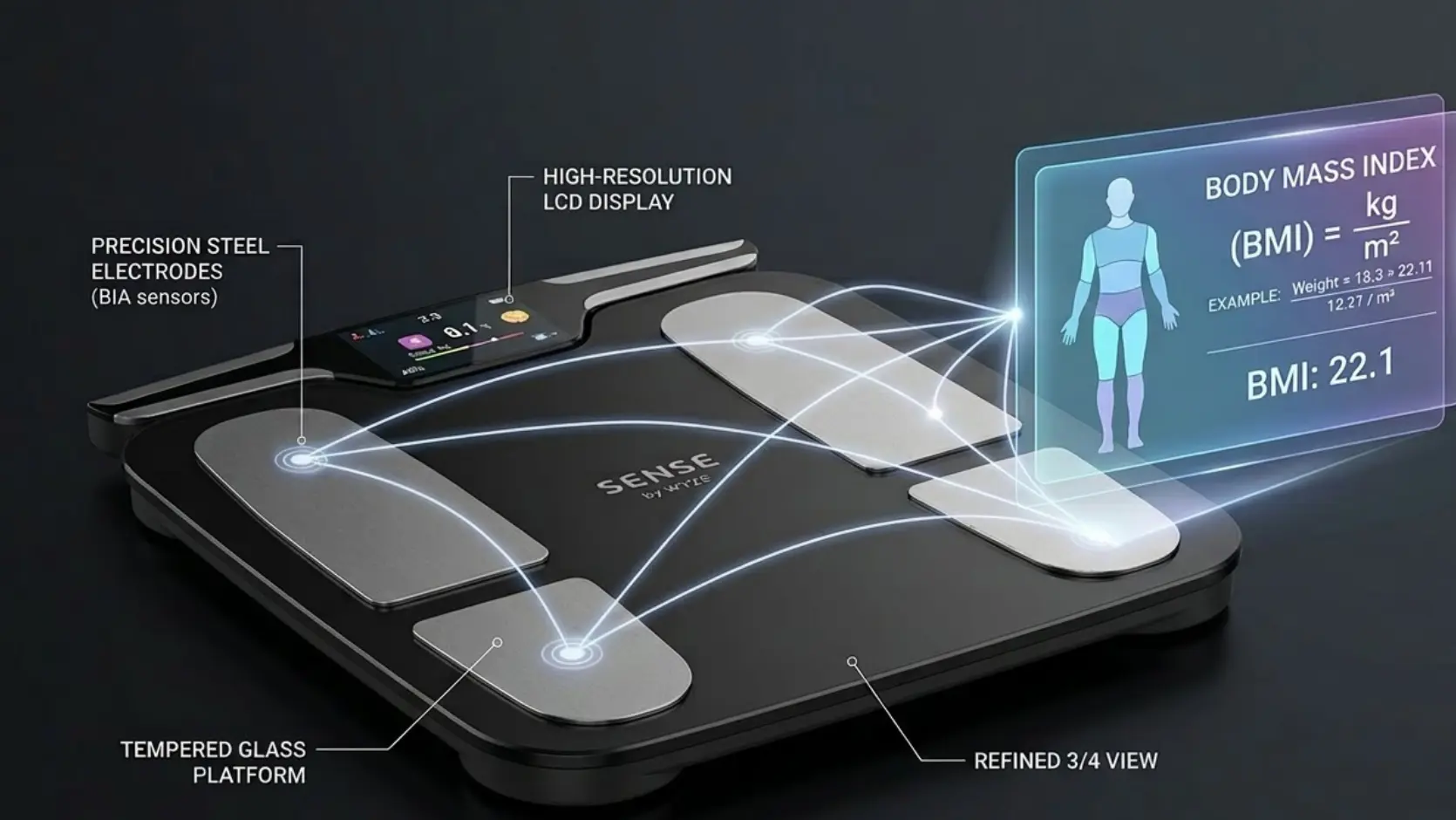
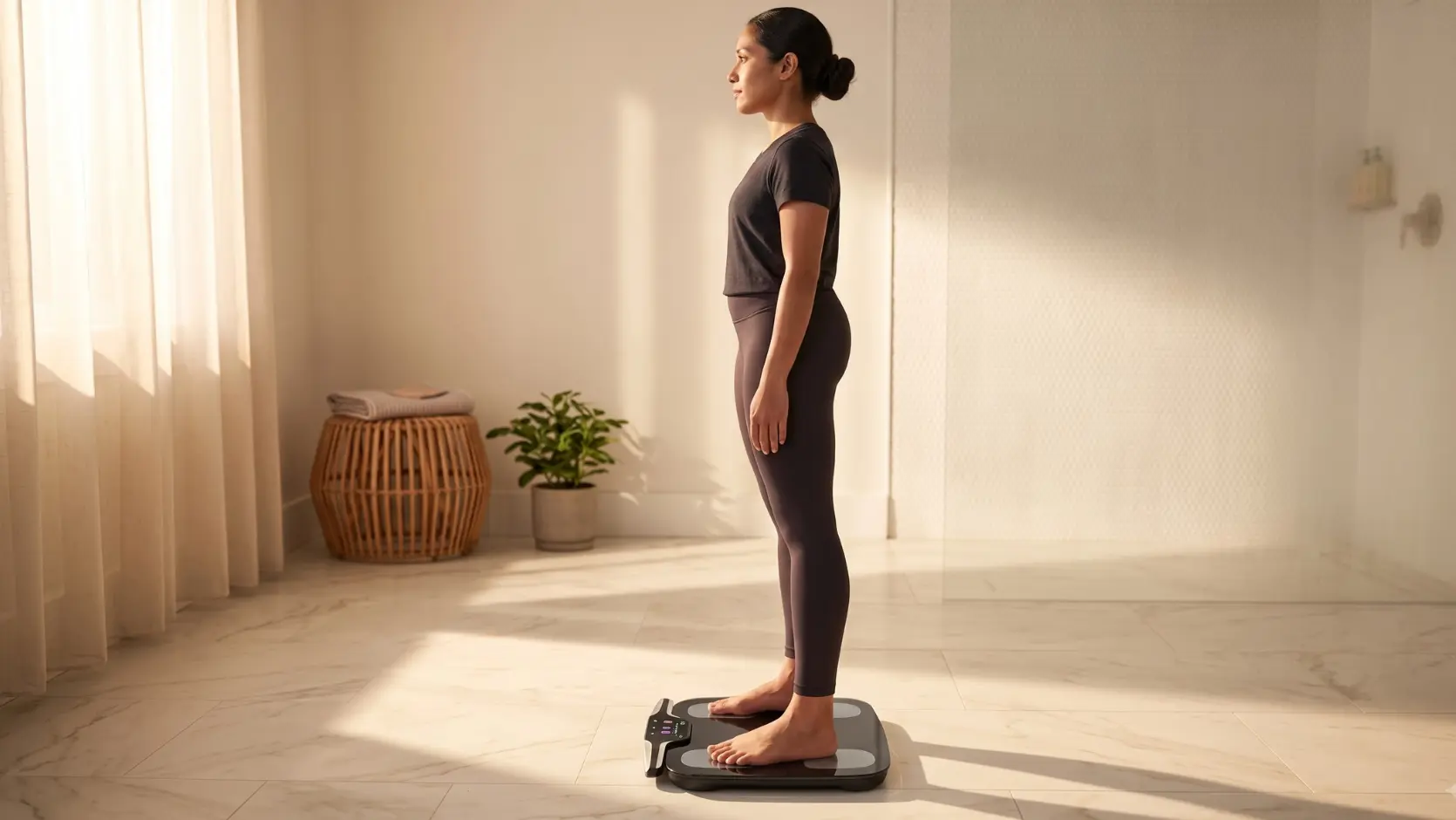
Most consumer body composition analysers use bioelectrical impedance analysis (BIA). A tiny, completely safe electrical current passes through your body, and because fat, muscle and water conduct electricity differently, the device estimates how much of each you carry. The current moves faster through water-rich muscle tissue and slower through fat tissue, and the analyser converts that resistance into estimates of body fat percentage, muscle mass, water percentage and sometimes bone mass. Standing on a smart scale with foot electrodes, or holding handles on a body composition analyser, is enough to capture a full reading in seconds.
Body Testing Methods Compared
Body testing ranges from lab-grade precision to convenient home use, and it helps to know where each method sits.
DEXA Scan
- DEXA scan – the clinical gold standard, using low-dose X-rays for highly precise fat, muscle and bone readings, but expensive and not something you do weekly.
Hydrostatic (Underwater) Weighing
- Hydrostatic (underwater) weighing – historically a gold standard, based on body density, but impractical for regular use.
Skinfold Callipers
- Skinfold callipers – a trained professional pinches skin at multiple sites; accurate in skilled hands but highly technique-dependent.
Bioelectrical Impedance (BIA)
- Bioelectrical impedance (BIA) – the method used in home body composition analysers and smart scales; convenient, repeatable and good for tracking trends.
For everyday tracking, a BIA-based body composition analyser is the practical choice – not because it matches a DEXA scan gram for gram, but because you can use it every week to watch your trend.
What Do Body Composition Numbers Actually Mean?
A typical body composition analyser reports several figures, and each one tells a different part of the story.
Body Fat Percentage
- Body fat percentage – the proportion of your weight that is fat tissue, the number most people focus on for fat-loss goals.
Muscle Mass
- Muscle mass – your lean tissue weight, which you want to preserve or grow during any fat-loss phase.
Body Water Percentage
- Body water percentage – reflects hydration and shifts daily, so it is the most volatile of the readings.
Bone Mass
- Bone mass – a smaller, slower-changing estimate of skeletal weight.
Visceral Fat Rating
- Visceral fat rating – an estimate of fat around your organs, relevant to metabolic health beyond appearance.
Read fat percentage and muscle mass as the two numbers that matter most for a typical fitness goal, and treat water and bone readings as background context rather than numbers to obsess over.
Reading Your Body Composition Report Correctly
The single most important habit in body testing is reading trends, not single readings. Hydration, meal timing, exercise and even the time of day change your numbers by a percent or two, which can look like a swing when it is really just noise. Test at a consistent time – first thing in the morning, before eating or exercising, is ideal – and look at the direction of change over two to four weeks rather than the number on any one day. A steady downward trend in body fat percentage alongside a stable or rising muscle mass is exactly what a good fat-loss phase should look like on a body composition analyser.
How Often Should You Test Your Body Composition?
Weekly testing, under consistent conditions, gives you enough data points to see a real trend without becoming a source of daily anxiety. Testing every single day usually just adds noise, since normal fluctuations in water and food intake outweigh any real change from one day to the next. If you are early in a structured programme, a body composition check every one to two weeks alongside your regular weight tracking gives a clear, motivating picture of whether fat is coming down and muscle is holding steady or increasing.
Body Composition Analyser vs a Basic Weighing Scale
A basic digital scale gives you one number: total weight. A body composition analyser gives you the breakdown behind that number, which is what actually tells you whether you are losing fat, losing muscle, or both. For anyone with a specific fitness goal – fat loss, muscle gain, or recomposition – a body composition analyser is worth the small step up from a basic scale, because it answers the question a basic scale cannot: is the number changing for the right reasons?
Improving Your Body Composition
Body composition responds to the same fundamentals as weight, applied with more intention. Adequate protein intake and resistance training protect and build muscle, while a modest calorie deficit drives fat loss without starving the muscle you want to keep. Sleep and recovery matter more to body composition than most people expect, since poor sleep is linked to muscle loss and fat retention even at the same calorie intake. Consistency in training and nutrition, tracked against your body composition analyser readings, is what turns effort into a visibly better composition over months.
Common Body Composition Myths
A few misunderstandings are worth clearing up.
- A high body fat percentage reading on a bad hydration day does not mean you gained fat overnight.
- Home body composition analysers are not lab-precise, but they are precise enough to track your own trend reliably.
- Losing weight does not automatically mean losing fat – body testing is the only way to be sure.
- Muscle does not “turn into fat,” and fat does not “turn into muscle” – they are separate tissues that change independently.
- A single body composition reading means very little; the trend over weeks is what matters.
Example: Tracking Body Composition with FITTR Sense
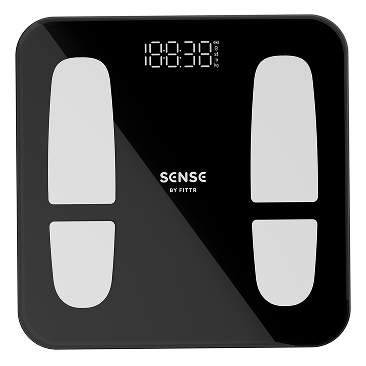
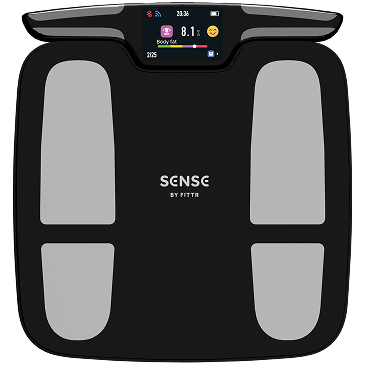
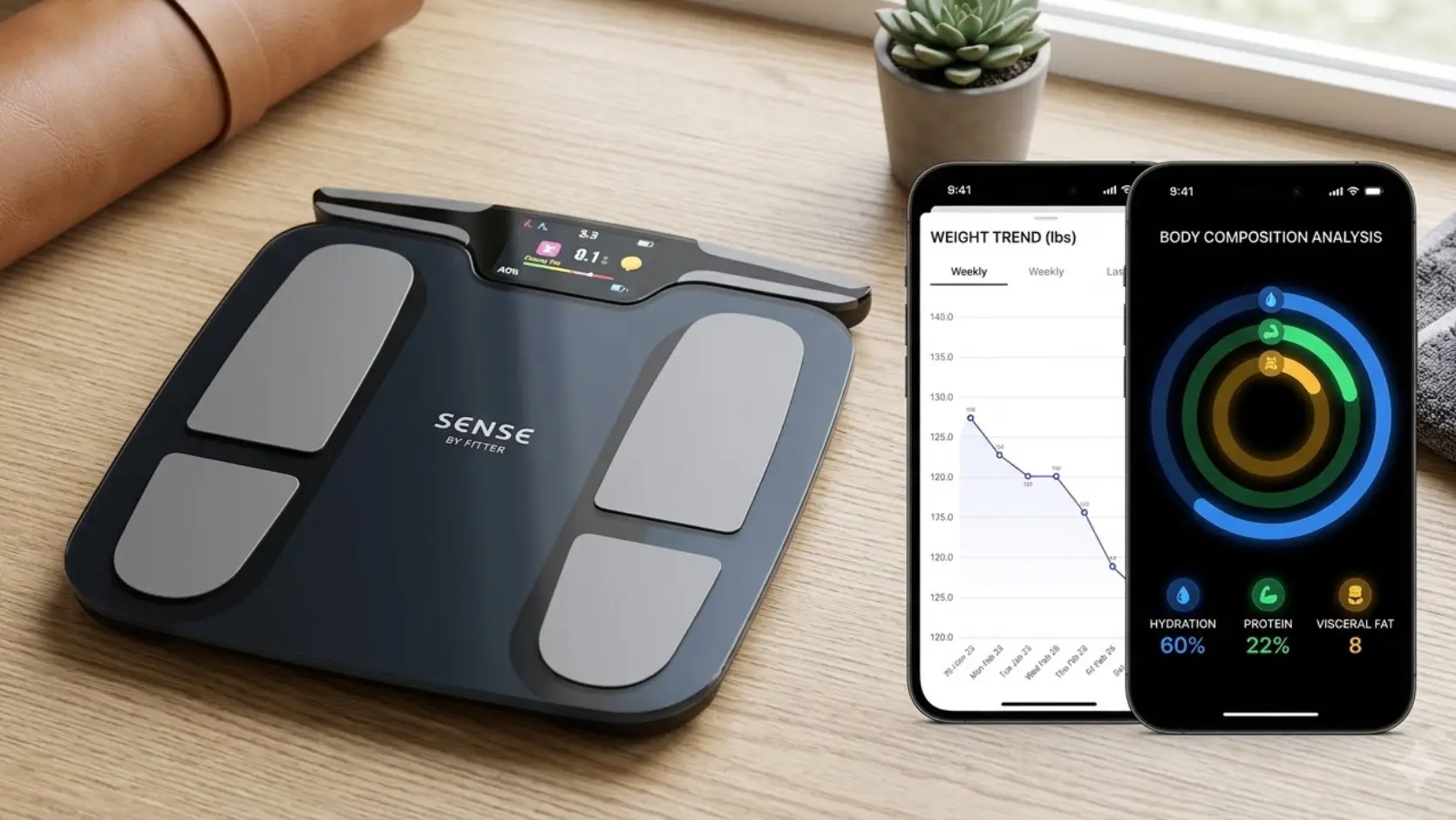
The FITTR Sense smart scale is built around exactly this idea – giving you body fat, muscle mass and water percentage alongside weight, so every weigh-in tells you more than a single number ever could. Paired with the FITTR app, each reading feeds into a trend line you can actually act on. Used consistently, under the same morning conditions, it turns body testing from a one-off curiosity into a genuine tracking tool for your fitness goals.
The Bottom Line
Body composition is the real story behind your weight – how much of it is fat, how much is muscle, and how that balance shifts over time. A body composition analyser using BIA technology gives you a convenient, repeatable way to track that story at home, even if it is not as clinically precise as a DEXA scan. Test consistently, focus on fat percentage and muscle mass, and judge your progress by the trend over weeks rather than any single reading. Do that, and body composition becomes the most useful number on your entire fitness dashboard.
Body Composition Across Different Life Stages
Body composition naturally shifts across life stages, and knowing this helps you interpret readings without unnecessary worry. Muscle mass tends to peak in early adulthood and gradually declines with age unless actively maintained through resistance training, while fat distribution patterns shift with hormonal changes over the decades. For women, pregnancy, postpartum recovery and menopause all bring genuine, expected changes in body composition that are not something to chase back to a previous number quickly. For men, midlife often brings a gradual decline in muscle mass if training does not keep pace, which is exactly the kind of trend a body composition analyser is good at catching early. Athletes and highly active individuals typically show body composition numbers well outside general population averages – lower fat percentage, higher muscle mass – which is a reminder that healthy ranges depend heavily on context, training history and goals rather than a single universal target.
A Simple Buying Checklist for a Body Composition Analyser
If you are choosing your first body composition analyser, a short checklist helps cut through marketing claims. Check that it uses four-point bioelectrical impedance sensors rather than a single-point design, since this improves consistency across readings. Confirm it reports the metrics you actually care about – fat percentage and muscle mass are the two most useful for most goals – and check whether the companion app presents trends clearly with a simple weekly or monthly view. Multi-user support matters if more than one person in your home will use it regularly. Finally, check reviews specifically for long-term consistency rather than first-impression accuracy, since a body composition analyser’s real value shows up only after weeks of regular tracking, not on the first use.
Body Composition and Training Type
The kind of exercise you do shapes your body composition trend differently than diet alone. Resistance training – weights, bodyweight strength work, resistance bands – is the primary driver of building or preserving muscle mass, which shows up directly in your body composition analyser readings over weeks of consistent training. Cardiovascular exercise contributes more directly to the calorie deficit side of fat loss, and combining both modalities tends to produce the best overall body composition outcome: falling fat percentage alongside stable or rising muscle mass, rather than the “skinny fat” pattern of losing weight without building or preserving lean tissue. Beginners to resistance training often see a particularly encouraging body composition trend in the first few months, sometimes called “newbie gains,” where muscle mass rises noticeably even while fat percentage also falls – a pattern that becomes harder to replicate as training experience increases, which is worth knowing so you do not expect the same pace of change indefinitely.
Nutrition’s Role in Shaping Body Composition
Protein intake specifically, more than total calories alone, has an outsized effect on body composition outcomes during both fat loss and muscle gain phases. Adequate protein signals the body to preserve and build muscle even during a calorie deficit, which is precisely what separates healthy fat loss from the kind that also strips away lean tissue. Total calorie balance still drives whether you are in a deficit, maintenance, or surplus, but within that framework, protein distribution across meals and total daily intake meaningfully shapes what a body composition analyser will show over the following weeks. This is a large part of why two people eating the same total calories can see quite different body testing results over time.
Frequently Asked Questions
What is body composition?
Body composition is the breakdown of your body weight into fat mass, muscle mass, water and bone, giving a fuller picture of health than weight alone.
How does a body composition analyser work?
Most home analysers use bioelectrical impedance, passing a safe low current through the body to estimate fat, muscle and water based on how tissues conduct electricity.
What is the most accurate body testing method?
DEXA scans are the clinical gold standard, but bioelectrical impedance analysers are the most practical option for regular, at-home body testing.
How often should I check my body composition?
Weekly testing under consistent conditions, such as first thing in the morning, gives a reliable trend without adding unnecessary noise.
Can I lose weight without improving body composition?
Yes, weight loss can include muscle loss, which is why tracking body composition alongside weight gives a truer picture of progress.
Look Beyond the Scale for Better Health.
Body composition – your body’s actual makeup of fat, muscle and water – is the real story behind the number on any scale, and a body composition analyser is simply the tool that reveals it. Whether you call it a physique breakdown, a fat-to-muscle ratio, or body testing, the principle stays the same: test consistently, read the trend, and let the numbers guide your training and nutrition rather than your mood. If you want to put these numbers into a structured plan, Fittr’s guide to tracking beyond the scale is a useful next step, and our guide to body recomposition goes deeper into how protein and training shape your results over time.