



Checking your weight sounds like the simplest thing in the world, yet most people do it in ways that leave them confused, discouraged or misled. They weigh at random times, panic at every fluctuation, and judge their progress by a single number that was never meant to be read that way. There is a right way to check your weight – and it makes all the difference. This guide explains how to check your weight the right way: when to weigh, how often, how to read the inevitable fluctuations, and why the trend matters far more than any single reading. Get this right and the scale becomes a calm, useful guide rather than a source of daily stress.
Why How You Check Matters
Checking your weight is not just about the number; it is about reading it in a way that actually informs you. Done badly, weight checking produces noise – confusing swings that mean nothing and often discourage you. Done well, it reveals a clear, honest trend that reflects your real progress. The difference lies entirely in method and mindset. The same scale can either mislead or guide you, depending on when you weigh, how often, and how you interpret what you see. Learning to check properly is what turns the scale from a stressor into a tool.
When to Check Your Weight
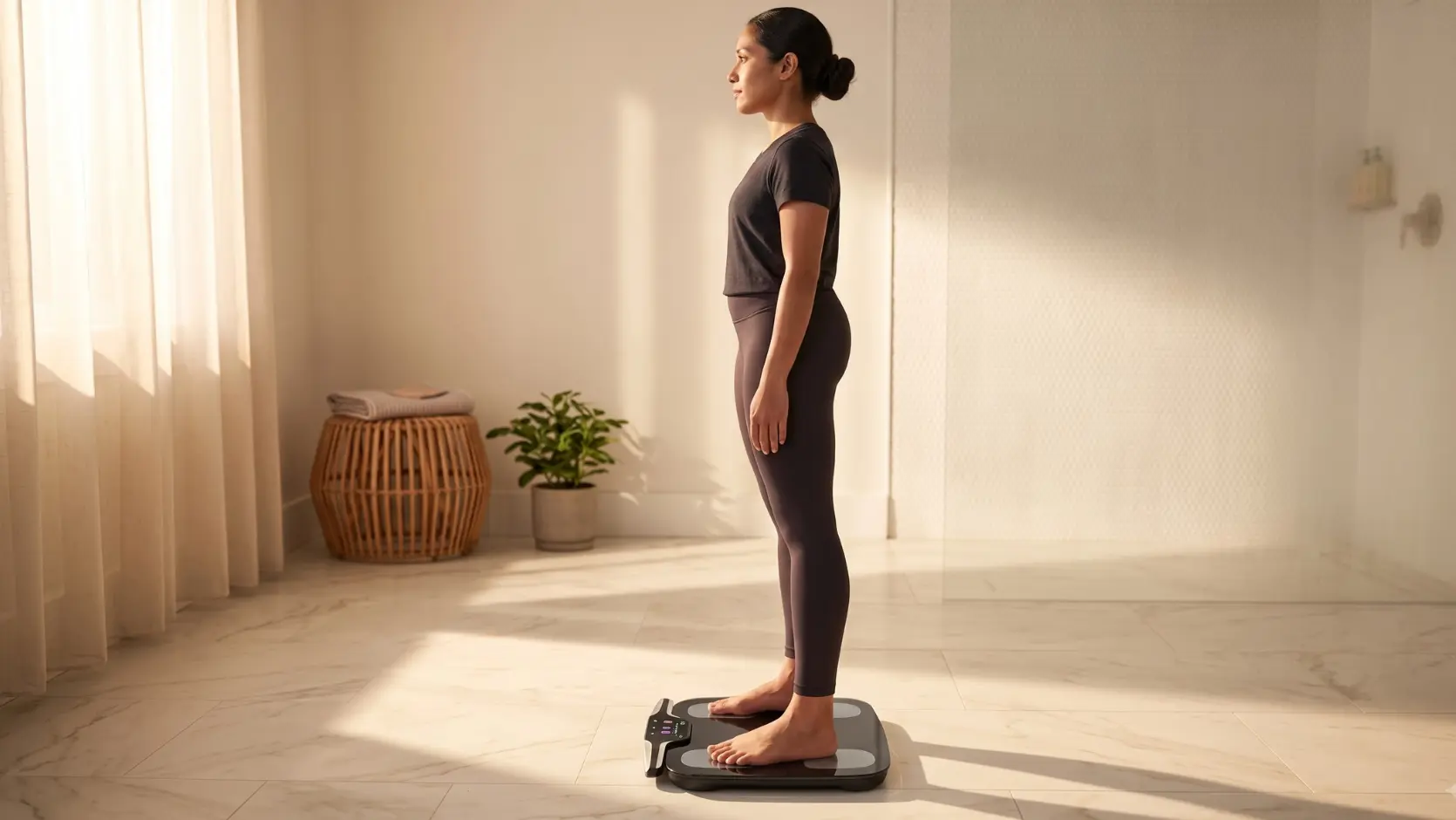
The best time to check your weight is first thing in the morning, after using the bathroom and before eating or drinking. At this point your body is in its most consistent baseline state, so the reading reflects your true weight rather than a recent meal or drink. Whatever time you choose, the key is consistency – always check at the same time, under the same conditions. This removes a major source of variation. Morning is simply the easiest time to keep stable.
How Often Should You Check?
For most people, checking a few times a week at the same time of day strikes the right balance. It is frequent enough to capture the trend, but not so frequent that normal daily swings cause anxiety. Some people prefer daily weighing and focus on the weekly average, which also works. If you find the scale affecting your mood, checking less often is perfectly healthy, and you can lean on other markers like how your clothes fit. The right frequency is the one that keeps you informed without becoming a source of stress or obsession.
Understanding Weight Fluctuations
Here is the single most important thing to understand: your weight naturally fluctuates, often by a kilogram or two within a single day. Food in your system, water retention from salt, hydration, and hormonal changes all move the number, none of which reflects real fat gain or loss. These fluctuations are completely normal and expected. The mistake is treating a single high or low reading as meaningful. Once you accept that day-to-day numbers will wobble, you stop reacting to noise and start looking for the signal – the trend underneath.
Why the Trend Matters Most
The golden rule of checking your weight is to trust the trend, not any single reading. A scale that jumps one morning tells you little; a trend that drifts steadily in one direction over weeks tells you everything. Smart scales make this easy by charting your trend in an app, which is half their value. Thinking in trends transforms the experience of weighing. Instead of riding the emotional ups and downs of daily numbers, you watch a calm, meaningful line that reflects your genuine progress, which is far more motivating and far less stressful.
The Mindset of Weighing
How you think about the scale matters as much as how you use it. The number is data, not a verdict on your worth or a measure of your effort on any given day. Approaching it neutrally – as useful information to act on – keeps weighing healthy and constructive. If the scale starts driving negative feelings, it is worth stepping back, checking less often, and remembering that weight is just one of many markers of health. A healthy relationship with the scale is one where it informs you without controlling how you feel.
Beyond the Scale: Other Markers
Weight is a useful marker, but it is not the only one, and sometimes not the best. How your clothes fit, your energy, your strength, your measurements and your body composition all tell part of the story. A smart scale’s body-composition data, alongside tools like Fittr’s body fat calculator, gives a fuller picture than weight alone. This matters because weight can stay flat while your body genuinely improves – losing fat and gaining muscle. Checking other markers alongside your weight prevents you from being discouraged by a stationary number that hides real progress underneath.
Checking Weight During Fat Loss
During fat loss, the scale is especially prone to misleading you. Water retention can mask fat loss for days or even weeks, so the trend can appear flat even as you are making progress, then suddenly drop. This is normal and expected, not a sign of failure. The answer is patience and trend-watching. Keep checking consistently, pair the scale with body-composition data, and judge progress over weeks. Linking your checks to an understanding of your total daily energy expenditure helps you stay confident that the process is working even when the number stalls.
Common Weight-Checking Mistakes
Avoid these to keep weighing useful:
- Checking at random times of day.
- Reacting emotionally to a single reading.
- Weighing daily and panicking at every wobble.
- Judging progress by weight alone, ignoring body composition.
- Comparing your scale against someone else’s.
Example: The FITTR Sense Smart Scale
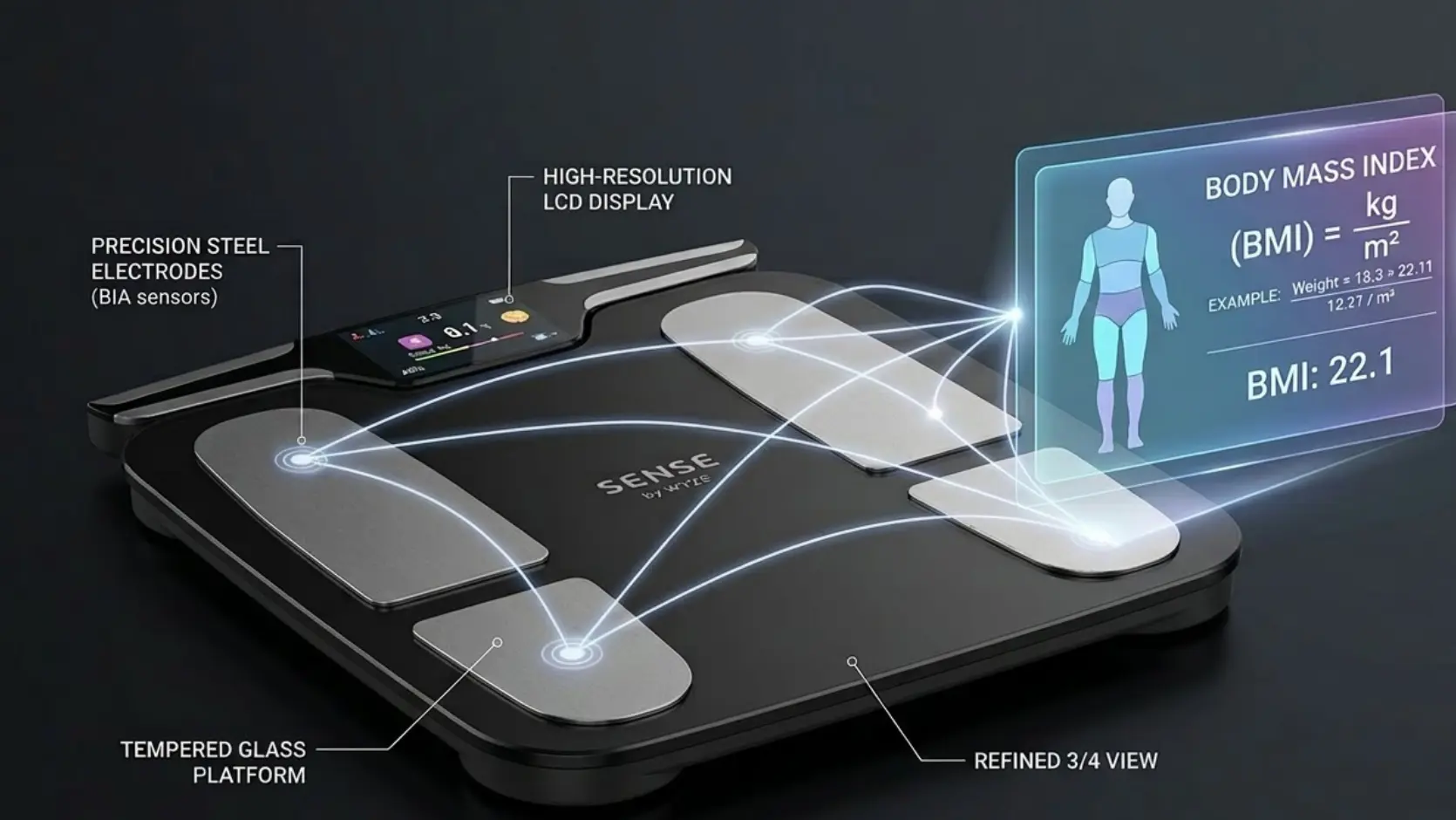
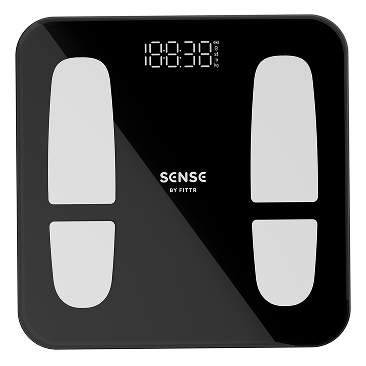
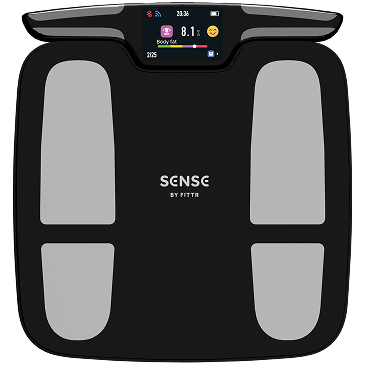
As an example, the FITTR Sense smart scale charts your weight and body-composition trends in the FITTR app, so once you check consistently, it does the work of turning your readings into a clear, calm line. That makes it far easier to focus on the trend and ignore the daily noise.
The Psychology of the Scale
The scale carries surprising emotional weight for many people. A number can lift or sink a mood in seconds, which is why the mindset you bring to weighing matters so much. The healthiest approach is to see the scale as a neutral instrument that provides data, not a judge of your value or discipline. When you strip the emotion out of weighing, it becomes far more useful. You can look at a reading calmly, place it in the context of your trend, and decide what, if anything, it means – rather than letting a single number dictate how you feel about yourself or your progress.
Weighing and Your Wellbeing
For some people, frequent weighing can become unhelpful, fuelling anxiety or an unhealthy fixation on the number. If that sounds familiar, it is perfectly fine to weigh less often, or to lean more on other markers like how your clothes fit and how you feel. The scale should serve your wellbeing, not undermine it. A healthy relationship with the scale is one where it informs you without controlling you. If checking your weight consistently leaves you feeling worse rather than better informed, stepping back is a sign of self-awareness, not failure.
Building a Healthy Weighing Habit
A good weighing habit is consistent but relaxed. Weigh at the same time, in the same conditions, a few times a week, and glance at the trend rather than fixating on each number. Tying it to an existing routine, like weighing after you wake and use the bathroom, helps it stick without becoming a preoccupation. Done this way, checking your weight becomes a quick, neutral part of your routine that quietly keeps your goals on track. The aim is a habit that informs you effortlessly, not one that dominates your thoughts or your mornings.
Checking Weight for Different Goals
How you read the scale depends on your goal. For fat loss, expect the trend to fall over weeks, with plateaus along the way. For muscle gain, the scale may rise slowly or hold steady as fat drops and muscle builds. For maintenance, a stable trend is the win. In every case, the scale is most useful alongside body composition and other markers, which reveal what the weight number alone cannot. Reading your weight in the context of your specific goal keeps it meaningful rather than misleading.
When to Step Off the Scale
Sometimes the best thing to do is weigh less, or not at all for a while. After a salty meal, a hard workout, poor sleep or during certain hormonal phases, readings can be skewed by water and offer little useful information. Knowing when a reading is unreliable saves needless worry. Equally, if the scale is harming your mindset, taking a break and trusting your habits and other markers is entirely valid. The scale is a tool to use when it helps, not a master to obey every single day regardless of how it makes you feel.
Tools That Complement the Scale
The scale works best alongside other measures. Body-composition data, a body fat estimate, body measurements, progress photos and how you feel together paint a fuller picture than weight alone. These matter because weight can stay flat while your body genuinely improves. Using several markers also protects your motivation. When the scale stalls but your measurements shrink or your strength climbs, the other markers reassure you that real progress is happening underneath a stubborn number.
Frequently Asked Questions
How do I check my weight the right way?
Weigh at the same time of day on a hard, flat surface under similar conditions, and track the trend rather than reacting to single readings.
When should I check my weight?
Morning, after using the bathroom and before eating or drinking, is the most consistent time.
Why shouldn’t I weigh every day?
Daily swings of a kilogram or two are normal and can mislead; focusing on the weekly trend is more useful.
How do I read weight fluctuations?
Expect normal daily changes from food, water and salt, and judge progress by the trend over weeks, not single days.
How much does a weight check machine cost?
Prices range from inexpensive basic scales to pricier smart machines, depending on features.
Weigh Smart, Progress Smarter.
Checking a check weight machine, human weight check machine, or weight check machine price the right way is simple but powerful: weigh at the same time, accept that daily numbers fluctuate, and judge your progress by the trend over weeks rather than any single reading. Pair the scale with other markers and a healthy mindset, and it becomes a calm, useful guide. A smart scale like the FITTR Sense makes trend-watching effortless, so checking your weight informs you without ever stressing you.