




A weight scale seems like the simplest device imaginable – step on, read the number, step off. Yet behind that everyday object sits a surprising amount of technology, and the gap between a basic scale and a modern smart one is wider than most people realise. Knowing what a weight scale really is, and how to choose one, can genuinely change how useful it is to your health. This guide explains exactly what a weight scale is, how it works, the different kinds available, and how to pick the one that fits your goals. Whether you want a no-frills scale for occasional checks or a smart scale to track your body composition, you will know precisely what to look for by the end.
What Is a Weight Scale?
A weight scale is a device that measures your body weight. The most basic versions simply display that weight, while a smart weight scale also estimates your body composition – body fat, muscle mass, body water and more – and syncs the data to an app. In other words, a weight scale can be anything from a single-number tool to a connected health instrument, depending on how advanced it is. For health and fitness, that distinction is the most important thing to understand before buying. At its core, a weight scale gives you an objective, repeatable measurement you can take at home. That objectivity is its power: unlike how you feel or how your clothes fit, the scale gives a consistent number you can track over time to see whether your body is genuinely changing.
How a Weight Scale Works
Modern weight scales work using load sensors, also called load cells. When you stand on the scale, your weight presses on these sensors, whose electrical resistance changes very slightly under the pressure. The scale measures that change and converts it into a precise weight on the display. Smart scales add bioelectrical impedance analysis – a tiny, harmless electrical current passed through the body – to estimate body composition, since fat, muscle and water each conduct that current differently.
Types of Weight Scales
Weight scales come in a few main varieties, each designed to suit different needs and budgets. While some simply measure body weight, others provide advanced health insights such as body composition and long-term progress tracking.
Analog Scales
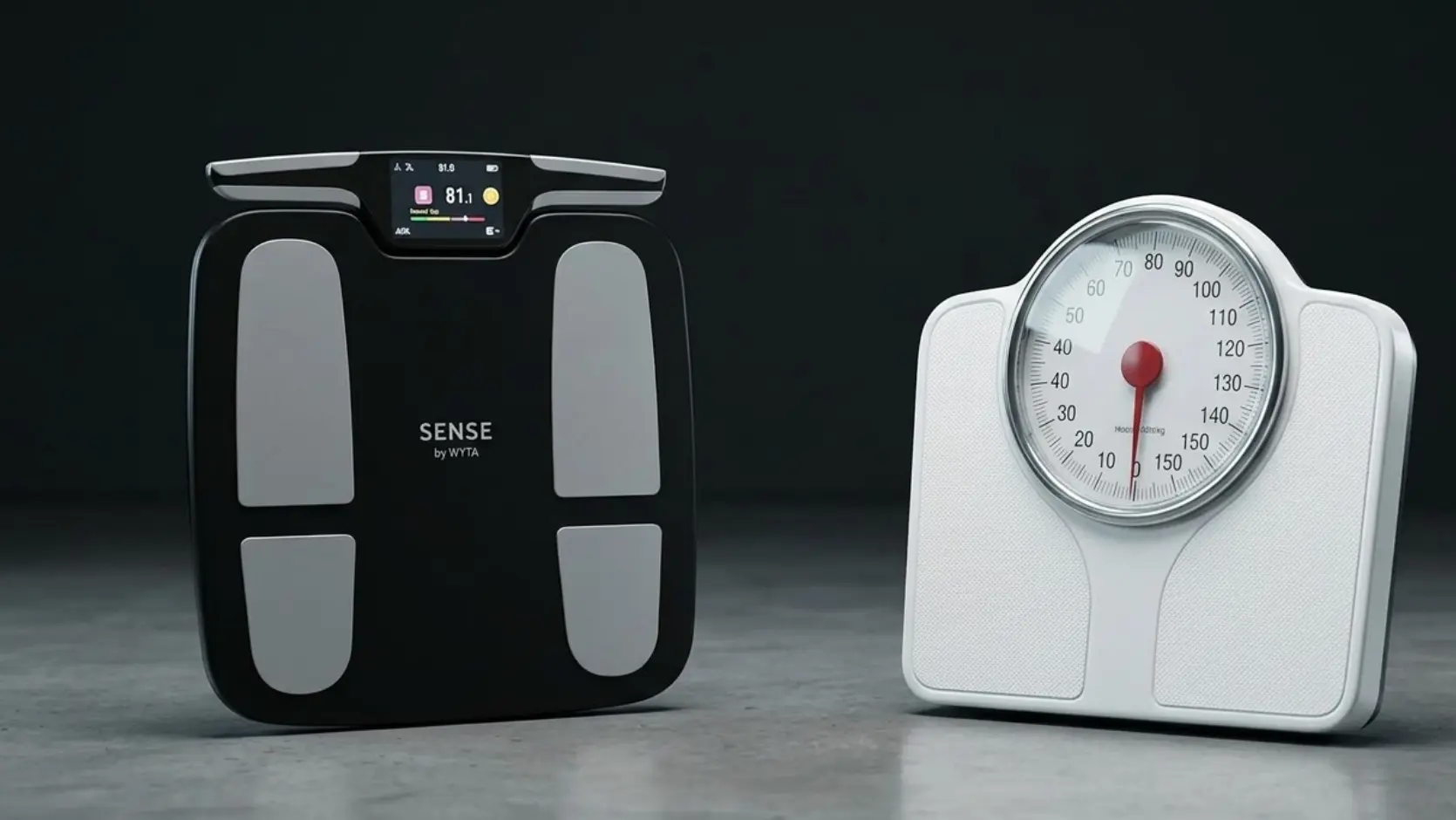
Traditional spring-and-dial scales that are battery-free, simple to use, and measure only body weight. They are affordable and durable but generally less precise than digital alternatives.
Digital Scales
Load-sensor-based scales that provide accurate and consistent weight measurements with a clear digital display. They are ideal for regular home use and offer better readability and precision than analog models.
Smart Scales
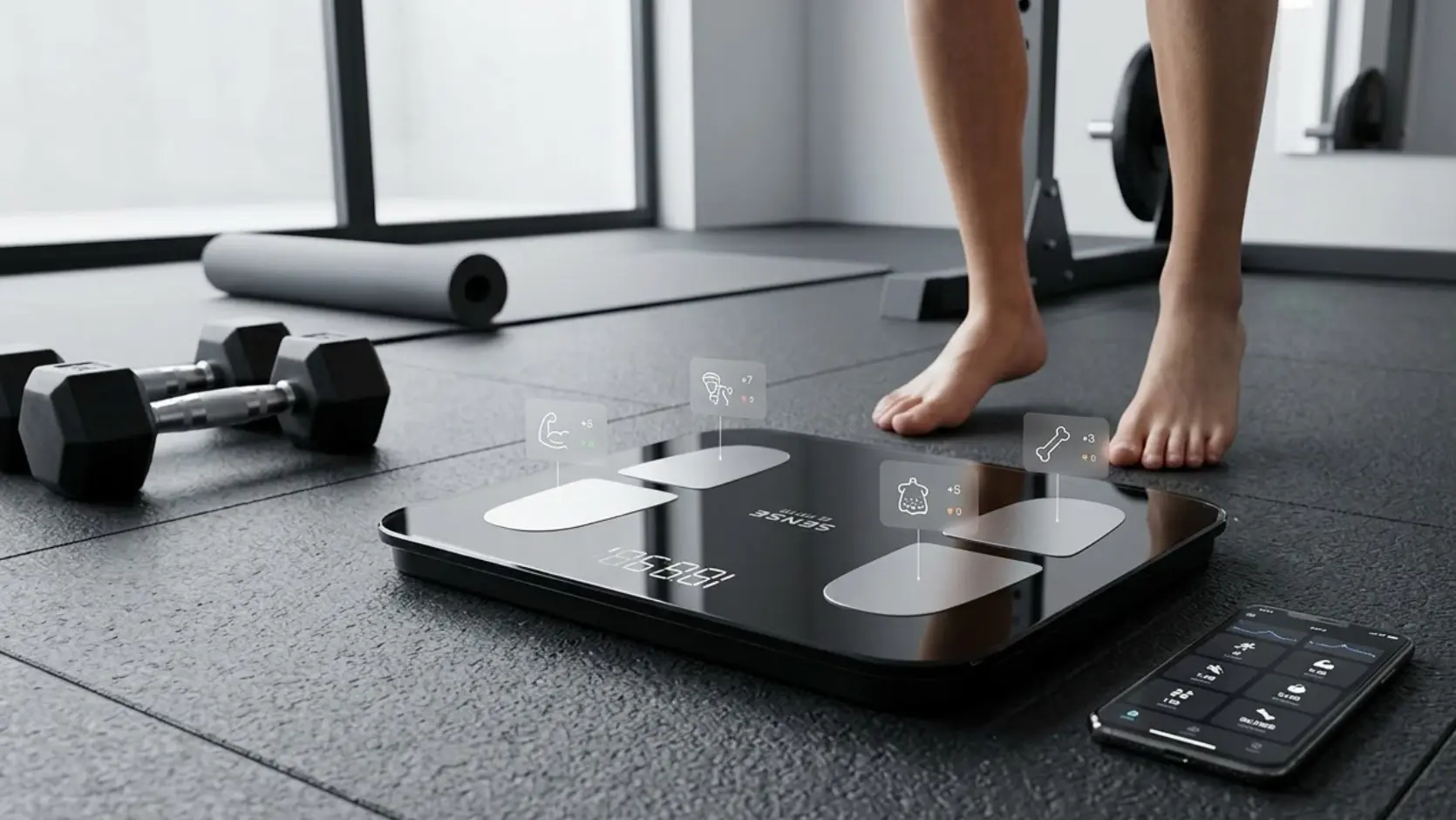
Digital scales that measure body weight while also estimating body composition metrics such as body fat, muscle mass, and body water. Most smart scales sync with a mobile app, allowing you to track your progress over time and gain deeper insights into your overall health and fitness.
Weight Scale vs Smart Scale
This is the choice that matters most. A basic weight scale shows only your weight – a single, useful but limited number. A smart scale shows your weight plus body fat, muscle and other metrics, and records everything in an app so you can follow the trends that truly reflect progress. For anyone with a fitness goal, that added context is the difference between guessing and knowing, which is why smart scales have become so popular with health-conscious users.
What a Smart Weight Scale Measures
A capable smart weight scale provides much more than a simple weight reading. By measuring multiple body composition metrics, it helps you better understand your overall health and fitness progress, making it easier to track changes over time rather than relying on weight alone.
Body Weight
Records your body weight automatically each time you step on the scale, making it easy to monitor daily, weekly, and long-term progress.
Body Fat Percentage
Often the most useful metric for fitness goals, helping you understand how much of your body weight comes from fat and how it changes over time.
Muscle Mass
Estimates your muscle mass, allowing you to confirm whether you are maintaining or building muscle during your fitness journey.
Body Water
Measures your estimated body water percentage, providing additional context for normal day-to-day weight fluctuations caused by hydration levels.
BMI and More
Calculates your Body Mass Index (BMI) for a quick health reference. Depending on the model, some smart scales also estimate additional metrics such as bone mass, protein percentage, or basal metabolic rate (BMR).
These metrics pair well with FITTR’s Body Fat Calculator and BMR Calculator, helping you better understand your measurements and turn them into a personalised fitness plan.
How to Choose a Weight Scale
Start by deciding whether you want weight only or body composition too, because that single choice narrows the field immediately. Then compare accuracy and consistency, weight capacity, display clarity, app features and price. If more than one person will use it, look for multi-user support. And buy from a brand with local warranty and support. Match those features to your goals and budget, and the right scale becomes clear.
How to Use a Weight Scale Accurately
A scale is only as good as how you use it. Place it on a hard, flat, level surface – never carpet. Weigh yourself at the same time of day, ideally in the morning after the bathroom and before eating, in similar clothing. Stand still and balanced. These habits remove the daily noise so the changes you see reflect your body, not the conditions. Consistency in how you weigh is just as important as the scale itself.
How Often Should You Weigh Yourself?
For most people, weighing a few times a week at the same time of day strikes the right balance – frequent enough to capture the trend, not so frequent that normal daily swings cause anxiety. Daily weighing is fine if you treat the numbers as data and focus on the weekly average, but if the scale starts affecting your mood, weighing less often is perfectly healthy. The trend over weeks matters far more than any single day.
Are Body Weight Scales Accurate?
Quality weight scales are accurate, and more importantly they are consistent, which is what counts for tracking progress. A scale that reliably gives the same reading under the same conditions lets you trust the trend, even if it differs by a little from another scale. Body-composition estimates are less precise than weight and should be read as trends, but for following your health over time, a good scale is more than accurate enough.
Weight Scales for Different Goals
How you use a scale depends on what you want. For fat loss, watch body fat and the weight trend together. For muscle gain, value muscle mass over the raw number. For maintenance, aim for a steady trend. Linking your scale data to your total daily energy expenditure and the difference between BMI and BMR helps you set targets that actually move those metrics.
Example: The FITTR Sense Smart Scale
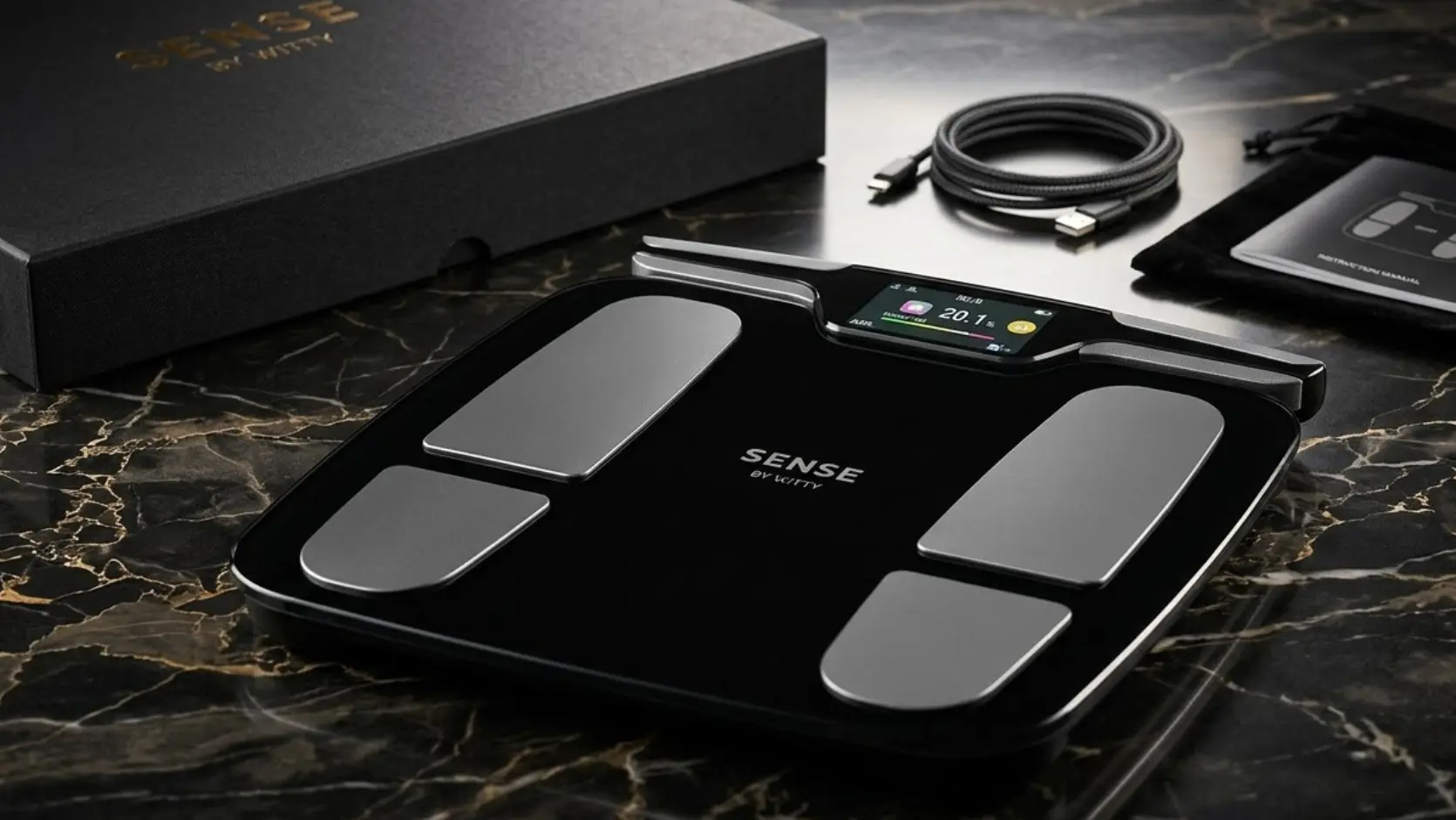
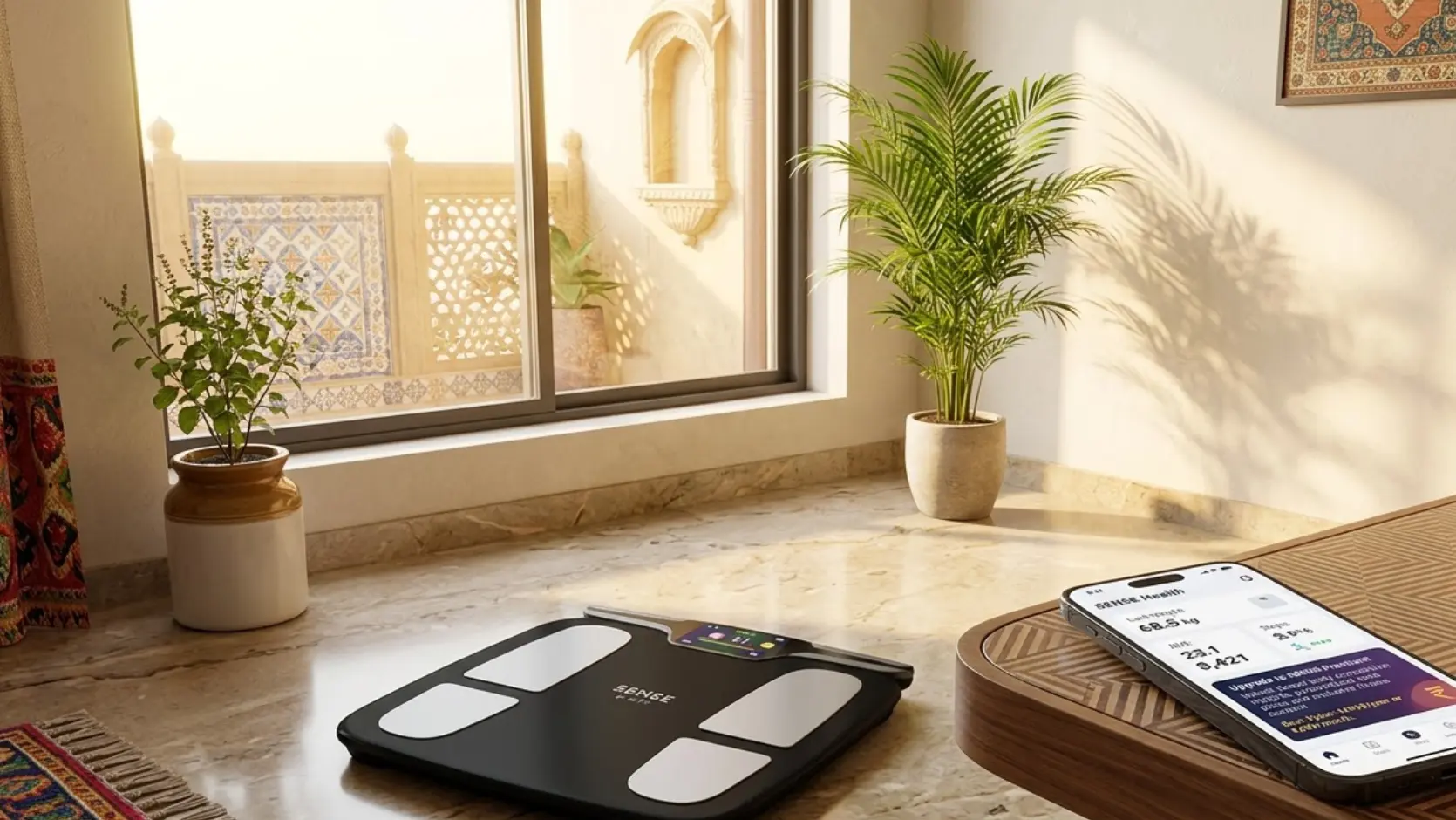
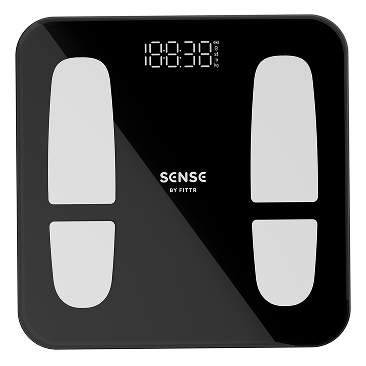
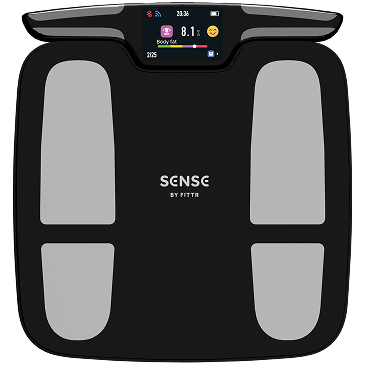
As an example of a modern smart weight scale, the FITTR Sense smart scale measures your weight and estimates body composition, then syncs to the FITTR app so you can track fat, muscle and your weight trend over time. It shows how much more a weight scale can offer once it becomes smart and connected.
Why a Weight Scale Matters for Health
A weight scale is one of the few genuinely objective health tools you can keep at home. How you feel and how your clothes fit are useful but subjective; the scale gives a consistent, repeatable number that does not flatter or mislead. Tracked over time, that objectivity lets you see whether your habits are working, catch unwanted drift early, and stay accountable to your goals. It is precisely this honest, repeatable feedback that makes the humble scale such a cornerstone of any fitness journey.
Reading Your Body-Composition Numbers
If you choose a smart scale, it helps to read its body-composition figures correctly. These are estimates rather than laboratory measurements, so the exact body-fat percentage may differ from a clinical test. What matters is the direction of travel: if your fat is trending down and your muscle is holding or rising over weeks, that pattern is reliable and meaningful, even if the absolute numbers are approximate. Judge progress by the movement of the trend under consistent conditions, not by any single reading.
The Weight Scale and the Bigger Picture
A weight scale is a valuable tool, but it is only one part of the bigger picture. It tells you your weight and, if it’s a smart scale, provides an estimate of your body composition. Pairing these measurements with a lean mass estimate gives you a better understanding of how much of your weight comes from muscle rather than fat.
Understanding the difference between BMI and BMR adds even more context to your health data. When combined with your scale readings, these metrics provide a more complete and accurate view of your overall health, fitness, and body composition than weight alone ever could.
Common Weight Scale Mistakes
A few habits undermine accurate tracking:
- Weighing on carpet or an uneven surface.
- Weighing at different times of day and comparing the numbers.
- Reacting to a single reading instead of the weekly trend.
- Judging progress by weight alone and ignoring body composition.
- Weighing so often that normal fluctuations cause stress.
Weight Scales in India
For Indian buyers, weight scales range from inexpensive basic models to feature-rich smart scales, all widely available. The sensible approach is to favour reputable brands with local warranty and support, and to choose a smart scale if your goals involve body composition.
Caring for Your Weight Scale
A weight scale needs little upkeep to stay reliable. Keep it on a hard, flat surface, wipe it clean of dust and moisture, replace the batteries before they run low, and avoid dropping or overloading it. Store it flat rather than propped against a wall, which can stress the sensors. With this minimal care, a quality scale will give you accurate, consistent readings for many years.
Building a Healthy Weighing Habit
A weight scale only helps if you use it consistently, so building a simple habit is worth the effort. Keep the scale somewhere you pass each morning, weigh under the same conditions, and glance at the trend in the app rather than fixating on the daily number. Make it a quick, neutral check-in rather than a moment of judgement. Done this way, weighing becomes an effortless part of your routine that quietly keeps your goals on track without ever becoming a source of stress.
Weight Scales and Motivation
Used well, a weight scale is a quiet motivator. Seeing your trend move in the right direction is genuinely encouraging, and seeing it stall or drift gives you an early, honest prompt to adjust before small slips become big ones. A smart scale amplifies this by showing body-composition progress that the raw weight can hide, so even a stationary scale number can reveal real gains. That steady, objective feedback is one of the most underrated tools for staying consistent over the long term.
Frequently Asked Questions
What is a weight scale?
A weight scale is a device that measures your body weight. A smart weight scale also estimates body composition like fat and muscle and syncs to an app.
How do I choose a weight scale?
Decide if you want weight only or body composition too, then compare accuracy, capacity, display, app features and price. Smart scales suit health and fitness goals best.
What is the difference between a weight scale and a smart scale?
A basic weight scale shows only weight; a smart scale adds body fat, muscle and other metrics, plus app tracking of trends.
Are body weight scales accurate?
Quality scales are accurate and consistent. For tracking progress, consistency and trends matter more than a single absolute number.
How often should I weigh myself?
For most people, a few times a week at the same time of day works well; focus on the weekly trend rather than daily fluctuations.
Choose the Right Scale for Smarter Health Tracking
A weight scale, body scale weight, or weight scale machine is far more than a number under your feet – it is an objective, repeatable window into your health, and a smart one turns that window into a full view of your body composition. Decide whether you want weight alone or the fuller picture, weigh consistently, and follow the trend over time. For anyone serious about a fitness goal, a smart weight scale like the FITTR Sense makes every step on the scale count toward real progress.