



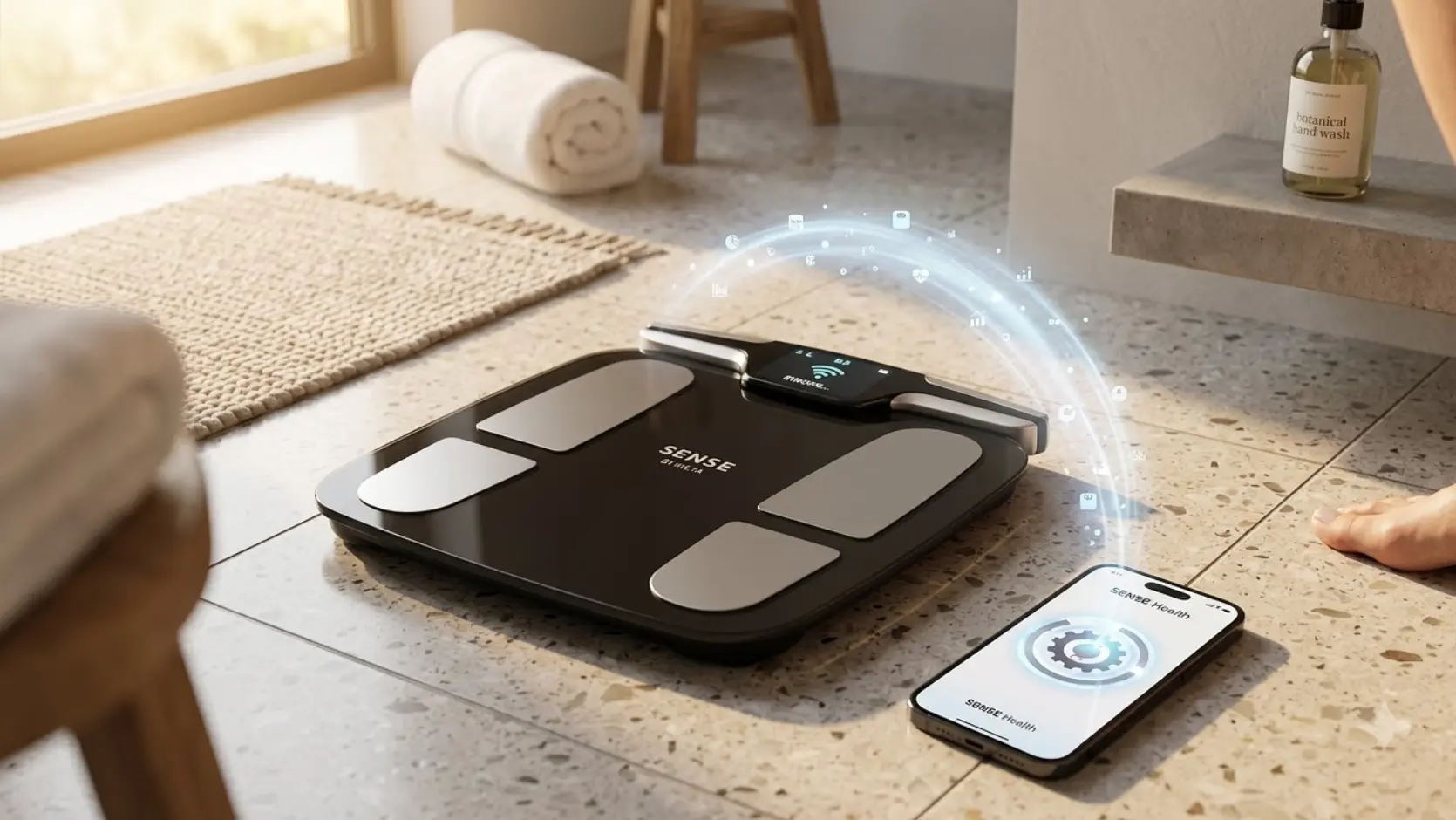
What Is a Smart Scale and How Does It Work?
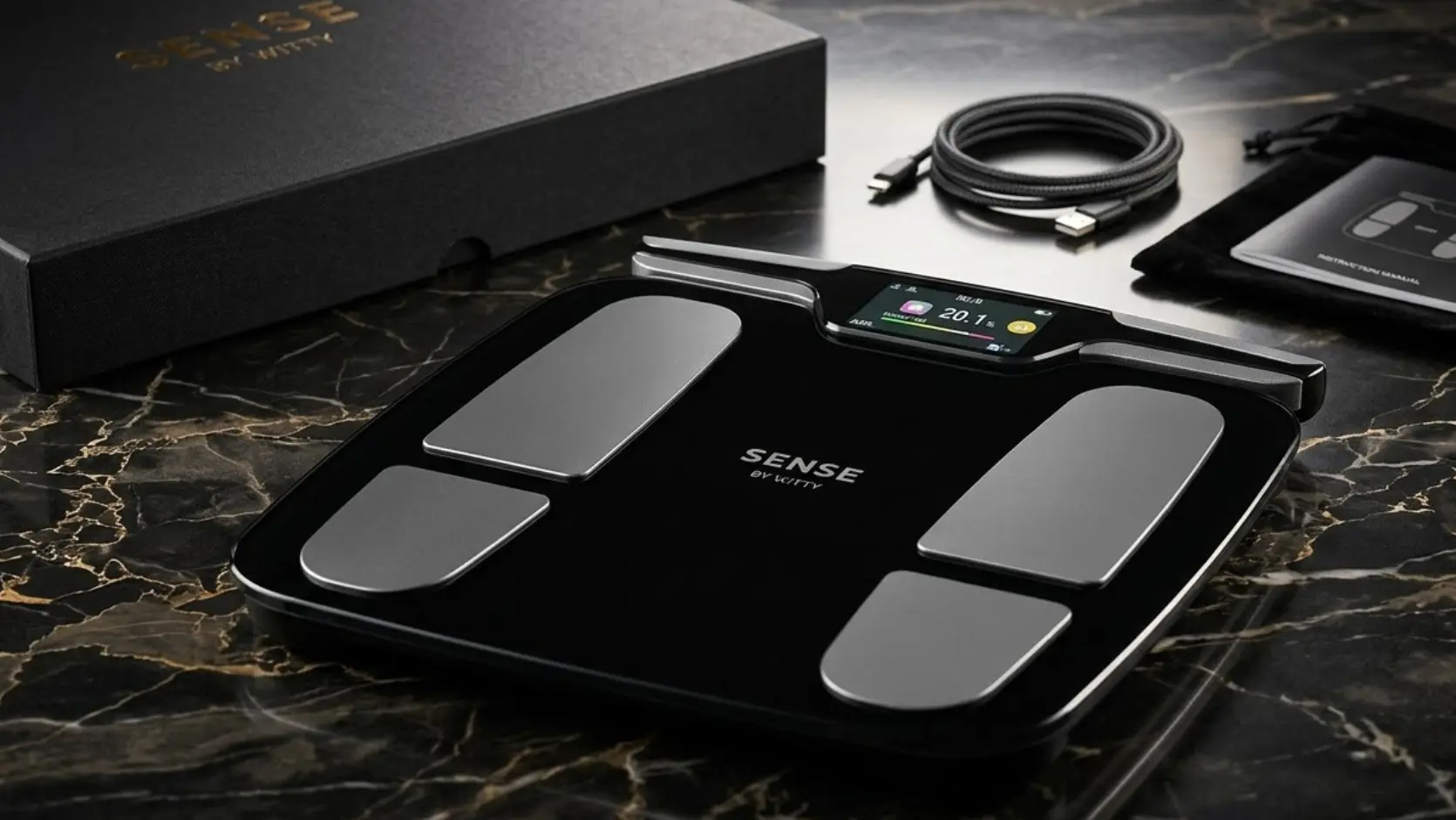
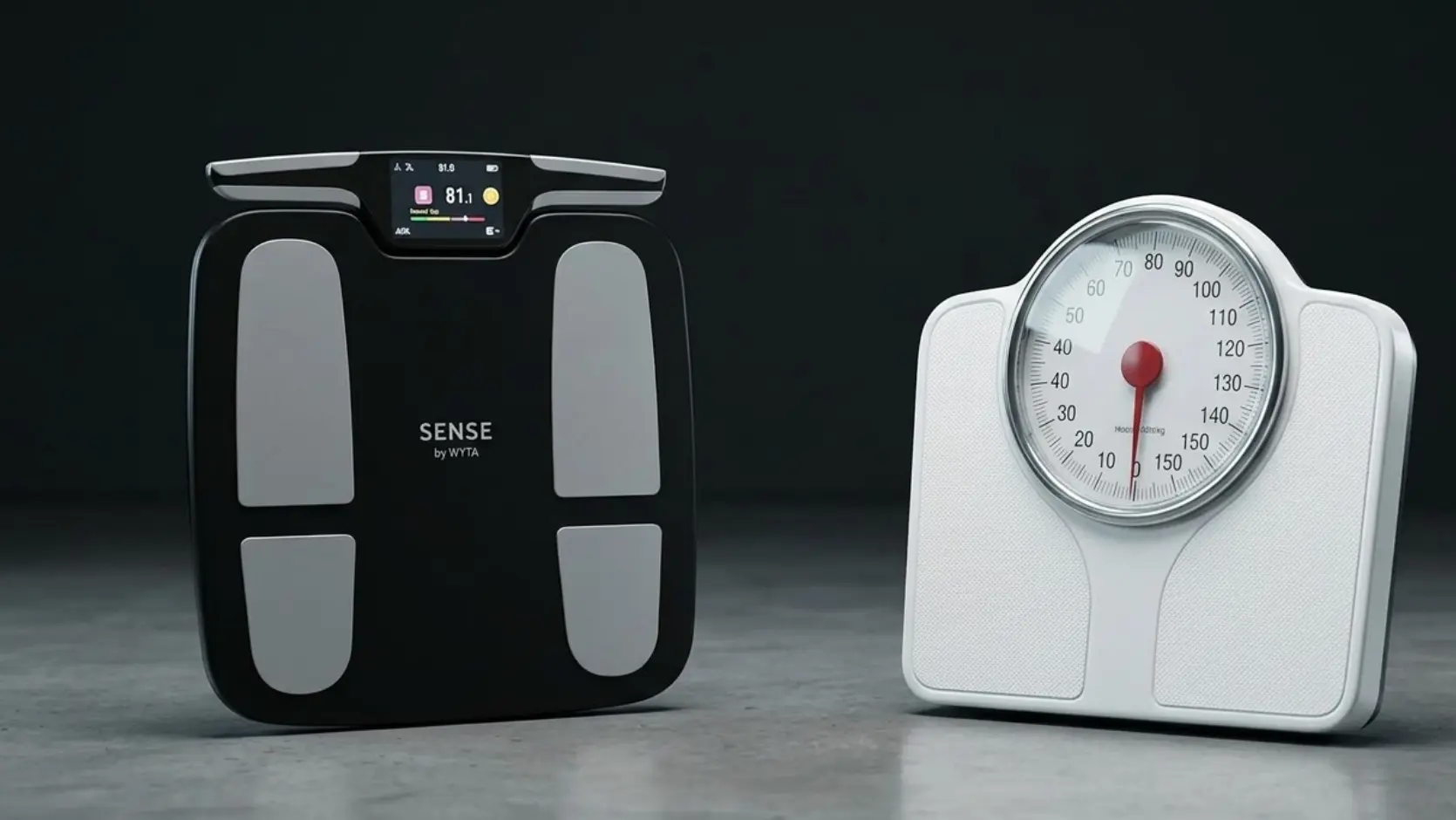
A smart scale does everything a basic scale does and then goes several steps further – estimating body composition, connecting to your phone, and automatically building a history of your progress. It turns a simple daily habit into genuine data. This guide explains exactly what a smart weight machine measures, how the underlying technology works, and how an intelligent scale differs meaningfully from a basic digital one, so you can decide if the upgrade is worth it for you. By the end, you will understand exactly what is happening inside a smart scale every time you step on it.
The Core Technology Behind a Smart Scale
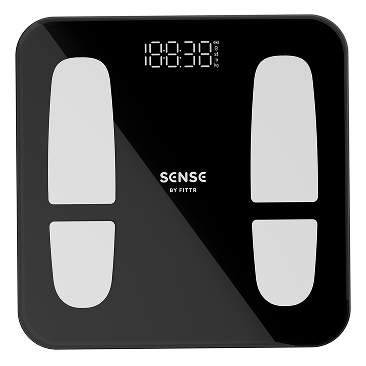
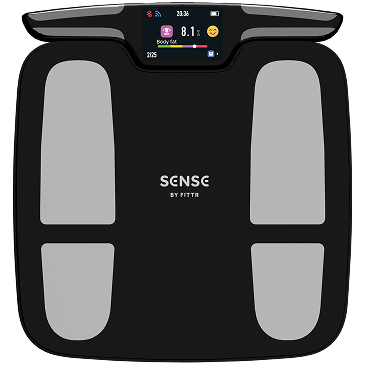
At the heart of most smart scales is bioelectrical impedance analysis (BIA). A very small, completely safe electrical current passes through your body via metal electrodes built into the platform, and the scale measures how much resistance that current meets. Because fat, muscle and water conduct electricity differently, this resistance data lets a smart weight machine estimate body fat percentage, muscle mass, water percentage and other metrics.
What a Smart Scale Typically Measures
Beyond total weight, a typical intelligent scale reports body fat percentage, skeletal muscle mass, body water percentage, and often BMI, calculated automatically from your height and weight profile. More advanced models add bone mass and visceral fat estimates. Each of these numbers tells a different part of your health story, and together they give a far fuller picture than weight alone – which is precisely the appeal of a smart scale over a basic one.
How a Smart Scale Connects to Your Phone
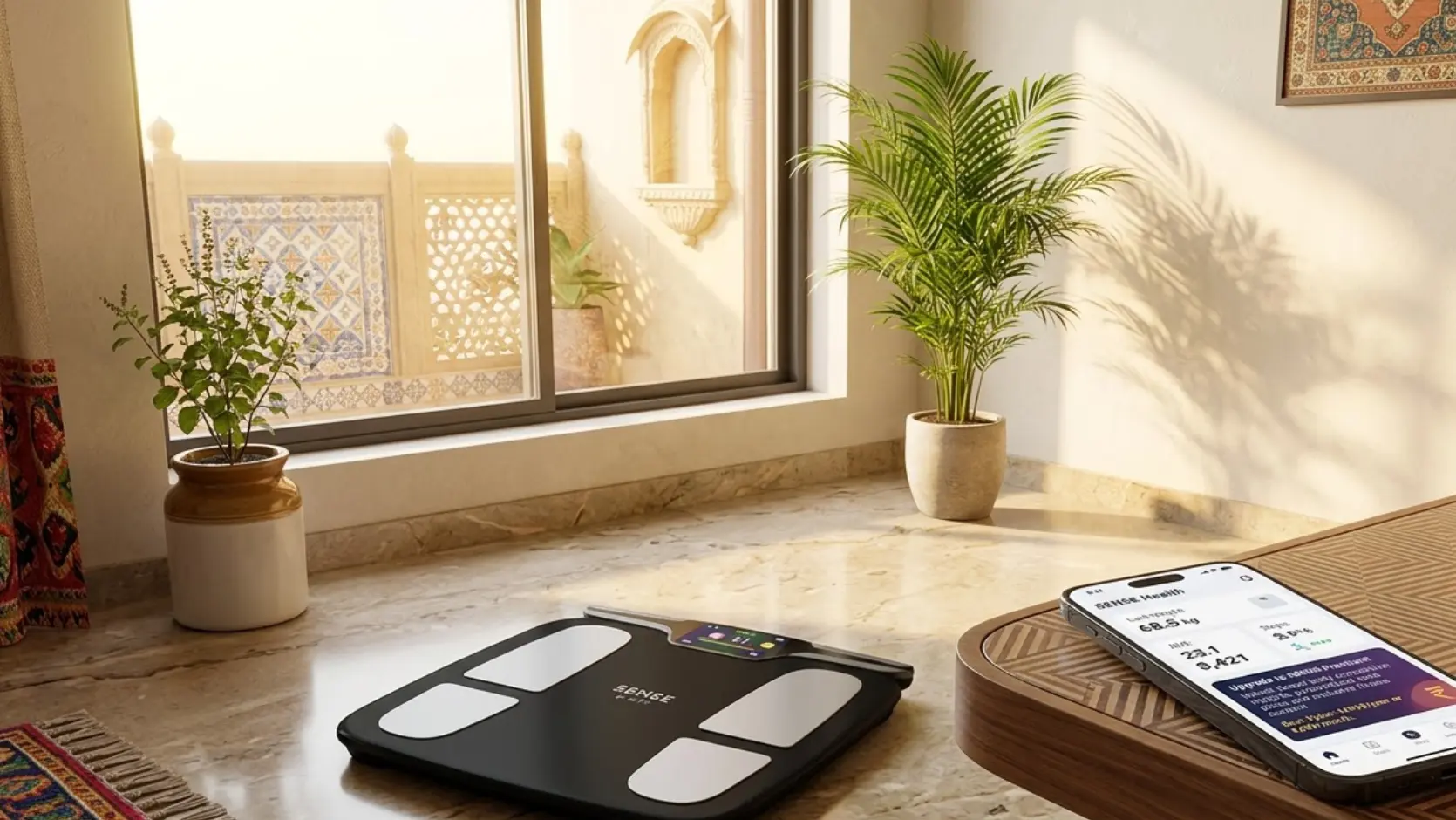
Most smart weight machines pair with a companion app via Bluetooth, automatically transmitting each reading the moment you step off the platform. No manual logging is required – the app builds your history in the background. This connectivity is what elevates an intelligent scale from a single-use tool to an ongoing tracking system, letting you see trend charts, set goals, and review your progress over weeks and months without any extra effort.
Multi-User Recognition in Smart Scales
A genuinely useful feature in most smart scales is automatic user recognition, where the device identifies who is standing on it based on their known weight and body composition profile, logging the reading to the correct person’s history. This matters enormously for households, since without it, a shared intelligent scale’s data becomes a confusing mix of everyone’s readings, undermining the entire purpose of individual trend tracking.
Accuracy: What a Smart Scale Gets Right (and Doesn’t)
The weight measurement from a smart scale is just as precise as any quality digital scale, since it uses the same load-sensor technology. Body composition estimates, however, are inherently less precise, since bioelectrical impedance is an indirect measurement affected by hydration and timing. Understanding this distinction matters: trust the weight reading directly, and read body composition figures as trends over weeks rather than exact numbers to obsess over on any single day.
Setting Up a Smart Weight Machine Correctly
Getting reliable data from a smart scale starts with correct setup: entering accurate height, age and gender into your profile, since these feed directly into the body composition calculations. An inaccurate profile skews every subsequent reading. Weigh with bare feet on the metal electrode plates, since socks or standing on the edge of the platform can prevent a clean bioelectrical impedance reading, leading to inconsistent or missing body composition data.
Comparing Smart Scale Apps
Since much of a smart scale’s value lives in its companion app, comparing apps matters as much as comparing hardware. Look for clear trend charts, straightforward goal-setting, and reliable syncing without frequent connection issues. A smart weight machine paired with a well-designed app turns raw numbers into genuinely useful insight; the same hardware paired with a clunky, unreliable app delivers far less real-world value, regardless of sensor quality.
Is a Smart Scale Worth It Over a Basic One?
For anyone with a specific fitness goal – fat loss, muscle gain, or body recomposition – a smart scale’s body composition tracking genuinely adds value that a basic weight-only scale cannot provide. It answers not just “how much” but “of what.” If your only goal is simple weight monitoring for general health, a basic digital scale delivers everything you need, and the added cost of an intelligent scale may not translate into value you will actually use.
Common Smart Scale Myths
A few misconceptions come up often.
- Body composition numbers from a smart scale are estimates, not lab-grade measurements, and are best read as trends.
- A smart scale does not need to be used every single day to be useful – consistent use at any regular interval works.
- Bluetooth connectivity issues are usually a phone or app setting problem, not a sign the scale itself is faulty.
- A higher price does not automatically mean a more accurate intelligent scale – sensor quality and app design matter more than cost alone.
- Multi-user smart scales do not always require a subscription; check the specific model, as this varies.
Choosing the Right Smart Scale for You
When choosing between smart weight machine options, prioritise sensor quality and app reviews over the length of the feature list. A model with fewer bells and whistles but reliable, well-reviewed core functionality typically serves you better long-term. Consider how many people in your household will use it, whether multi-user recognition matters, and which specific metrics – fat, muscle, water, or all three – actually align with your goals before choosing a specific intelligent scale.
Privacy and Data Considerations
Since a smart scale collects genuinely personal health data – weight, body composition, and sometimes location or usage patterns through its app – it is worth checking how that data is stored and whether it is shared with third parties before connecting your intelligent scale to an account. Reputable smart weight machine brands typically publish a clear privacy policy covering what is collected and how it is used; taking a few minutes to review this before setup is a reasonable step for any connected health device.
Integrating a Smart Scale Into a Broader Fitness Routine
A smart scale delivers the most value when its data feeds into a broader routine rather than existing in isolation. Many apps allow exporting or syncing body composition and weight trends alongside training logs and nutrition tracking, creating a more complete picture of how your training and diet are actually affecting your body. Checking a scale’s readings once a week against your training log – noting whether muscle mass is holding steady during a cut, or rising during a bulk – turns an intelligent scale into a genuinely useful part of a structured fitness plan.
Common Setup Mistakes That Skew Readings
A few setup mistakes commonly undermine smart scale accuracy without users realising it. Entering an incorrect height or age in your profile skews every body composition calculation that follows, since these figures feed directly into the bioelectrical impedance formula the scale uses. Weighing with wet feet, standing on the edge rather than fully on the electrode plates, or wearing socks are other common causes of inconsistent or missing body composition readings from an otherwise well-functioning smart weight machine.
The Future of Smart Scale Technology
Smart scale technology continues to improve, with newer intelligent scale models adding more sensor points for more localised body composition estimates, tighter integration with broader health and fitness platforms, and improved algorithms that account for factors like exercise timing and hydration status when calculating body composition. While these advances gradually improve accuracy, the fundamental principle of reading body composition as a trend rather than an exact figure remains true even for the most advanced smart weight machine currently available.
Smart Scales and Broader Smart Home Ecosystems
Many smart scale brands now integrate with broader smart home and health ecosystems, allowing weight and body composition data to appear alongside sleep tracking, activity data from a fitness band, and nutrition logs within a single connected dashboard. When choosing a smart weight machine, checking compatibility with any fitness tracker, health app or ecosystem you already use can meaningfully improve the day-to-day value of an intelligent scale.
When a Smart Scale Might Not Be the Right Choice
Despite the genuine benefits, a smart scale is not the right choice for everyone. Anyone uncomfortable sharing health data with an app, or who simply wants the fastest, simplest possible weigh-in without any setup, may find a basic digital scale better suited to their preferences than a fully connected intelligent scale.
Smart Scales for Different Fitness Goals
Different fitness goals benefit from paying attention to different metrics on a smart scale.
Fat-Loss Phase
During a fat-loss phase, watching the combination of falling weight and falling body fat percentage together, while muscle mass holds steady, confirms fat loss is happening for the right reasons rather than muscle loss.
Muscle-Building Phase
During a muscle-building phase, a slower rise in weight alongside a genuine rise in muscle mass, with body fat percentage staying roughly stable or rising only modestly, indicates an efficient lean bulk.
Frequently Asked Questions
What is a smart scale?
A smart scale is a digital weighing scale that also estimates body composition using bioelectrical impedance and connects to a companion app to track trends over time.
How does a smart weight machine measure body fat?
It uses bioelectrical impedance analysis, passing a small safe electrical current through the body and measuring resistance to estimate fat, muscle and water.
Is an intelligent scale more accurate than a basic scale?
The weight measurement is equally accurate; the added value is body composition data, which is an estimate best read as a trend.
Do I need to connect my smart scale to an app?
Not strictly, but the app is where most of the tracking value lives, automatically logging and charting your readings over time.
Is a smart scale worth buying over a basic digital scale?
It is worth it if you have a specific fitness goal like fat loss or muscle gain; a basic scale is enough for general weight monitoring.
Measure Better, Live Stronger
A smart scale, smart weight machine, or intelligent scale all do the same core job – pairing precise weight measurement with bioelectrical impedance estimates and automatic trend tracking. An intelligent scale is a genuine upgrade if you’ll actually use the data it gives you. To make the most of your readings, Fittr’s body fat calculator can help you turn body composition trends into an actual training response.