

What Are Oats Made Of? The Short Answer
Oats are made from a single ingredient: the seed of the oat plant, a cereal grass known botanically as *Avena sativa*. Nothing is mixed in to create plain oats. Every flake in a packet of rolled oats started life as a whole grain growing on a tall, grassy stalk in a field.
So when people search for what oats are made from, or what the oats made from a field look like before they reach a packet – or type “oats kisse banta hai” – the honest answer is that oats are not “made” the way biscuits or cornflakes are. They are harvested, cleaned, de-husked and then cut, steamed or flattened. What changes from one packet to another is how much processing that whole grain goes through.
This guide walks through the whole journey, from the oat plant to your breakfast bowl, and explains what each step does to nutrition, cooking time and texture. It also covers what gets added to flavoured and protein oats, so you know exactly what you are eating.
What Is Oats? The Oat Plant Explained
The oat plant is a cool-season cereal grass, related to wheat, barley and rye. It grows roughly 60-150 cm tall and, instead of a tight ear like wheat, carries its grains in loose, drooping clusters called panicles. Each small cluster holds spikelets, and each spikelet contains one to three grains wrapped in tough outer husks.
The Parts of an Oat Grain
Each oat grain has the same basic structure as other whole grains:
| Part | What it is | What it contributes |
| Hull (husk) | Hard, inedible outer shell | Removed during processing |
| Bran | Outer skin of the edible kernel | Most of the fiber, including beta-glucan, plus minerals |
| Germ | The seed’s embryo | Healthy fats, vitamin E, B vitamins |
| Endosperm | Starchy centre | Most of the carbohydrate and a good share of protein |
Once the hull is removed, the edible kernel is called an oat groat. This is the key point: oats are made up of the whole groat – bran, germ and endosperm together. That is why all plain oats count as a whole grain, whether they are steel cut, rolled or instant.
Where Oats Grow
Oats prefer cool, moist climates. Large producers include Russia, Canada, Poland and Australia. In India, oats are grown on a smaller scale, largely as fodder in the north, so many packets on Indian shelves use imported grain.
How Oats Are Made: From Field to Factory
Understanding how oats are made helps explain why different packets cook and taste so differently.
Step 1: Harvesting and Cleaning
Oats are harvested when the grains are mature and dry. At the mill, they are cleaned to remove stones, straw, weed seeds and other grains. Many mills also sort the grain by size so each batch processes evenly.
Step 2: Dehulling
The tough hull is removed, usually by impact dehulling, where grains are thrown against a hard surface so the husk cracks away. What remains is the groat.
Step 3: Kilning (Heat Treatment)
Oats contain natural enzymes, including lipase, that can turn their fats rancid once the grain is broken. Groats are steamed and dried in a process called kilning, which deactivates those enzymes, extends shelf life and gives oats their mild, toasty flavour.
Step 4: Cutting, Steaming or Flattening
From here, the groats are shaped into the different types of oats you see on shelves. That final step is what separates steel cut from rolled from instant.
Groats to Steel Cut, Rolled and Instant
All the common types of oats are made from the same groat. They simply differ in how much they are cut, steamed and pressed.
| Type | How it is made | Cooking time | Texture |
| Oat groats | Whole kernel, only dehulled and kilned | 45-60 min | Chewy, rice-like |
| Steel cut oats | Groats chopped into 2-3 pieces with steel blades | 20-30 min | Nutty, chewy |
| Rolled oats | Groats steamed and flattened between rollers | 5-10 min | Soft but holds shape |
| Quick oats | Rolled thinner and often cut smaller | 2-3 min | Softer, creamier |
| Instant oats | Pre-cooked, dried and rolled very thin | 1-2 min or just hot liquid | Smooth, porridge-like |
For a closer look at the two most popular kinds, see our guides to steel cut oats and rolled oats. If you are choosing specifically for fat loss, our comparison of rolled vs steel cut vs instant oats goes deeper.
What About Oat Flour and Oat Bran?
Oat flour is rolled oats or groats ground fine. Oat bran is the outer layer separated during milling, so it is especially rich in fiber and beta-glucan.
Does Processing Change Oats Nutrition?
Per gram, plain steel cut, rolled and instant oats have nearly the same nutrition, because all of them still contain the whole groat. Here is what plain rolled oats provide:
| Per serving (dry) | Calories | Protein | Carbs | Fiber | Fat |
| 40 g | 156 kcal | 6.8 g | 26.5 g | 4.2 g | 2.8 g |
| 100 g | 389 kcal | 16.9 g | 66.3 g | 10.6 g | 6.9 g |
Indian brand labels typically show 370-390 kcal and 12-14 g protein per 100 g, so check the pack you buy. For the full breakdown, read our guide to oats nutrition.
Where Processing Does Make a Difference
- Digestion speed: the thinner and more pre-cooked the oats, the faster they digest.
- Glycemic index: steel cut oats sit around 52-55, rolled around 55-59, quick oats around 65-66 and instant oats around 79-83, though values vary by study and preparation. See our oats glycemic index guide.
- Fullness: chunkier oats tend to feel more filling for longer.
- Convenience: instant oats win on speed, which matters on busy mornings.
What Else Goes Into Packaged Oats?
Plain oats should list one ingredient – oats. Flavoured and ready-to-cook products are a different story.
Masala and Flavoured Oats
Masala oats often add salt, spices, dehydrated vegetables, flavour enhancers, starch and sometimes oil. Sweet flavoured oats can add sugar, milk solids, flavourings and dried fruit. None of these are a problem in moderation, but they change the calorie, sugar and sodium numbers, so always read the label. Our guide to masala oats shows how to make a lighter version at home.
Protein Oats
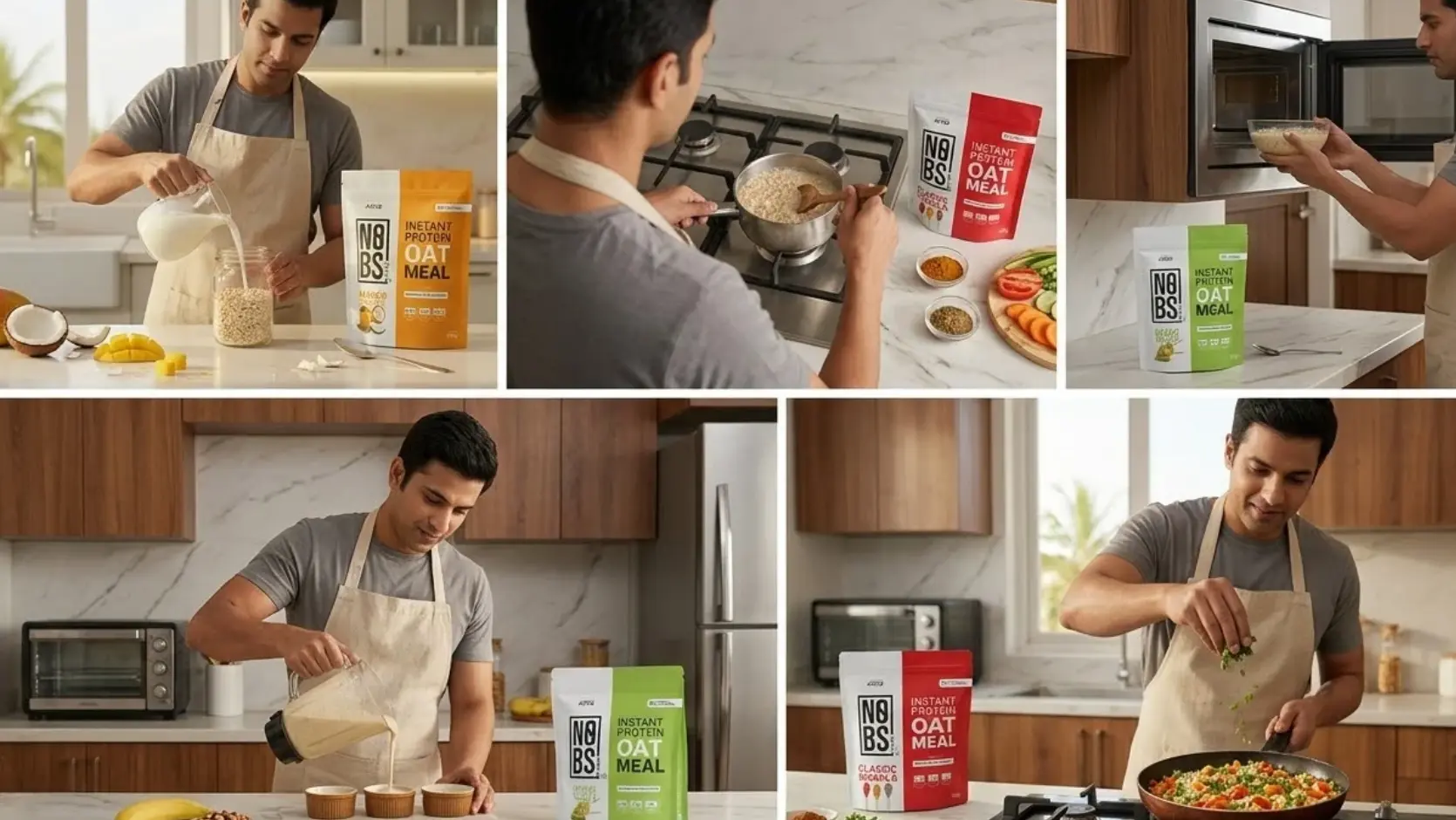
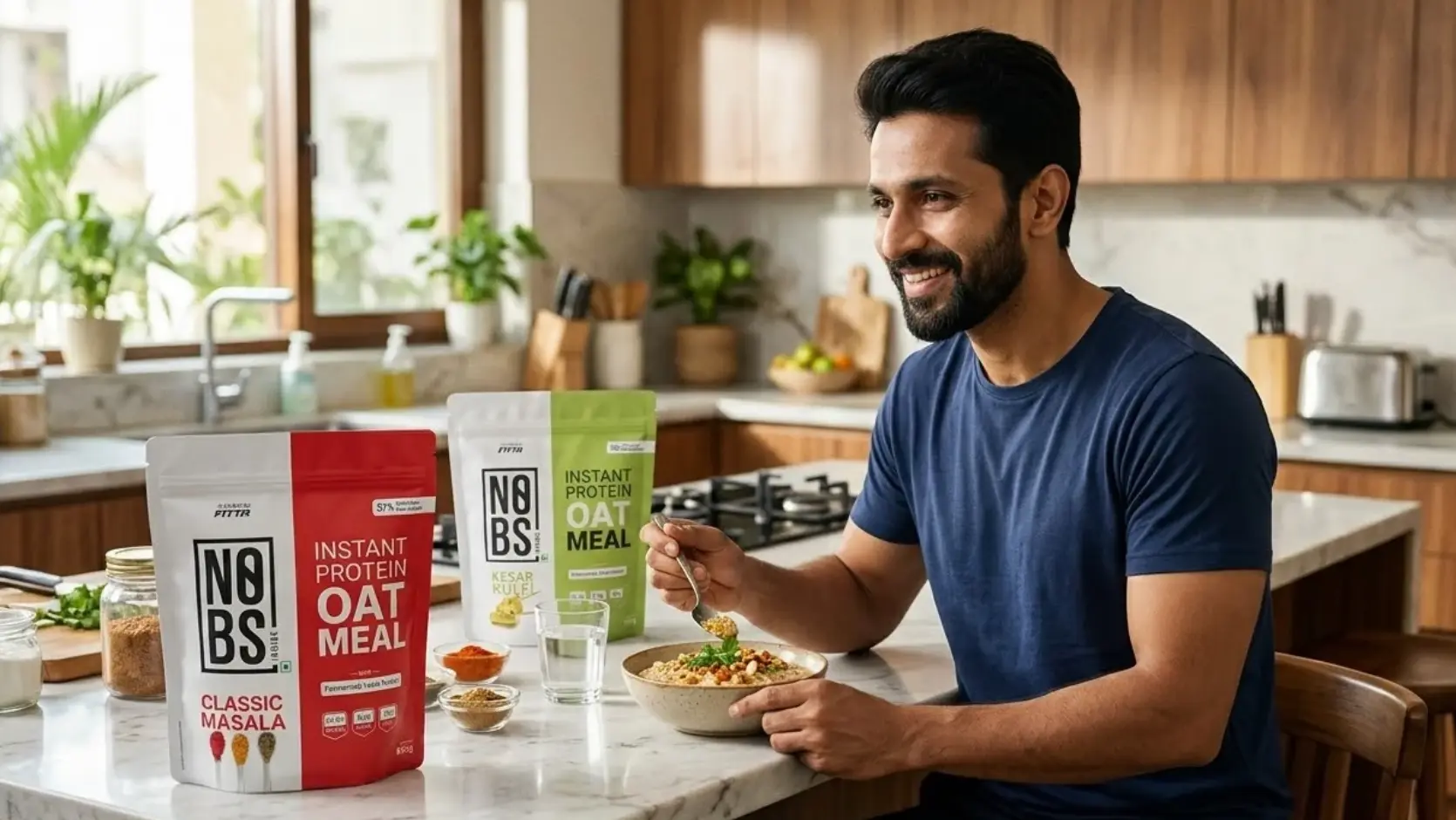
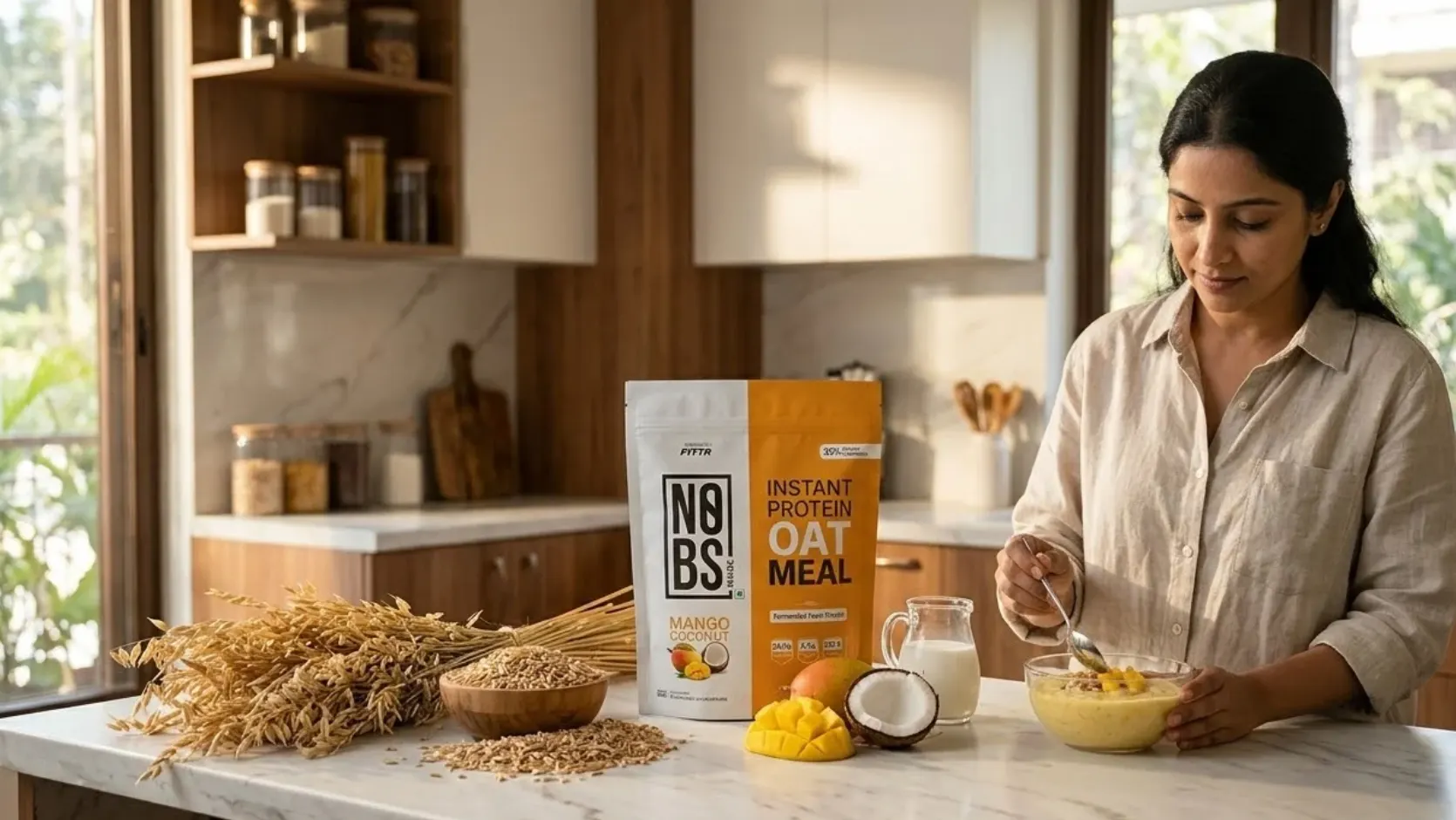
Protein oats combine oats with an added protein source to lift the protein per serving. No BS Protein Oats, for example, pairs oats with complete yeast protein (PDCAAS 1.0) to deliver 26-32 g of protein per serving, with no preservatives, no artificial flavours and no empty fillers. It is dairy-free and comes in Classic Masala, Mango Coconut and Kesar Kulfi flavours.
Are Oats Gluten Free?
Oats do not contain gluten in the way wheat, barley and rye do, but they contain a related protein called avenin. Most people tolerate avenin well. The bigger issue is cross-contamination, because oats are often grown, transported and milled alongside wheat. If you have coeliac disease or a diagnosed gluten intolerance, choose oats labelled “certified gluten-free” and speak to your doctor first. Our dedicated guide on gluten-free oats explains this in detail.
Oats Plant vs Oat Grass vs Oat Milk: Clearing the Confusion
Searches for the oats plant often turn up related products that come from the same crop but are very different foods.
Oat Grass
Oat grass is the young green shoot of the oat plant, harvested before grains form and sold as juice or powder. It has little in common with breakfast oats nutritionally.
Oat Milk
Oat milk is oats blended with water, often enzyme-treated and strained, with oil, salt and vitamins usually added. It is much lower in protein than dairy milk, so it is not a like-for-like swap if protein is your goal.
Myths vs Facts About How Oats Are Made
| Myth | Fact |
| Instant oats are a “fake” or refined food | Instant oats are still whole-grain oats, just rolled thinner and pre-cooked |
| Rolled oats are made from flour pressed into flakes | Rolled oats are whole groats steamed and flattened, not reconstituted flour |
| Steel cut oats have far more protein | Protein per gram is almost identical across plain oat types |
| All oats packets are just oats | Flavoured and masala packs can add sugar, salt, oil and flavour enhancers |
How to Choose Oats Now That You Know How They Are Made
Knowing what oats are made of makes shopping much simpler. Use this checklist:
- Ingredients list: for plain oats, it should say only “oats” or “rolled oats”.
- Type: pick steel cut for slower digestion, rolled for an everyday balance, instant for speed.
- Added sugar and sodium: compare flavoured packs against plain oats per serving.
- Protein per serving: if you train or are cutting, look for 20 g or more per bowl, either by adding milk, curd or whey, or by choosing a protein oatmeal.
- Gluten status: choose certified gluten-free if you need it.
Tracking What Works for You
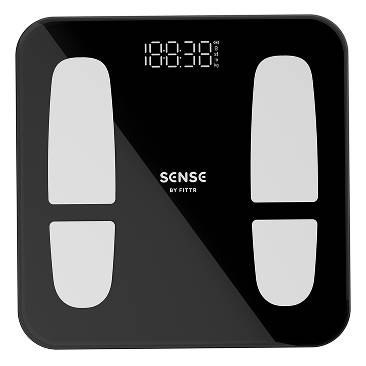
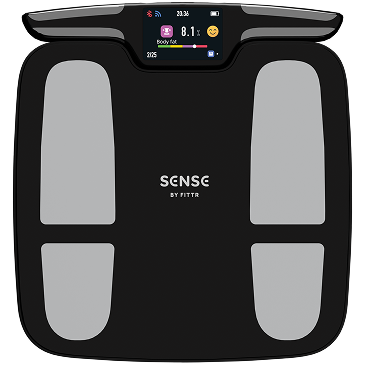
Your body is the final test. Pair a consistent oats routine with weekly check-ins on a SENSE Smart Scale to see whether your breakfast choice supports your fat-loss or muscle-gain goal over time.
The Bottom Line
Oats are made from one thing – the whole grain of the oat plant. After harvesting, cleaning, dehulling and kilning, the groat is either left whole, chopped into steel cut oats, steamed and flattened into rolled oats, or rolled very thin and pre-cooked into instant oats. Each version keeps the bran, germ and endosperm, so all plain oats remain whole grain.
What changes is cooking time, texture and how fast oats digest. And when you buy flavoured, masala or protein oats, the extra ingredients – good or bad – are what make the real difference, so the label is always worth a 10-second read.
Frequently Asked Questions
What are oats made of?
Plain oats are made of one ingredient: the whole grain (groat) of the oat plant, *Avena sativa*. It contains the bran, germ and endosperm, which is why oats count as a whole grain.
Oats kisse banta hai?
Oats ek anaj ke paudhe se aata hai jise oat plant (Avena sativa) kehte hain. Iske daane ko saaf karke, chhilka hata kar, steam karke aur chapta karke oats banaye jaate hain.
How are rolled oats made?
Rolled oats are made by steaming dehulled oat groats and then flattening them between large rollers. This makes them cook faster than whole or steel cut oats.
Are instant oats made differently from rolled oats?
Yes. Instant oats are pre-cooked, dried and rolled thinner than regular rolled oats, so they cook in a minute or two. Nutrition per gram is almost the same.
Do oats contain gluten?
Oats contain avenin rather than wheat gluten, but they are often cross-contaminated during farming and milling. People with coeliac disease should choose certified gluten-free oats.
What is added to flavoured oats?
Flavoured and masala oats can include sugar, salt, spices, oil, milk solids, dried vegetables or fruit and flavourings. Always compare the label with plain oats.
From the Field to a Better Bowl
What is oats, what are oats made of, how oats are made or “oats kisse banta hai” – whichever way you ask, the answer starts with a simple whole grain. The smartest choice is a bowl that keeps that whole grain and adds enough protein to match your goals.
Try No BS Protein Oats for a whole-grain base with 26-32 g of complete protein per serving, or stock up with the combo pack so your next good breakfast is always within reach.