




Buying Your First Weighing Scale for Human Use
A weighing scale for human use is a specific category with its own requirements – different from a kitchen scale or commercial trade equipment – built around comfort, safety, and repeatable accuracy for a person standing on the platform. This buyer’s guide walks through everything worth knowing before purchase. Whether you’re replacing an old scale or buying your first body weight machine, understanding the fundamentals covered here helps you choose confidently rather than guessing based on marketing claims or price alone.
Key Features to Look For
Platform Size and Standing Comfort
A weighing scale for human use needs a platform large enough for a genuinely comfortable, stable stance, particularly for larger users or anyone who feels unsteady on a narrow scale. Look for a non-slip textured or tempered-glass surface that stays secure even with wet feet after a shower. Comfort matters more than it might seem at first, since a scale that feels unstable or cramped discourages consistent daily use, undermining the entire purpose of buying a body weight machine for regular health tracking in the first place.
Weight Capacity for Human Use
Every weighing scale for human use has a maximum rated capacity, typically between 150 and 180 kilograms for standard household models, though higher-capacity options exist for households that need them. Checking this figure against your heaviest household member, with reasonable margin, is essential before buying. A body weight machine used at or above its rated capacity gives less reliable readings and wears out its internal sensors faster, making this one of the most important specifications to verify rather than skip past when comparing options.
Sensor Technology for Human Weighing
Quality weighing scales for human use rely on four-point load sensors, one at each corner of the platform, which average readings and correct for standing slightly off-centre. This design is standard across well-made digital scales and directly affects how consistent your readings are from one weigh-in to the next. Cheaper single-sensor designs can give less reliable readings if you’re not standing precisely centred, which matters more in practice than most buyers initially expect when comparing similarly priced body weight machine options.
Digital vs Analog for Body Weight
Nearly every modern recommendation for a weighing scale for human use points toward digital over analog, since digital sensors offer sharper precision and don’t suffer the same gradual spring-wear drift that affects mechanical designs over years of regular use. Digital displays also remove any ambiguity in reading the exact number. Analog scales can still work for occasional or casual use, but for anyone tracking meaningful changes over time, a digital body weight machine is the clearly better choice for consistent, easily interpreted results.
Body Composition Features for Human Scales
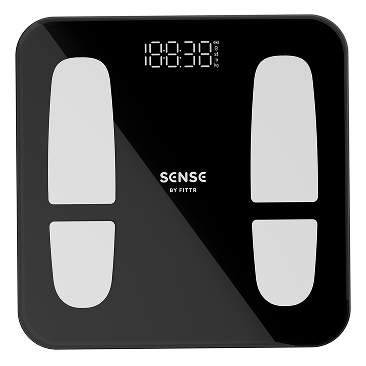
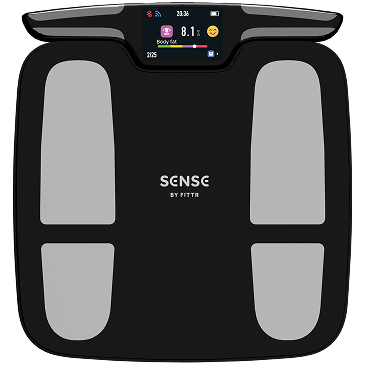
Beyond basic weight, many weighing scale for human use models now estimate body fat, muscle mass and water percentage using bioelectrical impedance sensors built into the platform. This turns a simple weighing device into a genuine health-tracking tool for anyone with a specific fitness goal. If your goal is purely general weight monitoring, a basic weight-only body weight machine is entirely sufficient, and skipping body composition tracking can save on cost without losing anything you’d actually use regularly.
App Connectivity and Long-Term Tracking
A smart weighing scale for human use that connects to a companion app automatically logs every reading and builds a trend chart over time, removing the need to manually track numbers yourself. This is genuinely valuable for anyone serious about monitoring progress toward a specific goal. When comparing app-connected body weight machine options, check reviews of the companion app itself, not just the scale hardware, since a great scale paired with a poorly designed app delivers considerably less real-world value than the specifications alone suggest.
Multi-User Support for Households
If more than one person will use the weighing scale for human use, automatic multi-user recognition matters considerably, particularly for smart scales tracking body composition. Without it, a shared body weight machine’s data history becomes a confusing mix of everyone’s readings. Checking the stated number of supported user profiles is worth doing before buying if this matters to your household, since budget models often support fewer profiles than premium options with more sophisticated recognition systems built in.
Placement and Setup for Accurate Human Weighing
Getting reliable readings from any weighing scale for human use depends as much on correct setup as the scale’s own quality. Place it on a hard, flat, level surface – tile or wood, never carpet – and weigh at a consistent time of day, ideally first thing in the morning before eating or drinking. Standing still and centred on the platform each time removes another common source of inconsistency, ensuring your body weight machine gives you a genuinely comparable number from one weigh-in to the next rather than noise you have to mentally filter out.
Maintenance for Long-Term Accuracy
A weighing scale for human use holds its accuracy longer with basic care: keep it clean and dry, replace the battery before it fully drains, avoid dropping or overloading it beyond rated capacity, and store it flat rather than propped against a wall, which can stress internal sensors over time. These simple habits cost nothing and are the single biggest factor in whether your body weight machine still reads true after several years of regular daily or weekly use in an ordinary household setting.
Common Buying Mistakes to Avoid
A few mistakes come up repeatedly when choosing a weighing scale for human use. Buying based on the lowest price alone without checking sensor quality or reviews often leads to inconsistent, short-lived scales. Ignoring weight capacity for a multi-person household is another frequent oversight worth avoiding. Skipping app reviews for smart body weight machine models, and not checking return or warranty policies before purchase, round out the most common pitfalls, all easily avoided by taking a little extra time before finalising your decision.
Weighing Scales for Human Use in Special Situations
Certain households have needs beyond the standard weighing scale for human use – very large capacity requirements, users with mobility considerations who need extra platform stability, or families wanting a scale that works well for both children and adults across a wide weight range. Identifying these needs upfront narrows your search considerably. For households with a wide range of user weights, checking that a body weight machine’s accuracy remains consistent across its full rated range, not just near the middle, is worth confirming through reviews before buying, since some budget scales are less reliable near their maximum capacity than in typical use ranges.
Comparing Warranty and Support Across Brands
Warranty length and the accessibility of after-sales support vary meaningfully between brands selling weighing scales for human use, and this is worth factoring into your decision alongside the more obvious specifications like capacity and sensor quality. A longer warranty often signals genuine manufacturer confidence in build quality. Reading reviews that specifically mention warranty claim experiences, rather than just initial satisfaction, gives a more complete picture of how a brand handles the inevitable small percentage of body weight machine units that develop issues after the first few months of regular use.
Replacing an Old Weighing Scale
If you’re replacing an old or unreliable weighing scale for human use, take the opportunity to reassess what you actually need rather than simply buying a like-for-like replacement. Fitness goals and household composition often change over the years a scale has been in use, and a smart body weight machine might now offer genuine value that wasn’t relevant when you bought your last one. This is also a good moment to check whether your old scale’s inaccuracy stemmed from a genuine sensor fault or simply years of being used on an unsuitable surface, since the latter is easily fixed with proper placement rather than requiring a full replacement purchase.
Common Myths About Human Weighing Scales
A few misconceptions are worth clearing up.
- A more expensive weighing scale for human use isn’t automatically more accurate; sensor quality and correct use matter more than price alone.
- A body weight machine doesn’t need daily recalibration under normal use; a well-made unit holds its accuracy for extended periods.
- Body composition tracking isn’t necessary for everyone; it’s valuable specifically for those with fat-loss or muscle-gain goals.
- Two scales reading slightly differently doesn’t mean either is faulty; each needs only to be consistent with itself over time.
- A wider platform doesn’t automatically mean better accuracy; sensor configuration matters more than platform dimensions alone.
The Bottom Line
Choosing the right weighing scale for human use comes down to a handful of genuine fundamentals: adequate weight capacity, quality four-point sensors, a stable non-slip platform, and features that actually match your goals, whether that’s simple tracking or full body composition monitoring. Use this buyer’s guide to cut through marketing claims and compare specific models on what genuinely matters, and you’ll come away with a body weight machine that delivers reliable, trustworthy readings for years of regular use in your household.
Frequently Asked Questions
What should I look for in a weighing scale for human use?
Adequate weight capacity, four-point load sensors, a stable non-slip platform, and a clear display are the core fundamentals to check first.
What weight capacity should a body weight machine have?
Most household models are rated for 150-180 kg; choose one comfortably above your heaviest household member’s weight for reliable results.
Is digital or analog better for weighing scales for human use?
Digital is generally the better choice, offering sharper precision and more consistent long-term accuracy than analog spring-based designs.
Do I need body composition tracking in my body weight machine?
Only if you have a specific fitness goal like fat loss or muscle gain; a weight-only scale is sufficient for general health monitoring.
How can I get the most accurate readings from a human weighing scale?
Place it on a hard, flat surface, weigh at a consistent time each day, and stand still and centred on the platform every time.
Choose the Right Scale, Build Better Habits
Weighing scale for human use, a weight scale for humans, or simply a body weight machine – whichever term describes what you’re shopping for, the same fundamentals decide whether it delivers trustworthy readings for years to come. Once you’ve chosen your scale, Fittr’s body fat calculator and general nutrition articles can help you build a genuine health plan around your new readings.