




When you search for a weighing machine for the human body, you are really after something specific: a scale built to track a person, not produce or parcels. It sounds obvious, but the distinction matters, because the right body weighing machine does far more than show a number – it can map how your body is changing over time. This guide explains what to look for in a weighing machine for the human body, from accuracy and capacity to body composition, so you can choose one that genuinely supports your health goals. Whether you want a simple body scale or a smart machine that estimates your fat and muscle, you will know exactly what matters by the end.
What Is a Weighing Machine for the Human Body?
A weighing machine for the human body is a scale designed to measure a person’s body weight. The simplest versions display only your weight, while smart versions also estimate your body composition – body fat, muscle mass and body water – and sync the data to an app. It is distinct from kitchen scales, which weigh food, and industrial scales, which weigh goods. For personal health, this body scale is the tool that matters, and the choice between a basic and a smart one shapes how useful it will be.
Why a Dedicated Body Scale Matters
It might seem that any scale would do, but a body weighing machine is built for the job in important ways. Its platform, capacity and sensors are tuned to human weight ranges, and smart models add body-composition sensing designed for the human body. A kitchen scale, by contrast, is built for grams of food and cannot weigh a person at all. Choosing a machine made for the human body therefore ensures accurate, relevant readings and access to the health features – body fat, muscle, trends – that make a scale genuinely useful for fitness. It is the difference between a tool that fits your goal and one that simply does not apply.
Digital vs Analog Body Weight Machines
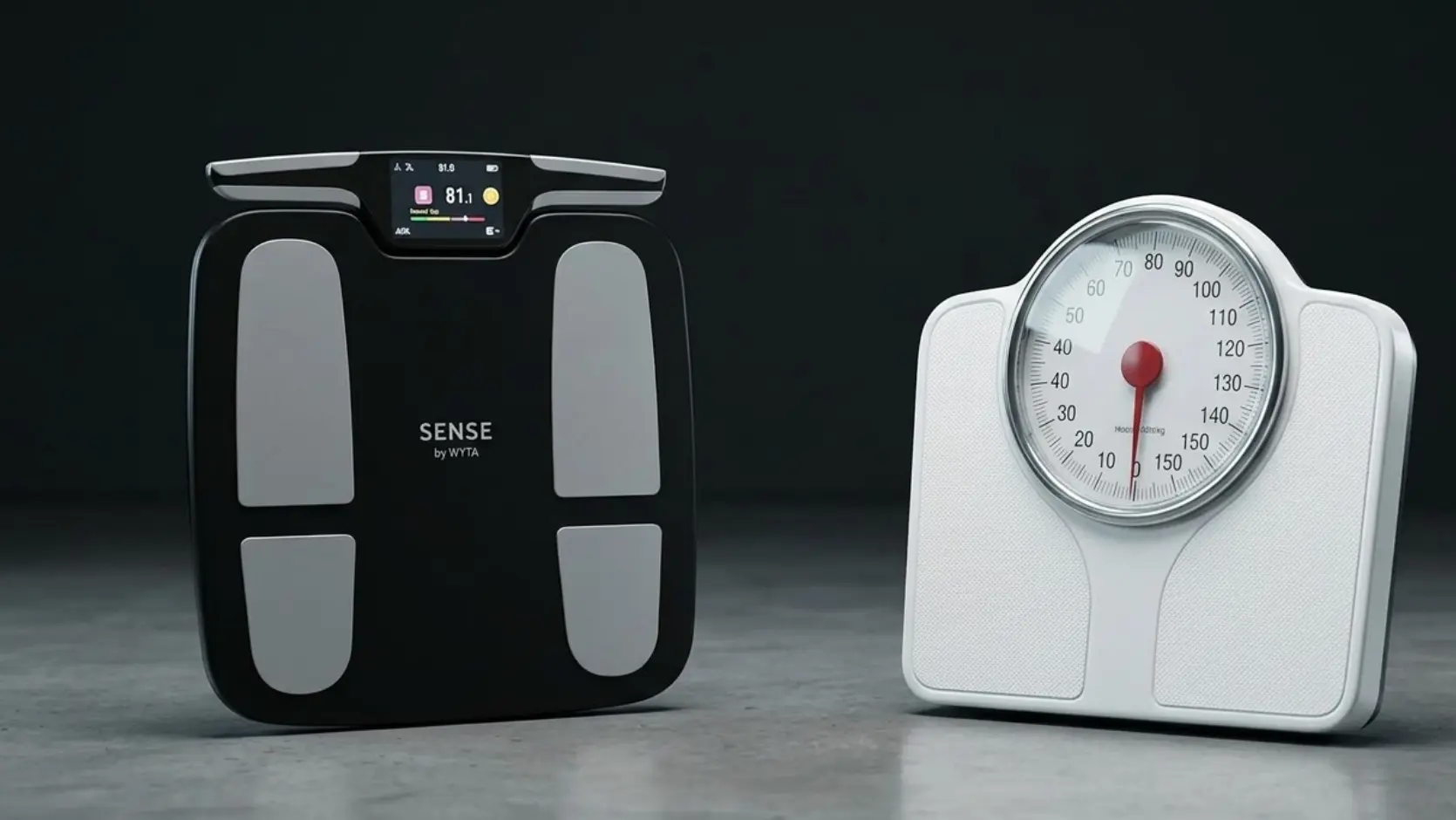
Within body scales, the first decision is digital or analog. Analog scales are cheap, battery-free and simple, but less precise and limited to weight alone. Digital scales use electronic sensors for sharper, more consistent readings, clearer displays and the option of smart features. For nearly everyone tracking their health today, digital is the better choice. If your goals involve body composition, the decision is effectively settled: only a digital smart machine can estimate body fat and muscle. An analog scale, however charming, simply cannot offer that capability.
How to Choose a Body Weight Machine
Start by deciding whether you want weight only or body composition too, because that single choice narrows the field immediately. Then weigh accuracy and consistency, weight capacity for everyone who will use it, display clarity, app features and price. If several people will use it, look for multi-user support that keeps each person’s history separate. Finally, favour a brand with local warranty and support, especially for a smart machine that may eventually need service. Match these features to your goals and budget, and the right body weighing machine becomes clear rather than overwhelming.
What a Smart Body Machine Measures
A capable smart body weighing machine builds a full picture of your body:
- Body weight – recorded automatically each time you step on.
- Body fat percentage – often the most useful single metric for fitness.
- Muscle mass – to confirm you are keeping or building muscle.
- Body water – which adds context to daily weight changes.
- BMI and more – for an at-a-glance reference.
These pair well with Fittr’s body fat calculator and BMR calculator for turning numbers into a plan.
How Body Composition Is Measured
Smart body machines estimate composition using bioelectrical impedance – sending a tiny, harmless current through your body and measuring how it flows, since fat, muscle and water conduct electricity differently. It is clever, convenient technology that brings gym-style body analysis into your bathroom. Because these are estimates rather than laboratory measurements, the right way to read them is as trends. Taken under consistent conditions, the direction of your fat and muscle over weeks is reliable and meaningful, even if the exact figures are approximate.
Accuracy and Consistency
Quality body weight machines are accurate, and more importantly they are consistent, which is what counts for tracking progress. A machine that reliably gives the same reading under the same conditions lets you trust the trend, even if it differs slightly from another scale. That reliability is the foundation of useful tracking. The practical takeaway is to weigh under consistent conditions and judge progress by the trend over weeks, not by a single day’s number. Your weight naturally swings by a kilo or two daily, so the line over time is the real signal.
Using Your Body Weight Machine Correctly
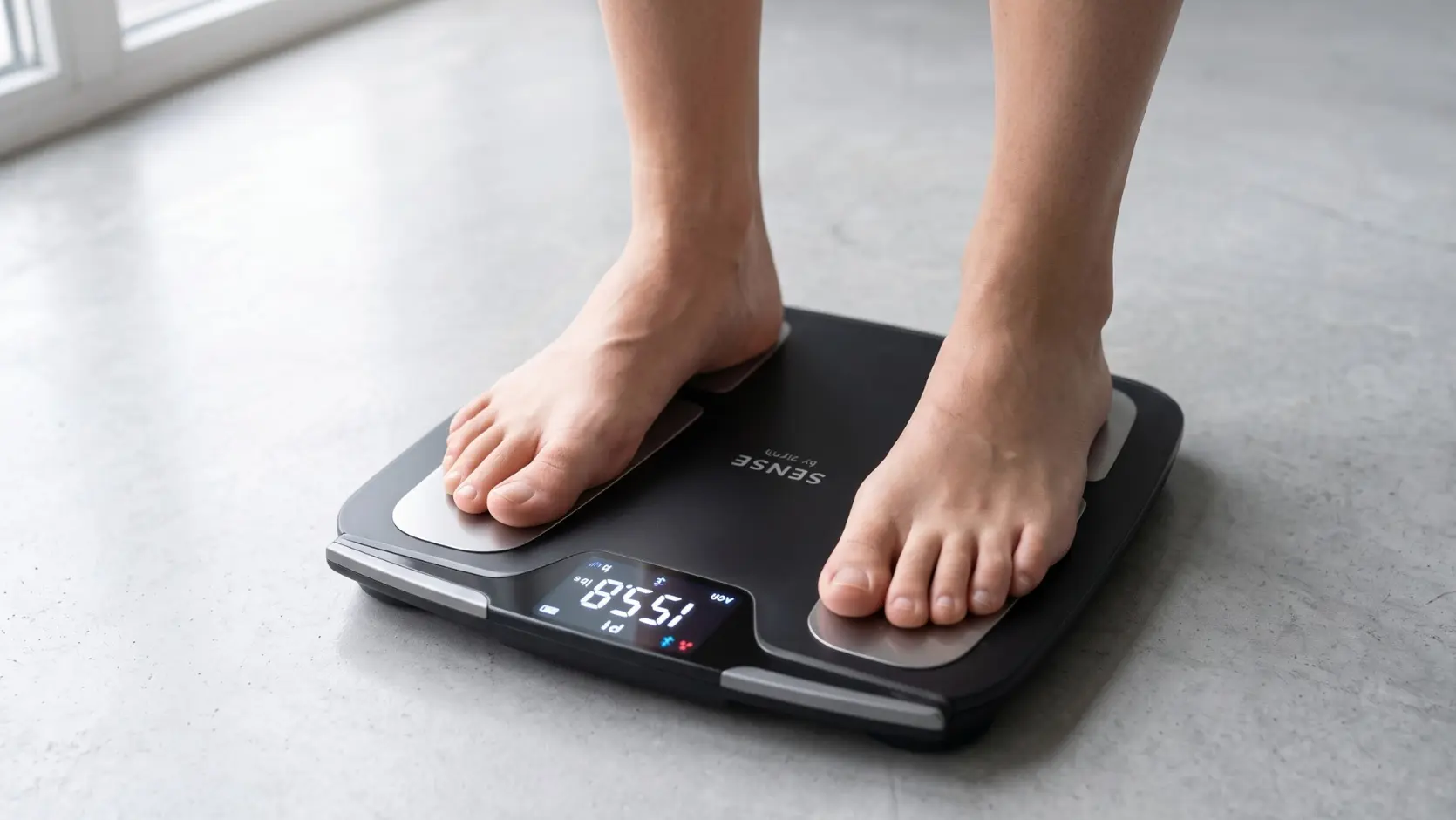
Reliable numbers come from good habits. Place the machine on a hard, flat, level surface rather than carpet, weigh at the same time of day in similar conditions, and stand still and balanced. These habits remove the noise so the changes you see are real. Consistency in how you weigh is just as important as the machine itself. Even the best body scale gives misleading numbers if you use it on carpet one day and tile the next, or compare a morning reading with an evening one.
Body Weight Machines for Different Goals
How you read the machine depends on your aim. For fat loss, watch body fat and the weight trend together. For muscle gain, value muscle mass over the raw number. For maintenance, aim for a steady trend. Linking your data to your total daily energy expenditure helps you set targets that actually move those metrics. Whatever your goal, the machine rewards patience. A weight scale is not a daily verdict but a long-term record, and its value grows the longer and more consistently you track.
Example: The FITTR Sense Smart Scale
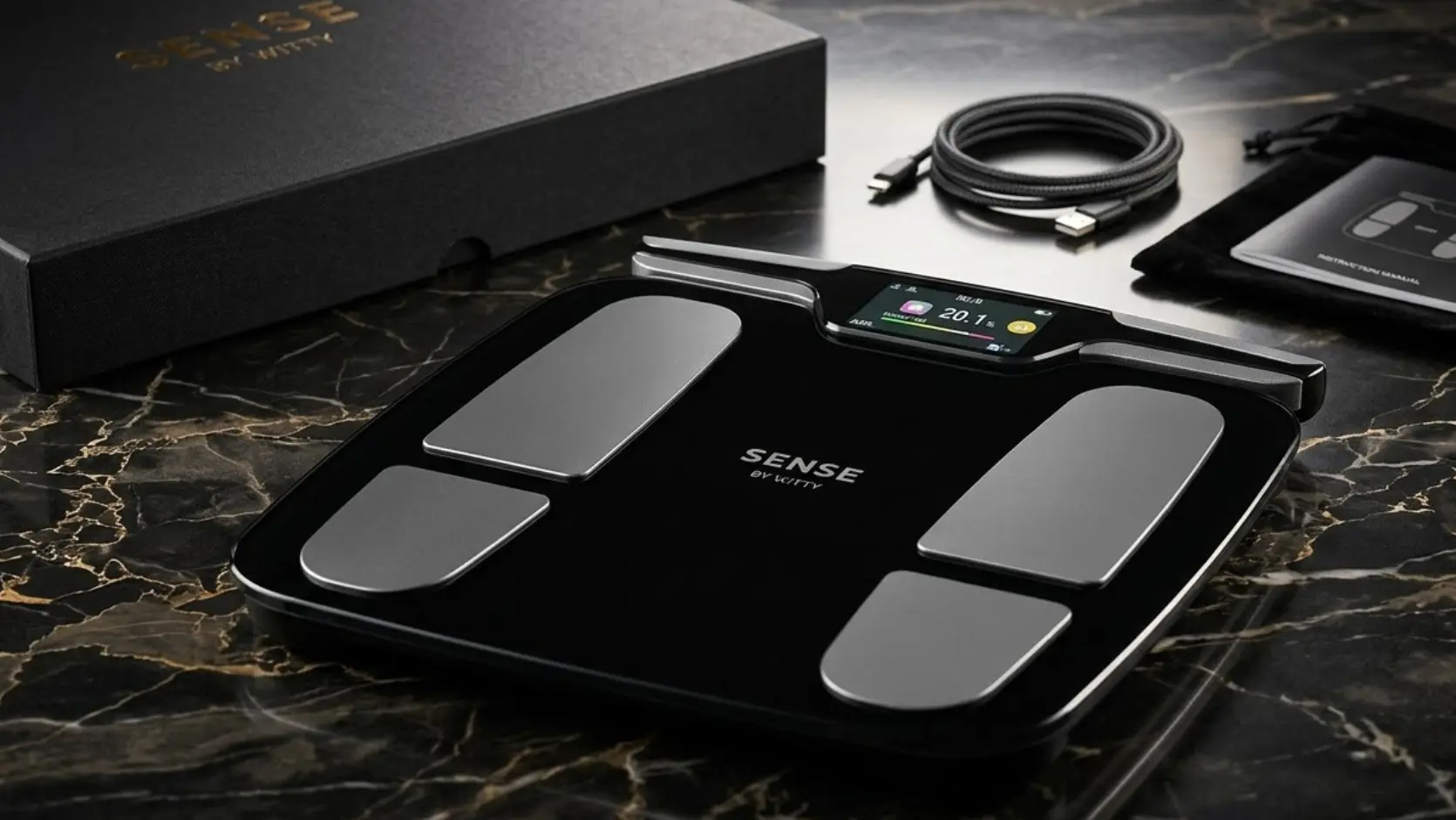
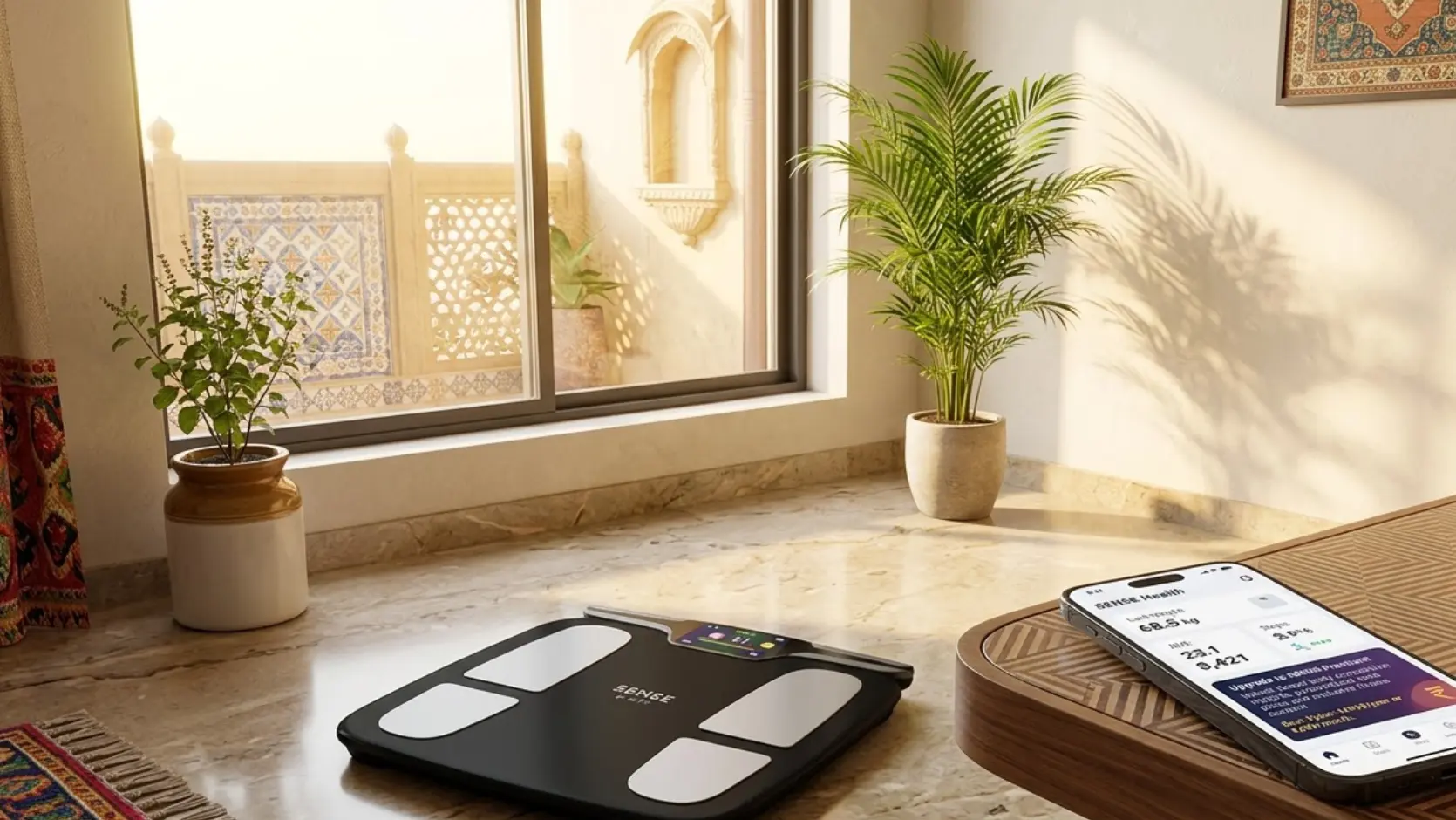
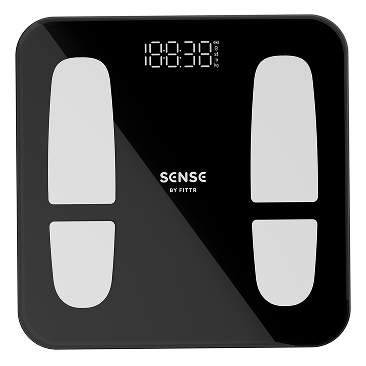
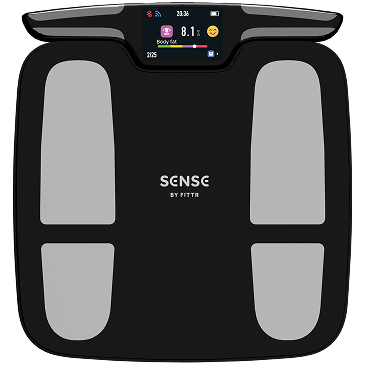
As an example of a modern body weighing machine, the FITTR Sense smart scale measures your weight and estimates body composition, then syncs to the FITTR app so you can track fat, muscle and your weight trend over time. It shows how much more a weighing machine for the human body can offer once it becomes smart and connected.
Who Needs a Body Weighing Machine?
Almost anyone focused on their health benefits from a body weighing machine. People losing weight use it to confirm fat loss; those building muscle use it to track gains; and anyone maintaining their health uses it as a simple, objective check-in. It is one of the few genuinely useful health tools you can keep at home and use in seconds. Even people not actively chasing a goal find value in occasional weighing, since catching unwanted drift early is far easier than reversing it later. The body weighing machine is, in that sense, a quiet guardian of long-term health that asks almost nothing of you.
Body Weight Machines for Families
If several people will use the machine, a couple of features matter more. Multi-user smart scales recognise different individuals and keep each person’s history separate in the app, which is far more useful than everyone sharing one jumbled record. A higher weight capacity ensures it suits every member of the household. A clear, large display also helps older users, and a sturdy, non-slip surface adds safety for everyone. For families, these conveniences turn a single gadget into a shared health tool that the whole household can genuinely benefit from.
Reading Your Body-Composition Numbers
If you choose a smart body machine, read its body-composition figures as trends rather than absolute truths. These are estimates, so the exact body-fat percentage may differ from a clinical test. What matters is the direction of travel under consistent conditions. If your fat is trending down and your muscle is holding or rising over weeks, that pattern is reliable and meaningful, even if the absolute numbers are approximate. Judge progress by the movement of the trend, not by any single day’s reading.
Common Mistakes to Avoid
A few habits undermine accurate tracking:
- Weighing on carpet or an uneven surface.
- Weighing at different times of day and comparing the numbers.
- Reacting to a single reading instead of the weekly trend.
- Judging progress by weight alone and ignoring body composition.
- Weighing so often that normal fluctuations cause stress.
Body Weighing Machines in India
For Indian buyers, body weighing machines range from inexpensive basic models to feature-rich smart scales, all widely available. The sensible approach is to favour reputable brands with local warranty and support, and to choose a smart machine if your goals involve body composition.
The Bottom Line for the Human Body
Choosing a weighing machine for the human body comes down to your goal: weight alone or the fuller body-composition picture. Pick a digital or smart machine that fits, weighs consistently, and follow the trend over time. Get those basics right, and a body scale becomes one of the most dependable health tools in your home.
The Human Body Scale and the Bigger Picture
A body weighing machine is a valuable tool, but it is only one part of the bigger picture. It tells you your weight and, if it’s a smart scale, provides an estimate of your body composition. Your strength, energy levels, fitness, and how you feel are equally important when assessing your overall health.
Pairing your weight measurements with a lean mass estimate helps you understand how much of your body weight comes from muscle versus fat. This provides a clearer picture of your body composition and helps you track meaningful progress over time.
Understanding the difference between BMI and BMR adds even more context to your health data. Together with your scale readings and lean mass estimate, these metrics offer a more complete and accurate view of your overall health than body weight alone.
Frequently Asked Questions
What is a weighing machine for the human body?
It is a body scale that measures your body weight. Smart versions also estimate body composition such as body fat and muscle and sync to an app.
How do I choose a body weight machine?
Decide whether you want weight only or body composition too, then compare accuracy, capacity, display, app features and price.
What is the difference between a human body scale and a kitchen scale?
A body scale is designed to weigh people; a kitchen scale is built to weigh food in grams. They are not interchangeable.
Are body weight machines accurate?
Quality body weight machines are accurate and consistent, which is what matters for tracking your weight trend over time.
Do body weight machines measure body fat?
Only smart ones do, using bioelectrical impedance. A basic body scale shows weight alone.
Choose Smart. Track Better.
A weight machine for humans, a weight scale for humans, or body weight machine is an objective, repeatable window into your health – and a smart one turns that window into a full view of your body composition. Decide whether you want weight alone or the fuller picture, choose a digital or smart machine that fits your goals, and weigh consistently to follow the trend over time. For anyone serious about their fitness, a smart body scale like the FITTR Sense makes every step on the machine count toward real progress.