


Touchscreen weighing scales look undeniably modern – a sleek glass surface, a glowing display, a tap to wake. They feel like the premium choice next to a clunky button scale. But are touchscreen scales actually better, or is the touch interface mostly about looks? The honest answer is more nuanced than the marketing suggests. This guide explains what a touchscreen weighing scale really is, how it compares to button-based and standard digital scales, and whether the touch interface is worth paying extra for. Spoiler: the touchscreen affects how you interact with the scale, but the thing that actually determines accuracy lies elsewhere entirely.
What Is a Touchscreen Weighing Scale?
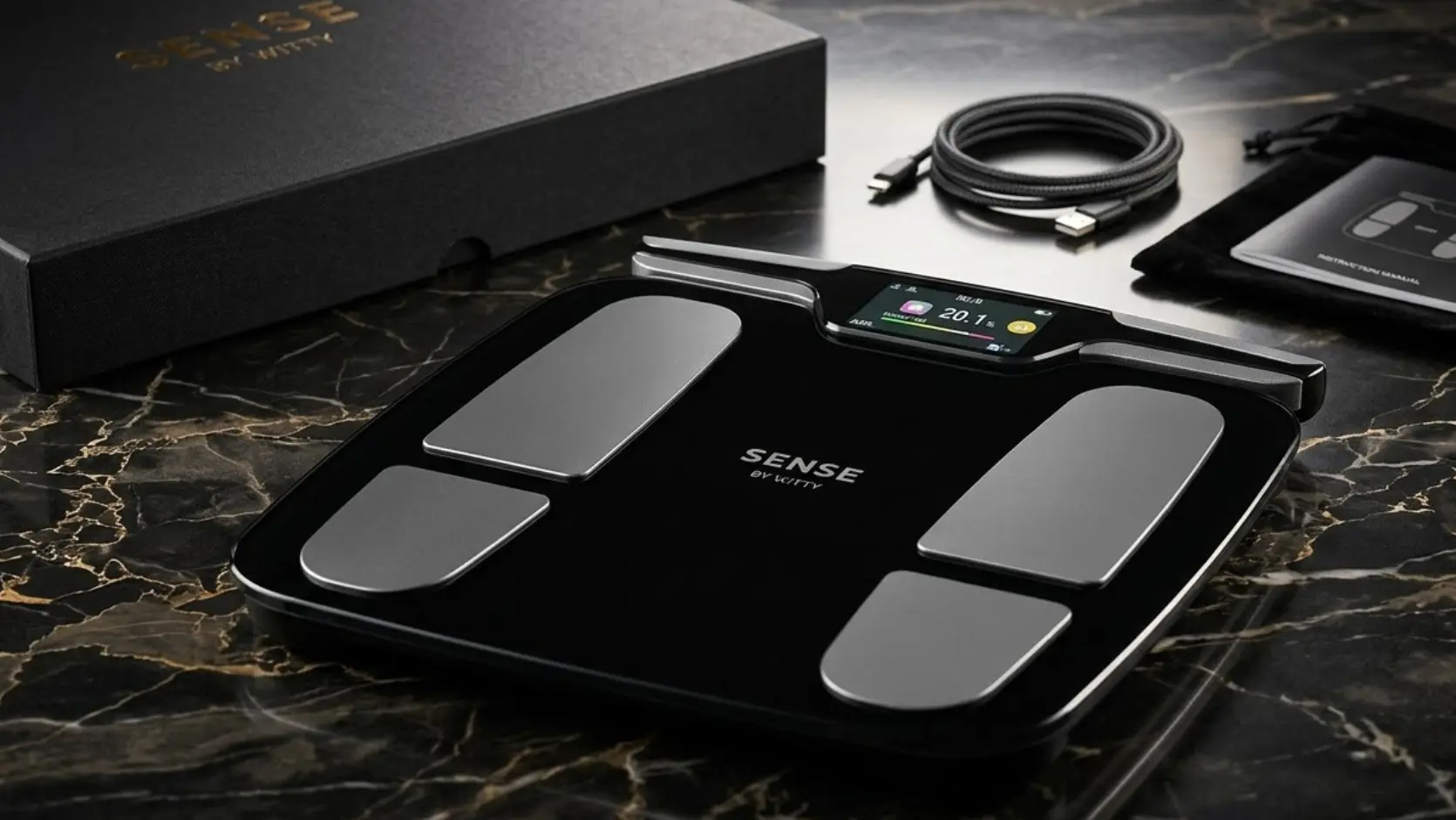
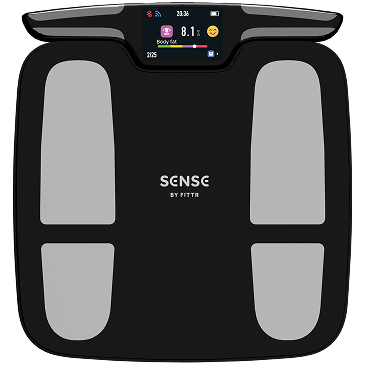
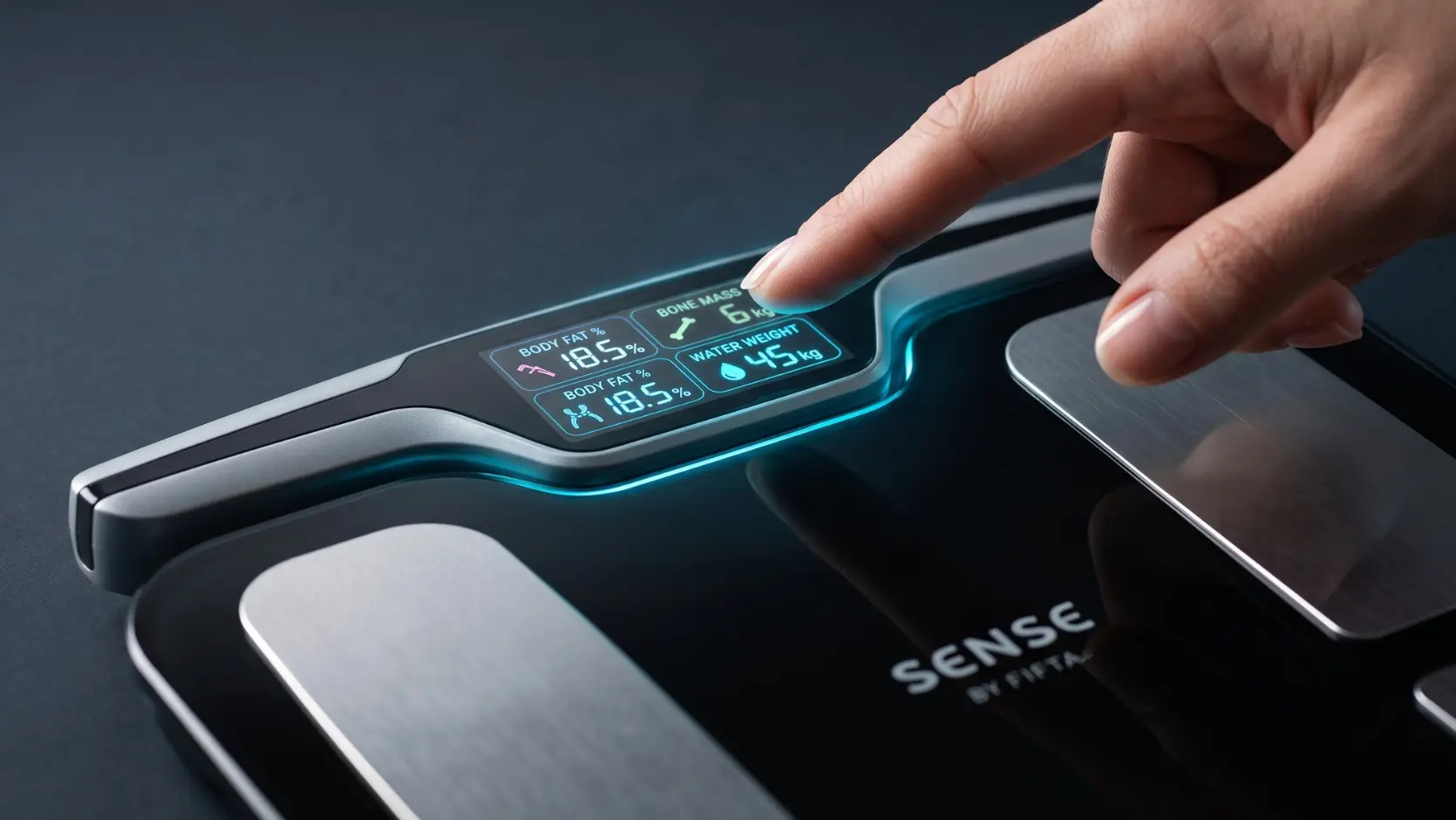
A touchscreen weighing scale is a digital scale with a touch-sensitive surface or display, used to wake the scale, switch units, or navigate features with a tap rather than a physical button. Many modern smart scales use touch controls, and some have small touchscreens that show your metrics directly on the glass. Crucially, the touchscreen is about the interface, not the measurement. The actual weighing is done by load sensors inside the scale, exactly as in any digital scale. The touch surface simply changes how you interact with the device, not how accurately it weighs you.
How Touchscreen Scales Work
Underneath the glass, a touchscreen scale works like any digital scale. Load sensors, also called load cells, detect the pressure of your weight and convert it into a precise reading. The touch layer is a separate component that registers your taps to control the device – turning it on, cycling units, or opening menus on models with a screen. Smart touchscreen scales add bioelectrical impedance to estimate body composition, sending a tiny current through your body. Again, that sensing is independent of the touchscreen; the touch interface is purely about control and display, sitting on top of the same weighing and composition technology as any good digital scale.
Are Touchscreen Scales More Accurate?
This is the key myth to dispel: a touchscreen does not make a scale more accurate. Accuracy comes from the quality of the load sensors and the scale’s calibration, not from how you interact with it. A button scale with excellent sensors will out-measure a touchscreen scale with mediocre ones every time. So when comparing scales, look past the touchscreen to the specs that matter – sensor quality, consistency, capacity and, for smart models, the body-composition technology and app. A touchscreen is a nice-to-have interface, not a marker of measurement quality.
Touchscreen vs Button Scales
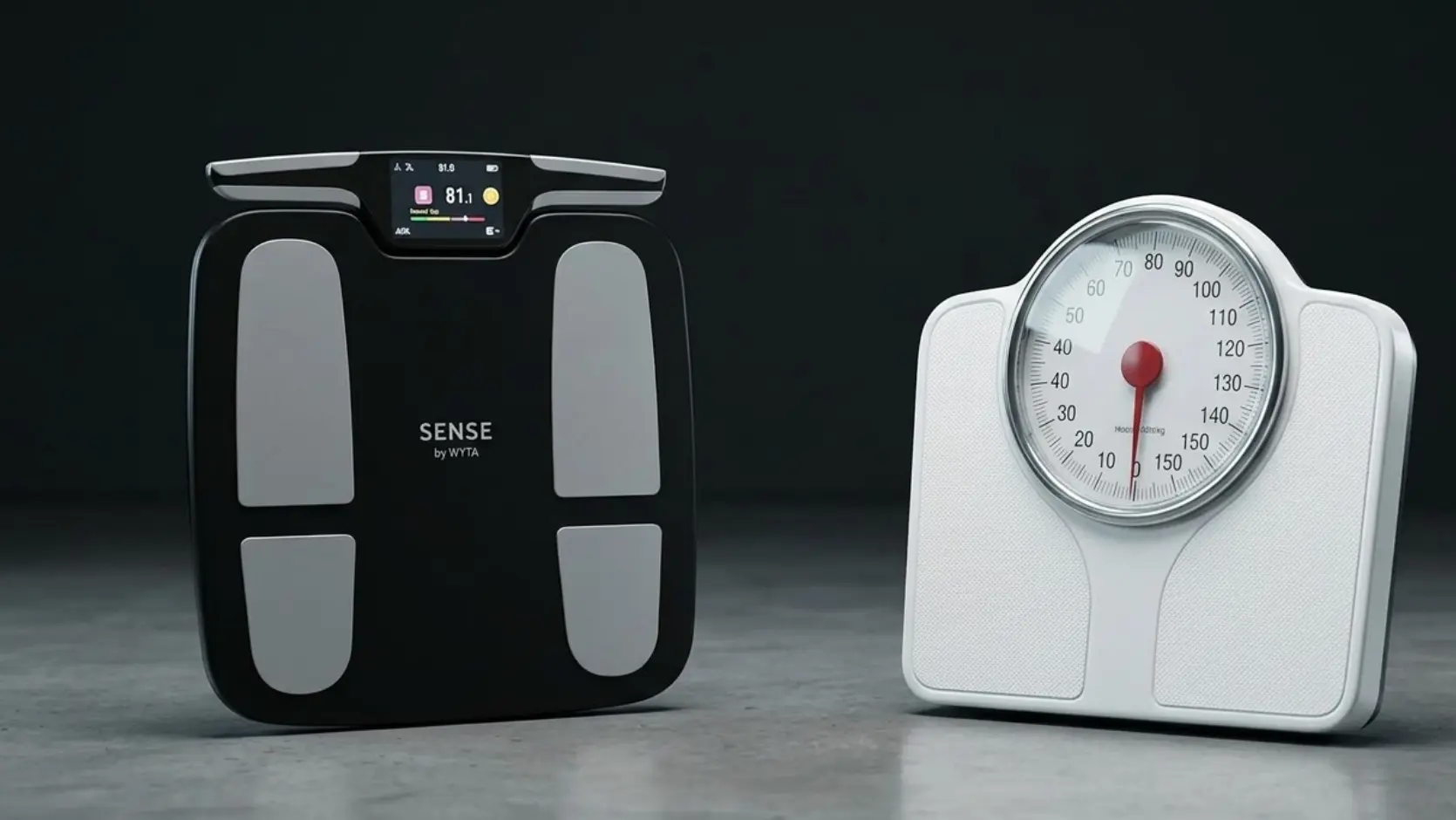
The real difference between touchscreen and button scales is the experience, not the result. Touchscreens feel sleek, often look more premium, and can be quicker to navigate on models with menus. Button scales are simple, tactile and sometimes more reliable to operate with wet or cold fingers, which do not always register on a touch surface. Neither is inherently superior. If you value a modern, minimalist interface, a touchscreen appeals; if you prefer simple, foolproof operation, buttons are fine. The choice is about personal preference, while the things that actually matter – accuracy, features, app – are determined by the scale’s internals.
Do Touchscreen Scales Measure Body Composition?
Many touchscreen scales are also smart scales, meaning they estimate body fat, muscle and water using bioelectrical impedance and sync to an app. But this comes from smart sensing, not the touchscreen – a scale can be smart without a touchscreen, or have a touchscreen without being smart. So if body composition is what you want, look specifically for a smart scale with good impedance sensing and a solid app, and treat the touchscreen as a separate, optional convenience rather than the feature that delivers your fat and muscle data.
Are Touchscreen Scales Worth the Extra Cost?
Touchscreen scales often cost a little more than button equivalents, so the value depends on what you are paying for. If the extra buys a genuinely better scale – superior sensors, body composition, a great app – it is worth it. If it only buys a fancier interface on otherwise average internals, the premium is harder to justify. The smart approach is to prioritise accuracy, body-composition capability and app quality first, then treat the touchscreen as a bonus rather than a deciding factor. Pay for the measurement and the data, and enjoy the touch interface as a pleasant extra if it comes with an otherwise strong scale.
Caring for a Touchscreen Scale
Touchscreen and glass scales need a little care to stay looking and working their best. Wipe the surface clean of dust, water and smudges, since a dirty touch surface can become less responsive. Keep it on a hard, flat surface, avoid dropping it, and replace batteries before they fade. With this minimal care, a quality touchscreen scale stays responsive and accurate for years. One practical note: touch surfaces can be less responsive to wet or very cold fingers, so dry your hands before tapping. It is a small quirk of the technology rather than a fault, and easily worked around in daily use.
Who Should Choose a Touchscreen Scale?
A touchscreen scale suits people who value a modern, minimalist look and a sleek interface, and who do not mind the occasional quirk of touch controls. If that appeals and the underlying scale is accurate and well-featured, it is a pleasant choice. If you prefer simple, tactile operation or are on a tighter budget, a good button-based digital scale serves you just as well where it counts.
Example: The FITTR Sense Smart Scale
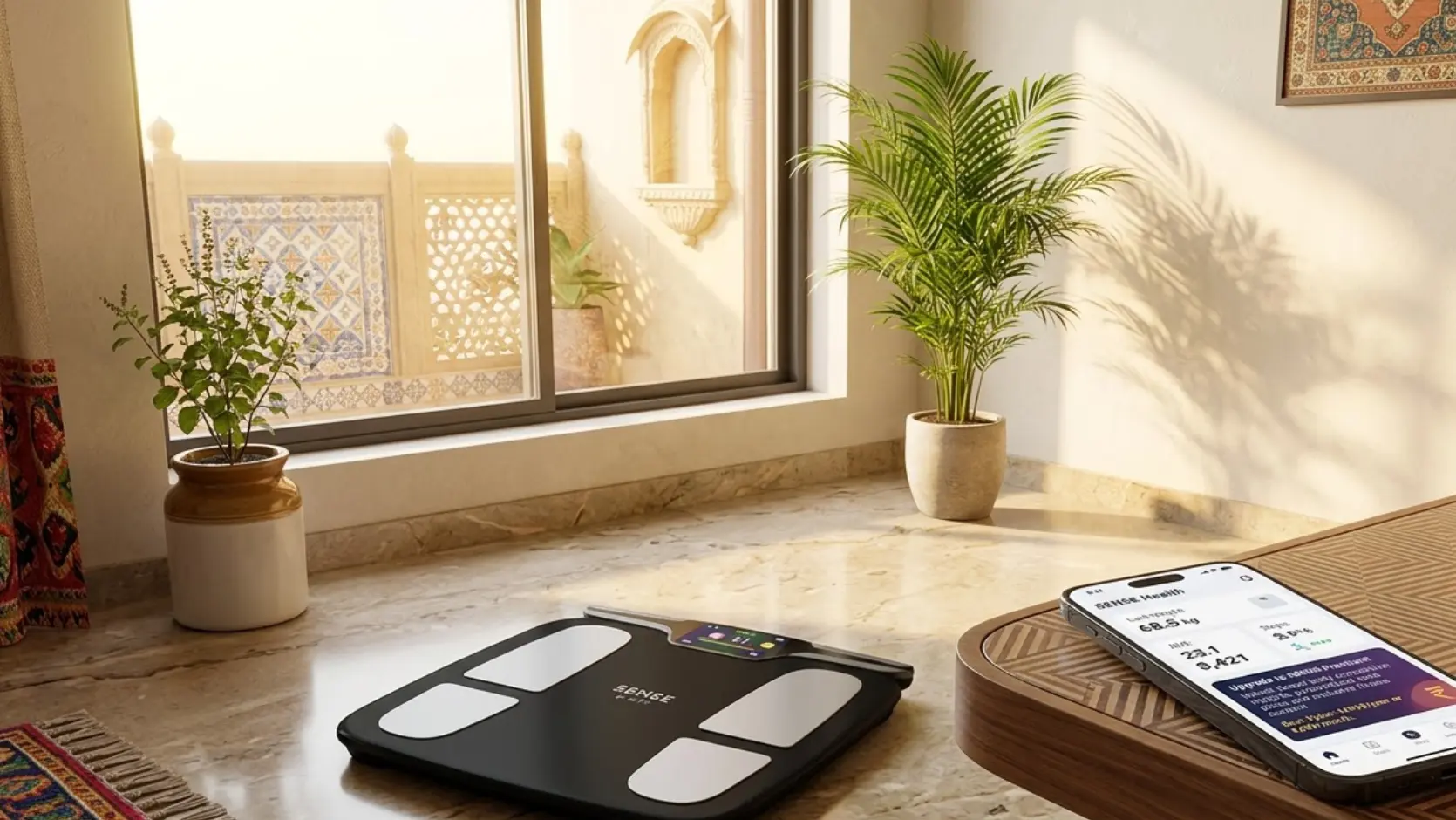
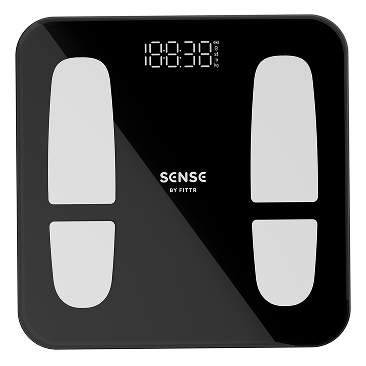
As an example of a modern smart scale, the FITTR Sense smart scale focuses on what matters most – accurate weighing, body-composition estimates and app-based trend tracking – so your data is reliable and useful regardless of interface style. It is a reminder that the value of a scale lies in its sensing and software, with the interface a secondary, if pleasant, consideration.
The Appeal of Touchscreen Scales
It is easy to see why touchscreen scales appeal. They look sleek and modern, with a clean glass surface and no protruding buttons, and they feel premium in a way a basic scale does not. On models with a small screen, seeing your metrics directly on the glass is genuinely convenient, and tapping to switch units or wake the scale feels intuitive. For many buyers, that polished experience is worth something on its own. A scale you find pleasant to use is one you are more likely to step on regularly, and consistency is half the battle in any health tracking. The appeal is real, even if it is mostly about the experience rather than the measurement.
The Downsides of Touch Controls
Touch controls are not without drawbacks. They can be less responsive to wet or cold fingers, which do not always register on a touch surface, so you may need to dry your hands before tapping. The glass surface also shows smudges and dust, and a dirty touch layer can become less reliable over time. None of these are dealbreakers, but they are worth knowing. A simple button scale sidesteps them entirely, working reliably whatever the state of your fingers. Whether the sleek touch experience outweighs these minor quirks is a matter of personal preference.
Don’t Confuse Touchscreen With Smart
A common confusion is treating touchscreen and smart as the same thing. They are not. A touchscreen refers to the interface; smart refers to features like body composition and app syncing. A scale can have a touchscreen without being smart, or be a fully smart scale operated by buttons. When shopping, separate the two: decide whether you want body composition and an app, then decide whether you also want a touch interface. Keeping these straight prevents you from overpaying for a touchscreen on a basic scale, or assuming a touch surface guarantees the smart features you actually want.
What Actually Makes a Scale Good
If the touchscreen is not what makes a scale good, what does? Three things: accurate, consistent load sensors; useful features like body composition for your goals; and a solid app that turns readings into trends. Get those right and you have a genuinely good scale, with or without a touch interface. This is why seasoned buyers look past the interface to the specs and reviews. A plain-looking button scale with excellent internals will serve your health far better than a beautiful touchscreen on mediocre sensors. Substance over surface, every time.
Touchscreen Scales in India
In India, touchscreen and smart scales are widely available across price points. As with any scale, favour reputable brands with local warranty and support, and judge the purchase on accuracy, body composition and app quality rather than the touchscreen alone.
The Verdict on Touchscreen Scales
So, are touchscreen scales better? Not inherently. They offer a sleeker, more modern experience, which many people enjoy, but they are no more accurate than a good button scale, and the features that matter come from the sensors and software, not the touch surface. Choose a touchscreen if you like the experience and the underlying scale is strong, but never let the interface be the deciding factor.
Making Your Final Choice
When you come to decide, rank your priorities in order: accuracy and consistency first, then the features your goals need such as body fat and muscle tracking and an app, then build and capacity, and only then the interface. A touchscreen is a pleasant tiebreaker between two otherwise equal scales, not a reason to compromise on the things that actually determine usefulness.
Frequently Asked Questions
What is a touchscreen weighing scale?
It is a digital scale with a touch-sensitive surface or display, used to switch units, navigate features or wake the scale with a tap.
Are touchscreen scales better than regular ones?
They offer a sleeker interface, but accuracy comes from the load sensors inside, not the touchscreen, so a touch interface alone does not make a scale better.
Do touch scales measure body composition?
Smart touch scales do, using bioelectrical impedance. The touchscreen relates to the interface, not the measurement.
Are touchscreen scales worth the extra cost?
If you value a modern interface, yes; but prioritise accuracy, body composition and app quality over the screen itself.
Are touch scales accurate?
Their accuracy depends on the quality of the load sensors, not the touchscreen. A good touch scale is as accurate as any quality digital scale.
Touch Smart. Track Smarter
Touch scale, digital weighing scale, or electronic scales – touchscreen weighing scales look great and feel modern, but the touchscreen is about interface, not accuracy. What actually makes a scale good – precise sensors, body composition, a solid app – has nothing to do with whether you tap a screen or press a button. So enjoy a touchscreen if you like it, but choose your scale on the things that count. A smart, accurate option like the FITTR Sense delivers the data that matters, whatever the interface.