






What Does “Scale Balance” Actually Mean?
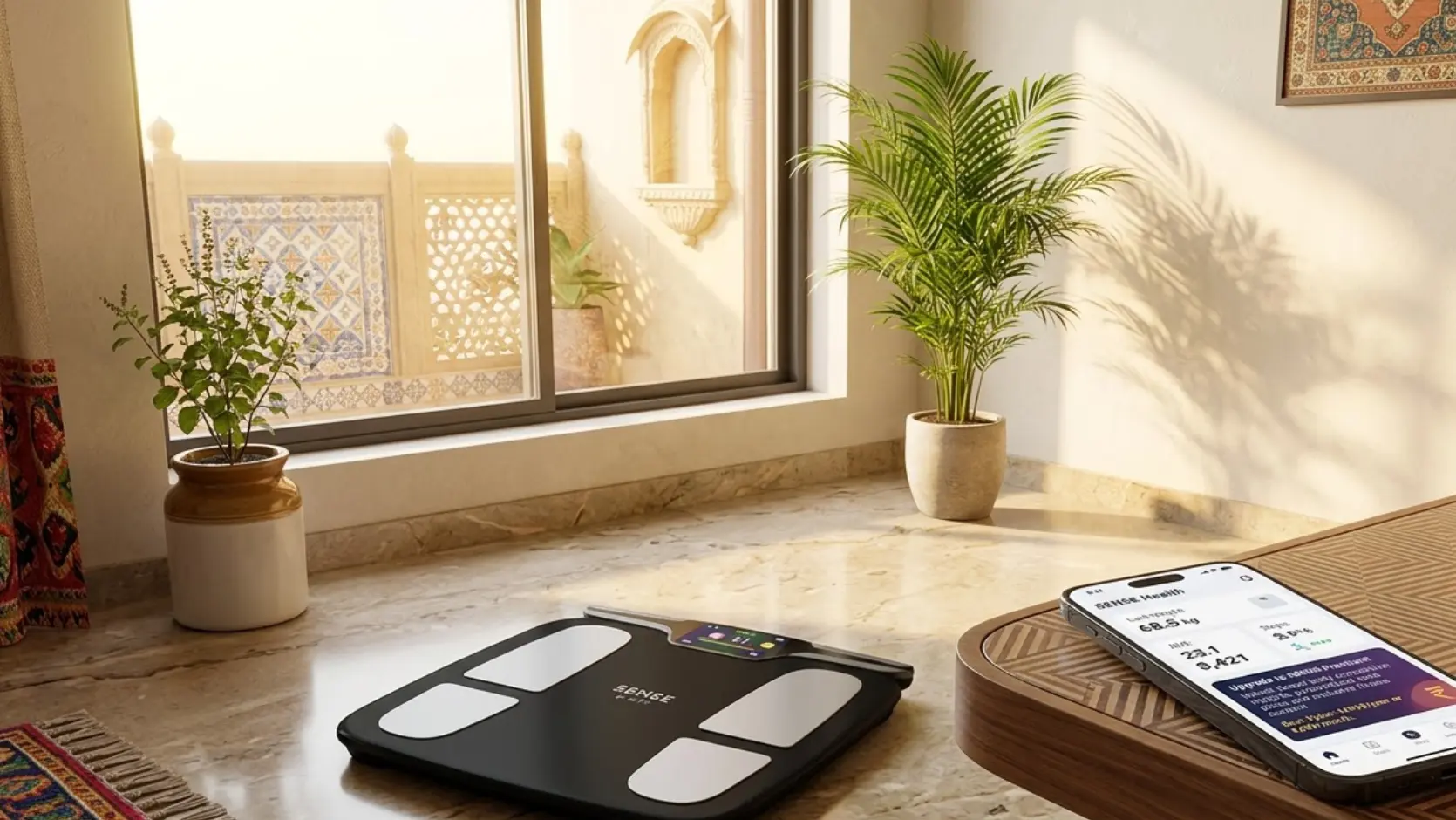
Every time you step on a scale, you are trusting a small mechanical or electronic system to stay in balance under your weight. Scale balance is what keeps that reading true – the calibration, sensors and build quality working together so the number you see reflects reality. This guide explains what scale balance means, what keeps a digital weight balance accurate over time, how weighing balance price relates to build quality, and what to check if your scale ever seems out of balance. By the end, you will understand what is actually happening inside a scale when you step on it, and how to keep yours reading true for years.
The Idea Behind Scale Balance
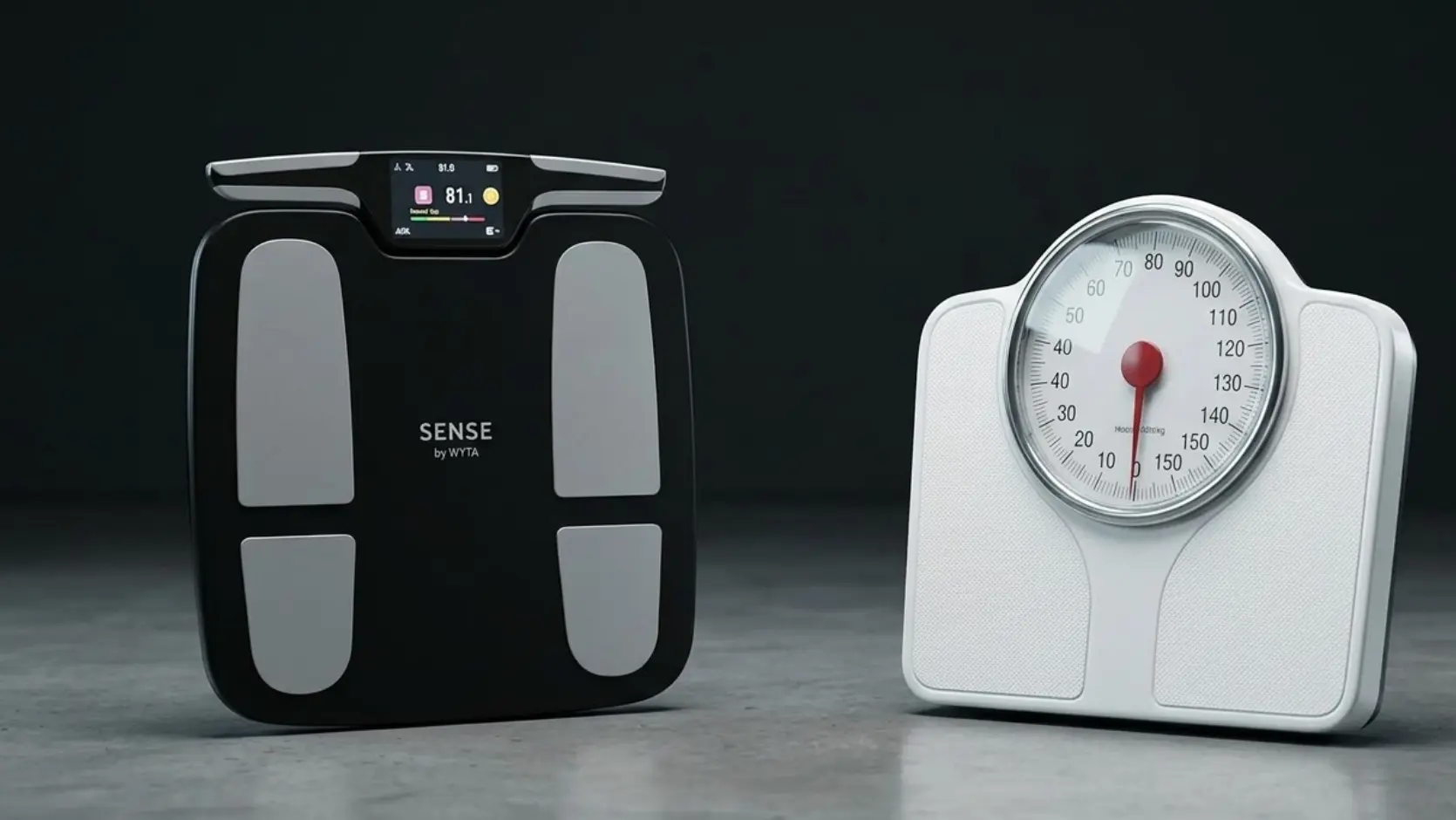
Older mechanical scales balanced weight literally, using a beam and counterweight or a calibrated spring that moved a needle. Modern digital scales achieve the same goal electronically, using load sensors that flex under your weight and translate that flex into a precise reading. In both cases, “balance” means the scale’s internal reference and your actual weight are aligned. A scale in good balance gives a reading that matches a known weight; one that has drifted out of balance reads high or low, sometimes consistently, sometimes erratically.
How a Digital Weight Balance Stays Accurate
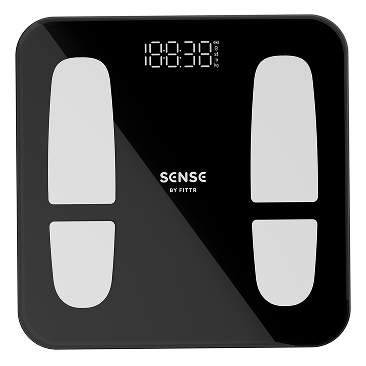
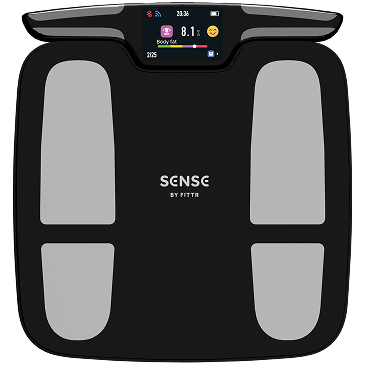
Inside a modern weight balance digital scale, load sensors called strain gauges sit beneath the platform. When you step on, they flex by a tiny, precise amount, and that flex is converted into an electrical signal the scale’s processor reads as weight. Four sensors, one at each corner of the platform, are standard in a good digital scale, because averaging four readings corrects for you standing slightly off-centre. This is a major reason digital scales hold their balance more reliably than older single-point mechanical designs.
Why Scales Go Out of Balance
A few things push a scale out of balance over time. A knock or drop can shift a load sensor’s calibration instantly. An uneven or soft surface – carpet, an uneven tile, a rug – stops the platform sitting flat, throwing off every reading taken on it. A weakening battery can also affect a digital weight balance’s accuracy, since the sensors need stable power to give a consistent reading. None of these issues mean the scale is broken; they usually mean the setup or maintenance needs a small correction.
Getting Your Scale Back in Balance
If a scale seems off, check the basics before assuming it is faulty. Move it to a hard, flat, level surface – tile or wood, never carpet – and make sure all four feet make contact evenly. Replace the battery if it has been in use for months. Many digital scales also have a self-calibration step, either automatic on power-up or triggered by stepping on and off once before your real reading. Following the specific steps for your model restores scale balance in most cases without needing a repair or replacement.
Weighing Balance Price and What It Reflects
Weighing balance price varies widely, and the difference usually comes down to sensor quality, build materials and features rather than the basic ability to show a number. A budget scale can still balance and read consistently; it typically lacks the refinements of a premium one. Higher weighing balance price generally buys better load sensors with tighter tolerances, a sturdier platform less prone to flex-related drift, additional body composition metrics, app connectivity, and multi-user memory. For simple, reliable weight tracking, a mid-range digital scale usually balances just as well as an expensive one.
What to Look for at Different Price Points
Budget Scales
Budget scales, typically the most affordable tier, usually offer weight-only readings with decent balance and accuracy for the price, provided you use them on a proper surface.
Mid-Range Scales
Mid-range scales add body composition, backlit displays and sturdier construction.
Premium Scales
Premium scales bring app integration, multiple user profiles, more sensor points, and refined industrial design.
Weighing balance price should be matched to what you actually need – a single user wanting weight and body fat trends rarely needs the top tier to get a scale that balances and reads reliably.
Calibration: The Technical Side of Balance
Calibration is the process of teaching a scale what a known weight should read as. Manufacturers calibrate scales in the factory using certified reference weights, and a well-made digital weight balance holds that calibration for years under normal use. Some digital scales support recalibration at home using a known weight, though many sealed consumer units do not offer this and instead rely on their factory calibration holding steady, which is one reason handling the scale carefully protects its balance long-term.
Digital vs Mechanical: Which Holds Balance Better?
Mechanical Scales
Mechanical scales rely on physical springs or beams that can drift with age, temperature and wear, requiring periodic manual recalibration to stay in balance. This is one of their well-known limitations against digital alternatives.
Digital Scales
A digital weight balance, by contrast, uses electronic sensors that are less susceptible to mechanical wear, and many self-check their calibration on startup.
For most households, a digital scale holds its balance with far less maintenance than an old-style mechanical one.
Signs Your Scale’s Balance Cannot Be Fixed
Occasionally a scale is genuinely faulty rather than just poorly placed. If it gives wildly different readings for the same object seconds apart, shows negative or blank readings, or fails to hold calibration even on a hard flat surface with a fresh battery, the load sensor itself may have failed. At that point, replacement is usually more practical than repair, since load sensors are not typically a consumer-serviceable part. Choosing a scale with a reasonable weighing balance price from a reliable brand reduces how often you face this.
Maintaining Long-Term Balance
A few simple habits keep any scale balanced for years. Place it on the same hard, flat surface each time, avoid dropping or overloading it beyond its rated capacity, wipe it clean rather than letting moisture seep in, and store it flat. Change the battery before it fully drains rather than after, since a fading battery can distort readings before it dies completely. These habits cost nothing and are the single biggest factor in whether a scale still reads true after a year or two of daily use.
Common Scale Balance Myths
A few beliefs are worth correcting.
- A more expensive scale is not automatically “more balanced” – sensor quality and surface use matter more than price alone.
- Scales do not need daily recalibration; a well-made one holds balance for long stretches under normal use.
- A scale reading differently from another scale does not mean either is unbalanced – each just needs to be consistent with itself.
- Carpet is one of the most common causes of an apparently “unbalanced” reading, not a sensor fault.
- Balance and accuracy are related but not identical – a scale can be perfectly balanced yet still not calibrated to a true reference weight.
The Bottom Line
Scale balance comes down to good sensors, a stable platform and correct calibration, all held together by how carefully you use and place the scale. A quality digital weight balance holds this far more reliably than an old mechanical one, and even a modest weighing balance price can buy a scale that balances well for years. Place it on a hard, flat surface, keep the battery fresh, and treat sudden jumps in readings as a cue to check the basics before assuming a fault. Do that, and your scale will stay in balance for the long run.
How Manufacturers Test Scale Balance Before Sale
Reputable manufacturers test scale balance at the factory using certified reference weights across multiple points on the platform, not just the centre. This confirms that all four load sensors respond consistently, which is exactly what lets you stand anywhere on the platform and still get an accurate reading. Quality control at this stage is part of why weighing balance price differs between a reputable brand and an unbranded budget option – the testing and certification process adds cost but also adds confidence that the scale leaves the factory genuinely balanced. Some manufacturers publish accuracy tolerance specifications, typically expressed as a percentage or a fixed gram range, and checking for this figure when comparing a digital weight balance is a useful, if often overlooked, way to judge quality before buying.
A Practical Checklist Before You Buy
Before settling on a scale, run through a short checklist focused on balance and long-term accuracy. Confirm the platform uses four load sensors rather than one, check the rated weight capacity against your household’s needs, and look for a stated accuracy tolerance in the specifications. Read reviews specifically for comments about the scale holding calibration after months of use, since this tells you far more about real-world scale balance than any first-impression review. Compare weighing balance price across a few reputable options rather than defaulting to the cheapest listing available. Finally, consider the warranty length, since a manufacturer confident in their scale balance and calibration process typically backs it with a longer warranty period than a budget, unbranded alternative.
The Role of Temperature and Environment on Balance
Temperature swings can subtly affect scale balance, particularly for scales stored in unheated spaces or bathrooms with significant humidity and temperature variation. Electronic sensors are generally more temperature-stable than old mechanical springs, but extreme heat or cold can still cause temporary measurement drift in a digital weight balance. Letting a scale acclimatise to room temperature for a few minutes if it has been stored somewhere significantly colder or hotter than your bathroom is a simple habit that protects against this rare but real source of inconsistent readings. Humidity, similarly, is best managed by wiping the scale dry after use and avoiding leaving it in direct contact with standing water.
Why Some Scales Cost More to Balance Correctly at Scale
Manufacturing a digital weight balance that holds its calibration consistently across thousands of units requires tighter tolerances in sensor manufacturing and more rigorous factory testing, both of which add to weighing balance price. This is a legitimate cost driver, distinct from pure brand markup. Understanding this helps explain why two scales that look nearly identical can carry different price tags – one may have invested more in the sensor manufacturing and calibration process that keeps scale balance consistent for years, while the other cut costs in exactly that area, even if the visible design and features look similar on the surface.
Scale Balance in Commercial and Clinical Settings
Beyond the home, scale balance takes on added importance in commercial and clinical contexts, where legal trade requirements or medical decisions may depend on precise readings. Commercial weighing equipment used in trade is typically subject to periodic certified calibration checks by regulatory bodies, a far more rigorous process than anything expected of a household digital weight balance. Clinical scales in hospitals and clinics undergo similarly strict calibration schedules, since even small inaccuracies can matter for dosing calculations or monitoring frail patients. Home users do not need this level of rigour, but understanding that it exists helps put household scale balance expectations in perspective – a home scale reading within a percent or two of true weight, consistently, is entirely adequate for personal health tracking, even though it would not meet commercial or clinical certification standards. This distinction is also a reminder not to over-interpret small discrepancies between your home scale balance and a reading taken at a clinic or gym – both may be functioning correctly within their respective tolerance standards, simply calibrated to different levels of rigour appropriate to their use case.
Frequently Asked Questions
What does scale balance mean?
Scale balance refers to how accurately and consistently a weighing scale’s sensors and calibration align with your true weight under normal use.
Why does my digital weight balance give different readings?
Common causes include an uneven or soft surface, a weakening battery, or standing off-centre on the platform, rather than a genuine fault.
What affects weighing balance price?
Weighing balance price mainly reflects sensor quality, build sturdiness, and added features like body composition tracking or app connectivity.
Do digital scales need recalibration?
Most hold factory calibration for years under normal use, though careful handling and use on a hard flat surface help preserve that balance.
Are digital scales more balanced than mechanical ones?
Generally yes, since electronic load sensors are less prone to mechanical drift than the springs or beams used in mechanical scales.
Accuracy Is the Foundation of Progress
Scale balance, sensor calibration, and everyday weighing equilibrium all come down to the same thing: quality load sensors, a stable platform, and how carefully you place and maintain the scale. Whatever you call it – scale balance, weighing balance price, or digital weight balance – the fundamentals decide whether your readings stay trustworthy for years. If you’re pairing your scale with a broader plan, Fittr’s certified coaches can help you make sense of your numbers, and our BMR calculator puts your weight data into context for your goals.