



Why Size Matters When Choosing a Weighing Scale
Not every home has room for a bulky scale parked permanently on the bathroom floor. A mini weight machine solves a real problem for small apartments, shared bathrooms, and anyone who would rather store their scale than trip over it. This guide covers what makes a good mini weight machine, how a compact personal scale compares to a full-size one, what a home scale needs to get right despite its small footprint, and how to pick one that does not compromise on accuracy. By the end, you will know exactly what to look for in a compact scale that fits your space without fitting your patience thin.
What Counts as a Mini Weight Machine?
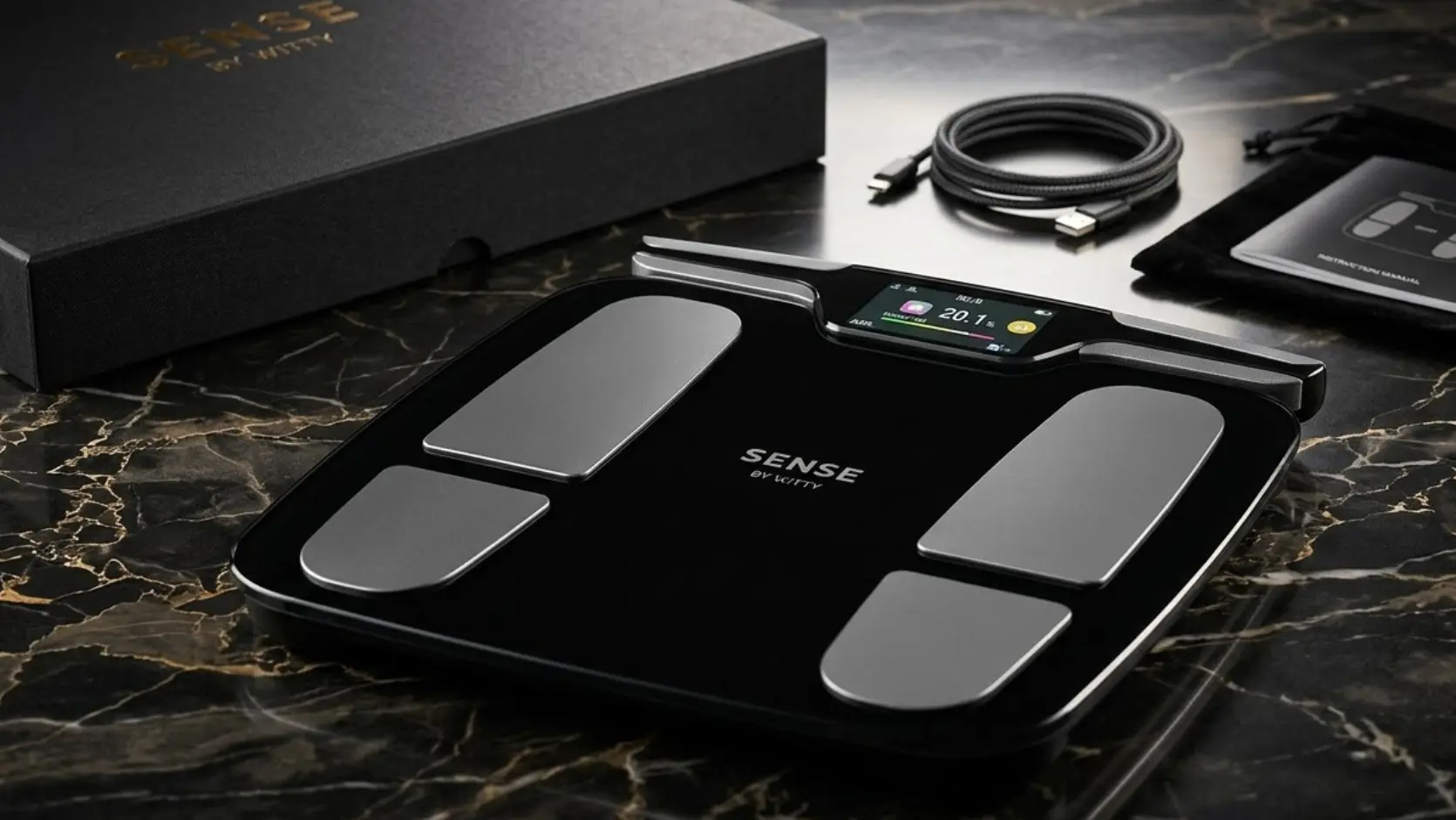
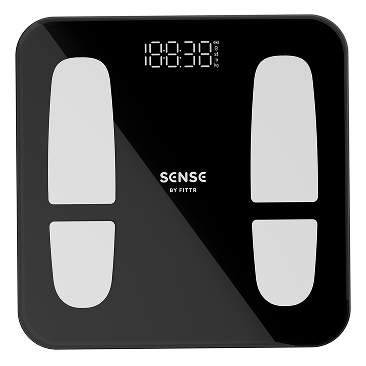
A mini weight machine is simply a scale designed with a smaller platform and slimmer body than a standard bathroom scale, often under 25-28 cm across compared to the usual 30 cm or more. The goal is a scale that is easy to store, carry and tuck away. Despite the smaller size, a good mini weight machine uses the same load-sensor technology as a full-size digital scale, so there is no inherent reason it should be less accurate – the size reduction is about footprint, not the sensors doing the measuring.
Personal Scale vs Full-Size Scale
A personal scale is built around one thing: giving an individual a quick, private, reliable weight reading, usually in the smallest practical form factor. It typically skips the extra width and multi-user memory of family-oriented models in favour of a slim, easy-to-store design. For a single user in a small flat, hostel room or shared space, a personal scale delivers everything that matters – accuracy and consistency – without the bulk of features you will not use. Choosing based on your actual living situation, not the biggest spec sheet, is the smarter approach.
What a Home Scale Needs to Get Right
Small footprint aside, a home scale still has to nail the fundamentals: a stable platform, quality load sensors, and a clear display. A tiny scale that wobbles or gives inconsistent readings defeats the entire purpose of buying one. Look for a home scale with a genuinely flat, non-slip surface even at reduced dimensions, and check the maximum weight capacity, since some ultra-compact models have lower capacity limits than standard-size scales. A slim scale should still comfortably support every member of your household.
Storage-Friendly Features to Look For
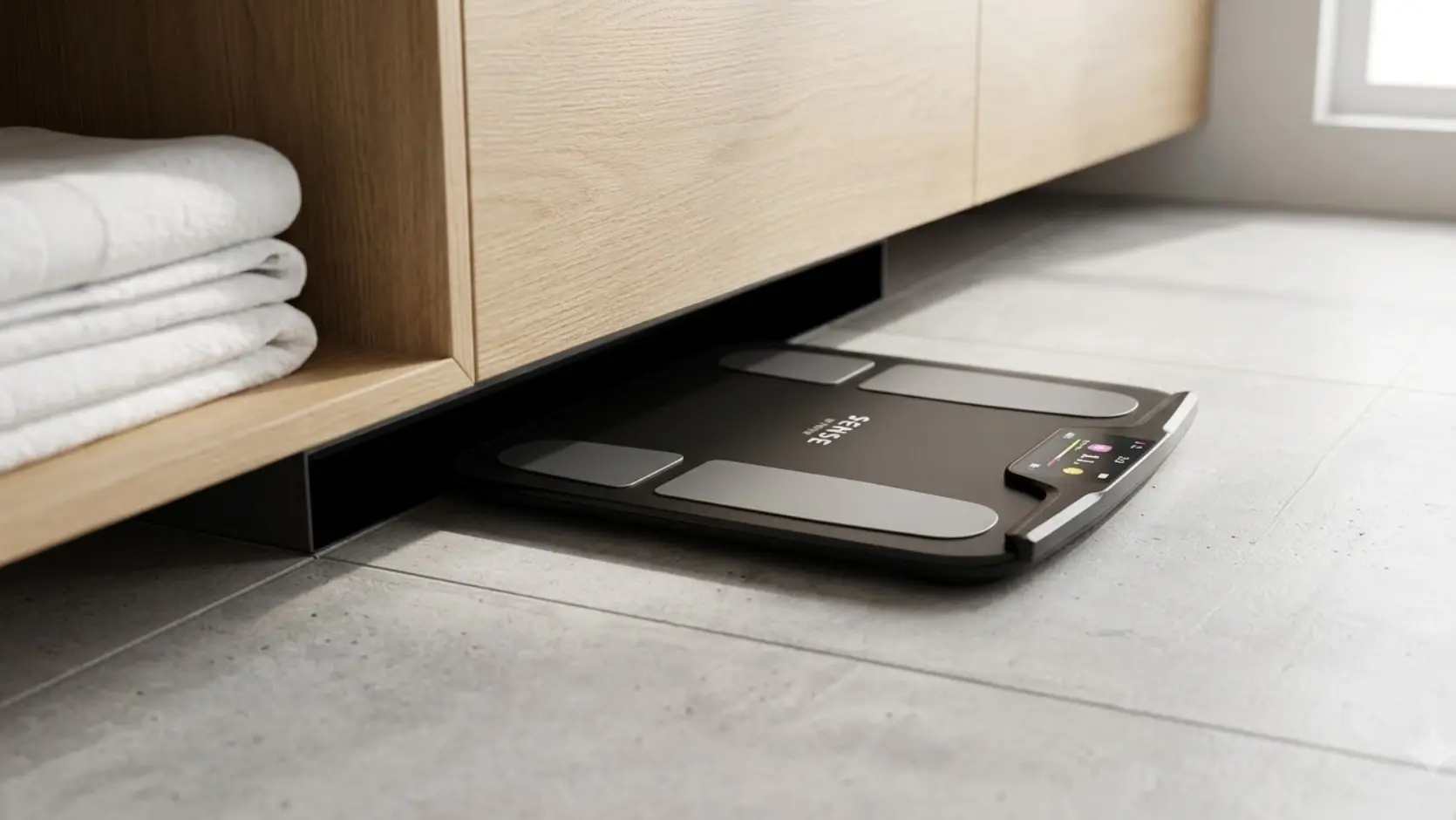
Beyond the platform size itself, a few design choices make a mini weight machine genuinely easier to live with in a small space. A slim profile that slides under a bed or into a cupboard shelf saves real space compared to a scale that has to stand upright somewhere. Auto-off functionality preserves battery life for a scale that only comes out occasionally, and a lightweight build makes it easy to move between rooms if you are sharing a single scale across a small flat. These small details matter more in compact living than they do in a spacious house.
Accuracy in a Smaller Footprint
A smaller platform does not have to mean a less accurate reading, provided the scale still uses proper four-point load sensors rather than cutting corners to save space. The sensor technology, not the platform size, is what determines accuracy. What can suffer in a very compact scale is stability – a narrower base is slightly more prone to wobble on an uneven surface, so placing a mini weight machine on a genuinely flat, hard surface matters even more than it would for a larger scale.
Choosing Between a Basic and Smart Mini Scale
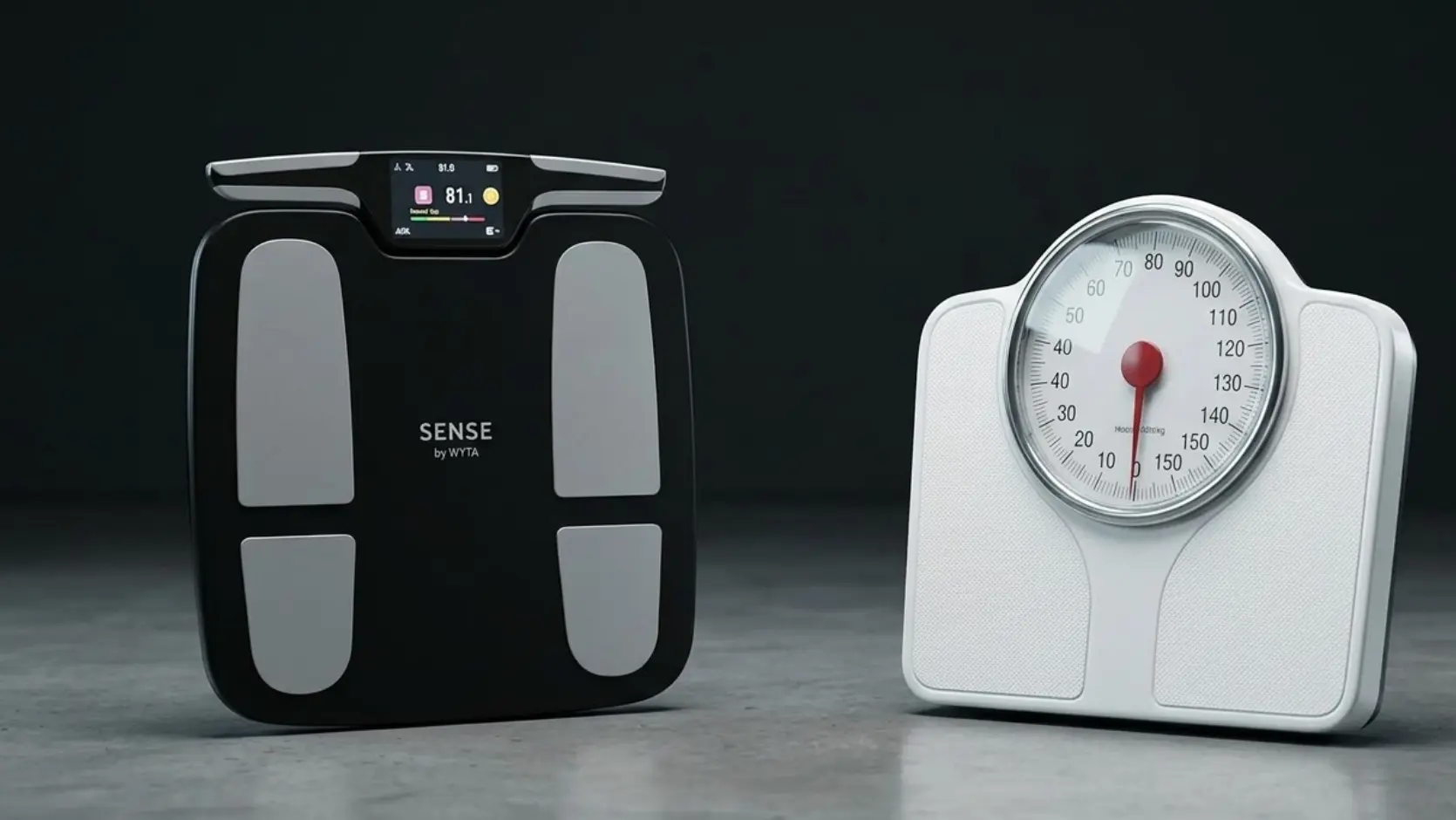
Even in a compact form factor, mini weight machines now range from simple weight-only models to smart versions with body composition and app syncing.
Basic Mini Scale
A basic mini scale suits anyone who just wants a quick, private number.
Smart Mini Scale
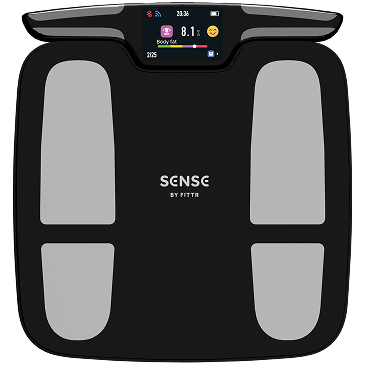
A smart compact personal scale adds body fat, muscle mass and app-based trend tracking in the same small footprint, which is worth the small step up if you are working toward a specific fitness goal rather than simply monitoring weight.
Ideal Use Cases for a Mini Weight Machine
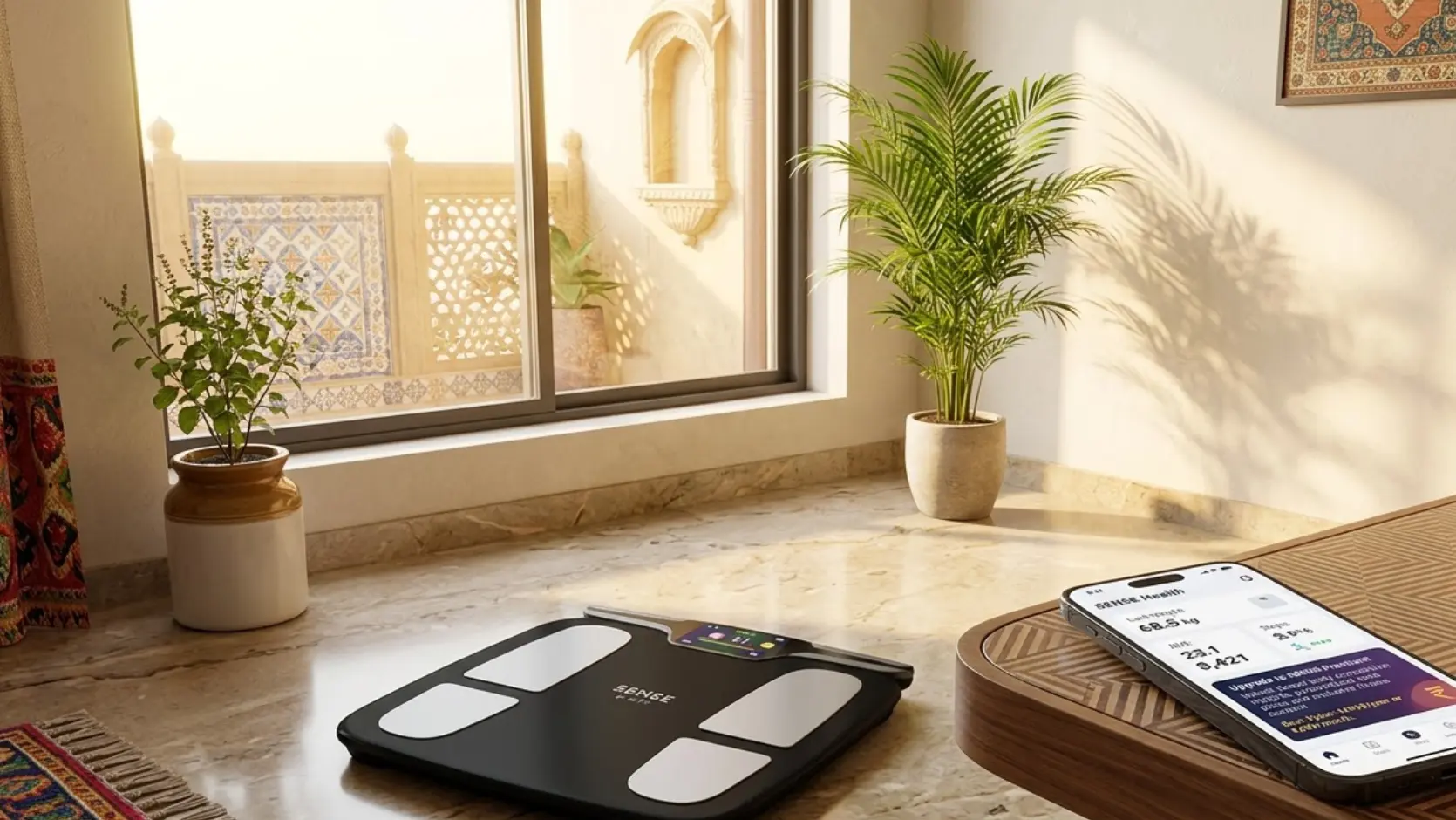
A compact scale genuinely shines in a few common situations: a studio or one-bedroom apartment with limited bathroom storage, a hostel or PG room, a travel bag for someone who tracks weight even while away from home, or a shared flat where each person wants their own private scale. In all of these, the priority shifts from features to footprint and portability, and a well-made mini weight machine delivers accurate, consistent readings without asking for space you do not have.
What to Avoid in a Compact Scale
A few compromises are worth watching for. Very cheap mini scales sometimes use lower-quality single-point sensors instead of the four-corner design that keeps larger scales accurate, which can make off-centre readings less reliable. Also check the weight capacity carefully – some ultra-compact designs are rated lower than standard scales, which matters for larger households sharing one home scale. A reputable brand at a fair price is a safer bet than the cheapest mini scale available.
Setting Up Your Mini Scale for Accurate Readings
The same fundamentals apply regardless of size: place it on a hard, flat, level surface, weigh at a consistent time of day, and stand centred and still on the platform. A compact platform makes centring yourself slightly more important, since there is less margin for standing off to one side. Store it flat rather than leaning it against a wall, which can quietly stress the internal sensors over time and affect its long-term accuracy, even for a scale designed to be tucked away.
Common Myths About Compact Scales
A few misconceptions are worth clearing up.
- A smaller scale is not automatically less accurate; sensor quality determines that, not platform size.
- A mini weight machine can still support a full household’s weight range, provided you check the rated capacity.
- Compact does not mean fragile – many small scales are built just as sturdily as full-size ones.
- A personal scale is not only for single-person homes; it simply suits anyone prioritising space and privacy.
- Cheaper does not always mean smaller, or vice versa – price and size are independent factors worth checking separately.
The Bottom Line
A mini weight machine is a genuinely practical choice for small spaces, provided you choose one that keeps the fundamentals – quality sensors, a stable platform, adequate capacity – intact despite the smaller footprint. Size should shrink; accuracy should not. Whether you need a simple personal scale for one, or a smart, storable home scale for a small shared flat, focus on sensor quality and rated capacity first, and let the compact size be the bonus rather than the whole decision.
Comparing a Mini Weight Machine to a Travel Scale
Some compact scales are marketed specifically as travel scales, which overlaps closely with the mini weight machine category but leans even harder into portability, sometimes at the cost of platform size and stability. If you mainly need a scale for a small permanent bathroom spot, a standard mini weight machine is usually the better fit. If you genuinely travel often and want to track weight on the road, a dedicated lightweight, foldable or ultra-slim design is worth the extra search, even if it means accepting a slightly smaller platform than you would choose for daily home use. Either way, the same core checks apply: verify the sensor quality, rated capacity, and read reviews for consistency, since a compact size should never come at the cost of the fundamentals that make any scale worth using.
A Quick Checklist for Small-Space Buyers
Before buying a mini weight machine, run through a short list of checks. Confirm the platform still uses four-point load sensors despite the smaller size, and check the maximum weight capacity carefully, since some ultra-compact designs rate lower than standard scales. Look at the actual dimensions against your storage space – under a bed, in a cupboard shelf, or a narrow bathroom corner – rather than assuming “compact” automatically means it will fit. Check reviews specifically for stability, since a narrower base can be more sensitive to an uneven surface than a full-size scale. Finally, decide whether you want a basic weight-only mini scale or a smart compact personal scale with body composition tracking, since both are now widely available in genuinely small footprints without a meaningful compromise in accuracy.
Living With a Mini Weight Machine Day to Day
Beyond the buying decision, daily life with a compact scale has its own small habits worth knowing. Because a mini weight machine is easy to move, it is worth designating one consistent spot for weigh-ins rather than moving it between different surfaces, since surface consistency affects accuracy as much as the scale’s own quality. If you share a personal scale across a small flat, agree on a simple system – a shared spot it always returns to, and a consistent morning weigh-in window – so that everyone gets comparable readings despite the scale being portable. This small bit of shared discipline solves most of the practical friction that comes with a genuinely storable, movable home scale. For anyone who travels between a hostel, PG or shared accommodation and a family home regularly, a mini weight machine that fits easily into a suitcase or bag means weight tracking does not have to pause during transitions, which is often exactly when consistency matters most for staying on track with a fitness goal.
Compact Scales for Students and Young Professionals
Students in hostels and young professionals in their first independent flat are among the most common buyers of a genuinely compact personal scale, largely because storage space and budget are both real constraints at this stage of life stage. A well-chosen mini weight machine solves both problems without asking for a compromise on accuracy. For this group, prioritising a slim, lightweight, easily hidden-away design alongside solid basic accuracy is usually smarter than chasing advanced body composition features, which tend to matter more once fitness goals become more specific and structured over time.
Design Trends in Compact Scales
Manufacturers have increasingly focused design attention on the mini weight machine category as small-space living becomes more common in cities. Recent designs favour ultra-thin profiles using tempered glass platforms that maintain sturdiness despite a slimmer body than older compact scales, along with flush, seamless button controls that reduce dust and moisture ingress points. Colour and finish options have also expanded, with many personal scale and home scale models now offered in finishes that blend into modern bathroom decor rather than the utilitarian white plastic designs common a decade ago. While these are largely aesthetic choices, a scale you find visually pleasant is genuinely more likely to stay out and get used consistently, rather than being tucked away and forgotten – a real, if indirect, contributor to consistent tracking. Wireless charging compatibility and USB-C charging ports, replacing disposable batteries entirely, are also becoming more common in premium mini weight machine models, reducing long-term running costs and environmental waste, an increasingly relevant consideration for buyers choosing between otherwise similar compact scales.
Frequently Asked Questions
What is a mini weight machine?
A mini weight machine is a compact digital scale with a smaller platform and slimmer body, designed for easy storage in small spaces.
Is a smaller scale less accurate?
Not inherently – accuracy depends on the quality of the load sensors used, not the size of the platform.
What should I look for on a personal scale?
A stable non-slip platform, reliable four-point sensors, adequate weight capacity, and a slim profile for easy storage.
Can a compact home scale support a whole family?
Many can, but always check the rated maximum capacity, as some ultra-compact models have lower limits than standard scales.
Where should I place a mini weight machine for accurate readings?
On a hard, flat, level surface such as tile or wood, avoiding carpet or uneven flooring, for the most consistent readings.
Big Accuracy in a Compact Design.
A mini weight machine, compact scale, or space-saving personal scale – whatever term fits your search – solves the same real problem: accurate weighing without giving up precious floor or shelf space. Keep the sensor quality and rated capacity non-negotiable, and let the smaller footprint be the bonus. Once your compact home scale is set up, pairing it with Fittr’s coaching support or signing up for a plan can help turn those daily readings into real, structured progress.