



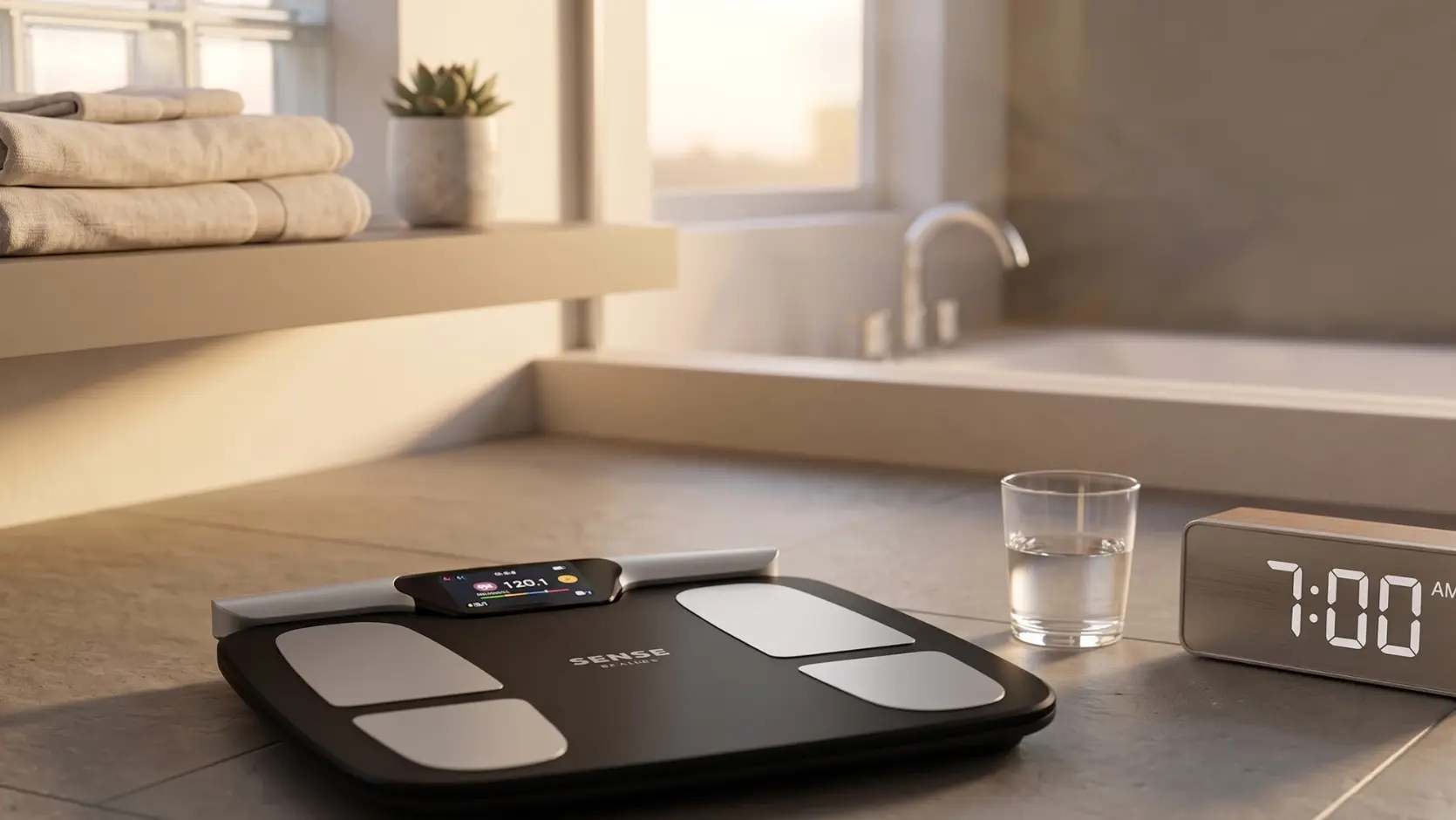
Most people assume measuring their weight is foolproof – step on the scale, read the number. Yet the same person can get readings that differ by a kilogram or more within hours, simply because of how and when they weighed. If you have ever been baffled by a scale that seems to change its mind, the problem is rarely the scale; it is the method. This guide explains how to measure your weight accurately at home – the right surface, the best time, the conditions that matter, and the habits that turn a confusing number into reliable, trackable data. Get these basics right and your scale becomes a tool you can genuinely trust to reflect your progress.
Why Accurate Measurement Matters
Measuring your weight accurately is not about chasing a perfect number; it is about getting consistent readings you can compare over time. Tracking progress depends on the trend, and a trend is only meaningful if each reading was taken the same way. Sloppy measurement adds noise that hides the real signal. When you measure carelessly – different times, different surfaces, different conditions – your weight appears to jump around for no reason, which is confusing and demoralising. Measure consistently, and those phantom swings disappear, leaving a clear picture of how your body is actually changing.
Use a Hard, Flat Surface
The single most common mistake is weighing on the wrong surface. A scale needs a hard, flat, level floor to read accurately, because soft or uneven surfaces distort how your weight presses on the sensors. Carpet is the worst offender, often making readings inconsistent or inflated. Tile, wood or concrete are ideal. If your bathroom is carpeted, find a hard surface elsewhere, or place a sturdy hard board under the scale. Keeping the scale in the same spot each time also helps, since it removes the surface as a variable entirely.
Weigh at the Same Time of Day
Your weight changes throughout the day as you eat, drink and move, so the time you weigh matters as much as the scale. Weighing at different times compares readings taken under completely different conditions, which is why your evening weight can be a kilo or two above your morning weight. The fix is simple: weigh at the same time every time. First thing in the morning is best, for reasons we will cover next, but whatever time you choose, sticking to it removes a major source of variation and makes your readings genuinely comparable.
The Best Time to Weigh Yourself
The ideal time to weigh is first thing in the morning, after using the bathroom and before eating or drinking. At this point your body is in its most consistent, baseline state, with the previous day’s food and water largely processed, so the reading reflects your true weight rather than a recent meal. Weighing later in the day is not wrong, but it introduces the variability of everything you have eaten and drunk. If mornings do not suit you, simply pick another consistent time – the key is the consistency, with mornings being the easiest to keep stable.
Keep Conditions Consistent
Beyond surface and timing, small conditions add up. Wear similar clothing each time, or weigh with none, since clothes can add a variable amount. Stand still and balanced on the scale, distributing your weight evenly, rather than shifting or leaning. For smart scales using bioelectrical impedance, consistency matters even more, since hydration and recent activity affect body-composition estimates. Weighing under similar conditions – similar hydration, before exercise or a shower – keeps those readings comparable too.
Understand Normal Fluctuations
Even with perfect technique, your weight will vary day to day, and understanding this prevents needless worry. Food in your system, water retention from salt, hydration levels and hormonal changes can all swing the scale by a kilogram or two, none of which reflects real fat gain or loss. These fluctuations are completely normal. The mistake is reacting to a single high or low reading as if it means something; the reality is that only the trend over days and weeks reveals genuine change. Expect the wobble, and watch the line instead.
Track the Trend, Not the Number
This is the golden rule of measuring weight: trust the trend, not any single reading. A scale that drops or rises one morning tells you little; a trend that drifts steadily in one direction over weeks tells you everything. Smart scales make this easy by charting your trend in an app, which is half their value. Thinking about trends also makes weighing far less stressful. Instead of riding the emotional ups and downs of daily numbers, you watch a calm, meaningful line that reflects your real progress over time.
How Often Should You Measure?
For most people, weighing a few times a week at the same time of day captures the trend well without inviting obsession over normal swings. Daily weighing is fine if you treat the numbers as data and focus on the weekly average rather than each reading. If you find the scale affecting your mood, weighing less often is perfectly healthy, and you can lean on other markers like how your clothes fit. The right frequency is the one that keeps you informed without becoming a source of anxiety.
Common Measurement Mistakes
Avoid these to keep your readings reliable:
- Weighing on carpet or an uneven surface.
- Weighing at random times of day.
- Wearing different clothing each time.
- Reacting to a single reading instead of the trend.
- Using a scale on a low battery, which can affect accuracy.
Caring for Your Scale’s Accuracy
A well-maintained scale measures more reliably. Keep it on a hard surface, wipe it clean, and replace the batteries before they fade, since a low battery can affect readings. Avoid dropping or overloading it, and store it flat rather than propped against a wall. If your scale ever seems off, check the surface and battery first before doubting the device. With basic care, a quality scale stays accurate for years.
Example: The FITTR Sense Smart Scale
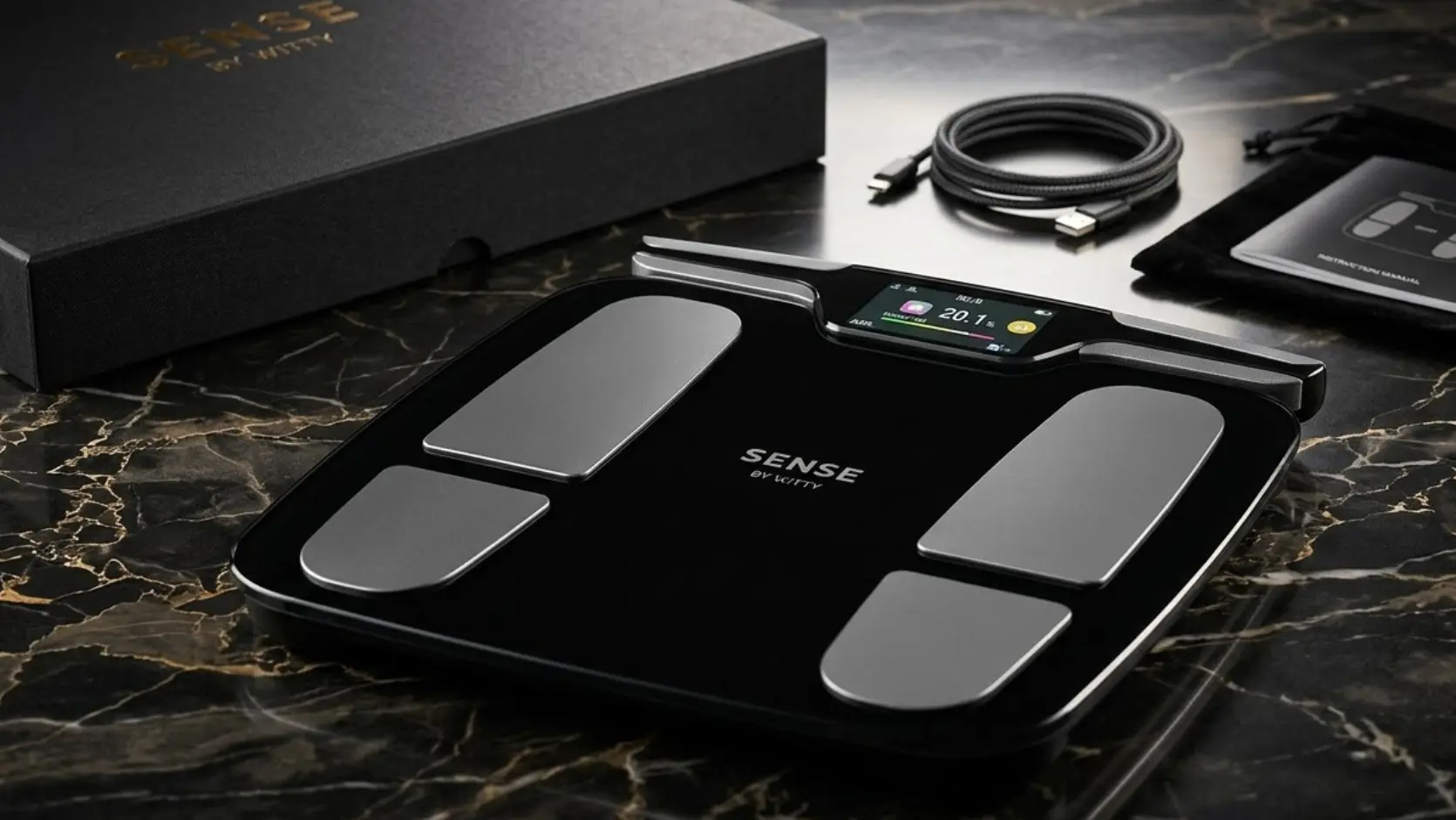
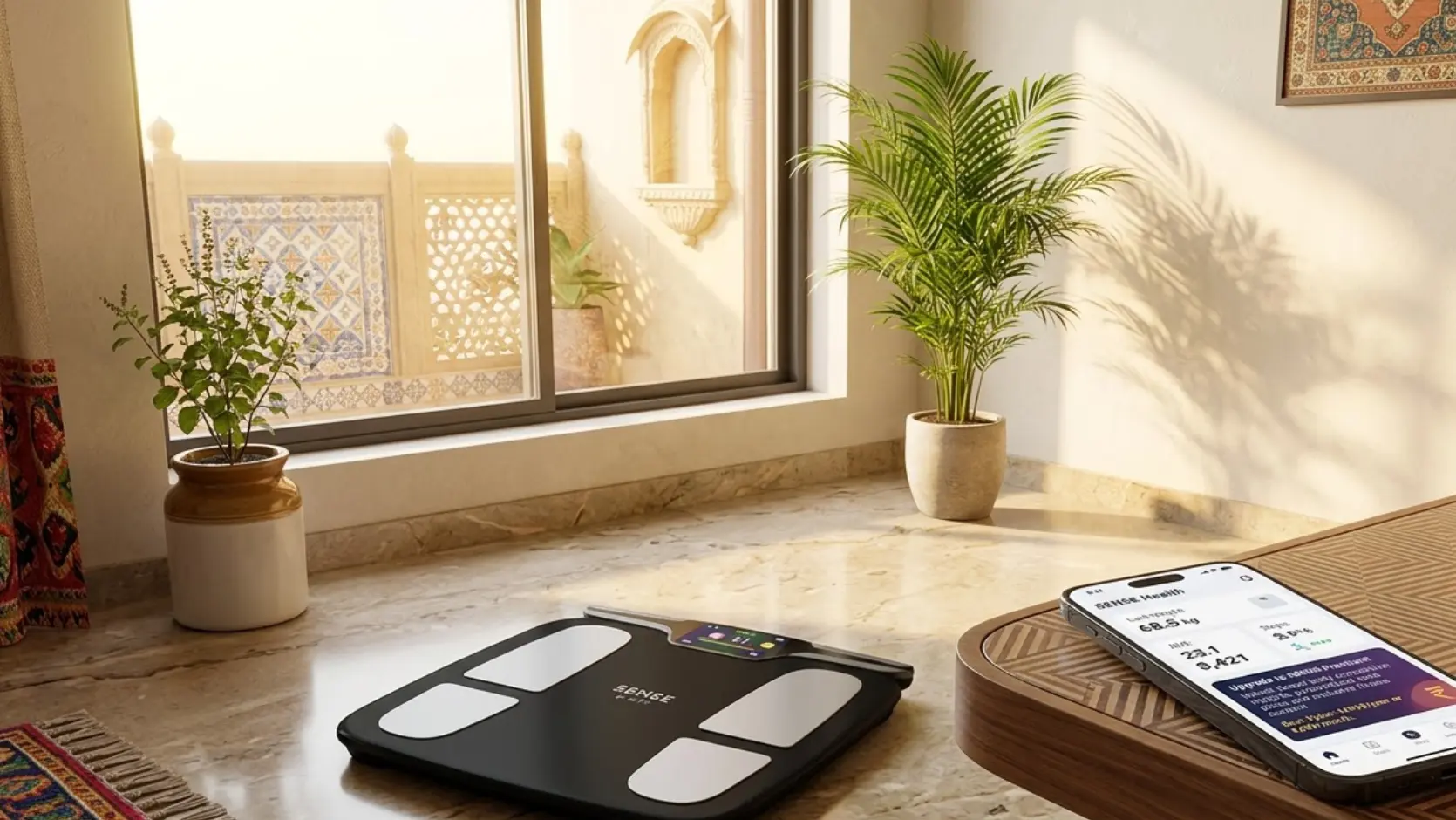
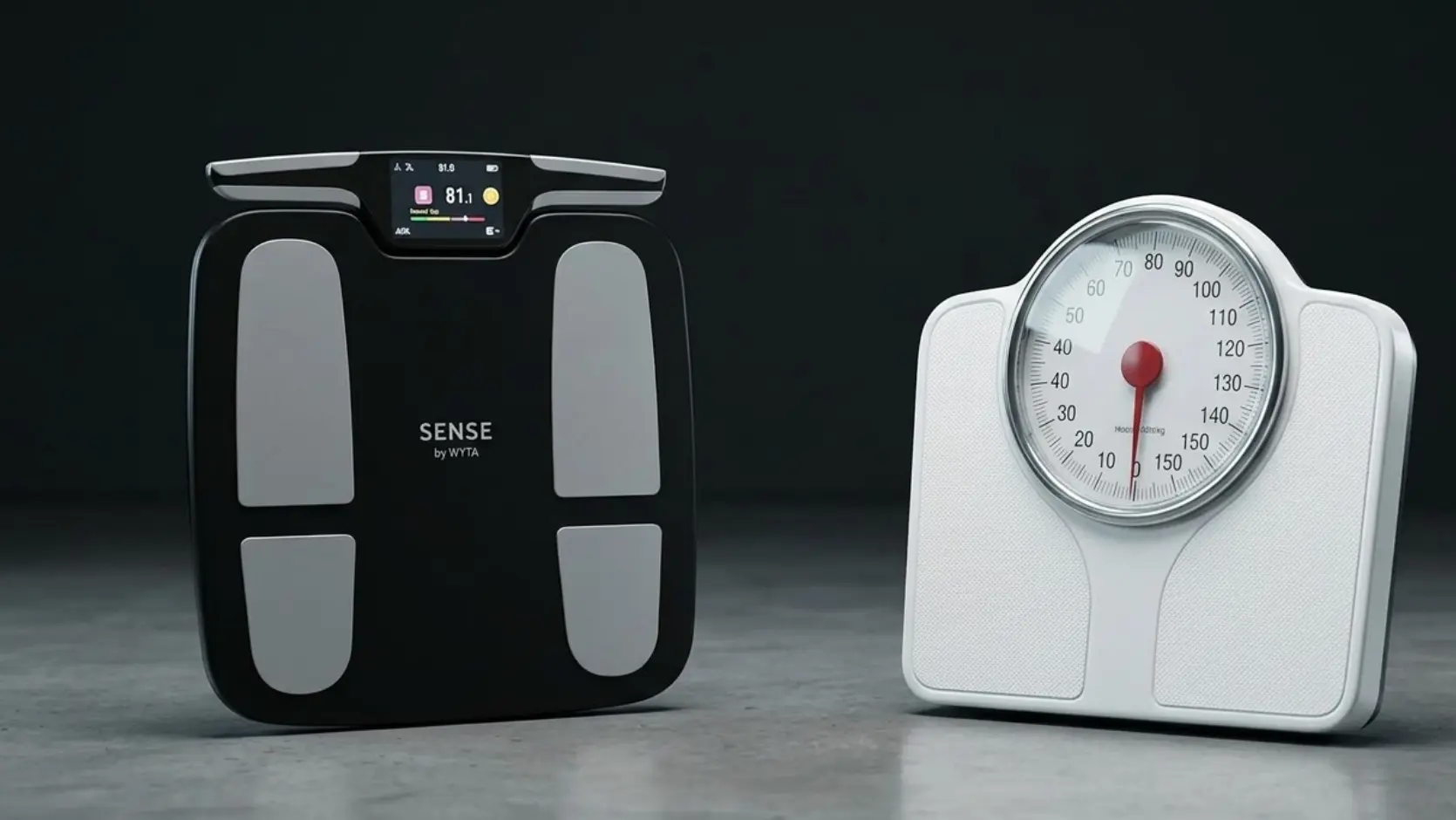
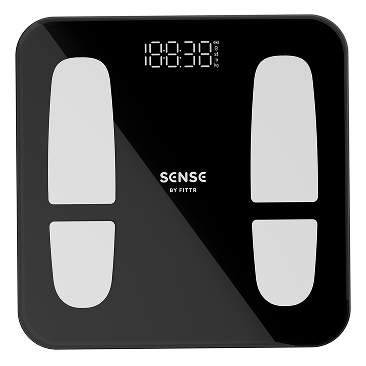
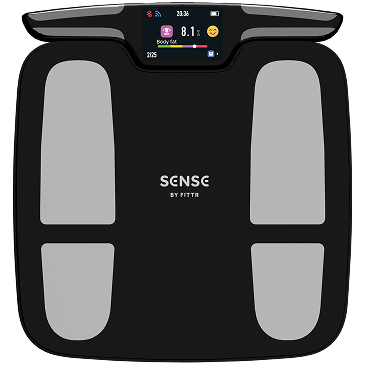
As an example, the FITTR Sense smart scale measures your weight and body composition and charts the trend in the FITTR app, so once you weigh consistently, it does the work of turning your readings into a clear, trackable line. Pairing good measurement habits with a smart scale gives you the most reliable picture of your progress.
Why Your Weight Differs From the Doctor’s Scale
A common worry is when your home scale reads differently from the one at the clinic. Usually this is nothing to worry about. Different scales can be calibrated slightly differently, and you are likely weighed at different times of day, in different clothing, after different meals – all of which shift the number. What matters is not matching the doctor’s scale exactly, but that your own scale is consistent with itself. As long as it gives you the same reading under the same conditions, it tracks your trend reliably, which is what counts. Treat each scale as its own reference rather than expecting them to agree to the gram.
Measuring Body Composition Accurately
If your scale is a smart one estimating body composition, accuracy depends on consistency even more, because bioelectrical impedance is sensitive to hydration, food and recent activity. Measuring at the same time of day, in a similar state, keeps those estimates comparable over time. Read body-composition numbers as trends rather than exact figures. Under consistent conditions, the direction of your fat and muscle over weeks is reliable and meaningful, even if any single reading is approximate. That trend is what reveals genuine change in your body.
Building a Weighing Routine
The easiest way to measure accurately is to make it a routine. Weigh at the same time, in the same place, under the same conditions, ideally first thing in the morning. Tying it to an existing habit, like weighing right after you wake and use the bathroom, helps it stick. Once weighing is a consistent routine, accurate measurement becomes automatic, and your readings line up into a clean trend. The effort is small and the payoff is large: data you can actually trust to reflect your progress.
When Not to Trust a Single Reading
Certain readings are best taken with a pinch of salt. A weigh-in straight after a salty meal, a hard workout, a long flight or a poor night’s sleep can be skewed by water and other temporary factors. These do not reflect real fat change. Rather than reacting to such readings, note the unusual circumstances and wait for the trend to reassert itself. One odd number against a clear trend is just noise; it is the consistent direction over time that tells the truth about your weight.
Measuring Weight for the Whole Family
If several people share a scale, a few habits keep everyone’s readings accurate. Each person should weigh under their own consistent conditions, and a multi-user smart scale helps by keeping separate histories in the app. A higher weight capacity ensures the scale suits every member of the household. With a shared scale, the same principles apply to each user: same surface, same timing, same conditions. Done this way, a single scale can give the whole family reliable, individual trends to follow.
Turning Accurate Readings Into Progress
Accurate measurement is only the first step; the real value comes from acting on what you see. Once your readings are consistent and trustworthy, you can connect them to your goals – adjusting your nutrition and training based on the trend, and using your total daily energy expenditure to set sensible targets. Accurate data feeds better decisions, which is the whole point of measuring carefully in the first place.
Frequently Asked Questions
How do I measure my weight accurately at home?
Use a hard, flat surface, weigh at the same time of day under similar conditions, stand still, and track the trend rather than single readings.
What is the best time to weigh yourself?
First thing in the morning, after using the bathroom and before eating or drinking, gives the most consistent reading.
Why does my weight change during the day?
Food, water and salt cause normal daily swings of a kilogram or two, which is why the trend matters more than one reading.
How often should I weigh myself?
A few times a week at the same time of day works well for most people; focus on the weekly trend.
Does the surface affect weight readings?
Yes. A hard, flat, level surface gives accurate readings, while carpet or uneven floors can distort them.
Accuracy Builds Better Habits.
Measure weight machine, check weight machine, or human weight check machine readings are simple once you know the rules: a hard flat surface, the same time of day, consistent conditions, and a focus on the trend rather than any single number. Get these right and the scale stops confusing you and starts revealing your real progress. Paired with a smart scale like the FITTR Sense and Fittr’s body fat calculator, good measurement habits turn everyday weighing into reliable, trackable insight.