



Walk into any shop or browse online and you will find a bewildering variety of weighing machines – spring dials, sleek glass platforms, lab balances, kitchen scales and connected smart scales. They all measure weight, but they are built for very different jobs, and choosing the wrong type is an easy and common mistake. This guide explains every main type of weighing machine, how each works, and what it is best used for – so you can quickly identify the right one for your needs, whether that is tracking your body or weighing ingredients. We will pay special attention to body-weight machines, since those are what most people are really after when they search for a weighing machine for home.
What Is a Weighing Machine?
A weighing machine is any device that measures weight or mass. That broad definition spans everything from a pocket kitchen scale to a heavy industrial platform, but the machines fall into a handful of clear categories defined by how they work and what they are designed to weigh. Understanding those categories is the key to choosing well, because a scale built for a warehouse and one built for your bathroom share little beyond the basic idea of measuring weight.
The Main Types of Weighing Machine
Here are the categories you are most likely to encounter.
Analog Spring Scales
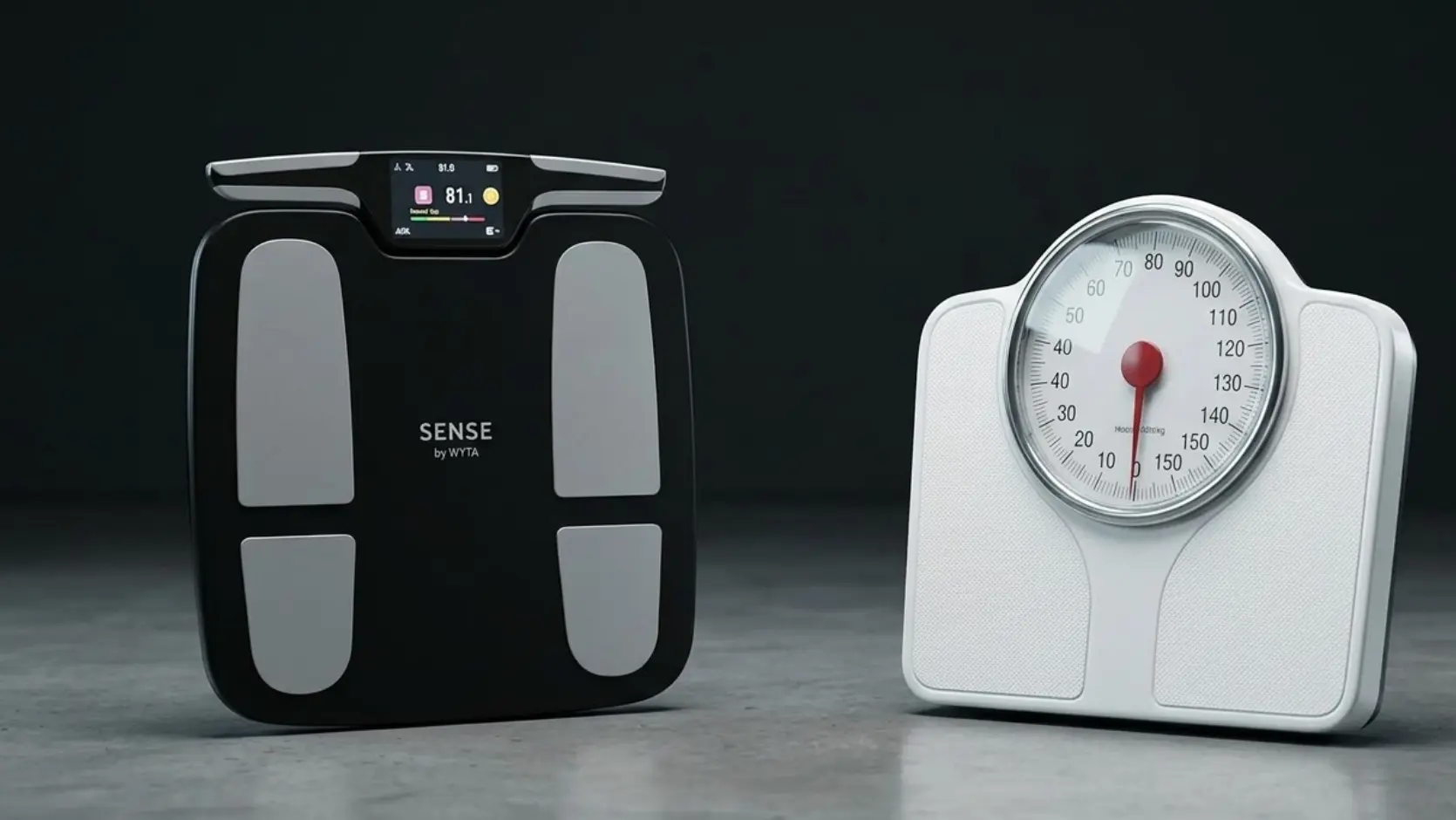
The classic bathroom scale, using a spring and a rotating dial to show weight. It needs no batteries, is cheap and simple, and is reasonably durable, but it is less precise than digital, can drift over time, and shows only weight. It suits anyone who wants the simplest possible occasional weight check with no electronics involved.
Digital Body Scales
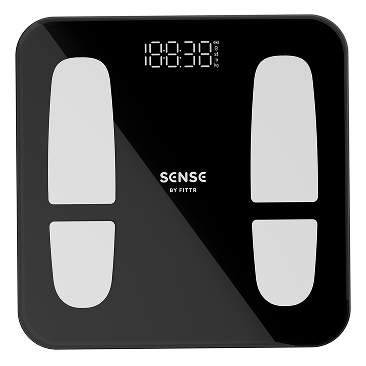
These use electronic load sensors and a digital display for sharper, more consistent readings than analog. They are the modern default for home body weight, offering clear numbers, higher accuracy and better capacity. They show weight only unless they add smart features, but for reliable everyday weighing they are excellent value.
Smart Body-Composition Scales
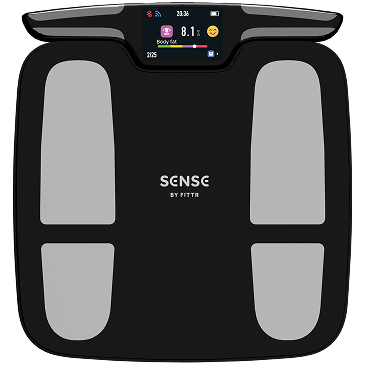
The most capable home option, a smart scale measures weight and estimates body fat, muscle, water and more, syncing everything to an app to track trends. For health and fitness goals this is the type that delivers real insight.
Kitchen Scales
Small, precise scales designed for weighing food and ingredients in grams. They are invaluable for cooking, baking and tracking food portions for nutrition, but they are not built for body weight. If your goal is dietary precision rather than tracking your body, a kitchen scale is the right tool.
Industrial and Commercial Scales
Heavy-duty platforms and counters built to weigh goods, produce or freight in shops, warehouses and factories. They prioritise high capacity and durability over the personal-health features of a body scale, and they sit well outside what a typical home user needs.
What Is a Weighing Balance?
A weighing balance is a precision instrument that measures mass very accurately, traditionally by comparing an unknown mass against known weights, and today often electronically. Balances are used in laboratories, jewellery and commercial settings where exactness is critical. For everyday body weight at home, a body scale is the practical equivalent – you do not need laboratory precision to track your fitness, just consistency.
How Different Weighing Machines Work
The types differ mechanically. Analog scales use a spring that compresses under weight and moves a dial. Digital scales use load cells – sensors whose electrical resistance changes under pressure – to produce a precise reading. Smart scales add bioelectrical impedance, sending a tiny harmless current through the body to estimate composition. Balances use either a comparison mechanism or fine electromagnetic sensing. Knowing the mechanism helps explain why digital and smart machines are generally more precise and feature-rich than analog ones.
Uses by Type
Matching type to use is simple once you know the categories:
- Everyday body weight – a digital or smart body scale.
- Body-composition and fitness tracking – a smart scale with an app.
- Simple, battery-free weighing – an analog scale.
- Cooking and nutrition – a kitchen scale.
- Commercial or lab precision – an industrial scale or weighing balance.
Which Type Is Best for the Home?
For most homes, the choice is between a digital body scale and a smart body-composition scale. If you simply want an accurate weight, a good digital scale is plenty. If you want to track fat, muscle and trends toward a fitness goal, a smart scale is the clear winner.
Analog vs Digital
Within home scales, the analog-versus-digital question comes up constantly. Analog is cheap, battery-free and simple but less precise; digital is more accurate, clearer to read and capable of smart features. For nearly everyone tracking their health today, digital wins.
Smart Body-Composition Scales in Depth
Smart scales deserve a closer look because they change what a weighing machine can do. Beyond weight, they estimate body fat, muscle mass and body water, and crucially they remember every reading in an app, turning isolated numbers into a trend you can learn from. That connected memory is the real leap. Paired with tools like Fittr’s body fat calculator, a smart scale becomes a genuine fitness instrument rather than a simple measuring device.
Choosing the Right Type for Your Goal
The whole decision collapses to one question: what do you actually want to weigh, and why? For tracking your body toward a fitness goal, a smart body-composition scale is the answer. For plain weight checks, a digital body scale. For food, a kitchen scale. For commercial use, an industrial scale or balance. Start from the job, not the gadget, and the right type becomes obvious.
Example: The FITTR Sense Smart Scale
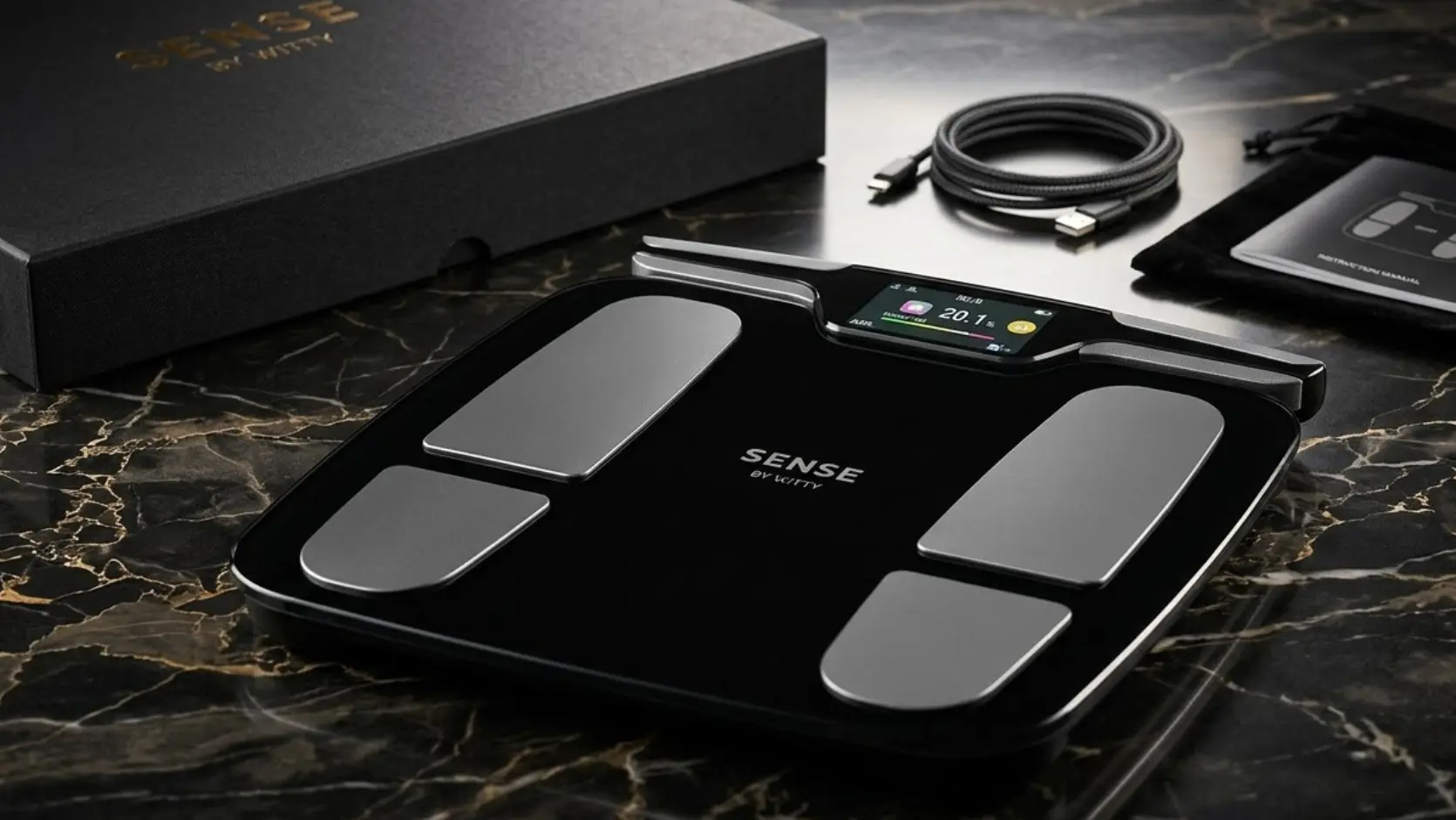
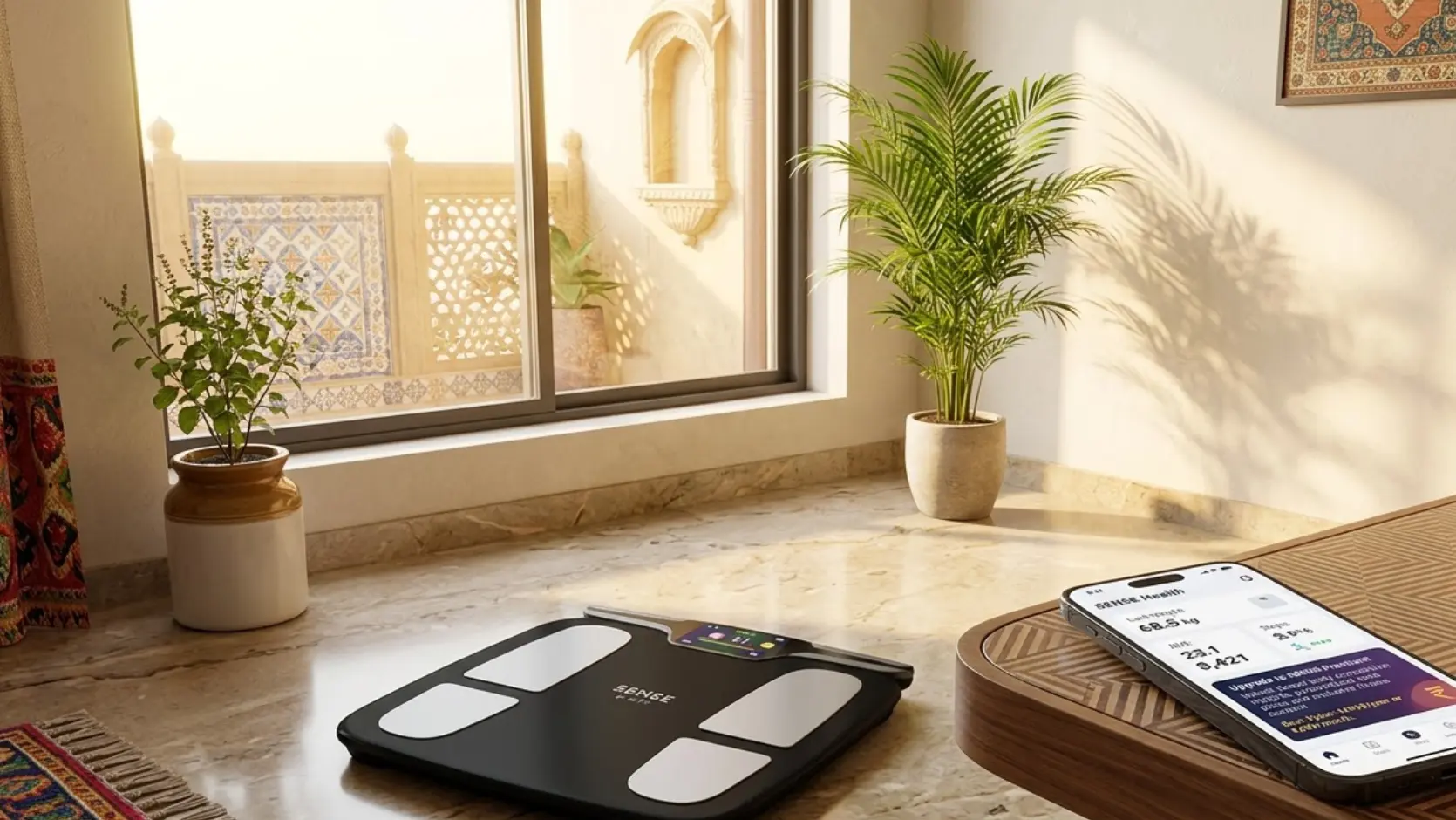
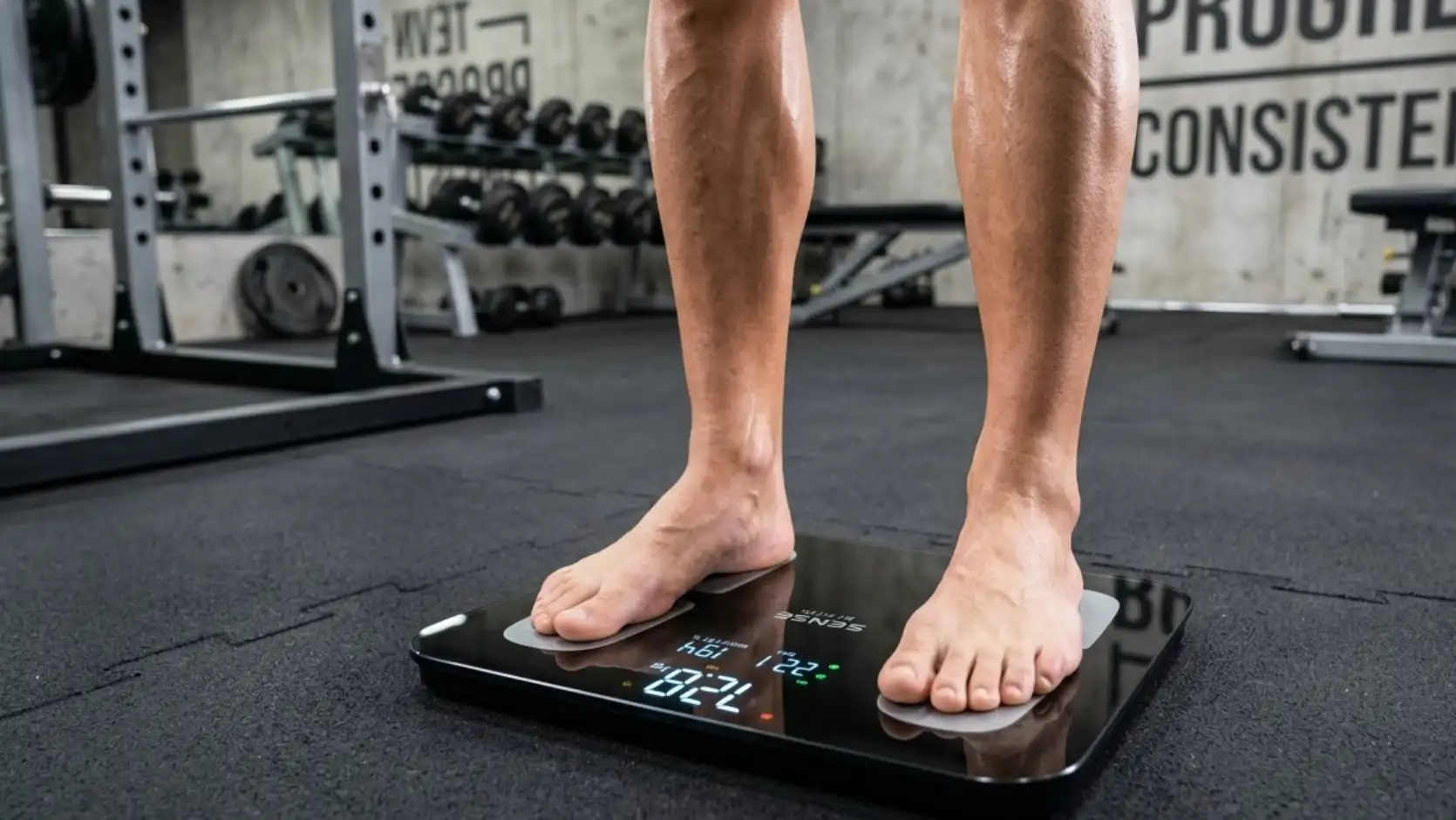
As an example of the smart body-composition type, the FITTR Sense smart scale measures weight and estimates body composition, syncing to the FITTR app so you can track fat, muscle and your weight trend over time. It represents the most useful category of weighing machine for anyone focused on health and fitness at home.
How to Match a Machine to Your Body Goals
If your aim is health and fitness, the type you need follows directly from your goal. For simple weight monitoring, a digital body scale is enough. For fat loss or muscle gain, a smart body-composition scale earns its place by showing the fat and muscle changes that weight alone hides. For nutrition precision, add a kitchen scale to weigh food. Thinking in terms of the outcome you want, rather than the device itself, makes the choice almost automatic.
Accuracy Across Different Types
Accuracy varies meaningfully between types. Analog spring scales are the least precise and can drift as the spring ages. Digital body scales are accurate and consistent, which is what matters most for tracking. Smart scales match digital accuracy for weight and add body-composition estimates that should be read as trends rather than exact figures. Laboratory balances are the most precise of all, but that level of exactness is unnecessary for tracking body weight at home.
Maintenance by Type
Different machines ask for different care. Analog scales may need occasional recalibration as the spring weakens. Digital and smart scales need little beyond an occasional battery change and a clean, dry surface, and they hold calibration well. All types prefer a hard, flat floor and protection from drops and overloading. In general, digital and smart scales are the lowest-maintenance options for everyday home use, which adds to their appeal.
Weighing Machines in India
For Indian buyers, all the main types are widely available, from cheap analog scales to advanced smart scales. The practical advice is to favour brands with local warranty and support, especially for smart and digital models that may eventually need service. India-available options typically offer better pricing and easier servicing than imports.
Common Mistakes When Choosing a Type
A few errors trip buyers up:
- Buying a kitchen scale expecting it to track body weight, or vice versa.
- Choosing analog to save a little, then missing accuracy and features.
- Paying for a premium imported scale when a mid smart scale would do.
- Ignoring app quality, which is where a smart scale’s value lives.
- Overlooking weight capacity for heavier household members.
Why Smart Scales Are Winning at Home
Across all the types, smart body-composition scales have become the default choice for health-focused homes, and for good reason. They combine the accuracy of digital weighing with body-composition insight and app-based trend tracking, all at a price that keeps falling. For anyone who wants their scale to do more than show a number – to actually help them understand and improve their body – the smart type has simply become the most useful machine in the category.
A Simple Way to Decide
If the range of types feels overwhelming, reduce it to a single question: what do you want to weigh, and why? Tracking your body for fitness points to a smart body-composition scale. A plain weight check points to a digital body scale. Food and nutrition point to a kitchen scale. Commercial or laboratory work points to an industrial scale or balance. Answer that one question honestly and the correct type falls out immediately, with no need to weigh every option.
Frequently Asked Questions
What are the main types of weighing machine?
Common types include analog spring scales, digital body scales, smart body-composition scales, kitchen scales, and industrial or commercial scales, each suited to different uses.
What is the difference between analog and digital weighing machines?
Analog scales use a spring and dial; digital scales use electronic load sensors and a screen, generally offering more precision and features like body composition.
What is a smart weighing machine?
A smart scale measures weight and estimates body composition, syncing the data to an app so you can track trends over time.
Which weighing machine is best for home use?
For health tracking, a digital or smart body scale is best; smart scales add body composition and app tracking for deeper insight.
What is a weighing balance?
A weighing balance measures mass precisely, often used in labs and commercial settings; for body weight at home, a body scale is the everyday equivalent.
Choose the Right Weighing Machine for Your Needs.
Machine weighing, weighing unit, or weighing balance – whichever term brought you here, choosing the right one is easy once you match the machine to the job: a smart or digital body scale for tracking your body, a kitchen scale for food, and industrial scales or balances for commercial precision. For home health and fitness, a smart body-composition scale like the FITTR Sense is the type that turns weighing into genuine progress tracking. Pair it with Fittr’s 1RM calculator if strength is part of your tracking too.