






Introduction
Kidney stones affect approximately 12% of the Indian population, with Maharashtra falling within the country’s ‘kidney stone belt’. Pune’s hot summers – temperatures regularly exceeding 38°C from March to June – increase dehydration risk, which is the single most preventable cause of kidney stone formation.
Understanding the symptoms, knowing your risk factors, and getting the right tests done are the most effective ways to catch kidney problems before a stone becomes a medical emergency.
Symptoms of Kidney Stones
1. Severe Flank Pain (Renal Colic)
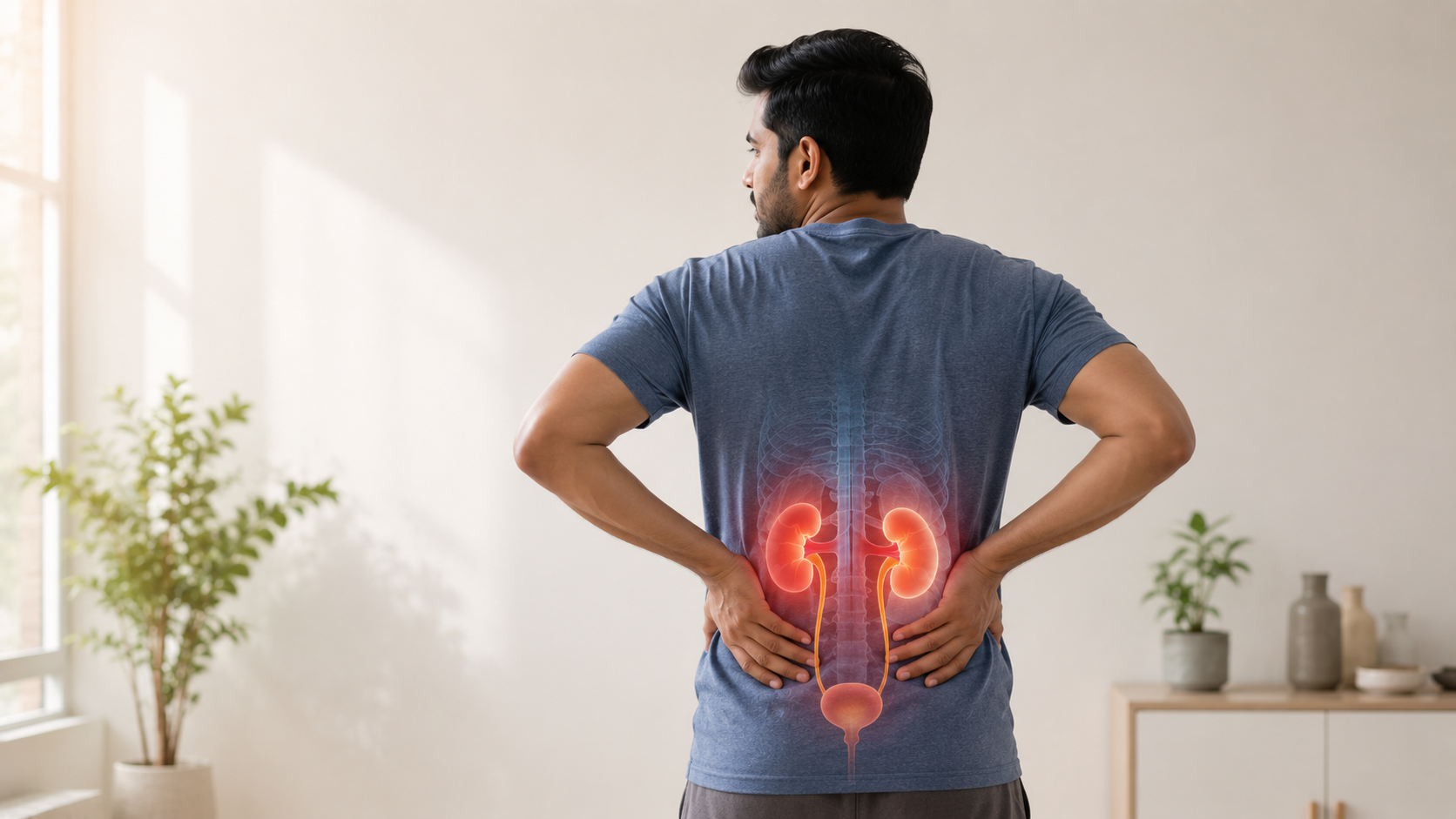
Sudden, intense pain in the side and back below the ribs – often radiating toward the lower abdomen and groin. Pain typically comes in waves as the stone moves through the urinary tract.
2. Blood in Urine (Haematuria)
Pink, red, or brown urine occurs when a stone scratches the inner lining of the urinary tract. This is one of the most recognisable signs.
3. Painful or Frequent Urination
A burning sensation during urination, or urgency and frequency without infection, often signals a stone entering the ureter or bladder.
4. Nausea and Vomiting
The intense pain of kidney stones frequently triggers nausea and vomiting as a reflex response.
5. Fever and Chills
If a stone causes a urinary tract infection, fever and chills can develop. This requires immediate medical attention.
6. Cloudy or Foul-Smelling Urine
This can indicate a urinary tract infection alongside a stone – another sign that medical assessment is needed promptly.
Risk Factors for Kidney Stones
- Inadequate water intake – the most common and preventable cause
- Diet high in salt, protein (red meat), or oxalate-rich foods (spinach, nuts, tea)
- Obesity and diabetes
- Family history of kidney stones
- Previous kidney stones (recurrence rate approximately 50% within 5–10 years)
- Hot climate and excessive sweating (Pune summers are particularly relevant)
- Sedentary lifestyle
Key Blood Tests for Detecting Kidney Problems Early
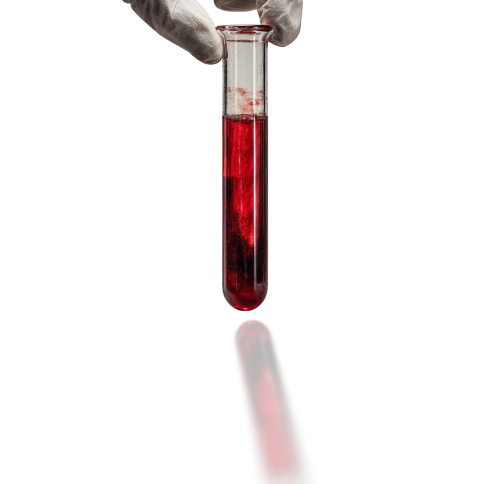
Serum Creatinine: 0.6–1.2 mg/dL (men), 0.5–1.1 mg/dL (women). Elevated creatinine = reduced filtration. | BUN: 7–20 mg/dL | Uric Acid: 3.4–7.0 mg/dL. High uric acid raises risk of both gout and uric acid kidney stones. | eGFR: above 60 mL/min/1.73m² = normal. Below 60 = investigate for chronic kidney disease. | Urine Analysis: presence of blood, protein, or crystals can indicate stone activity before symptoms appear.
Frequently Asked Questions
Q1. What does kidney stone pain feel like?
Kidney stone pain (renal colic) is typically described as one of the most intense pains a person can experience. It presents as sudden, severe pain in the side and back below the ribs, often radiating toward the lower abdomen and groin. The pain typically comes in waves lasting 20 to 60 minutes and may be accompanied by nausea, vomiting, and blood in the urine.
Q2. Which blood tests detect kidney stones?
Blood tests do not directly visualise kidney stones, but they detect signs of kidney stress and conditions that cause stones. Key tests include: Serum Creatinine (elevated = reduced kidney function), Uric Acid (elevated = risk of uric acid stones), Blood Urea Nitrogen (BUN), eGFR, and Electrolytes. A urine analysis detecting blood, crystals, or protein provides additional evidence of stone activity.
Q3. How common are kidney stones in India?
Approximately 12% of the Indian population is prone to kidney stone disease. Maharashtra falls within India’s ‘kidney stone belt’ – a geographically defined high-prevalence zone. The recurrence rate is significant: approximately 50% of people who have had a kidney stone will experience another within 5 to 10 years.
Q4. How can I prevent kidney stones in Pune?
The most effective prevention is adequate hydration – drinking at least 2.5 to 3 litres of water per day, especially during Pune’s hot summers (March to June). Additionally, reducing salt intake, limiting high-oxalate foods (spinach, nuts, tea), moderating animal protein, and maintaining a healthy weight all reduce stone formation risk. A kidney function test and urine analysis can identify early markers before a stone forms.
Q5. Can I get a kidney function test done at home in Pune?
Yes. FITTR Labs offers kidney profile testing with home blood sample collection across Kharadi, Viman Nagar, Hadapsar, Wagholi, Kalyani Nagar, Magarpatta, Mundhwa, Koregaon Park, Yerawada, and Shivajinagar in Pune. Digital reports are delivered within 24 to 48 hours.
Q6. What is a normal creatinine level in India?
Normal serum creatinine levels are 0.6 to 1.2 mg/dL for men and 0.5 to 1.1 mg/dL for women. Values above the normal range indicate reduced kidney filtration. eGFR (estimated Glomerular Filtration Rate) above 60 mL/min/1.73m² is considered normal kidney function.