






The thyroid is a small gland in the neck that sets the pace of your metabolism. When it produces too little or too much hormone, the effects show up everywhere: energy, weight, mood, heart rate, periods, skin and hair. Symptoms build slowly and are easy to blame on stress or a busy schedule, which is why thyroid disorders often go undetected for years.
This guide covers the symptoms worth acting on, who should get tested, what TSH, T3 and T4 actually mean, and how often to repeat the test.
How Common Are Thyroid Disorders in India?
A cross-sectional study across eight Indian cities found hypothyroidism in 10.95% of adults, which is roughly one in nine. Of those, 3.47% had no idea they had it until they were tested. The study also found the condition about three times more common in women (15.86%) than in men (5.02%), and an additional 8.02% of participants had subclinical hypothyroidism, a milder form of thyroid underactivity.
In short: it’s common, it’s frequently missed, and a simple blood test finds it.
Symptoms of an Underactive Thyroid (Hypothyroidism)
When the thyroid produces too little hormone, the body slows down:
- Persistent tiredness and low energy
- Unexplained weight gain or difficulty losing weight
- Feeling cold when others don’t
- Dry skin and hair fall
- Constipation
- Puffiness around the face and eyes
- Low mood, poor concentration or memory lapses
- Heavier or irregular periods
- Muscle aches, cramps and weakness
- Slow heart rate
Symptoms of an Overactive Thyroid (Hyperthyroidism)
When the thyroid produces too much hormone, everything speeds up:
- Unexplained weight loss despite a normal or increased appetite
- Rapid or irregular heartbeat, palpitations
- Anxiety, restlessness or irritability
- Trembling hands
- Excessive sweating and heat intolerance
- Difficulty sleeping
- Frequent or loose bowel movements
- Lighter or irregular periods
- Swelling at the base of the neck (goitre)
- Eye changes, such as bulging or irritation
Many of these overlap with anaemia, Vitamin D or B12 deficiency, diabetes and anxiety. That overlap is exactly why testing beats guessing.
Who Should Get a Thyroid Test?
- Anyone with the symptoms above, especially if more than one persists for several weeks
- Women over 35, who carry a higher risk than men
- Anyone with a family history of thyroid disease or autoimmune conditions
- Women planning pregnancy, pregnant, or recently delivered, since thyroid hormones affect fertility, pregnancy and the baby’s development
- People with PCOS, which is commonly associated with thyroid disorders
- People with type 1 diabetes or other autoimmune conditions
- Anyone with a neck swelling, lump or voice change
- People already diagnosed, for routine monitoring
- People whose cholesterol is high without an obvious cause, since an underactive thyroid can raise it
Understanding TSH, T3 and T4
TSH
Made by the pituitary gland, TSH tells the thyroid to produce hormone. It moves in the opposite direction to thyroid activity: when the thyroid underperforms, TSH rises to push it harder; when the thyroid overproduces, TSH falls. Commonly used adult reference ranges run from roughly 0.4 to 4.5 mIU/L, though labs differ and older adults and pregnant women are assessed differently.
T4 (Thyroxine)
The main hormone the thyroid releases. Most of it is bound to proteins, so free T4 (the active portion) is often more informative.
T3 (Triiodothyronine)
The more active hormone, mostly converted from T4 in the body’s tissues. Free T3 is used similarly to free T4.
Anti-TPO Antibodies
These point to an autoimmune cause, most often Hashimoto’s thyroiditis, which is the commonest cause of hypothyroidism where iodine intake is adequate.
Reading the Combinations
| TSH | T4 / T3 | Usual interpretation |
|---|---|---|
| High | Low T4 | Hypothyroidism |
| High | Normal T4 | Subclinical hypothyroidism |
| Low | High T3 or T4 | Hyperthyroidism |
| Low | Normal T3 and T4 | Subclinical hyperthyroidism |
| Normal | Normal | Normal thyroid function |
A single abnormal result isn’t a diagnosis. Timing, recent illness, medication and supplements all shift values, so doctors usually confirm with a repeat test before starting treatment.
What Happens After an Abnormal Result
- Repeat testing to confirm the finding, often with free T4 added.
- Anti-TPO antibodies to check for an autoimmune cause.
- An ultrasound of the neck if there’s a swelling, nodule or lump.
- Treatment, if needed. Hypothyroidism is usually treated with daily levothyroxine; hyperthyroidism has several treatment routes, decided by a specialist.
- Follow-up testing about 6–8 weeks after starting or changing a dose, then at longer intervals once stable.
How Often Should You Repeat a Thyroid Test?
| Situation | Typical frequency |
|---|---|
| Healthy adult, no symptoms | Only when included in a routine checkup or if symptoms appear |
| Symptoms present | Test now, then as your doctor advises |
| Newly diagnosed or dose changed | About 6–8 weeks after the change |
| Stable on treatment | Usually every 6–12 months |
| Pregnancy | As advised by your obstetrician, often more frequently |
Your doctor sets the schedule; these are common patterns, not rules.
Lifestyle Points Worth Knowing
- Iodised salt matters. Iodine is needed to make thyroid hormone, and switching entirely to non-iodised salts can reduce intake.
- Thyroid medicine absorbs best on an empty stomach, typically 30–60 minutes before breakfast, away from calcium and iron supplements.
- Weight changes are real but modest. Treating hypothyroidism helps, but it doesn’t replace a calorie deficit and exercise for fat loss.
- Don’t self-medicate. Thyroid hormone taken without a confirmed diagnosis can cause heart rhythm problems and bone loss.
Frequently Asked Questions
1. What are the first signs of a thyroid problem?
Early signs of an underactive thyroid include persistent tiredness, unexplained weight gain, feeling cold, dry skin, hair fall and low mood. An overactive thyroid often starts with weight loss, palpitations, anxiety, tremors and heat intolerance. Symptoms build gradually and are easy to miss.
2. Can I get a thyroid test at home in Pune if I have symptoms?
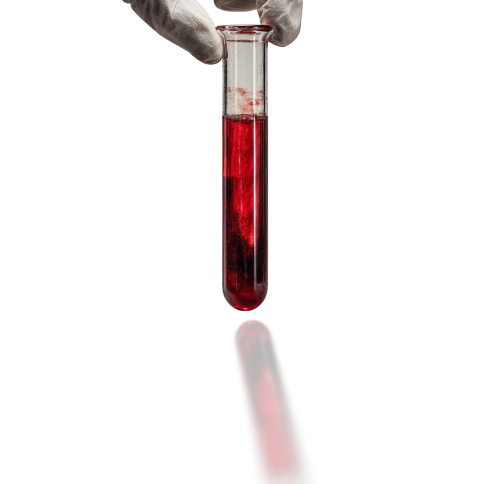
Yes. Fittr Labs offers home sample collection in Pune, so a phlebotomist can collect your sample at home for a TSH test or a full thyroid profile. Morning slots are best, since TSH is naturally highest in the early morning.
3. Who should get a thyroid test?
Anyone with persistent thyroid symptoms should be tested. So should women over 35, people with a family history of thyroid or autoimmune disease, women planning or during pregnancy, people with PCOS or type 1 diabetes, anyone with a neck swelling, and people already on thyroid treatment.
4. What is a normal TSH level?
Commonly used adult reference ranges run from about 0.4 to 4.5 mIU/L, but ranges vary between labs and assays. Older adults and pregnant women are assessed against different ranges, so always interpret your result with a doctor rather than against a general figure.
5. What does a high TSH mean?
A high TSH usually means the thyroid is underactive, because the pituitary is producing more TSH to stimulate it. If T4 is low, this points to hypothyroidism. If T4 is normal, it suggests subclinical hypothyroidism, which may only need monitoring.
6. Can thyroid symptoms be mistaken for something else?
Often. Fatigue, hair fall, weight change and low mood also occur with anaemia, Vitamin D or B12 deficiency, diabetes and anxiety. That’s why doctors frequently order thyroid tests alongside a complete blood count, blood sugar and vitamin levels.
7. Does a thyroid problem cause weight gain?
An underactive thyroid can cause modest weight gain, mainly from fluid retention and a slower metabolism. Treatment usually helps, but it doesn’t replace diet and exercise for fat loss. Large weight changes generally have other contributing causes as well.
8. Should women get tested before pregnancy?
Thyroid testing is commonly advised for women planning pregnancy, especially with symptoms, a family history, PCOS, previous miscarriage or an existing thyroid condition. Thyroid hormones affect fertility and the baby’s development, and pregnancy uses different reference ranges.
9. How often should a thyroid test be repeated?
People on treatment are usually retested about 6–8 weeks after starting or changing a dose, then every 6–12 months once stable. Healthy adults without symptoms don’t need frequent testing. Pregnancy typically requires more frequent monitoring.
10. Can a thyroid test be combined with a full-body checkup?
Yes. TSH or a thyroid profile is included in most full-body checkup packages and can be collected in the same blood draw. Fittr Labs offers thyroid tests and full-body checkups in Pune, with home sample collection available.
Symptoms that won’t go away? Get your thyroid checked with Fittr Labs, Pune, at the Kharadi centre or with home sample collection