Getting Started With a Fat Check Machine
A fat check machine gives you a genuinely practical way to measure body fat at home or the gym, without needing a clinic visit or specialised professional assessment. This guide walks through the actual process step by step, from setup to interpreting your body fat measure results correctly. Whether you’re using a home smart scale or a gym-based device, the core process for getting a reliable fat measure machine reading follows similar principles, which this guide covers in practical, actionable detail you can apply immediately.
The Testing Process
Step One: Choose the Right Time to Test
For the most reliable fat check machine results, test first thing in the morning before eating or drinking anything, and ideally before any exercise. This timing minimises the hydration and food-related fluctuations that can meaningfully skew your body fat measure on any given day. Avoid testing immediately after intense exercise, when temporary water shifts in your muscle tissue can distort readings, and avoid testing after a particularly salty meal, since sodium causes temporary water retention that has nothing to do with genuine changes in your actual body fat.
Step Two: Set Up Your Profile Correctly
Before using any fat measure machine, ensure your height, age, and gender are entered accurately in the device’s settings or companion app. These details feed directly into the underlying bioelectrical impedance calculation, and incorrect information here skews every subsequent reading until corrected. This step is easy to overlook but genuinely important – a fat check machine using wrong height or age data will produce systematically incorrect body fat measure results, regardless of how well the physical sensors themselves are functioning during the actual measurement process.
Step Three: Position Yourself Correctly on the Device
Stand with bare feet fully on the platform’s metal electrodes, rather than on socks or standing at the edge, since proper skin contact is essential for a clean electrical signal. For handheld or full-body fat check machine designs, ensure firm, even contact with any handgrip electrodes too. Standing still and centred during the brief measurement window prevents inconsistent contact that could otherwise produce an unreliable body fat measure reading, even if every other aspect of your testing routine has been done correctly up to this point in the process.
Step Four: Read the Initial Result With Context
Once your fat measure machine displays a result, remember this single reading is an estimate affected by your current hydration and other temporary factors, not a precise, unchanging figure. Avoid over-interpreting any single session’s number in isolation from your broader testing history. This context matters considerably for anyone new to using a fat check machine, since an unexpectedly high or low first reading can cause unnecessary worry when it likely reflects normal measurement variability rather than any dramatic, sudden actual change in your body composition.
Step Five: Test Consistently to Build a Trend
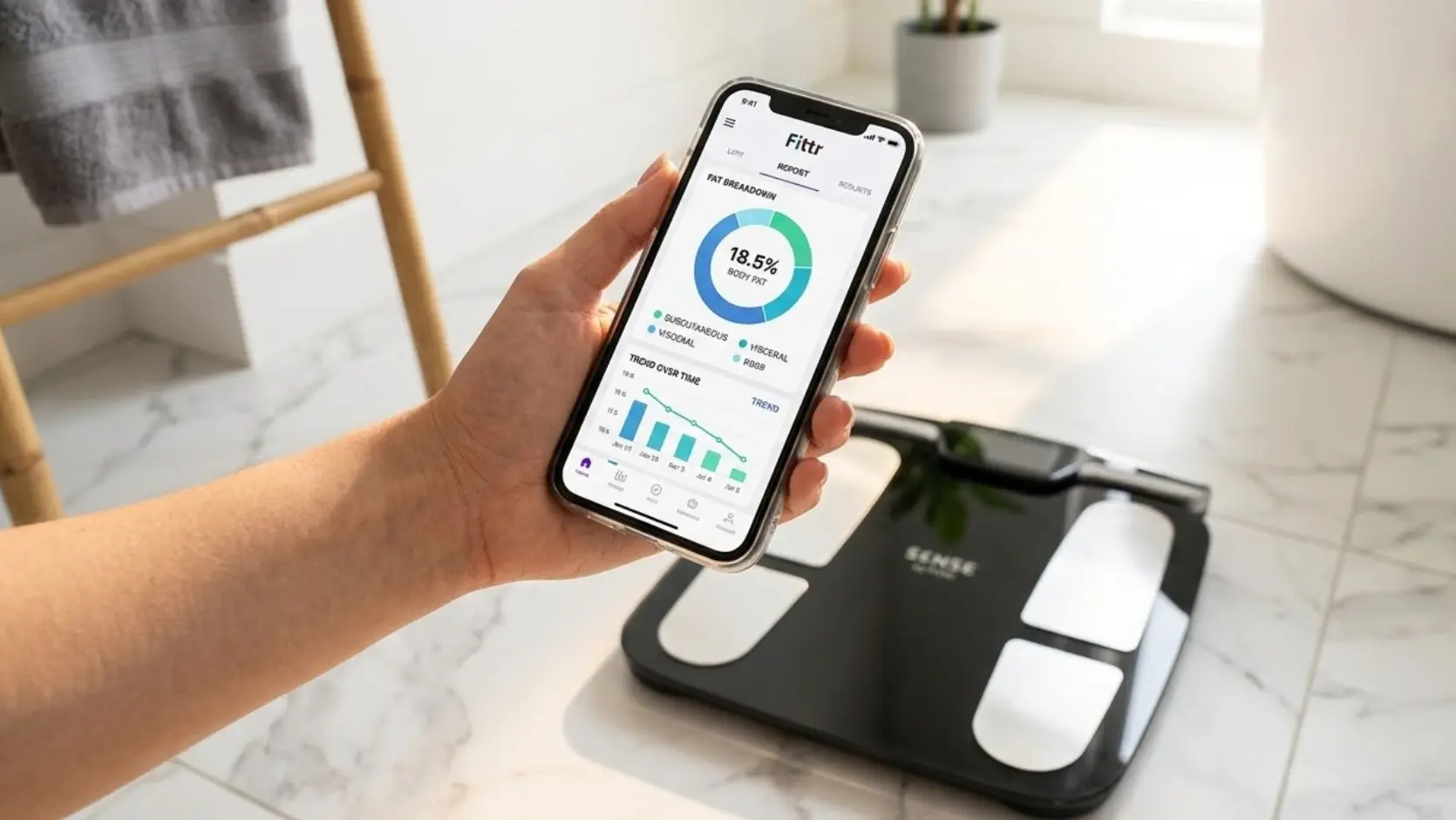
The real value of any fat check machine comes from testing repeatedly under similar conditions and tracking the resulting trend over several weeks, rather than treating any single body fat measure as a definitive answer. Weekly testing under consistent conditions works well for most people. Most fat measure machine apps display this trend automatically as a line chart, and learning to trust that gradual, multi-week trend over any individual day’s reading is what turns regular testing into a genuinely useful tool for monitoring real progress toward your specific goals.
Step Six: Interpret Changes in Context
When your body fat measure does show a genuine, sustained change over several weeks, consider it alongside other context – has your training or nutrition changed recently? Does the change align with other signs of progress, like how your clothes fit or strength improvements in your training? This contextual interpretation helps distinguish a genuine fat check machine trend from a temporary blip, and helps you understand whether your current training and nutrition approach is working as intended or might benefit from some thoughtful adjustment based on the accumulated data.
Common Mistakes When Using a Fat Check Machine
A few habits undermine otherwise reliable results: testing at inconsistent times of day, skipping accurate profile setup, testing immediately after exercise or a heavy meal, and reacting emotionally to a single day’s fat measure machine reading rather than the broader trend. Avoiding these common mistakes matters more for getting genuinely useful data than upgrading to a more expensive fat check machine, since the correct testing procedure has a bigger impact on result reliability than most people initially assume when they first start using this kind of device.
When to Combine Home Testing With Professional Assessment
While a home fat check machine is genuinely useful for regular tracking, certain situations benefit from periodic professional assessment – preparing for a specific competitive event, or simply wanting occasional validation of your home tracking data against a more clinically precise reference measurement. For most everyday fitness goals, though, consistent home fat measure machine tracking, combined with careful attention to testing conditions covered in the steps above, provides more than enough actionable information to guide your ongoing training and nutrition decisions effectively.
Fat Check Machine Results Across Different Body Types
Healthy body fat measure ranges vary considerably by sex, age, and training history, meaning there’s no single universal target that applies to everyone equally. Athletes typically show fat check machine readings well below general population averages, reflecting years of consistent training rather than a quickly achievable goal for every user. Comparing your own fat measure machine results against a reference range appropriate to your specific age, sex, and training background – rather than a generic population average – gives a far more meaningful and less discouraging picture of where you genuinely stand relative to what’s healthy and realistic for your individual circumstances.
Combining Fat Check Data With Visual Progress Markers
A fat check machine works best as one part of a broader progress picture rather than the sole measure of success. Pairing your body fat measure trend with progress photos and measurements gives a fuller, more resilient view of change than any single device’s numbers could provide in isolation. This combined approach protects motivation during a genuine plateau in fat measure machine readings, since visible progress in other markers – even while composition data holds temporarily steady – keeps the bigger, more encouraging picture in view rather than fixating on one metric during an entirely normal temporary stall.
Working With a Coach to Interpret Fat Check Results
A qualified coach can help interpret fat check machine results in proper context, distinguishing normal fluctuation from a genuine trend shift worth adjusting your training or nutrition around. This guidance proves particularly valuable when results seem confusing or contradictory at first glance to someone new to regular tracking. Beyond simple interpretation, a coach can help set realistic body fat measure targets appropriate to your specific starting point and training history, rather than comparing your fat check machine numbers against generic population averages that may not reflect what’s genuinely healthy or achievable for your individual situation and goals.
Common Myths About Fat Check Machines
A few misconceptions deserve a direct correction.
- A fat check machine doesn’t measure fat directly; it estimates it through electrical resistance, which is why hydration affects results.
- A single body fat measure reading isn’t diagnostic; the multi-week trend is what actually reveals meaningful, genuine change over time.
- Testing more frequently than weekly doesn’t necessarily give more useful information from a fat measure machine for most people.
- Two different fat check machine devices disagreeing on exact numbers doesn’t mean either device is genuinely faulty or broken.
- A fat check machine reading affected by recent exercise doesn’t reflect a real, sudden change in your actual body composition.
The Bottom Line
Learning how to measure body fat correctly with a fat check machine comes down to consistent testing conditions, accurate profile setup, and reading your results as a trend over weeks rather than any single session’s number in isolation. Follow the step-by-step process covered here, and your fat measure machine becomes a genuinely reliable tool for tracking real progress toward your fitness goals, rather than a confusing source of numbers that seem to change unpredictably from one day to the next.
Frequently Asked Questions
How do I use a fat check machine correctly?
Test at a consistent time, ideally morning before eating, with accurate profile data entered and bare feet fully on the platform electrodes.
Why does my fat measure machine give different results each time?
Hydration, recent exercise, and food intake all affect readings, which is why the trend over weeks matters more than any single result.
How often should I check my body fat?
Weekly testing under consistent conditions works well for most people; more frequent testing rarely adds meaningfully useful information.
Can I trust my first fat check machine reading?
Treat it as a starting baseline rather than a definitive figure; the trend over several subsequent weeks reveals genuine, reliable change.
Should I combine home testing with professional assessment?
For most goals, consistent home tracking suffices; professional assessment is useful for validation or specific competitive preparation.
Body Fat Tells the Bigger Story
Fat check machine, fat measure machine, or tracking your body fat measure – whichever term you searched, consistent testing and trend-based interpretation are what turn any device into a genuinely useful tool. To act on your results, Fittr’s body fat calculator and strength coaches can help you turn your trend into real progress.