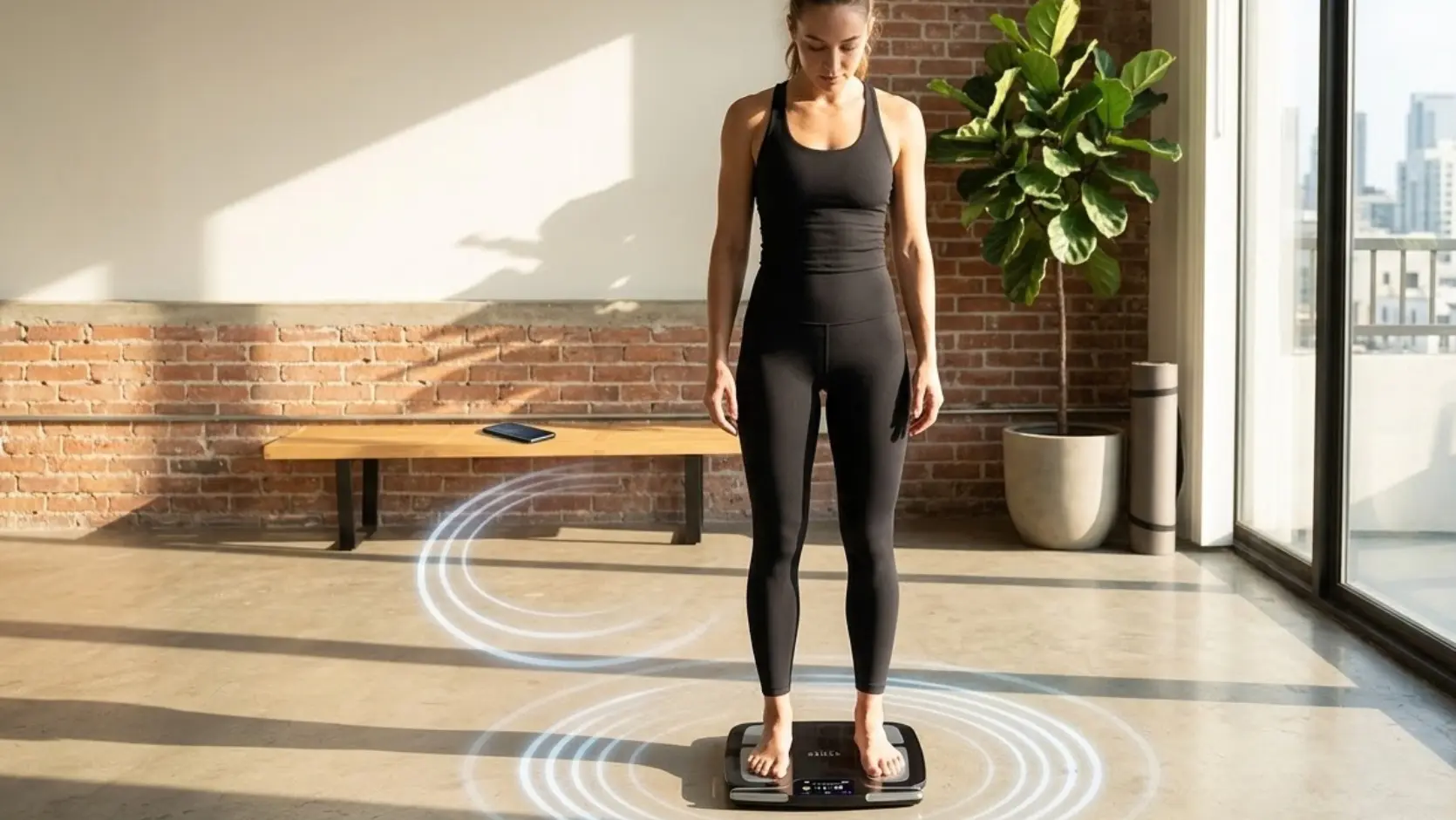
What Sets an Electronic Measuring Scale Apart
An electronic measuring scale uses load cell sensors and digital processing to deliver precise, easy-to-read weight readings, replacing the mechanical springs of older designs. This applies whether you’re measuring cooking ingredients, small parcels, or precision items requiring fine-grained accuracy. This guide explains how an electronic measuring scale works, when a compact design genuinely makes sense, and what separates a good digital measuring scale from a mediocre one across the many contexts where precise measurement matters.
The Sensor Technology Behind Precise Measurement
Every electronic measuring scale relies on a load cell – a small sensor containing a strain gauge that flexes by a tiny, precise amount under weight, converting that flex into an electrical signal a processor reads and displays as a digital number, all within a fraction of a second. Quality load cells are manufactured to tight tolerances specifically for measurement precision, which is why a well-made digital measuring scale can reliably distinguish between very small weight differences that would be impossible to detect on a basic mechanical alternative.
Precision Increments: Why They Matter
An electronic measuring scale’s precision increment – the smallest weight change it can detect and display – varies considerably depending on its intended use. A kitchen digital measuring scale might measure in single grams, while a body-weight scale typically measures in 100-gram increments. Choosing the right precision increment for your specific task matters more than simply choosing the “most precise” option available, since a scale measuring in finer increments than your task requires adds unnecessary cost without any genuine practical benefit for your actual use case.
Electronic Compact Scale Designs for Small Spaces
An electronic compact scale trades platform size for a smaller footprint, ideal for kitchens, small offices, or anywhere storage space is limited. Despite the reduced size, a well-made compact design uses the same core sensor technology as a larger electronic measuring scale. The key is ensuring an electronic compact scale still maintains adequate sensor quality and stability despite its smaller footprint – size reduction should never come at the cost of the fundamental accuracy that makes any measuring scale genuinely useful for its intended purpose.
Common Applications for Digital Measuring Scales
Beyond body weight, a digital measuring scale serves many precise measurement needs: kitchen scales for accurate cooking and baking, jewellery scales for measuring precious metals, postal scales for calculating shipping costs, and laboratory scales for scientific work requiring fine precision. Each application demands a different capacity and precision profile, which is why understanding your specific measurement needs before shopping helps you choose the right electronic measuring scale rather than one built for an entirely different, mismatched purpose.
Calibration and Accuracy Standards
A quality electronic measuring scale is calibrated at the factory using certified reference weights, and this calibration typically holds for years under normal use. Some precision applications, like laboratory or trade scales, require periodic recalibration against a certified reference to maintain compliance standards. For most household digital measuring scale needs, this level of formal recalibration isn’t necessary, though basic care – a stable surface, avoiding drops or overloading – still matters considerably for maintaining the factory-calibrated accuracy over the scale’s useful life.
Choosing Between Compact and Full-Size Electronic Scales
An electronic compact scale suits situations prioritising storage and portability – a small kitchen, a shared office, or travel use – while a full-size electronic measuring scale better suits situations with more available space and potentially higher capacity requirements for larger items. Neither option is inherently more accurate than the other; the choice comes down to matching the physical form factor to your actual space constraints and typical measurement needs, rather than assuming a larger scale is automatically more precise.
Display Features Worth Considering
A clear, appropriately sized display matters considerably for any electronic measuring scale, particularly for tasks requiring you to read fine increments accurately, like precise ingredient measurement in cooking. Backlit displays add genuine value for use in dim kitchen or workspace lighting conditions. Some digital measuring scale models also offer a “tare” function, letting you zero out the weight of a container before adding your actual ingredients or item, a genuinely useful feature for anyone frequently measuring items that need a separate container for weighing.
Battery and Power Considerations
Most electronic measuring scale designs run on basic disposable batteries, offering long battery life given the typically brief, occasional use pattern of a kitchen or precision measuring device compared to a body-weight scale used daily. Some compact designs use smaller coin-cell batteries for a slimmer profile. Checking the stated battery type and expected life before buying helps avoid the inconvenience of an electronic compact scale running out of power during a time-sensitive cooking or measurement task, particularly if you don’t keep spare batteries readily on hand at home.
Choosing Between Weighing Modes on an Electronic Scale
Many electronic measuring scale models offer multiple weighing modes – switching between grams, kilograms, ounces, and pounds at the press of a button, adding genuine convenience for anyone working with recipes or reference materials using different measurement systems than they’re used to. This feature is particularly useful for an electronic compact scale used across mixed purposes – occasional cooking measured in grams, alongside the occasional need to check an item’s weight in ounces for a shipping or postal context – without needing separate dedicated devices for each unit system.
Durability Considerations for Frequent Use
An electronic measuring scale used frequently in a busy kitchen or workspace benefits from a genuinely durable platform material resistant to spills, scratches, and general daily wear. Stainless steel or tempered glass surfaces generally hold up better over years of regular use than basic plastic alternatives. For an electronic compact scale specifically, checking that the smaller footprint hasn’t compromised platform durability is worth doing before purchase, since some ultra-compact designs prioritise size reduction in ways that can affect long-term sturdiness under frequent, heavier daily use.
Cleaning and Maintaining Your Digital Measuring Scale
A digital measuring scale used for food preparation needs regular cleaning to stay hygienic, and checking whether the platform is genuinely easy to wipe down – or in some cases, dishwasher-safe – is worth considering before purchase if frequent food-related use is your primary intended purpose. Avoiding excess moisture around the electronic components themselves, even on a washable-platform model, protects the sensors and internal circuitry from the kind of damage that shortens an electronic measuring scale’s useful life well before its mechanical components would otherwise wear out.
Common Myths About Electronic Measuring Scales
A few misconceptions are worth clearing up.
- A more expensive electronic measuring scale doesn’t automatically mean better accuracy for basic, everyday measurement tasks.
- Compact size doesn’t mean reduced accuracy; a well-made electronic compact scale uses the same core sensor technology as larger designs.
- Finer precision increments aren’t always better; choosing precision matched to your actual task avoids unnecessary cost.
- A digital measuring scale doesn’t need daily recalibration under normal use; factory calibration typically holds for years.
- More display features don’t guarantee better usability if the core display isn’t clear and easy to read in your typical usage conditions.
The Bottom Line
An electronic measuring scale, whether a full-size design or a compact model for small spaces, relies on the same core load cell technology to deliver precise, reliable digital measurements far more consistently than older mechanical alternatives. Match the specific precision increment, capacity, and form factor to your actual measurement needs, and you’ll get genuine, lasting value from whichever electronic compact scale or digital measuring scale option ultimately suits your space and purpose best.
Frequently Asked Questions
How does an electronic measuring scale work?
It uses a load cell sensor that flexes under weight, converting that flex into an electrical signal processed into a precise digital reading.
Is an electronic compact scale as accurate as a full-size one?
Yes, provided it maintains quality sensor technology despite its smaller footprint; size reduction shouldn’t compromise core accuracy.
What precision increment do I need for a digital measuring scale?
This depends on your task – kitchen use often needs single-gram precision, while body-weight scales typically use larger increments.
Do electronic measuring scales need regular recalibration?
Most household models hold factory calibration for years under normal use; only specialised trade or lab scales typically need periodic recalibration.
What is a tare function on a digital measuring scale?
It lets you zero out a container’s weight before adding your actual item, useful for accurately measuring ingredients or products.
Every Accurate Reading Counts.
Electronic measuring scale, electronic compact scale, or a digital measuring scale for a specific task – all rely on the same precise sensor technology, adapted to your particular space and measurement needs. For body-weight tracking specifically, Fittr’s body fat calculator and nutrition articles can help you get real value from your electronic scale.