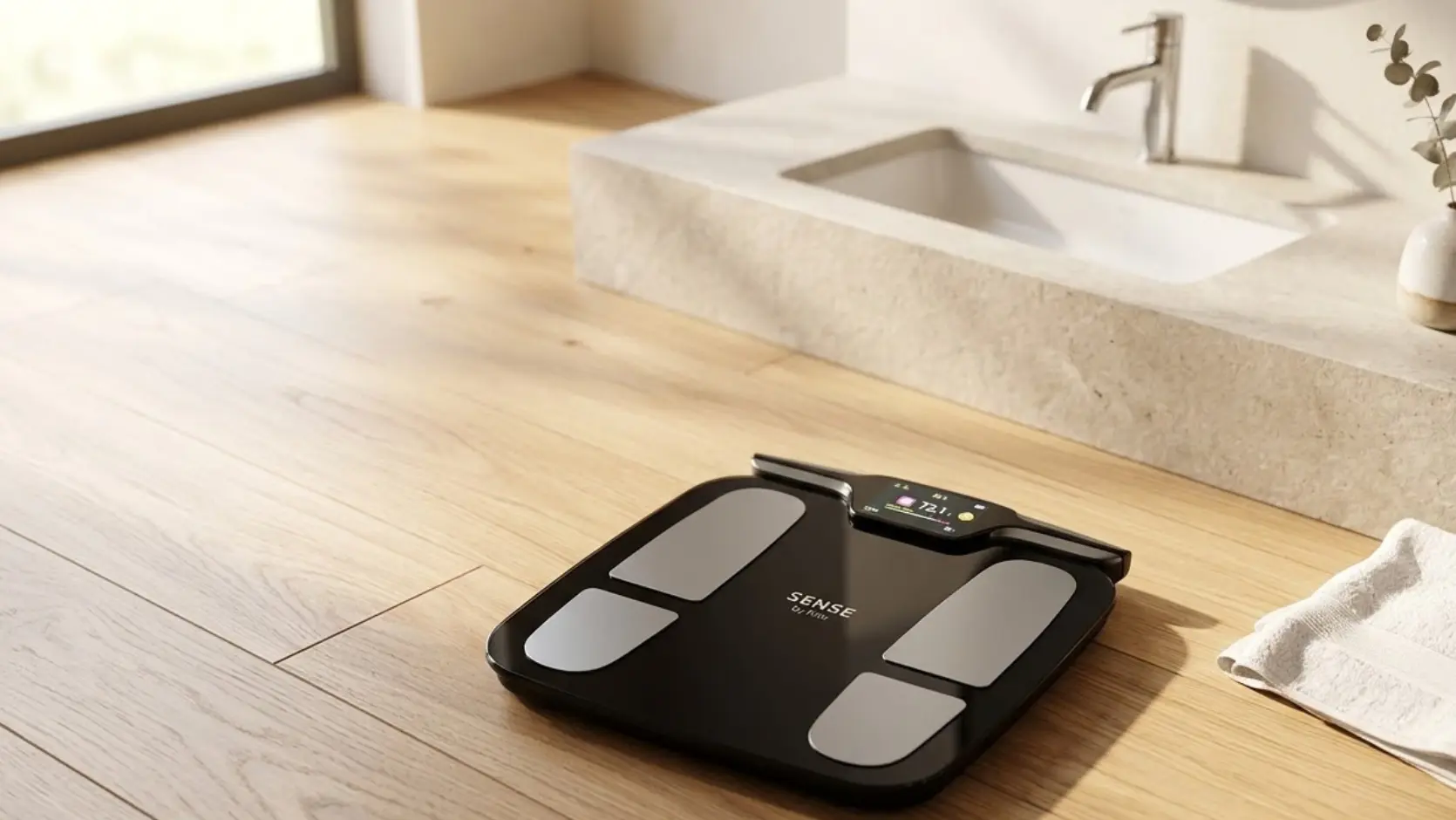
The Core Mechanism Behind a Digital Weight Balance
A weight balance digital design replaces the physical springs and beams of older scales with electronic sensors, converting your weight into a precise digital reading through a process that happens almost instantly every time you step on the platform or place an item for weighing. This guide explains exactly how a digital weight balance achieves its accuracy, what an electronic weighing balance does differently from mechanical alternatives, and what actually keeps scale balance consistent over years of regular use.
Load Cells: The Foundation of Digital Balance
At the heart of any weight balance digital system sits a load cell, a small sensor containing a strain gauge that flexes by a precise, tiny amount under weight. This flex changes the sensor’s electrical resistance, which the scale’s processor reads and converts into your displayed weight reading. An electronic weighing balance typically uses four load cells, one at each corner of the platform, distributing weight evenly and correcting for standing or placing items slightly off-centre – this four-point design is what gives quality digital scales their characteristic scale balance and consistency.
From Physical Force to Digital Number
The raw signal from a load cell is analog – a continuously varying electrical voltage – which a digital weight balance converts into a precise digital number through an analog-to-digital converter built into its internal circuitry. This entire conversion happens within a fraction of a second. This electronic chain – sensor, converter, processor, display – is what allows an electronic weighing balance to show an exact numeric reading instantly, a meaningful improvement over the delayed, less precise needle movement of an older mechanical scale balance system.
What Keeps Scale Balance Consistent Over Time
A digital weight balance is calibrated at the factory using certified reference weights, teaching the internal processor exactly what a known weight should read as. This factory calibration typically holds steady for years under normal household use, provided the scale is handled with reasonable care. Scale balance can drift if the unit is dropped, overloaded beyond its rated capacity, or used on an unstable surface repeatedly over time, making correct placement and gentle handling genuinely important factors in preserving your electronic weighing balance’s long-term accuracy.
Four-Point vs Single-Sensor Balance Systems
Quality weight balance digital designs use four load cells rather than a single central sensor, and this configuration matters considerably for consistent scale balance.
Four-Point Systems
Standing or placing an item slightly off-centre on a four-point system still produces an accurate reading, since the four sensors average out any imbalance.
Single-Sensor Systems
A cheaper single-sensor electronic weighing balance can give noticeably less consistent results if weight isn’t distributed precisely centrally, making sensor configuration one of the most important, if often overlooked, specifications to check before choosing a specific digital weight balance.
Environmental Factors Affecting Digital Balance
Temperature swings and humidity can subtly affect a weight balance digital system’s readings, particularly for scales stored in less climate-controlled environments. Quality electronic weighing balance designs use temperature-stable components specifically to minimise this effect across normal household conditions. Letting a scale acclimatise to room temperature for a few minutes if it’s been stored somewhere significantly colder or hotter helps protect against this relatively rare but genuine source of temporary scale balance inconsistency in extreme conditions.
Calibration Verification for Digital Scales
Some electronic weighing balance designs support recalibration using a known reference weight, letting you verify and correct scale balance if you suspect drift has occurred. Many sealed consumer units don’t offer this feature, relying instead on their factory calibration holding steady throughout normal use. For commercial or trade applications, periodic calibration verification against a certified reference weight is often a genuine requirement, ensuring the weight balance digital system continues meeting the accuracy standards needed for legitimate business transactions over its operational life.
Digital vs Mechanical Balance: Why the Shift Matters
The shift from mechanical to weight balance digital systems reflects genuine, measurable improvements: sharper precision, freedom from the gradual spring-wear drift that affects mechanical scale balance over years of use, and the ability to add features a purely mechanical design could never support. This shift wasn’t simply a technology trend – it addressed real, practical limitations in mechanical weighing that mattered for nearly every use case, from personal health tracking to commercial trade, explaining why electronic weighing balance technology has become the clear standard today.
Maintaining Your Digital Weight Balance
A weight balance digital system stays accurate longer with basic care: use it on a hard, flat, stable surface every time, avoid dropping or overloading it beyond rated capacity, and replace the battery before it fully drains, since low battery voltage can distort readings before the device fully shuts down. Cleaning the platform regularly and storing the scale flat rather than propped against a wall also protects the internal load cells from unnecessary stress that could otherwise shift scale balance sooner than the unit’s expected accurate lifespan under normal conditions.
Manufacturing Quality Control for Digital Balance
Reputable manufacturers test weight balance digital scale balance at the factory using certified reference weights across multiple points on the platform, not just the centre, confirming that all four load sensors respond consistently before the unit ever reaches a customer. This quality control process is part of what differentiates a reputable electronic weighing balance from a cheaper, less rigorously tested alternative. Some manufacturers publish an accuracy tolerance specification, typically expressed as a percentage or fixed gram range, and checking for this figure when comparing options gives you a more concrete basis for judging genuine scale balance quality than vague marketing language alone.
Digital Weight Balance in Commercial and Clinical Settings
Beyond home use, digital weight balance technology takes on added importance in commercial and clinical contexts, where legal trade requirements or medical decisions may depend on precise scale balance. Commercial equipment used in trade is typically subject to periodic certified calibration checks by regulatory bodies. Clinical electronic weighing balance equipment in hospitals undergoes similarly strict calibration schedules, since even small inaccuracies can matter for dosing calculations or monitoring frail patients, a far more rigorous standard than anything expected of a household digital scale used for general personal tracking.
Troubleshooting Digital Balance Inconsistencies
If a weight balance digital system seems to be giving inconsistent readings, checking the basics first resolves most issues: confirm it’s on a hard, flat surface rather than carpet, replace the battery if it’s been in use for a long period, and make sure weight is centred on the platform rather than at the edge. If these basics don’t resolve the issue, the load cell itself may have developed a genuine fault, at which point replacement is generally more practical than repair, since load cells aren’t typically a consumer-serviceable component in most electronic weighing balance designs available today.
Common Myths About Digital Weight Balance
A few misconceptions are worth clearing up.
- A more expensive weight balance digital system doesn’t automatically mean better scale balance; sensor quality and calibration matter more than price.
- An electronic weighing balance doesn’t need daily recalibration under normal use; factory calibration typically holds for extended periods.
- A digital display showing more decimal places doesn’t automatically mean genuinely better scale balance if the underlying sensors aren’t equally precise.
- Two digital scales reading slightly differently doesn’t mean either has poor scale balance; each simply needs internal consistency over time.
- Battery-related inaccuracy is a commonly overlooked cause of apparent scale balance problems in an otherwise well-functioning digital scale.
The Bottom Line
A weight balance digital system relies on load cells, signal conversion, and digital processing to achieve precise, consistent scale balance, offering genuine advantages over mechanical alternatives across nearly every weighing context you might encounter. Whether you’re using a personal electronic weighing balance or commercial equipment, the same fundamentals apply: quality sensors, correct calibration, and careful handling on a stable surface are what actually determine whether your digital weight balance delivers trustworthy readings for years of use.
Frequently Asked Questions
How does a digital weight balance work?
It uses load cell sensors that flex under weight, converting that flex into an electrical signal processed into a precise digital reading.
What keeps scale balance consistent over time?
Factory calibration, quality four-point sensors, and careful handling on a stable surface all contribute to long-term scale balance.
Is an electronic weighing balance more accurate than mechanical?
Generally yes, since electronic sensors avoid the gradual spring-wear drift that affects mechanical scale balance over years of use.
Why does my digital weight balance seem inconsistent?
Check the surface it’s on, the battery level, and whether weight is centred on the platform before assuming a genuine fault.
Do digital weighing balances need recalibration?
Most consumer models hold factory calibration for years; commercial or trade equipment often requires periodic calibration verification.
Accuracy Is the Key to Better Progress
Weight balance digital, electronic weighing balance, or simply scale balance – all describe the same core technology, converting a physical force into a precise, trustworthy digital reading. For body-weight tracking specifically, Fittr’s body fat calculator and general nutrition articles can help you get real value from accurate readings.