




When you buy a weighing machine, one of the first decisions is also one of the oldest: digital or analog? The classic spring-dial scale has been in bathrooms for generations, but sleek digital scales now dominate – and for good reasons. So which should you actually buy? This guide compares digital and analog weighing machines across everything that matters – accuracy, features, ease of use, power, durability and price – so you can choose with confidence. The short answer is that digital wins for most people today, but the full picture is worth understanding before you spend.
The Two Types at a Glance
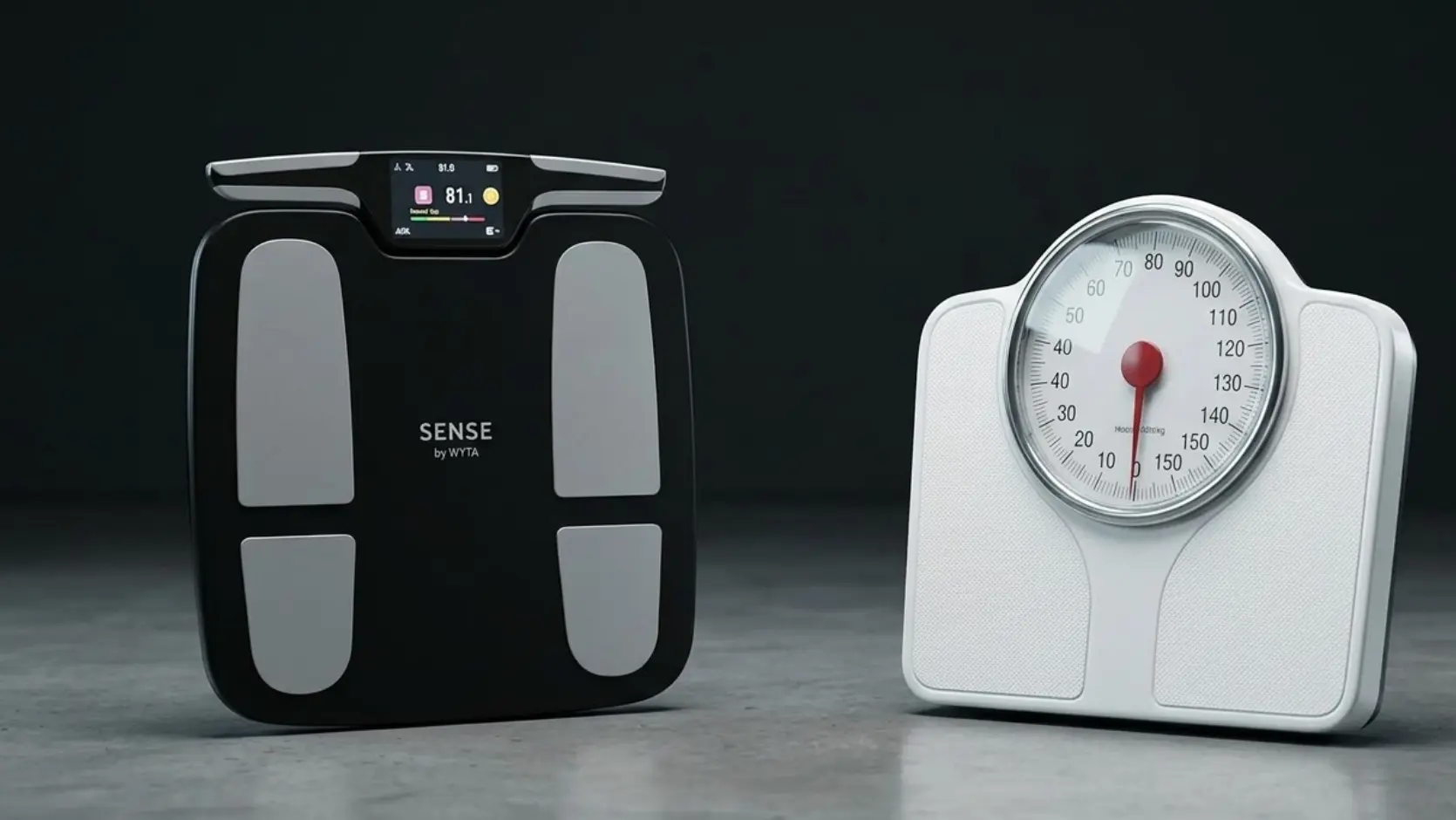
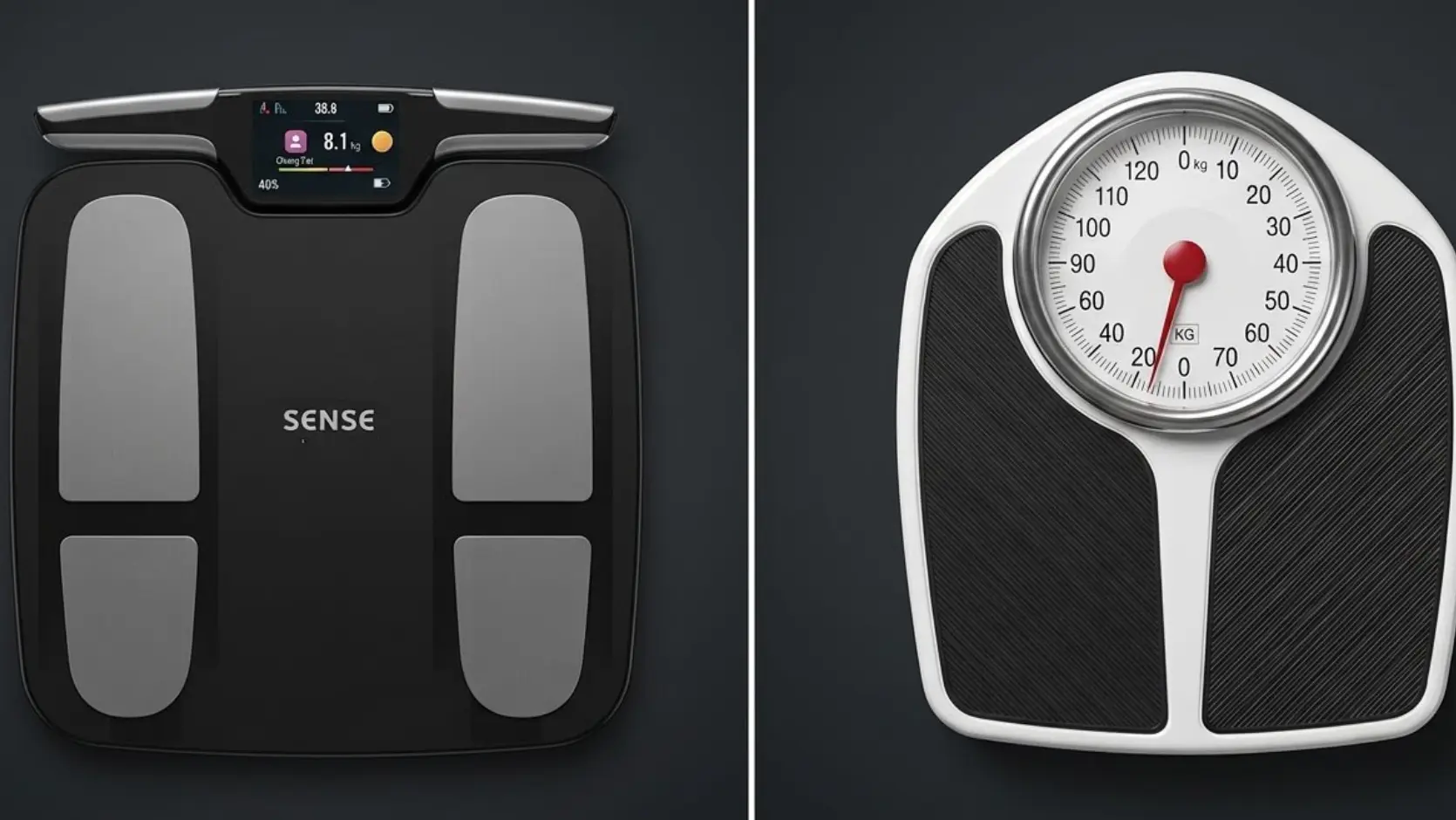
An analog weighing machine uses a mechanical spring and a rotating dial to show your weight. A digital weighing machine uses electronic load sensors and a digital display, and can add smart features like body composition and app tracking. Both measure weight, but they go about it in fundamentally different ways, and those differences ripple through accuracy, features and price. Understanding each mechanism is the key to a confident choice.
How Analog Scales Work
An analog scale works on a simple mechanical principle. When you stand on it, your weight compresses a calibrated spring, and that movement is translated through gears into a needle that points to a number on a dial. There are no electronics and no batteries – just springs and mechanics. This makes analog scales simple and self-sufficient, but the spring can weaken and drift over time, and reading a needle against a dial is inherently less precise than a digital number.
How Digital Scales Work
A digital scale replaces the spring with electronic load sensors, or load cells. When you stand on the platform, these sensors detect the pressure of your weight as a tiny change in electrical resistance, and the scale converts that into a precise number on a digital display. Smart digital scales go further, sending a small harmless current through your body to estimate body composition. The result is sharper accuracy, clearer reading and the option of features an analog scale simply cannot offer.
Accuracy: Digital vs Analog
On accuracy, digital generally wins. Electronic load sensors produce more precise and consistent readings than a mechanical spring, and they do not drift in the way a spring can as it ages. Just as importantly, digital scales show an exact number rather than a needle hovering between marks, removing the guesswork of reading a dial. For tracking small changes in your weight over time, that precision and consistency make a real difference.
Features: What Digital Adds
This is where the gap widens. Analog scales show weight and nothing else. Digital scales can add body-composition estimates, app syncing, multi-user profiles, memory of past readings and trend tracking. Those features transform a scale from a simple number-teller into a health tool that follows your progress, which is exactly what makes smart scales so valuable.
Readability and Ease of Use
Digital scales are easier to read at a glance, with a clear, often backlit number rather than a needle you have to interpret. There is no parallax error from looking at a dial from an angle, and no squinting to judge where the needle sits. Analog scales have a certain simple charm and need no setup, but for clarity and ease, especially for older users or anyone tracking precise changes, digital is more comfortable to use day to day.
Power: Batteries vs None
Here analog has its one clear advantage: it needs no power at all, working purely mechanically and never needing a battery. Digital scales require batteries or charging, though modern ones are efficient and last many months per set. For most people this is a minor consideration, easily handled by keeping a spare battery, but if you want a scale that will always work with zero maintenance, analog’s battery-free simplicity is genuinely appealing.
Durability and Longevity
Both types can last for years, but they age differently. An analog scale’s spring mechanism can gradually weaken and lose calibration over time, slowly reducing accuracy. A digital scale’s electronics are stable and do not drift, though they depend on working sensors and a battery. With reasonable care, a quality digital scale typically holds its accuracy longer, while an analog scale may need occasional recalibration or simply become less reliable as the spring tires.
Price and Value
Analog scales are usually the cheapest option, which is their main draw. Digital scales cost a little more, and smart digital scales more again, but the extra buys accuracy, clarity and features that an analog scale cannot match. The best value depends on your needs: for the simplest, cheapest occasional weight check, analog is fine, but for accuracy and health tracking, a digital or smart scale is well worth the modest premium.
Digital vs Analog at a Glance
Both digital and analog weighing machines have their advantages, but they differ in terms of accuracy, features, convenience, and price. Here’s a quick comparison to help you decide which type best suits your needs.
Accuracy
Digital: Higher accuracy with consistent readings using electronic load sensors.
Analog: Lower precision and may gradually drift over time due to its spring mechanism.
Readability
Digital: Displays a clear, easy-to-read number on a digital screen.
Analog: Requires reading a needle against a dial, which can be less precise.
Body Composition
Digital: Available on smart digital models, allowing you to measure body fat, muscle mass, body water, and more.
Analog: Not possible, as analog scales measure only body weight.
App and Tracking
Digital: Smart models sync with mobile apps to track weight and body composition trends over time.
Analog: No app connectivity or progress tracking features.
Power
Digital: Requires batteries or rechargeable power to operate.
Analog: Works without batteries, making it simple and maintenance-free.
Price
Digital: Available across a wide price range, from affordable basic models to premium smart scales.
Analog: Generally the most budget-friendly option.
Best For
Digital: Ideal for users who want accurate measurements, body composition insights, and long-term health tracking.
Analog: Best suited for simple, occasional weight checks at the lowest cost.
Features and specifications vary by brand and model, so always check the product details before making your purchase.
Which Should You Buy?
For most people today, a digital scale is the better buy – more accurate, easier to read, and capable of body composition and tracking if you choose a smart model. Analog still makes sense if you want the cheapest, simplest, battery-free option for occasional checks. If your goal is to track your health and progress seriously, a smart digital scale is the clear choice.
Can Analog Scales Measure Body Fat?
No – and this is often the deciding point. An analog scale is purely mechanical and shows only weight; it has no way to estimate body fat, muscle or any other composition metric. To measure body fat and muscle you need a digital smart scale, which uses bioelectrical impedance for the job. If body composition matters to your goals, the analog-versus-digital question is effectively settled, and tools like Fittr’s body fat calculator complement what a smart scale shows.
Example: The FITTR Sense Smart Scale
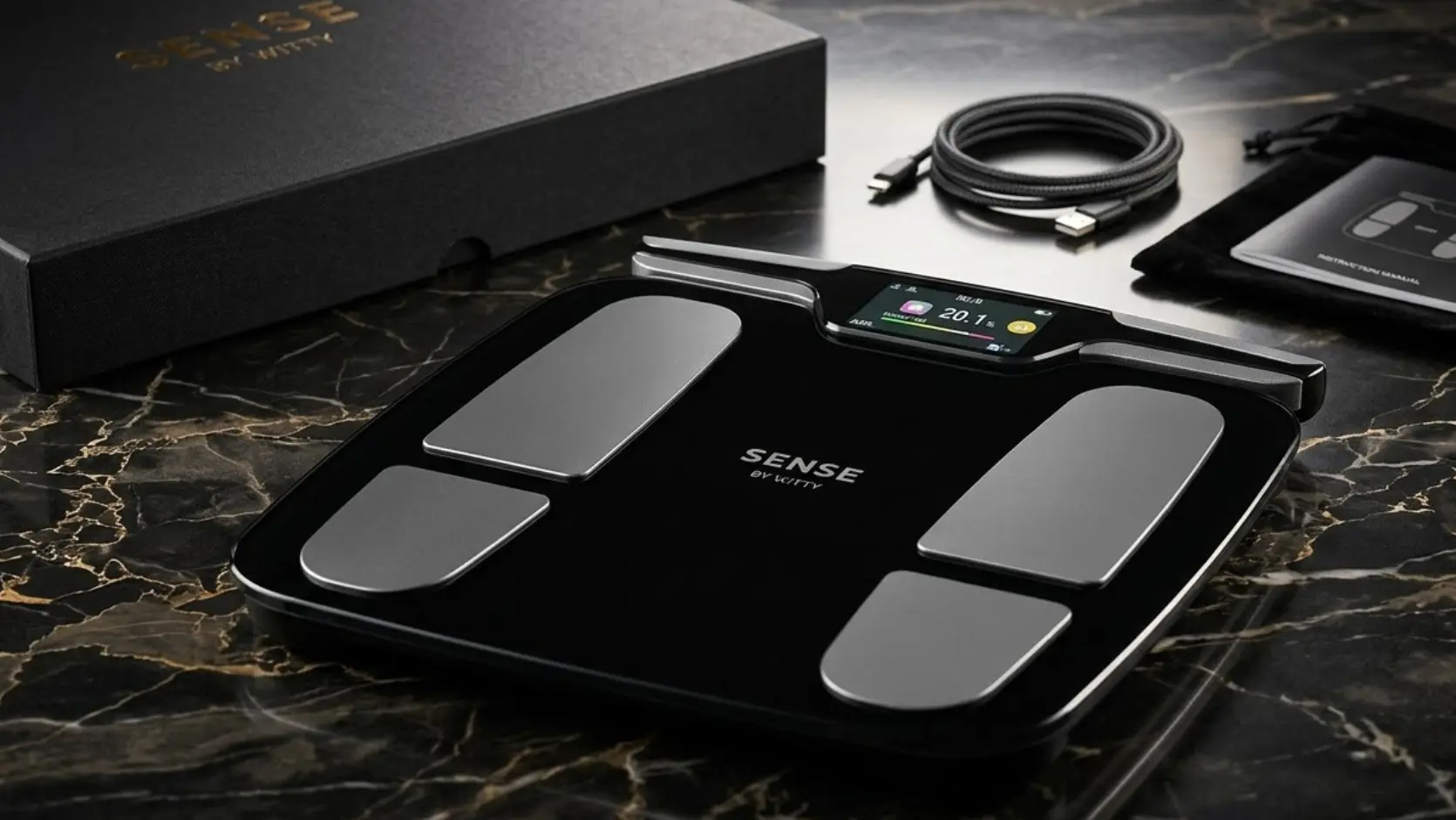
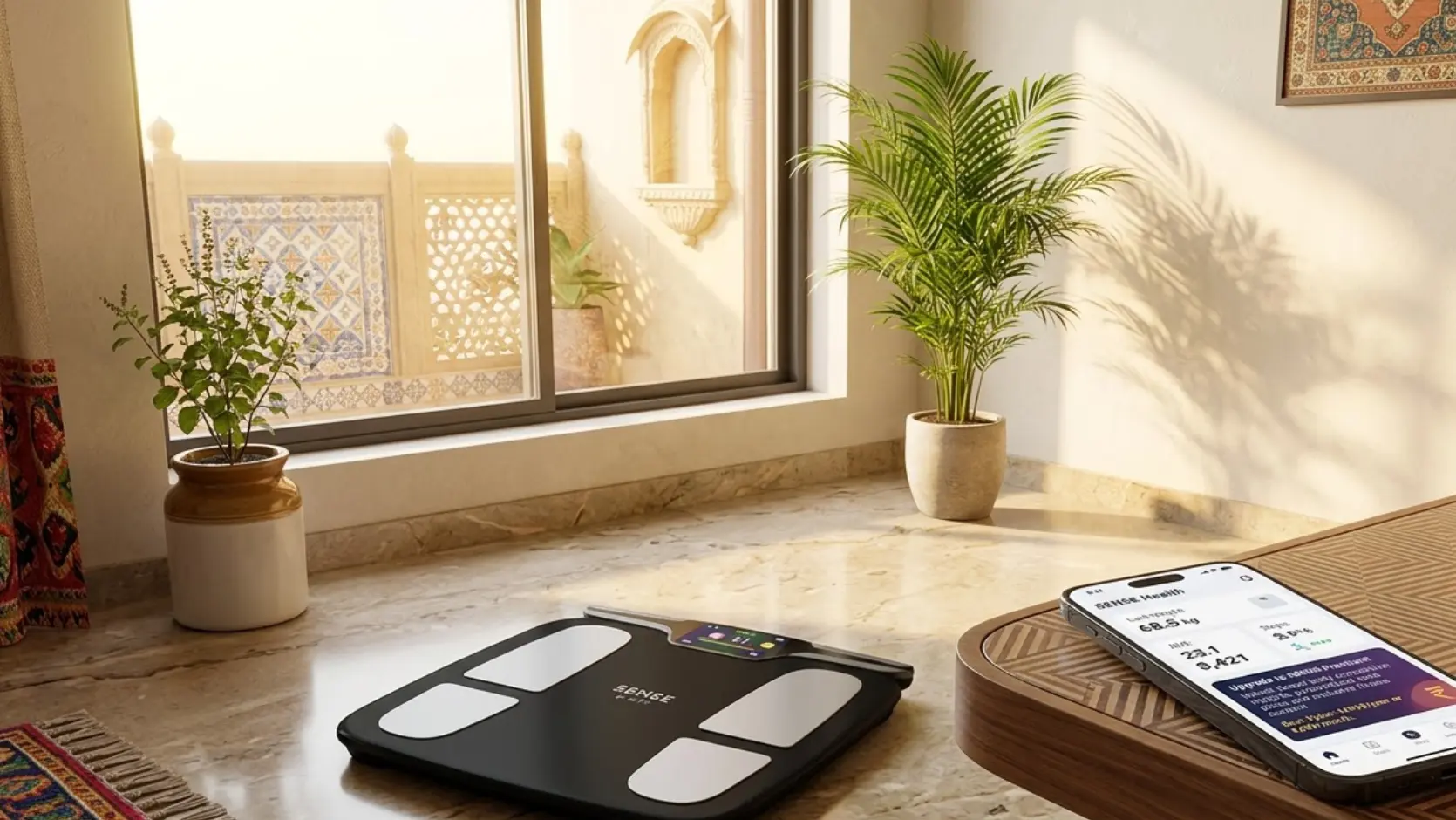
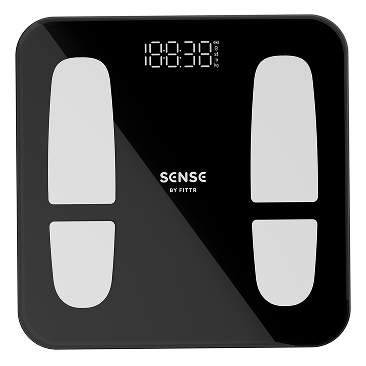
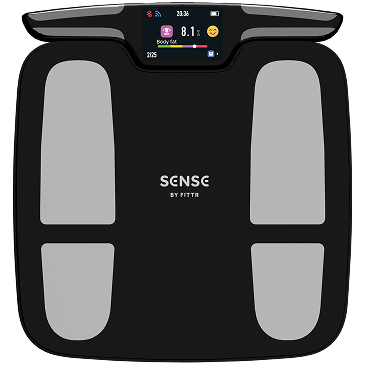
As an example of a smart digital scale, the FITTR Sense smart scale measures weight and estimates body composition, syncing to the FITTR app to track fat, muscle and your weight trend over time – the kind of capability that simply is not possible on an analog scale.
From Spring to Sensor: A Brief History
The shift from analog to digital mirrors the wider move from mechanical to electronic devices. For decades the spring scale was the only home option, trusted for its simplicity even as its needle left plenty of room for interpretation. Electronic load sensors changed that, delivering exact numbers and, eventually, the ability to estimate body composition and connect to apps. Today the spring scale is the nostalgic, budget choice, while digital and smart scales define what a modern weighing machine can do.
When Each Makes Sense
When Analog Still Makes Sense
Analog is not obsolete, and for some people it remains the right pick. If you want the cheapest possible scale, value never having to think about batteries, and only need an occasional rough weight check, an analog scale does the job with appealing simplicity. It is robust in its own mechanical way and asks nothing of you beyond stepping on. For minimal, no-fuss weighing, analog still has a place.
When to Choose Digital
For nearly everyone else, digital is the better choice. If you want precise, consistent readings, a clear display, the option of body composition and app tracking, or simply an easier scale to read and use, digital wins comfortably. Anyone tracking their weight or fitness with any seriousness will benefit from the accuracy and features that only a digital scale provides, which is why digital has become the default in most homes.
Smart Scales: Digital Taken Further
Smart scales are digital scales with their potential fully realised. On top of accurate weighing, they estimate body fat, muscle and water, and record every reading in an app so you can follow your trends. That connected memory is the real leap beyond both analog and basic digital, turning a measuring device into a genuine health tool.
Switching From Analog to Digital
If you are moving from an old analog scale to a digital one, the change is immediately noticeable. You get an exact number instead of a needle to interpret, more consistent readings day to day, and, with a smart model, a whole new layer of body-composition data and trend tracking. The only new habit is keeping a battery on hand. Most people who make the switch quickly wonder why they waited.
Maintenance and Care
Both types last longer with a little care, but in different ways. An analog scale may need occasional recalibration as its spring ages, while a digital scale mainly needs a clean surface and a fresh battery now and then. Both prefer a hard, flat floor and protection from drops and overloading. In practice, a quality digital scale tends to hold its accuracy with less fuss over the years, which adds to its long-term value.
The Bottom Line: Which Wins?
Weighing everything up, digital is the better choice for the overwhelming majority of people today, and a smart digital scale is the best of all for anyone tracking their health. Analog holds on only as the cheapest, simplest, battery-free option for the occasional weight check. Unless that bare-bones simplicity is exactly what you want, the accuracy, clarity and features of digital make it the clear winner – and the modest extra cost is repaid many times over in usefulness.
Frequently Asked Questions
Is a digital or analog weighing machine better?
Digital scales are generally more accurate, easier to read, and can add features like body composition and app tracking. Analog scales are simple, battery-free and cheap, but less precise.
Are digital weighing machines more accurate than analog?
Usually yes. Digital load sensors give more precise, consistent readings than an analog spring mechanism, which can drift over time.
Do digital weighing machines need batteries?
Yes, digital scales need batteries or charging, while analog scales work without power. Modern smart scales are battery-efficient and last months per set.
Can analog scales measure body fat?
No. Analog scales show only weight. To measure body fat and muscle you need a digital smart scale.
Which is better value, digital or analog?
For simple, cheap weight checks analog works. For accuracy, body composition and tracking your health over time, a digital or smart scale is better value.
Go Digital or Stay Classic – Choose What Works for You
Digital weight machine, analog weight machine, or manual weight machine – the choice comes down to what you need. Analog scales are cheap, simple and battery-free, but less accurate and limited to weight alone. Digital scales are more accurate, easier to read, and – in smart form – able to track body composition and trends. Pair a digital scale with Fittr’s macro calculator and an option like the FITTR Sense shows exactly what that extra capability makes possible.