



Digital scales have all but replaced the old spring-dial models, and for good reason – they are more accurate, easier to read, and can do far more than show a number. But that very capability makes buying one trickier than it used to be. Between basic models, smart scales, app ecosystems and a wide price range, how do you choose the right digital scale? This complete buying guide explains how digital scales work, the features that matter, how to judge accuracy, and how to pick the right one for your home and goals. Whether you want a no-frills digital scale or a smart model that maps your body composition, you will know exactly what to look for by the end.
What Is a Digital Scale?
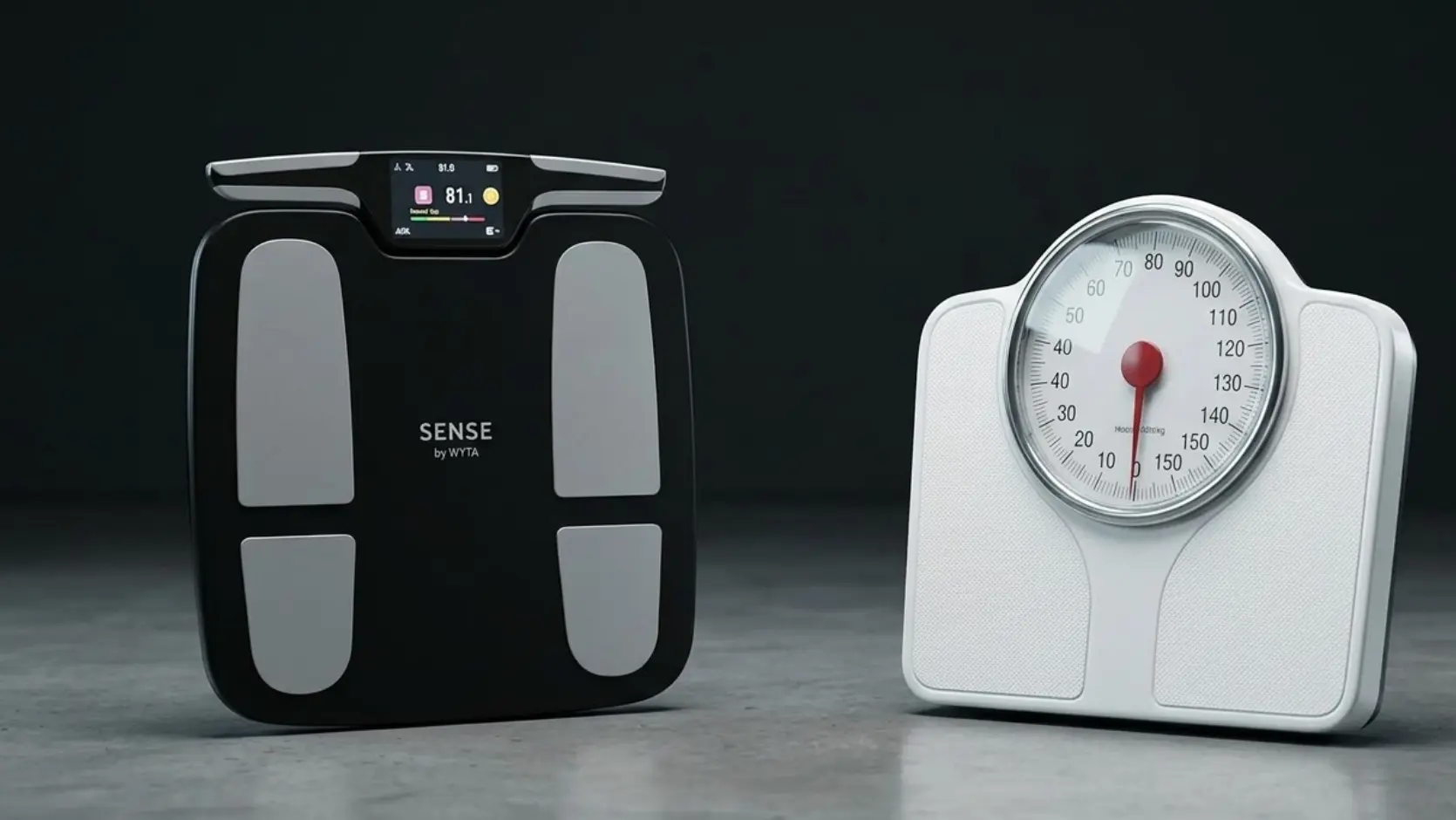
A digital scale is a weighing scale that uses electronic load sensors and a digital display, rather than a mechanical spring and dial. When you stand on it, the sensors detect your weight as a tiny change in electrical resistance and show a precise number on the screen. Smart digital scales go further, estimating body composition and syncing to an app. This electronic approach makes digital scales more accurate and consistent than analog ones, and opens the door to features a spring scale cannot offer.
How Digital Scales Work
At the heart of a digital scale are load cells – sensors that convert the pressure of your weight into an electrical signal. The scale’s electronics read that signal and translate it into the number you see, doing so quickly and consistently each time you step on. Smart digital scales add bioelectrical impedance, sending a tiny harmless current through your body to estimate body fat, muscle and water. This is how a scale can tell you not just your weight but what your body is made of.
Basic vs Smart Digital Scales
The biggest decision is basic or smart. A basic digital scale gives you an accurate, consistent weight reading and nothing more – simple, reliable and inexpensive. A smart digital scale adds body composition, app syncing and trend tracking, turning a measurement into a health tool. For anyone with a fitness goal, the smart option is usually worth its modest premium, because it reveals what weight alone cannot. If you only want an occasional weight check, a basic digital scale does the job perfectly well and saves a little money.
Key Features to Look For
When comparing digital scales, weigh these features:
- Accuracy and consistency – the foundation of any useful scale.
- Body composition – essential if you want fat and muscle, not just weight.
- App quality – where a smart scale’s real value lives.
- Weight capacity – high enough for everyone who will use it.
- Display and build – clear, readable and sturdy with a non-slip surface.
How to Judge Accuracy
Digital scales are generally accurate, but consistency is what matters most for tracking. A scale that gives the same reading under the same conditions lets you trust the trend, even if it differs slightly from another scale. Look for genuine reviews that comment on consistency over time. Body-composition estimates are less precise than weight and should be read as trends.
The Role of the App
For smart digital scales, the app is half the product. It stores your readings, charts your trends, and turns isolated numbers into a meaningful picture of your progress. A good app makes the scale genuinely useful; a poor one wastes its potential, however good the hardware. When choosing a smart scale, look closely at the app’s reviews and features. Does it track the metrics you care about, present trends clearly, and support multiple users if needed? The quality of the app often matters more than small differences in the hardware.
Weight Capacity and Build
Practical details matter too. Check the scale’s maximum weight capacity to ensure it suits everyone in the household, and look for a sturdy, non-slip surface and a stable base for safe, accurate weighing. A clear, well-lit display makes daily use easier, especially for older users. Build quality affects both accuracy and longevity. A flimsy scale can give inconsistent readings and wear out quickly, while a well-made one stays accurate for years. These unglamorous factors often separate a scale you will keep from one you will replace.
Where to Buy a Digital Scale
Digital scales are widely available online and in stores. Buying online gives you the full range, genuine reviews and often the best prices, with a smart scale’s app and sizing handled easily. Wherever you buy, favour reputable brands with local warranty and support. Be cautious of unbranded or grey-market listings that may lack warranty or genuine support. A slightly higher price from a trusted seller is worth it for the peace of mind and service that come with a real product.
Digital Scale Price and Value
Digital scales span a wide price range, from inexpensive basic models to feature-rich smart ones. The best value is the scale that does what your goal requires without paying for features you will not use. Because you use a scale for years, even a smart model’s modest premium works out to a tiny cost per use. Thinking of it that way, a good digital scale is one of the highest-value purchases in any home gym.
Common Buying Mistakes
Avoid these to choose well:
- Buying on price alone and ending up with a scale you do not trust.
- Ignoring app quality on a smart scale.
- Overlooking weight capacity for heavier users.
- Choosing a fancy interface over accurate sensors.
- Buying grey-market with no warranty or support.
Example: The FITTR Sense Smart Scale
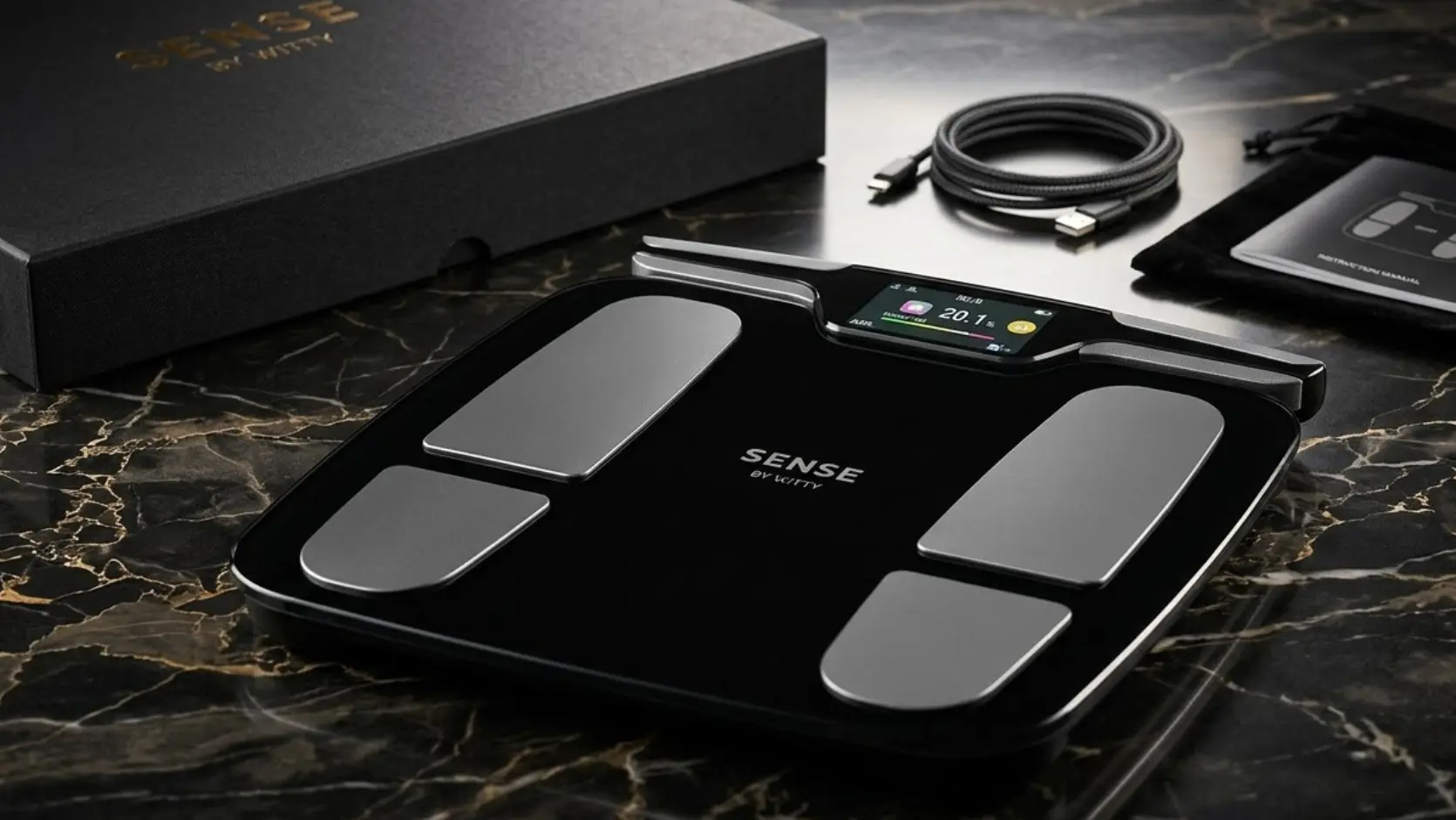
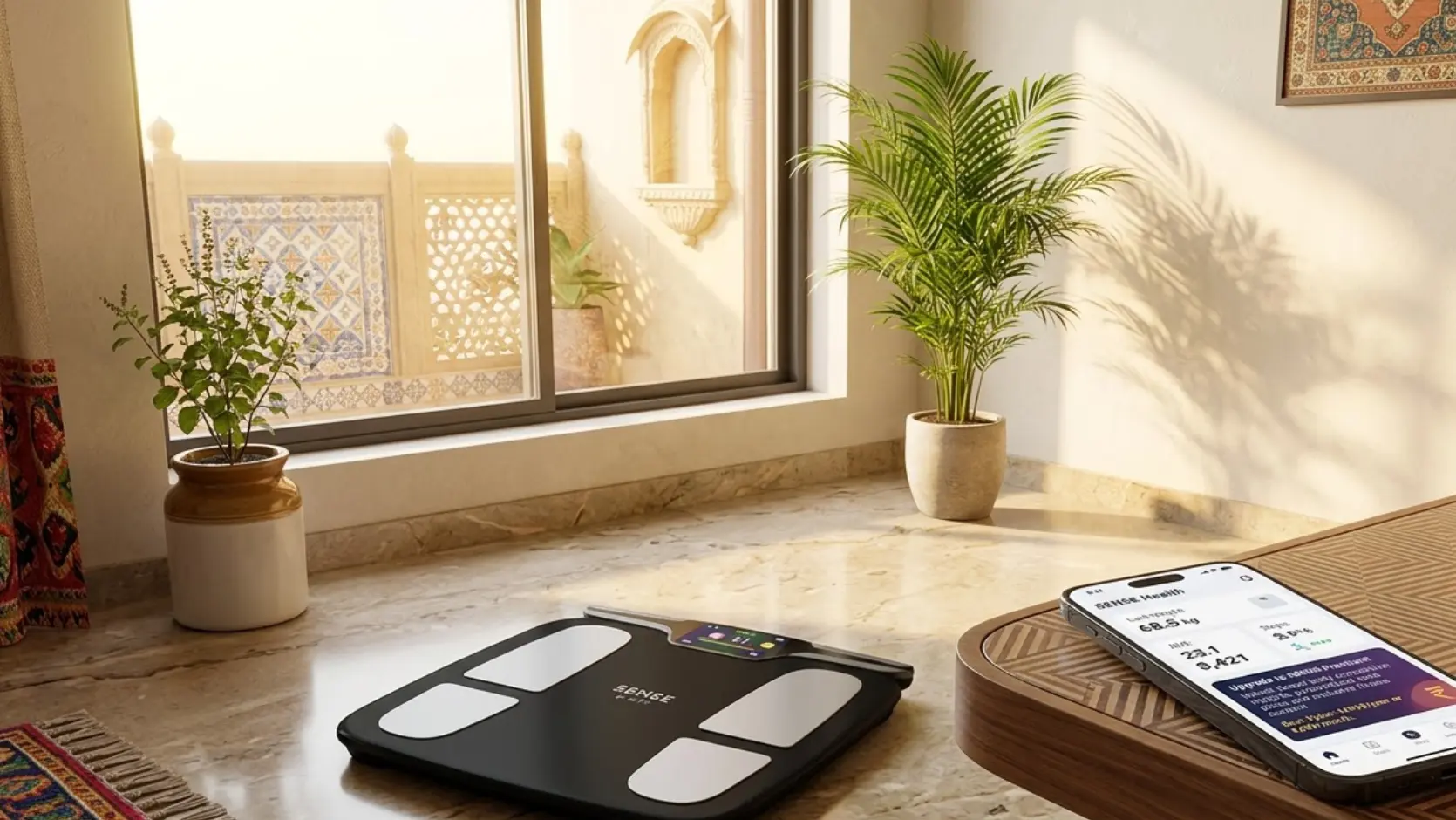
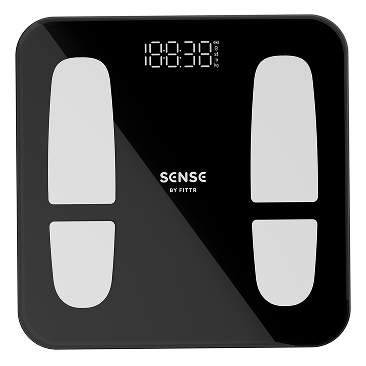
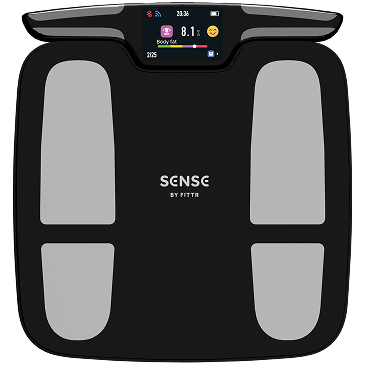
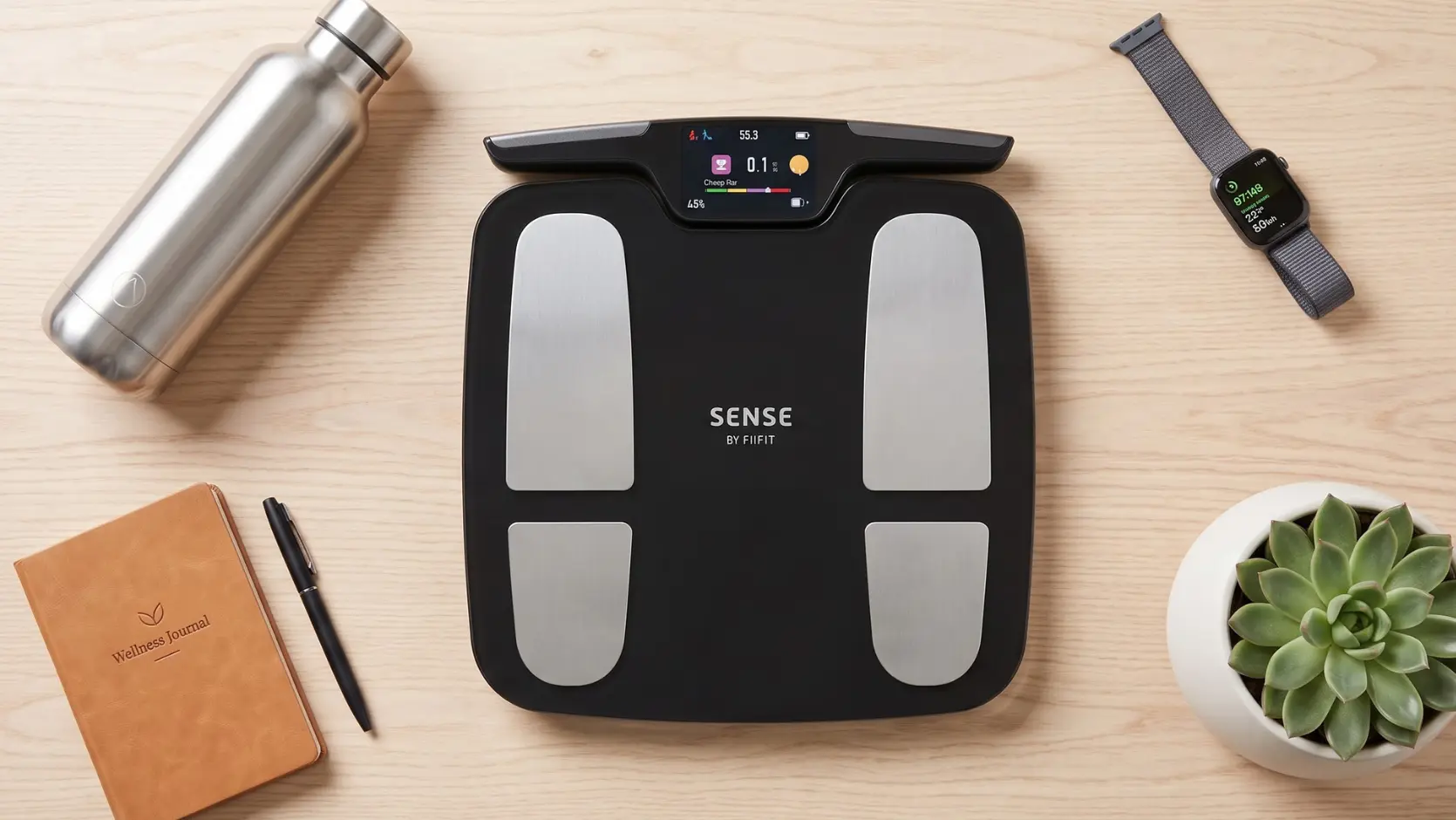
As an example of a smart digital scale, the FITTR Sense smart scale measures your weight and estimates body composition, then syncs to the FITTR app so you can track fat, muscle and your weight trend over time. It illustrates the kind of accurate, connected digital scale most health-focused buyers should aim for.
Digital Scales for Different Users
Different people need different things from a digital scale. A casual user wanting an occasional weight check is well served by a simple, accurate basic model. A fitness enthusiast tracking fat loss or muscle gain benefits far more from a smart scale with body composition and app trends. Families have their own needs, favouring multi-user support and a higher weight capacity. Matching the scale to who will use it, and why, ensures you buy something that genuinely fits rather than over- or under-specifying for your situation.
Multi-User and Family Features
If several people will use the scale, multi-user support is valuable. Smart digital scales can recognise different individuals and keep each person’s history separate in the app, which is far more useful than everyone sharing one jumbled record. A higher weight capacity ensures the scale suits every household member, and a clear, large display helps older users. For families, these features turn a single device into a shared health tool that everyone can benefit from individually.
Battery Life and Maintenance
Digital scales need batteries or charging, but modern ones are efficient and last many months per set. Maintenance is minimal: keep the scale on a hard, flat surface, wipe it clean, and replace batteries before they fade, since a low battery can affect accuracy. Avoid dropping or overloading the scale, and store it flat rather than propped against a wall. With this light care, a quality digital scale stays accurate and reliable for years of daily use.
Reading Body-Composition Data
If your digital scale is smart, read its body-composition figures as trends rather than absolutes. These are estimates from bioelectrical impedance, so the exact body-fat percentage may differ from a clinical test. What matters is the direction under consistent conditions. If your fat is trending down and muscle is holding or rising over weeks, that pattern is reliable and meaningful, even if the absolute numbers are approximate. Judge progress by the movement of the trend, not any single reading.
Digital Scales in India
For Indian buyers, digital scales are widely available across price points, from basic models to advanced smart scales. Favour reputable brands with local warranty and support, and choose a smart model if your goals involve body composition.
Common Myths About Digital Scales
A few myths are worth dispelling:
- A higher price does not always mean better accuracy for your needs.
- A touchscreen does not make a scale more accurate than buttons.
- Body-composition numbers are estimates, best read as trends.
- Daily weight swings are normal, not scale faults.
- A consistent cheaper scale can beat an erratic expensive one.
Making the Most of Your Digital Scale
Once you own a good digital scale, a little discipline unlocks its full value. Weigh consistently under the same conditions, let the app build your trend, and act on what it shows rather than reacting to single readings. If it is a smart scale, set up your profile and height so body composition and BMI are accurate from the start. Pairing it with Fittr’s body fat calculator gives you another lens on the same data.
Frequently Asked Questions
What is a digital scale?
A digital scale uses electronic load sensors and a digital display to measure weight. Smart digital scales also estimate body composition and sync to an app.
How do I choose a digital scale?
Decide whether you want weight only or body composition, then compare accuracy, capacity, display, app features and price.
Are digital scales accurate?
Yes, quality digital scales are accurate and consistent, and generally more precise than analog scales.
Where can I buy a digital scale?
Buy from reputable brands online or in store, ideally with local warranty and support.
Are smart digital scales worth it?
If you want body composition and trend tracking rather than just weight, a smart digital scale is well worth it.
Choose Smart, Measure Smarter.
Choosing a digital scale, digital scale online, or digital weight scale comes down to matching the scale to your goals: weight only or body composition, the right accuracy, app and capacity, and a trusted brand with support. For simple weighing, a basic digital scale is fine; for tracking your health, a smart digital model is well worth its modest premium. An accurate, connected option like the FITTR Sense shows what a good digital scale can do for your progress.