




Buying a body weight machine sounds simple – until you start looking and find dozens of options at wildly different prices, some showing just a number and others promising to map your entire body composition. Picking the right one is not about buying the most expensive or the cheapest; it is about matching the machine to what you actually want to track. This guide walks you through how to pick the right body weight machine step by step – the types, the digital-versus-analog decision, the features that matter, and how to judge accuracy – so you end up with a scale that fits your goals. Whether you want a simple digital scale or a smart machine that estimates fat and muscle, you will know exactly how to choose by the end.
What Is a Body Weight Machine?
A body weight machine is a scale designed to measure a person’s body weight. Basic versions display only your weight, while smart versions also estimate body composition – body fat, muscle and water – and sync to an app. It is built specifically for the human body, unlike kitchen or industrial scales. Within this category, the range runs from a simple analog dial to a connected smart machine. The right pick depends on your goals, and the gap between basic and smart is significant.
Digital vs Analog: The First Decision
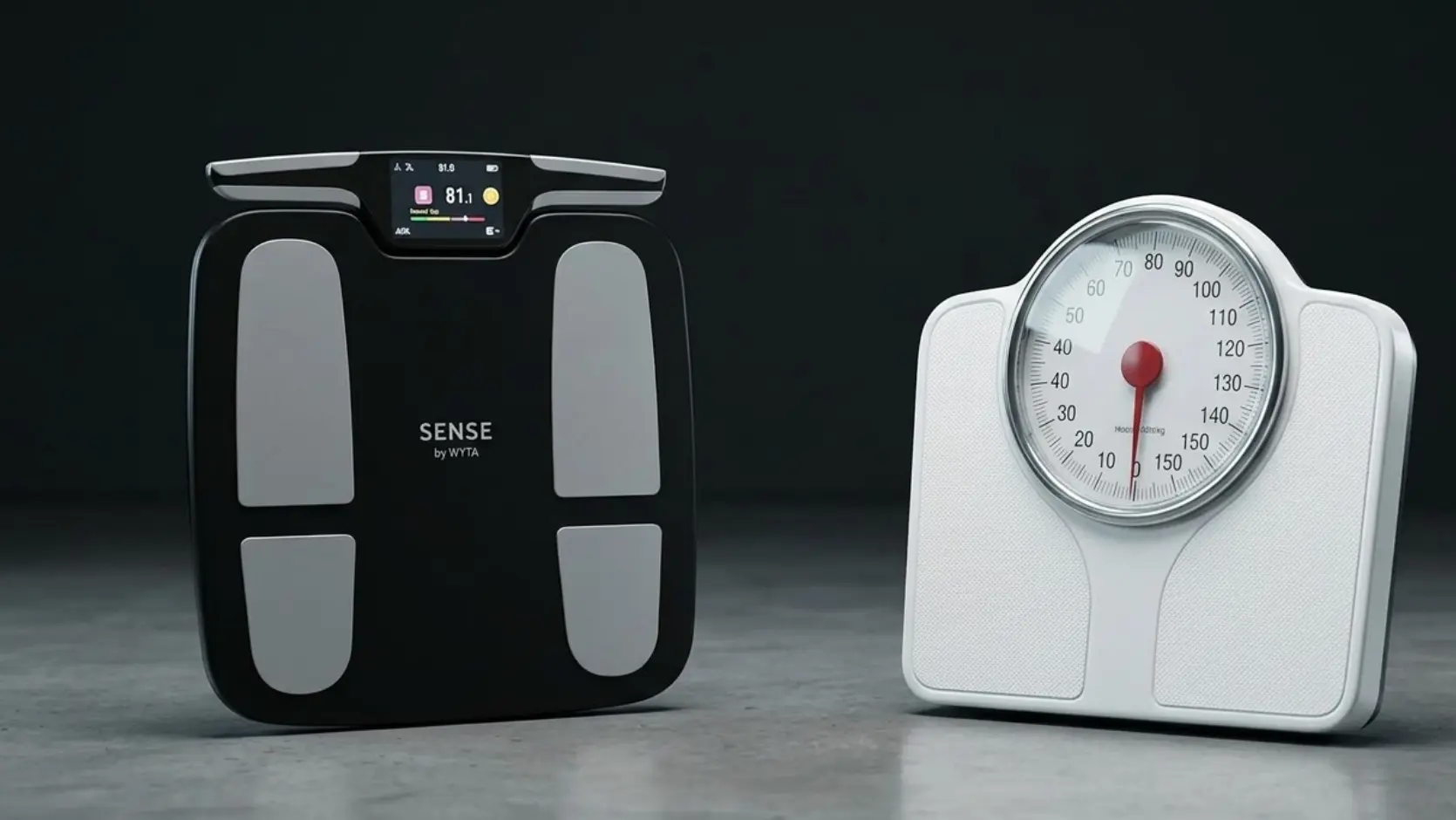
The first fork in the road is digital or analog. Analog body weight machines are cheap, battery-free and simple, using a spring and dial, but they are less precise and can drift over time. Digital machines use electronic load sensors for sharper, more consistent readings and a clear display, plus the option of smart features. For nearly everyone tracking their health today, digital is the better choice – and if you want body composition, it is the only choice, since analog cannot estimate fat or muscle.
Basic Digital vs Smart Machines
Once you have settled on digital, the next decision is basic or smart. A basic digital machine gives an accurate weight and nothing more. A smart machine adds body fat, muscle, water and app-based trend tracking, turning a simple measurement into a health tool that follows your progress over time. For anyone with a fitness goal, the smart option is usually worth its modest premium, because body composition reveals what weight alone hides. If you genuinely only want an occasional weight reading, a basic digital machine is perfectly adequate and saves a little money.
Key Features to Look For
When comparing body weight machines, weigh these features:
- Accuracy and consistency – the foundation of any useful scale.
- Body composition – essential if you want fat and muscle, not just weight.
- Weight capacity – high enough for everyone who will use it.
- App quality – where a smart machine’s real value lives.
- Display and build – clear, readable and sturdy with a non-slip surface.
How to Judge Accuracy
Accuracy matters, but consistency matters more. For tracking your health, it is far less important whether the machine is calibrated to the exact gram than whether it gives the same reading under the same conditions every time. A consistent machine lets you trust the trend, which is what tells you if your plan is working. Body-composition estimates are inherently less precise than weight, so read those as trends too. Check genuine reviews for comments on consistency, and remember that a machine giving steady, repeatable readings is more useful than one chasing absolute precision it cannot reliably deliver.
Matching the Machine to Your Goal
The smartest way to pick is to start from your goal. For fat loss, you want body fat and the weight trend, so a smart machine fits. For muscle gain, you want muscle mass, again pointing to smart. For simple maintenance checks, a basic digital machine suffices. Pairing your data with your total daily energy expenditure helps you act on what the machine shows. Let the outcome you want drive the purchase, rather than the features or the price. A machine perfectly matched to a modest goal beats an over-specified one you will not fully use.
A Simple Selection Framework
If you want a quick way to decide, work through it in order:
- Weight only or body composition? – this is the biggest fork.
- Digital, every time – unless you specifically want cheap, battery-free simplicity.
- Check capacity and app – suitable for your household and goals.
- Confirm support – local warranty and service where you buy.
- Compare total cost – including any fees, over a few years.
Digital Body Weight Machines in Depth
Digital body weight machines have become the default for good reason. Their load sensors deliver precise, consistent readings, their displays are easy to read, and they open the door to smart features like body composition and app tracking. They are also low-maintenance, needing only an occasional battery change and a clean surface. If your secondary aim is a body weight machine that is digital and future-proof, a smart digital model is the natural choice, since it covers both accurate weighing and body-composition tracking in one device.
Common Mistakes When Picking a Machine
A few errors trip up buyers:
- Choosing analog to save a little, then missing accuracy and features.
- Ignoring weight capacity for heavier household members.
- Overlooking app quality, which is where smart value lives.
- Expecting body composition from a basic or analog machine.
- Buying on looks rather than sensor quality and reviews.
Body Weight Machines in India
For Indian buyers, body weight machines are widely available across price points. Favour reputable brands with local warranty and support, and choose a smart digital model if your goals involve body composition.
Example: The FITTR Sense Smart Scale
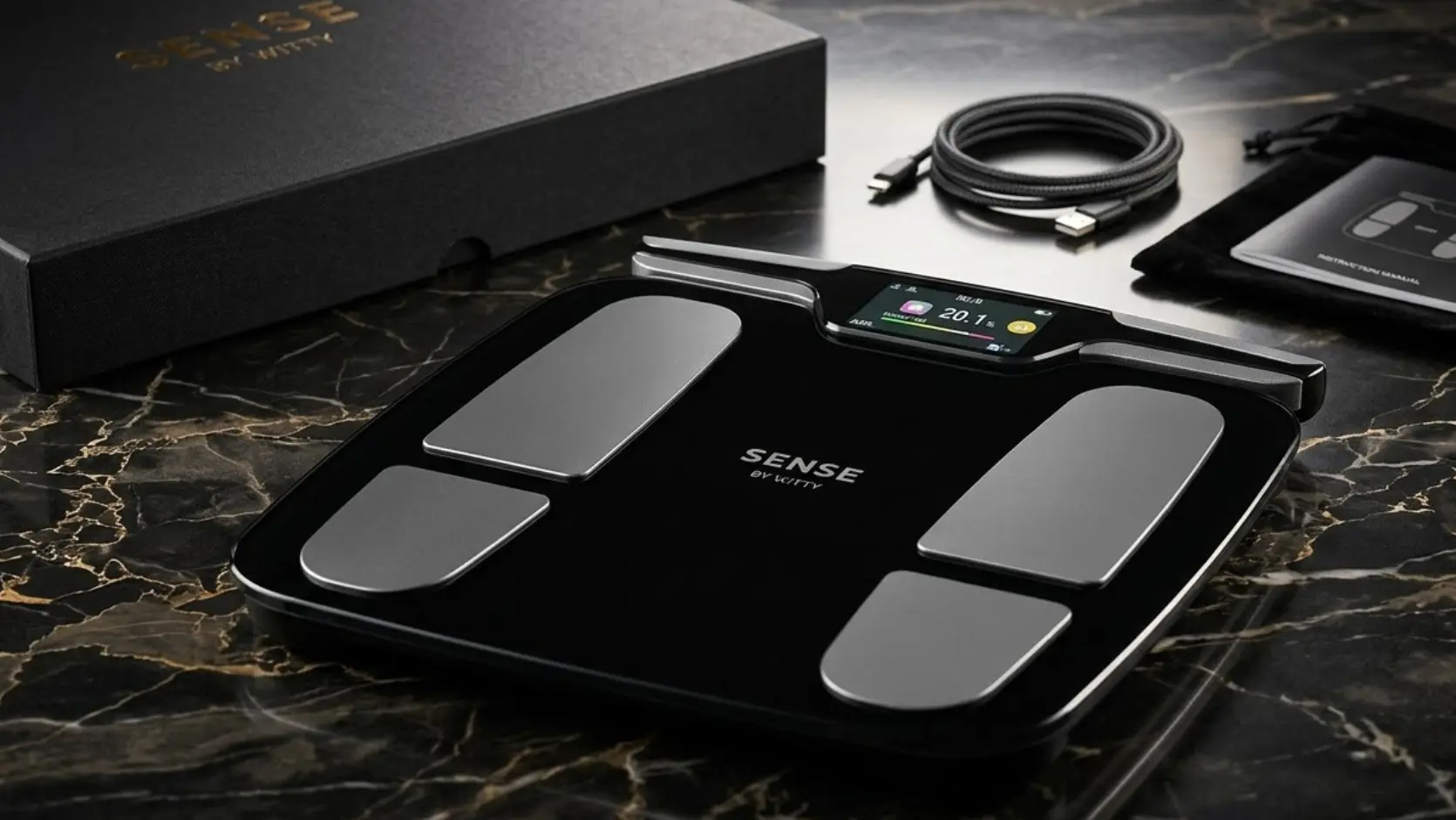
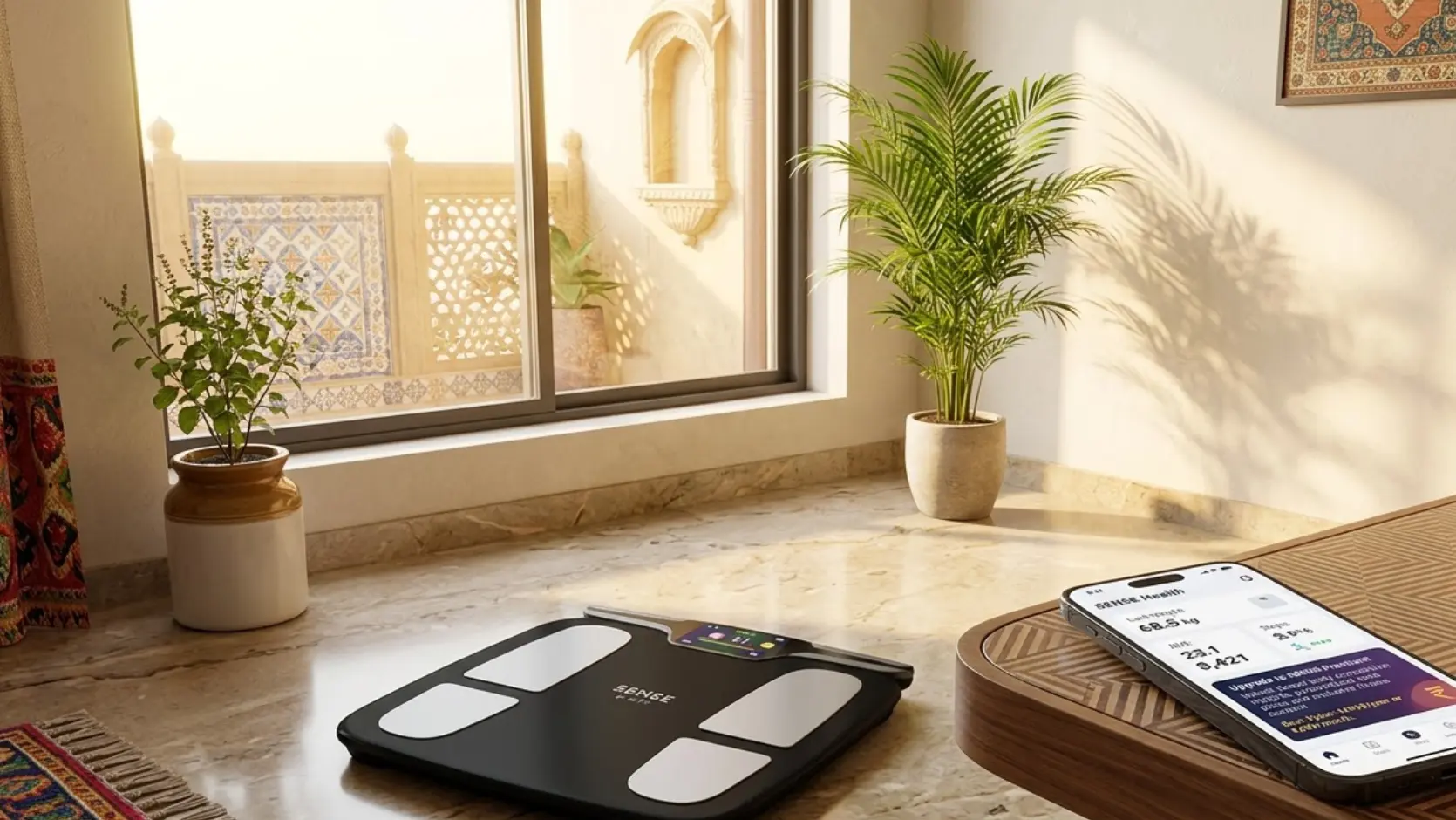
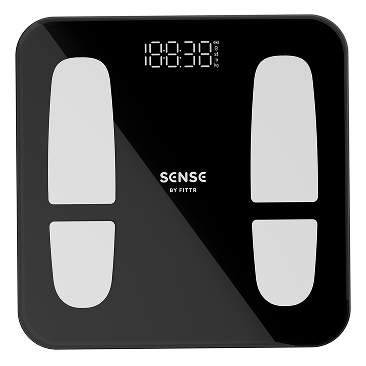
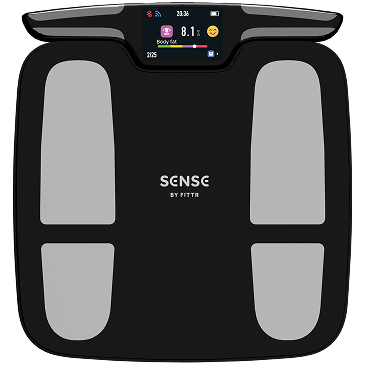
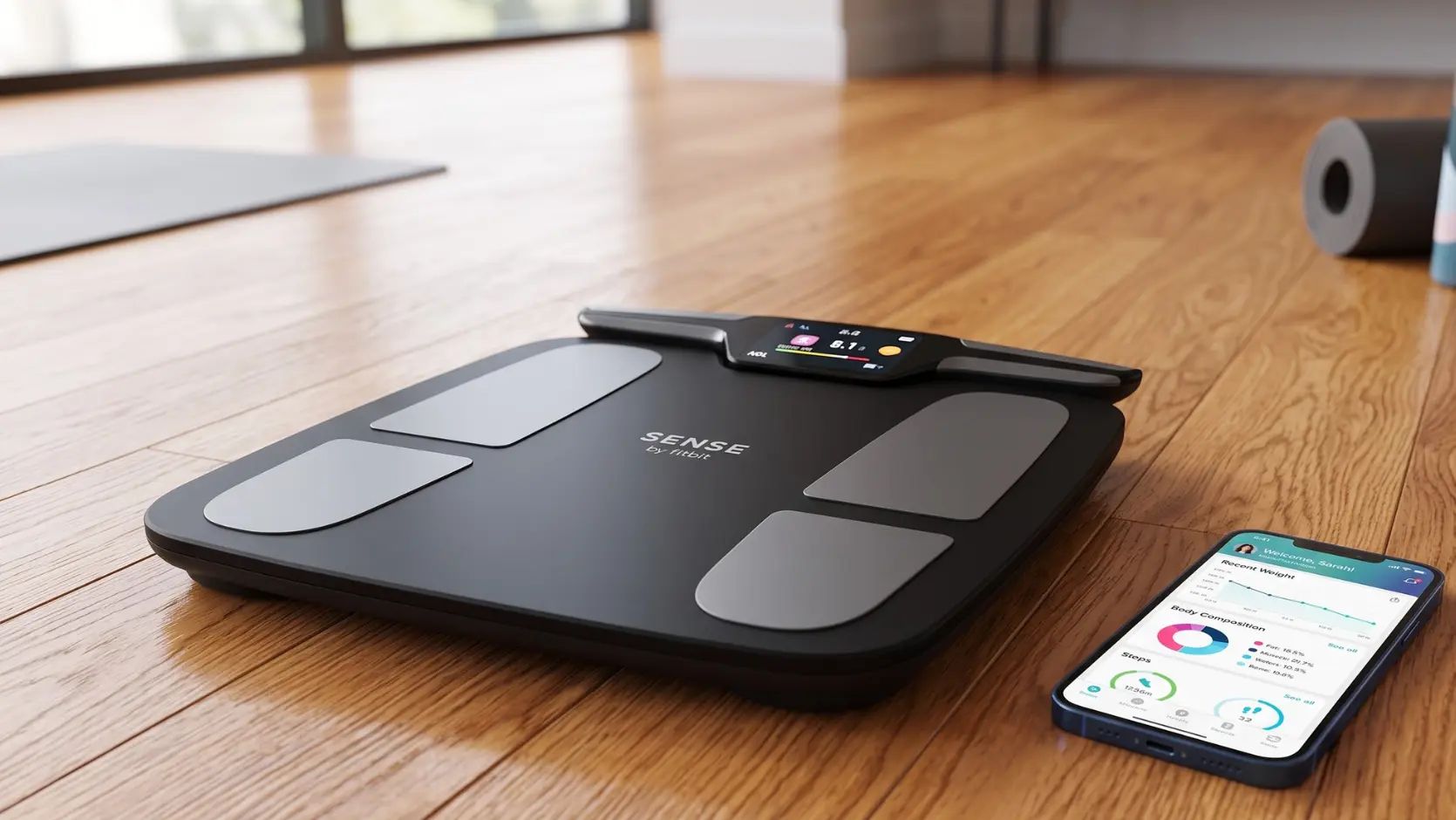
As an example of a smart digital body weight machine, the FITTR Sense smart scale measures your weight and estimates body composition, then syncs to the FITTR app so you can track fat, muscle and your weight trend over time. It illustrates the kind of machine most fitness-focused buyers should aim for.
Smart Machines and Fitness Goals
The strongest case for a smart body weight machine is how it serves a fitness goal. Weight alone cannot tell you whether you are losing fat or muscle, but a smart machine’s body-composition estimates can. During fat loss it confirms the fat is going; during muscle building it shows lean mass climbing even when the scale is steady. This is why most people serious about training choose smart over basic. The extra data turns a simple weigh-in into genuine feedback on whether your plan is reshaping your body the way you intend.
How Long Should a Machine Last?
Longevity is part of value. A quality digital or smart body weight machine should last several years of daily use, needing only the occasional battery change. A cheap machine that drifts or fails within a year can end up costing more than a sturdier one bought once. When comparing options, think in terms of cost per year of reliable use rather than the sticker price alone. Durability is a feature worth paying a little more for, especially on a device you will step on almost every day.
Price vs Value
Body weight machines span a wide price range, from cheap analog scales to feature-rich smart models. The best value is not the cheapest, but the one that does what your goal requires without paying for features you will not use. Because you use a scale for years, even a smart machine’s modest premium works out to a tiny cost per use for a tool that guides your training and diet the whole time. Viewed that way, the smart tier is easy to justify for anyone with a real fitness goal.
Reading Body-Composition Numbers
If you choose a smart machine, read its body-composition figures as trends, not absolutes. These are estimates, so the exact body-fat percentage may differ from a clinical test. What matters is the direction under consistent conditions. If your fat is trending down and muscle is holding or rising over weeks, that pattern is reliable and meaningful, even if the absolute numbers are approximate. Judge progress by the movement of the trend, not any single day’s reading.
Caring for Your Machine
A body weight machine needs little upkeep. Keep it on a hard, flat surface, wipe it clean, replace batteries before they run low, and avoid dropping or overloading it. Store it flat rather than propped against a wall, which can stress the sensors. With this minimal care, a quality machine gives accurate, consistent readings for years. Looked after well, it is a one-time purchase that keeps informing your health long after you bought it.
The Bottom Line
In the end, the best body weight machine is the one that matches your goal, is accurate and consistent, and that you will actually use. For simple checks, a basic digital machine is fine; for tracking your body, a smart one is worth its modest premium. Decide on your goal first, and the right machine follows.
Body Weight Machines for Beginners
If you are just starting out, you do not need to overthink the purchase. A reliable digital body weight machine, ideally a smart one if you can stretch to it, covers everything a beginner needs. Focus on getting a machine that is accurate, easy to read and from a brand with local support, and do not be swayed by features you may never use. The most important step for a beginner is simply to start weighing consistently and watching the trend. The habit matters more than the gadget, and a sensible mid-range smart machine gives you room to grow into body-composition tracking as your goals develop.
Frequently Asked Questions
What is a body weight machine?
A body weight machine is a scale that measures your body weight. Smart versions also estimate body composition like fat and muscle.
Is a digital or analog body weight machine better?
Digital is generally better – more accurate, easier to read and able to add body composition and app tracking.
How do I pick a body weight machine?
Decide whether you want weight only or body composition, then compare accuracy, capacity, display, app features and price.
Are digital body weight machines accurate?
Yes, quality digital body weight machines are accurate and consistent, which is what matters for tracking trends.
Do body weight machines measure body fat?
Smart digital ones do, using bioelectrical impedance. Basic and analog machines show weight only.
Choose Right, Progress Bright
Picking the right body weight machine, body weight machine digital, or weight scale for humans comes down to a few clear decisions: weight only or body composition, digital over analog, and a machine whose accuracy, capacity and app fit your goals. Start from what you want to track, favour a smart digital model if body composition matters, and weigh consistently to follow the trend. Get those right, and a body weight machine like the FITTR Sense becomes a genuinely useful partner in your health, quietly tracking your progress every time you step on it.