



What a Weighing Machine for Home Use Really Needs
A weighing machine for home use has different priorities than commercial or specialised equipment – it needs to fit your bathroom, suit everyone in your household, and give reliable, repeatable results without demanding technical expertise from whoever steps on it each morning. This guide focuses specifically on what makes a home scale genuinely good for household use, from space and comfort to accuracy and features, so you can choose a body weight machine that actually fits how your family lives day to day.
Fitting a Home Scale Into Your Actual Space
Before comparing features, consider where your weighing machine for home use will actually live. A small bathroom might call for a slim, storable design, while a larger space can accommodate a bigger platform without any real space constraint affecting your decision. Measuring your available floor space and checking a specific home scale’s dimensions against it prevents the common frustration of buying a model that looks fine online but doesn’t comfortably fit where you actually need to place it every day.
Household Size and Weight Capacity
A weighing machine for home use needs adequate capacity for every family member who’ll use it, with a comfortable margin above your heaviest household member’s weight. This is one of the easiest specifications to overlook amid more exciting advertised features. For larger households, checking that a body weight machine’s accuracy holds steady across its full rated range, not just near the middle, is worth confirming through reviews, since some budget scales perform less reliably near their maximum capacity than in typical use ranges.
Single-User vs Multi-User Home Scales
Single-User Households
If you live alone, a simple weighing machine for home use without multi-user recognition is perfectly adequate, since there’s no shared data to keep separate.
Multi-User Households
For families, automatic user recognition – identifying who’s standing on the scale based on known weight and profile data – becomes genuinely valuable. Without this feature in a shared body weight machine, everyone’s readings blend into a single confusing history within any connected app, undermining the entire purpose of tracking individual trends for each family member using the same device.
Digital vs Analog for Everyday Home Use
Digital Scales
For most households, a digital weighing machine for home use offers clear practical advantages over analog: sharper precision, an easy-to-read numeric display, and freedom from the calibration drift that affects mechanical springs over years of regular family use. For anyone wanting to genuinely track health trends over time, digital is the stronger everyday choice for a home scale.
Analog Scales
Analog remains a reasonable choice specifically for households prioritising simplicity and no battery dependency over precision.
Body Composition Features for Family Use
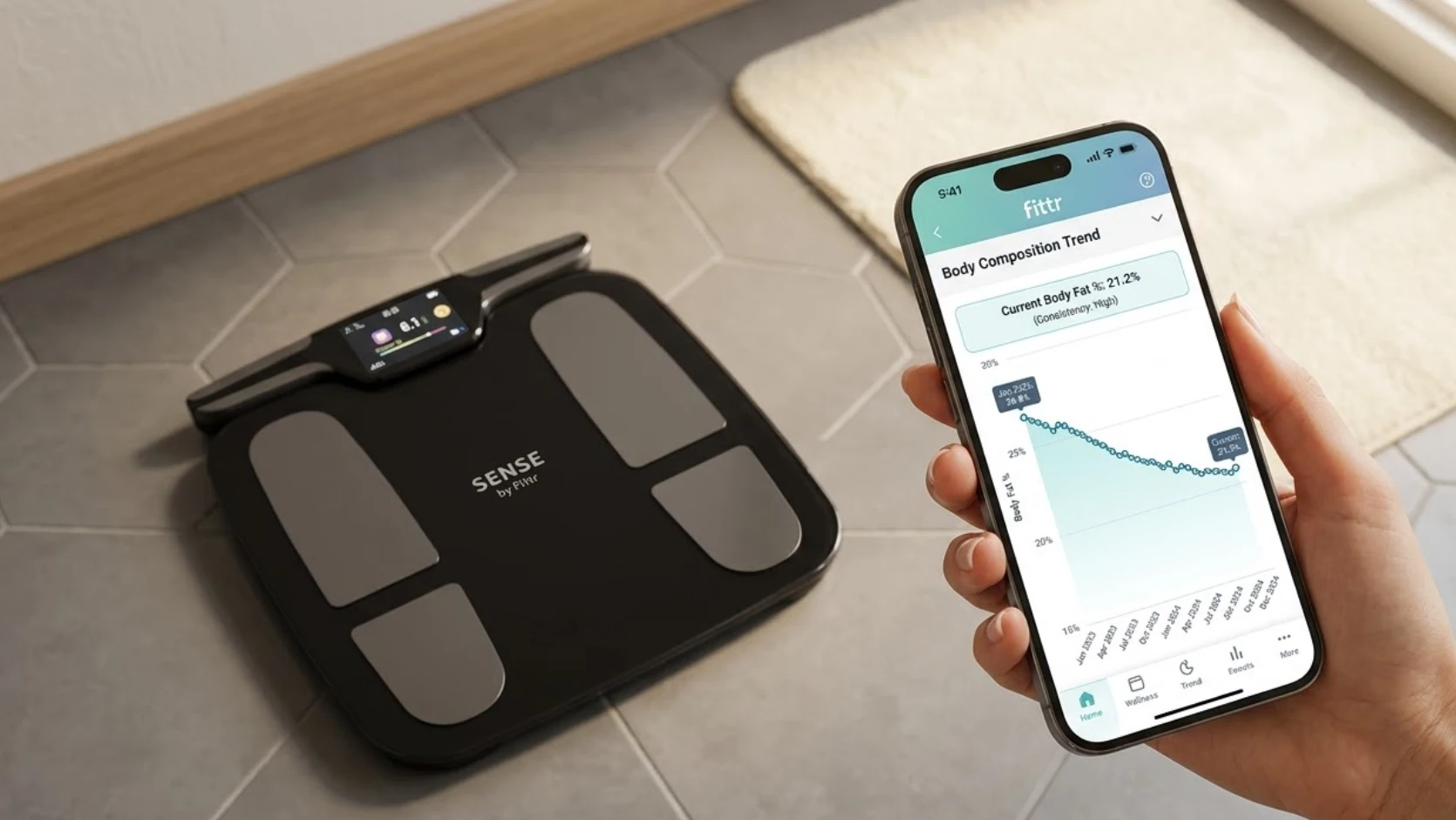
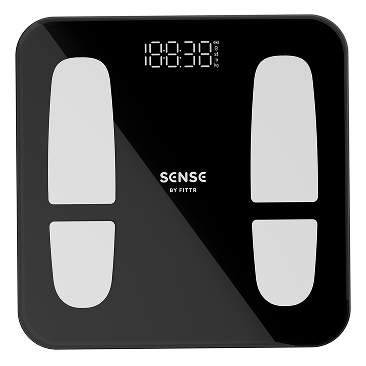
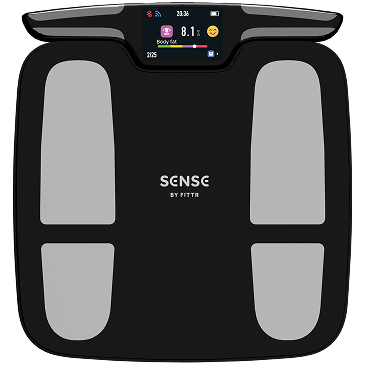
Beyond basic weight, many home scale models now estimate body fat, muscle mass and water percentage, adding real value for family members with specific fitness goals. A body weight machine with this capability turns a simple household purchase into a genuine health tool for anyone who’ll use it regularly. If your household’s needs are purely general weight monitoring without specific fitness goals, a basic weight-only weighing machine for home use is entirely sufficient, saving cost without losing functionality anyone would actually use.
Display and Ease of Use for All Ages
A home scale used by multiple generations – children, parents, grandparents – benefits from a genuinely clear, large display that’s easy to read regardless of eyesight or familiarity with digital devices. Complexity that suits a tech-savvy user might frustrate other household members. Choosing a weighing machine for home use with a straightforward interface, rather than one requiring extensive app setup just to see a basic weight reading, ensures everyone in the household can use it comfortably without needing help each time.
Placement Tips for Reliable Home Readings
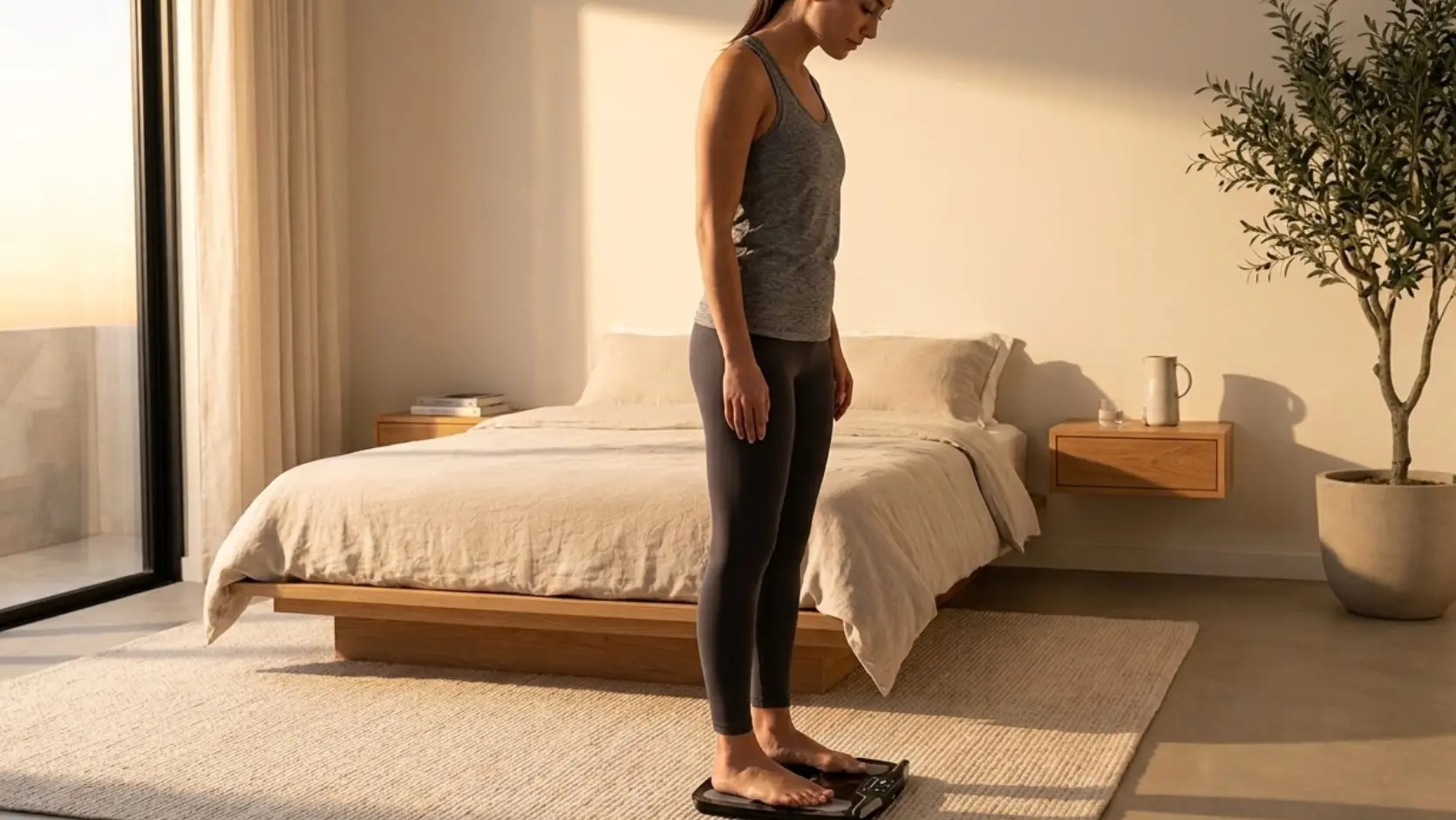
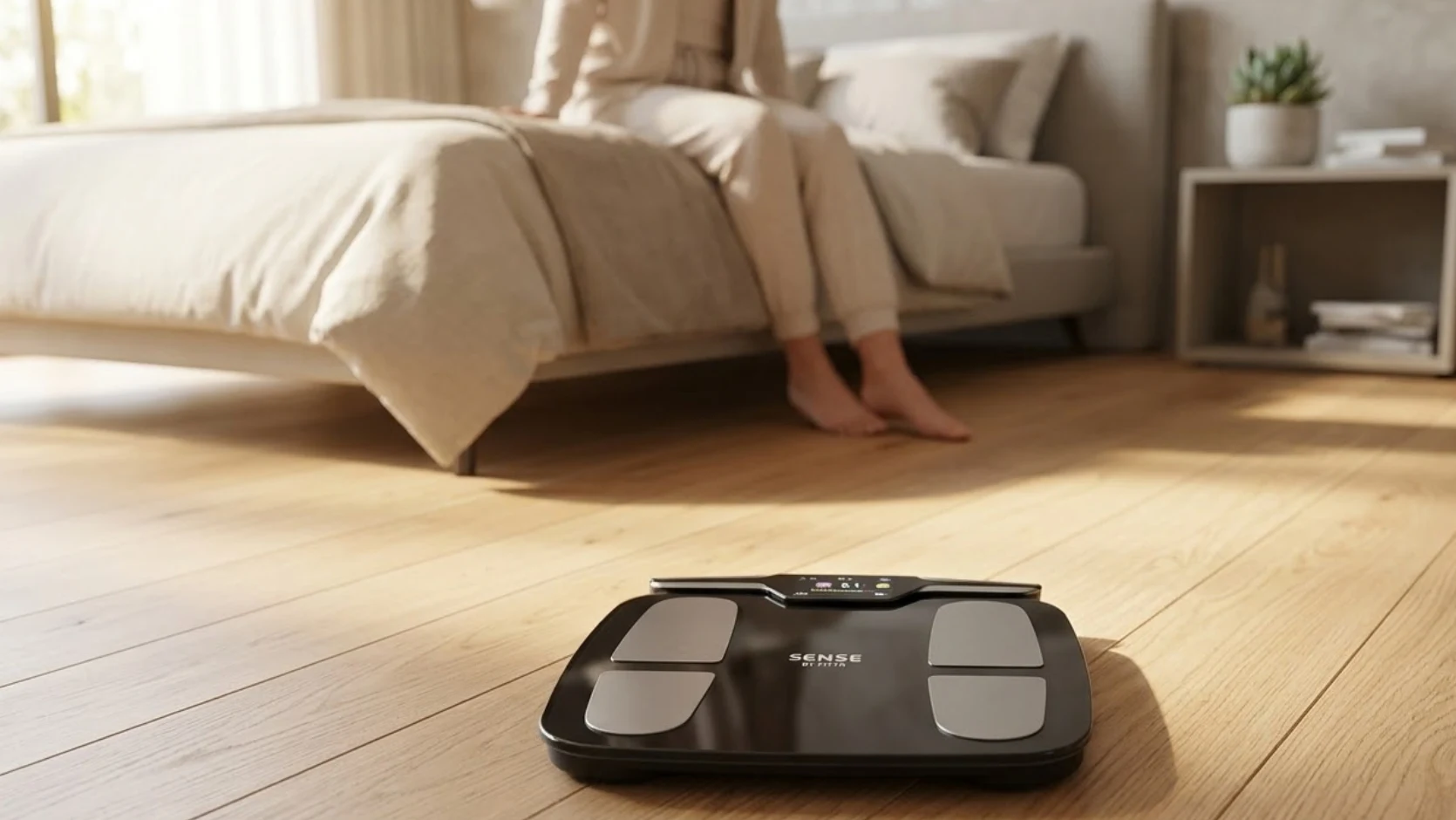
Getting consistent results from any body weight machine depends heavily on correct placement: a hard, flat, level surface – tile or wood, never carpet or a bath mat – gives the most reliable readings every time someone steps on the scale. Designating one consistent spot for your weighing machine for home use, rather than moving it between different surfaces, removes a common source of inconsistency that has nothing to do with the scale’s actual quality or anyone’s real weight change.
Budgeting for a Home Scale
A basic weighing machine for home use at a modest price delivers reliable tracking for straightforward household needs, while mid-range and premium options add body composition, sturdier build quality, and app connectivity for families with more specific fitness goals. Match your spending to features your household will genuinely use – there’s little value paying for ecosystem integrations if a simple, accurate body weight machine is really all your family needs from a daily weigh-in routine.
Maintaining Your Home Scale Over Time
A weighing machine for home use holds its accuracy longer with basic care: keep it clean and dry, replace the battery before it fully drains, avoid dropping or overloading it beyond rated capacity, and store it flat rather than propped against a wall. These simple habits, more than any single spec, determine whether your body weight machine still reads true after several years of regular household use by multiple family members with varying levels of care in how they use it.
Common Buying Mistakes for Home Use
A few mistakes come up repeatedly when choosing a home scale: buying based on the lowest price without checking capacity for your full household, ignoring platform stability on your specific bathroom floor, and skipping reviews that specifically mention long-term family use. Taking a little extra time to match a weighing machine for home use to your actual household composition and needs, rather than defaulting to whatever’s cheapest or most heavily advertised, leads to a far better long-term purchase decision for everyone involved.
Choosing a Weighing Machine for Different Household Types
A single-person household or young couple often does well with a simpler, more affordable weighing machine for home use, prioritising accuracy and a compact footprint over extensive features. A larger family, particularly one with members actively pursuing fitness goals, gets more genuine value from a smart body weight machine with multi-user support. Households with elderly members or anyone with mobility considerations benefit from prioritising platform stability and display clarity over advanced features, since a scale that’s comfortable and easy to read matters more day to day than body composition metrics that might go unused by that specific household member.
Warranty and Support for Home Scale Purchases
A home scale’s warranty length often reflects genuine manufacturer confidence in build quality, and checking this before purchase protects your household against early manufacturing faults. A slightly higher price with better warranty support is often better value than the cheapest option with minimal after-sales protection. This matters more for smart scales with more complex electronics than for a simple mechanical weighing machine for home use, since more components generally mean more potential points of failure, making accessible customer support genuinely worth checking before you commit to a specific brand or model.
Replacing an Old Home Weighing Machine
If you’re replacing an aging weighing machine for home use, take the opportunity to reassess whether your household’s needs have changed since your last purchase. A family that’s grown, or members who’ve developed new fitness goals, might now benefit from features that weren’t relevant when you bought your last scale. This is also a good moment to check whether your old body weight machine’s inaccuracy came from genuine sensor failure or simply years of use on an unsuitable surface, since the latter is easily corrected with proper placement rather than requiring a full replacement purchase for your household.
Common Myths About Home Weighing Machines
A few misconceptions are worth clearing up.
- A more expensive weighing machine for home use isn’t automatically better suited to your household; matching features to actual needs matters more.
- A body weight machine doesn’t need to support unlimited users; most households need only a handful of profiles at most.
- Home scales don’t require daily recalibration under normal use; a well-made unit holds accuracy for extended periods.
- A wider platform doesn’t automatically mean better accuracy for a home scale; sensor configuration matters more than size alone.
- Body composition tracking isn’t necessary for every household member; it’s valuable specifically for those with fitness goals.
The Bottom Line
Choosing the best weighing machine for home use comes down to matching capacity, features, and ease of use to your actual household – how many people will use it, what their goals are, and how much space you genuinely have available. Focus on these household-specific fundamentals rather than chasing the longest feature list, and you’ll land on a home scale that serves your entire family reliably for years of regular, everyday use.
Frequently Asked Questions
What should I look for in a weighing machine for home use?
Adequate capacity for your household, a stable platform, easy-to-read display, and multi-user support if more than one person will use it.
Do I need a smart home scale with body composition tracking?
Only if household members have specific fitness goals; a basic weight-only home scale suffices for general monitoring.
How much weight capacity should a body weight machine have?
Choose one comfortably above your heaviest household member’s weight, typically 150-180 kg for standard household models.
Where should I place my home scale for accurate readings?
On a hard, flat, level surface like tile or wood, avoiding carpet, and in the same spot consistently for every use.
Is a single-user or multi-user home scale better for families?
Multi-user recognition is valuable for families sharing one scale, keeping each person’s data properly separated in any connected app.
Choose the Right Scale, Stay on Track
Weighing machine for home use, a home scale, or simply a body weight machine for the whole family – whichever term describes what you need, matching it to your household’s actual size and goals is what matters most. Once your scale is set up, Fittr’s body fat calculator and general nutrition articles can help your whole household build a real plan around it.