



Weight Meter: A Simple Definition
A weight meter is simply another name for a scale or weighing device – any tool that measures how much something weighs, whether that’s your own body, kitchen ingredients, or goods for trade. The term is used broadly across different weight measuring tools rather than referring to one specific product type. This guide answers the basic “what is it” question in plain terms, covering the different kinds of weight device you might encounter under this name, and how to figure out which specific type actually matches what you’re trying to measure.
Where the Term Weight Meter Comes From
Weight meter simply combines “weight,” what’s being measured, with “meter,” a general term for a measuring instrument – the same naming pattern as a speedometer or thermometer. It’s a broad, generic description rather than a specific brand or technical category of weight measuring tools. Because of this generic nature, you’ll find the term applied to nearly any weighing device – a bathroom scale, a kitchen scale, a commercial platform scale – making it less useful as a precise category and more useful as a general search term when you’re not yet sure exactly what specific weight device you need.
Common Types of Weight Meter Devices
Bathroom and Body-Weight Scales
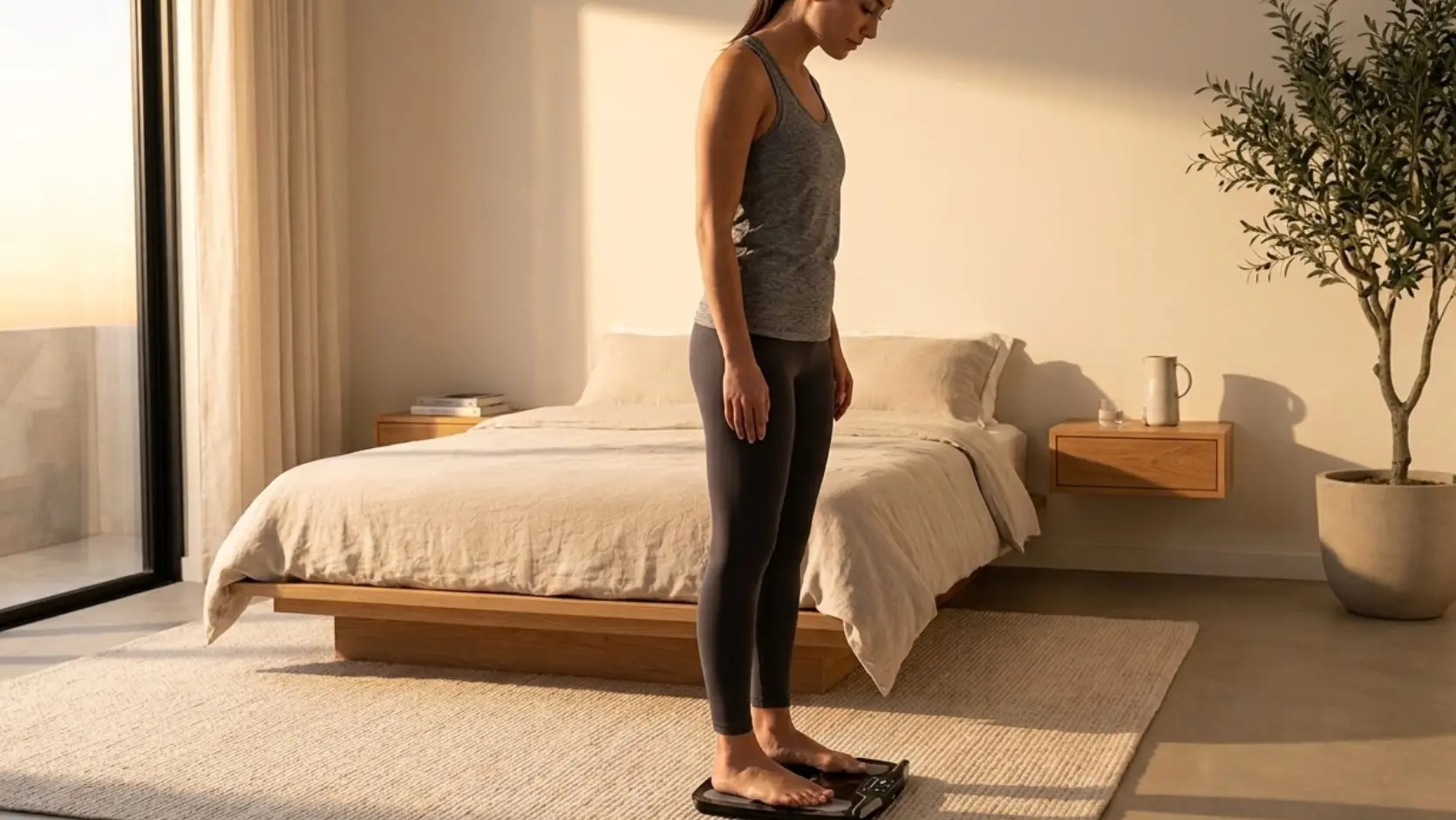
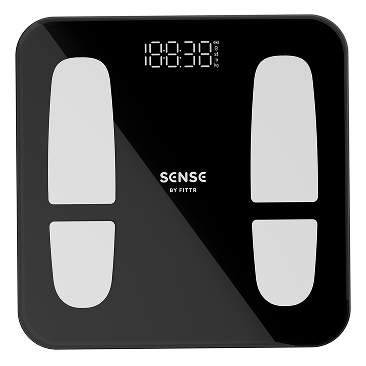
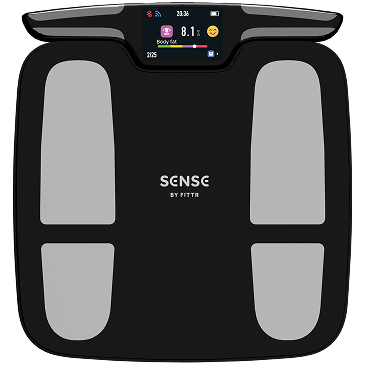
The most familiar weight meter for most people is a bathroom scale for tracking body weight, available in both mechanical and digital designs.
Kitchen Scales
Beyond this, kitchen weight meter devices measure smaller amounts with finer precision for cooking and baking purposes.
Commercial Equipment
Commercial weight meter equipment, used in shops and trade, measures goods for sale and often includes pricing calculation features. Each of these represents a genuinely different weight device suited to a different purpose, despite all falling under the same broad “weight meter” umbrella term.
How a Digital Weight Meter Works
Most modern weight meter devices use electronic load cells – small sensors containing a strain gauge that flexes under weight, converting that flex into an electrical signal a processor reads and converts into a digital reading. This is the core technology behind nearly every digital weight device available today. Understanding this shared technology helps explain why a digital weight meter, regardless of its specific application, offers similar core advantages over older mechanical designs: sharper precision, easier reading, and freedom from the gradual calibration drift that affects spring-based mechanisms over years of use.
Weight Meter vs Other Weight Measuring Tools
Beyond a basic weight meter, the broader category of weight measuring tools includes body composition analyzers that estimate fat and muscle alongside weight, handheld devices for spot-checking composition, and clinical-grade equipment for precise medical or research measurement. A basic weight meter measures total mass only, while these more advanced weight measuring tools add additional data layers on top of that core weight measurement, serving different needs depending on whether you just want a number or a fuller picture of body composition.
Choosing the Right Weight Device for Your Need
Before searching for a weight meter, clarify exactly what you’re trying to measure and how precisely. A body-weight device needs different capacity and precision characteristics than a kitchen scale, and neither serves the specialised needs of commercial trade equipment well. Once you’ve identified your specific use case, comparing weight meter options within that category – checking sensor quality, capacity, and relevant features – gives a far more useful comparison than treating “weight meter” as a single product category to shop within directly.
Smart Weight Meters and Added Features
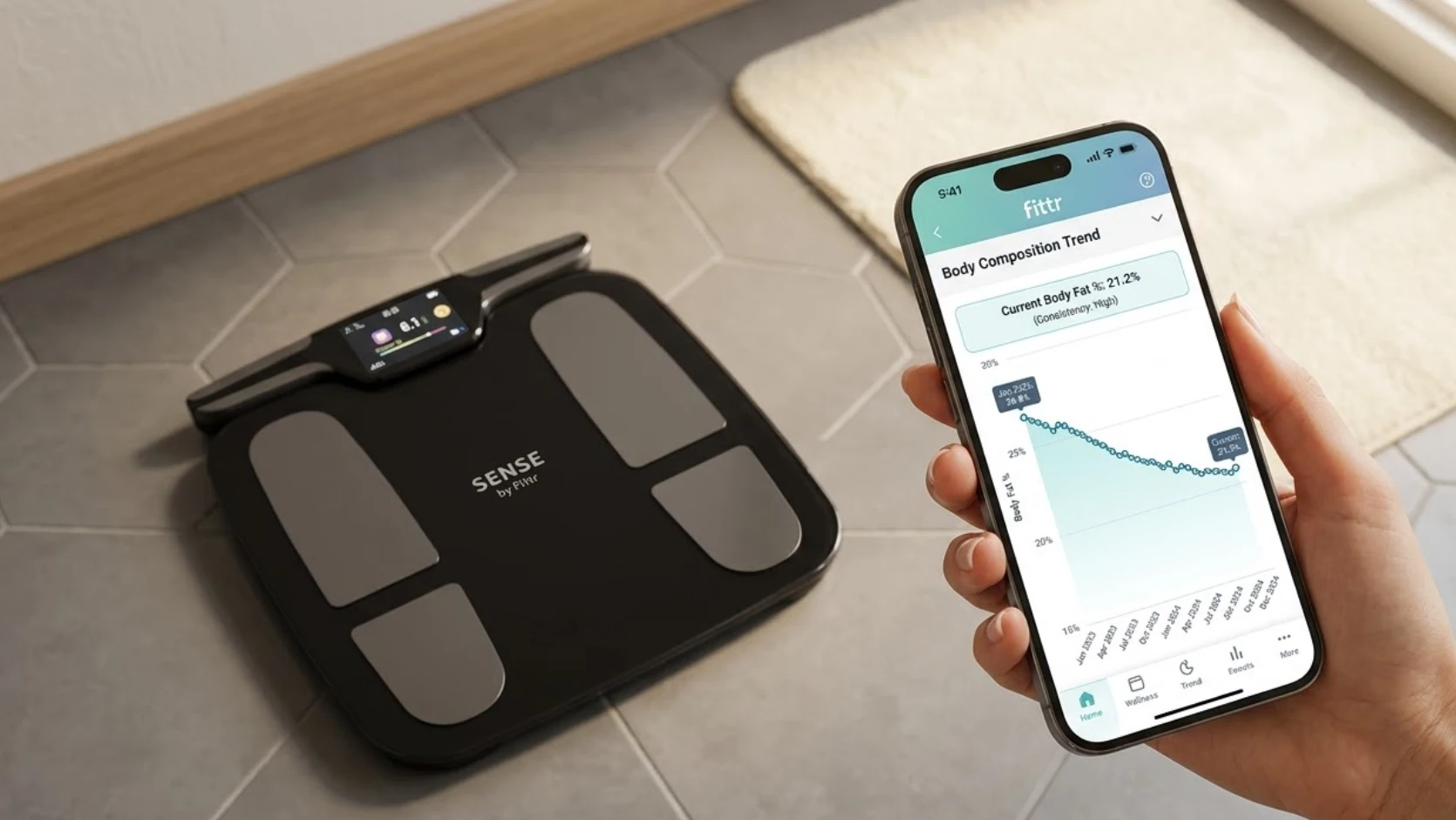
Beyond basic weighing, many modern weight meter devices, particularly for body weight tracking, now include smart features like body composition estimation and app connectivity, transforming a simple weight device into an ongoing health-tracking tool rather than a single-use measurement instrument. These smart weight meter options pair with a companion app that automatically logs readings and builds trend charts over time, adding genuine value for anyone serious about monitoring health or fitness progress rather than just checking a number occasionally without any structured tracking.
Accuracy Expectations for a Weight Meter
A quality weight meter, whether basic or smart, should give consistent, repeatable readings under the same conditions – this consistency matters more for everyday use than absolute laboratory precision. Understanding this distinction helps set realistic expectations before you buy any specific weight device. For body composition estimates specifically, remember that any weight meter using bioelectrical impedance provides an estimate rather than a precise measurement, best interpreted as a trend over time rather than an exact figure to trust on any single reading in isolation.
Maintaining Your Weight Meter for Accuracy
Any weight meter holds its accuracy longer with basic care: use it on a hard, flat surface, avoid dropping or overloading it beyond rated capacity, and replace the battery before it fully drains if it’s a digital weight device relying on battery power. These simple habits apply regardless of which specific type of weight meter you own, from a basic bathroom scale to a more advanced smart device with body composition tracking, and they matter more for long-term accuracy than any single feature or specification.
Weight Meter Terminology Across Different Contexts
Depending on the context, “weight meter” might be used slightly differently – in a fitness context it usually implies a body-weight scale, while in a shipping or logistics context it might refer to a commercial platform weight device entirely unrelated to personal health tracking. Context matters when interpreting the term in any specific listing or conversation. This ambiguity is worth keeping in mind when searching online, since a generic “weight meter” search can return results spanning bathroom scales, kitchen tools, and industrial equipment all at once, making it worth adding a more specific qualifier to your search once you know exactly what type of weight device you’re actually looking for.
Weight Meters for Specific Health and Fitness Goals
For anyone using a weight meter specifically to track body weight toward a health or fitness goal, choosing a device with additional composition tracking generally adds more actionable value than a simple weight-only reading, particularly for fat-loss, muscle-gain, or recomposition goals where the “why” behind weight change matters as much as the number itself. Pairing your weight meter data with guidance from a coach can also help you interpret the numbers correctly, distinguishing normal day-to-day fluctuation from a genuine trend worth adjusting your training or nutrition around, rather than reacting to every small change in isolation.
Weight Meters in Everyday Commercial Contexts
Beyond personal use, weight meter equipment quietly runs much of everyday commerce – postal services calculating shipping costs, shops weighing produce at checkout, and logistics companies verifying shipment weights before dispatch. Each context demands its own specific capacity and precision tier suited to its purpose. This broad range of applications is a useful reminder that “weight meter” isn’t a single specific product but a general description spanning wildly different capacity ranges and precision requirements, adapted to whatever is actually being weighed in each particular context or industry.
Common Myths About Weight Meters
A few misconceptions are worth clearing up.
- Weight meter isn’t a specific product category; it’s a general term applied broadly across different types of weight measuring tools.
- A more expensive weight meter doesn’t automatically mean better accuracy for basic weight measurement; sensor quality matters more than price.
- Not every weight device needs smart features; a basic weight meter is entirely sufficient for simple, straightforward tracking needs.
- A digital weight meter isn’t automatically more accurate than a mechanical one, though it generally offers better long-term consistency.
- Body composition estimates from a smart weight meter are approximations, not precise measurements, and should be read as trends.
The Bottom Line
A weight meter is simply a broad, generic term for any weighing device, spanning basic bathroom scales, kitchen equipment, commercial trade tools, and advanced smart devices with body composition tracking – all falling under the same general name. Rather than shopping for “a weight meter” directly, identify your specific use case first, then compare weight measuring tools and weight device options within that relevant category based on genuine fundamentals like sensor quality and appropriate features for your actual need.
Frequently Asked Questions
What does weight meter mean?
Weight meter is a general term for any weighing device, similar in usage to “scale,” applied broadly across different types of weight measuring tools.
What’s the difference between a weight meter and a weight device?
The terms are largely interchangeable, both referring generally to instruments that measure weight, whether basic or feature-rich.
How does a digital weight meter work?
It uses electronic load cell sensors that convert physical weight into an electrical signal, processed into a precise digital reading.
Are all weight meters equally accurate?
No, accuracy depends on sensor quality and correct use; a well-made device on a stable surface gives consistent, reliable readings.
Should I choose a basic or smart weight meter?
Depends on your goals – a basic weight meter suits simple tracking, while a smart device adds body composition and app connectivity.
Know Your Weight, Own Your Progress.
Weight meter, weight device, or weight measuring tools – all describe the same broad idea of instruments built to measure weight, spanning everything from a simple scale to an advanced smart device. For body-weight tracking specifically, Fittr’s body fat calculator and nutrition articles can help you get real value from whichever weight meter you choose.