




Why Accuracy Matters When Choosing a Weight Machine
Every machine weight machine on the market claims to be accurate, but very few listings explain what actually makes that true. If you are tracking your health, an inconsistent scale does not just annoy you – it quietly undermines every decision you make based on its numbers, from whether your diet is working to whether a training block is paying off.
What “Accurate” Really Means for a Home Scale
For body-weight tracking specifically, accuracy is less about matching a laboratory reference to the gram and more about consistency – giving you the same reading under the same conditions, every single time. A measure weight machine that is slightly off but perfectly repeatable is genuinely more useful than one that is occasionally spot-on but unpredictable the rest of the time.
How a Weight Machine Actually Measures Your Weight
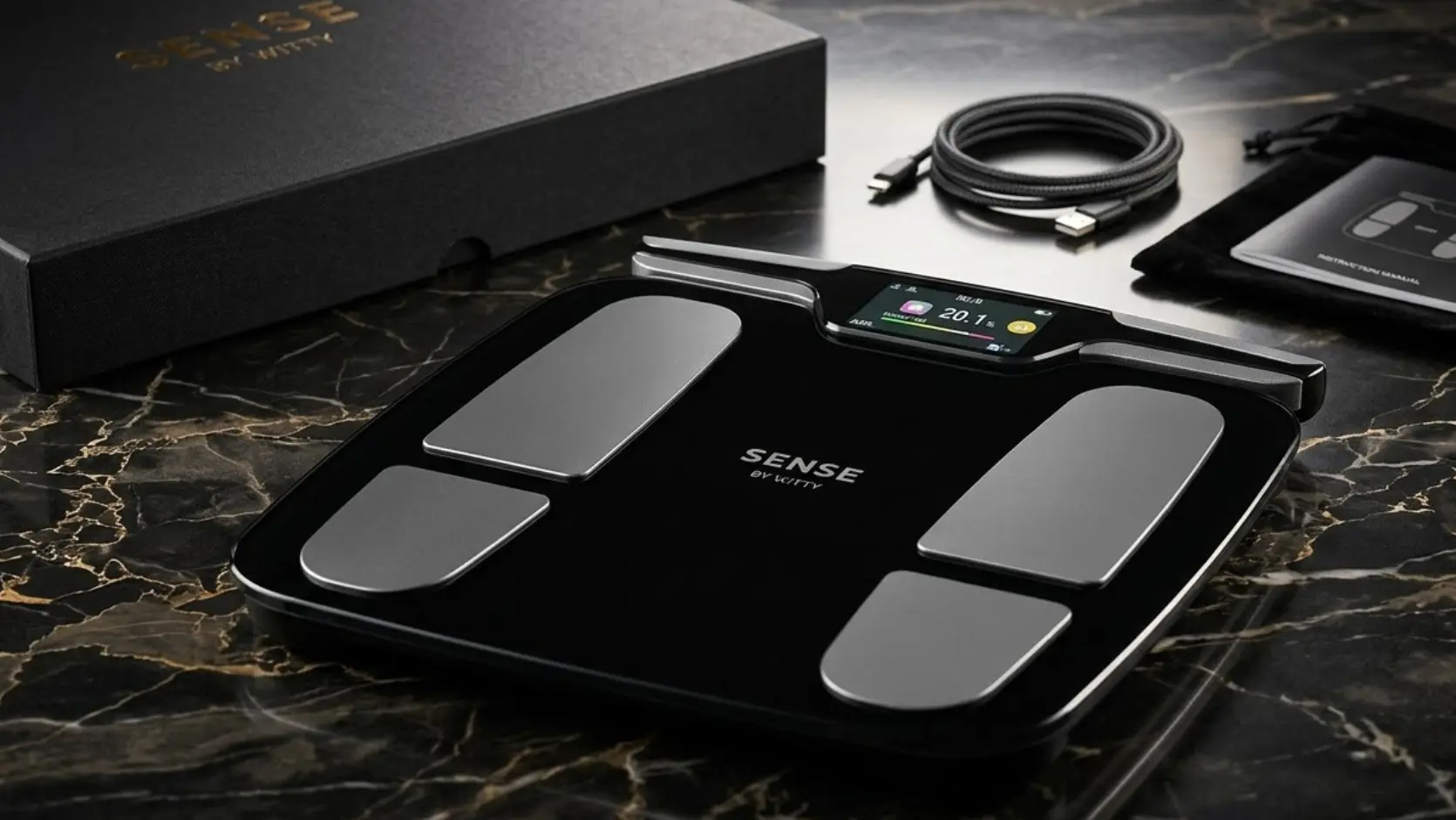
Nearly every modern weight scale machine uses load cells – small sensors containing a strain gauge that flexes by a tiny, precise amount under your weight. That flex changes the sensor’s electrical resistance, and the machine’s internal processor converts that change into the number you see on the display.
Load Cells and Why Four Beats One
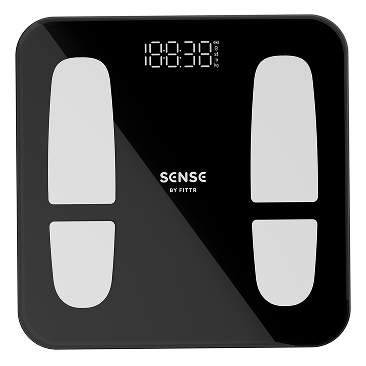
The best machine weight machine designs use four load cells, one at each corner of the platform, rather than a single central sensor. This four-point configuration averages your weight across all four corners, correcting for standing slightly off-centre and giving noticeably more consistent results than a cheaper single-sensor design, especially for anyone with a larger frame or an unsteady stance.
What Affects Accuracy in Everyday Use
Even a well-engineered machine weight machine can give misleading readings if it is used carelessly. Placement, timing and technique all matter as much as the hardware itself.
Surface, Timing and Consistency
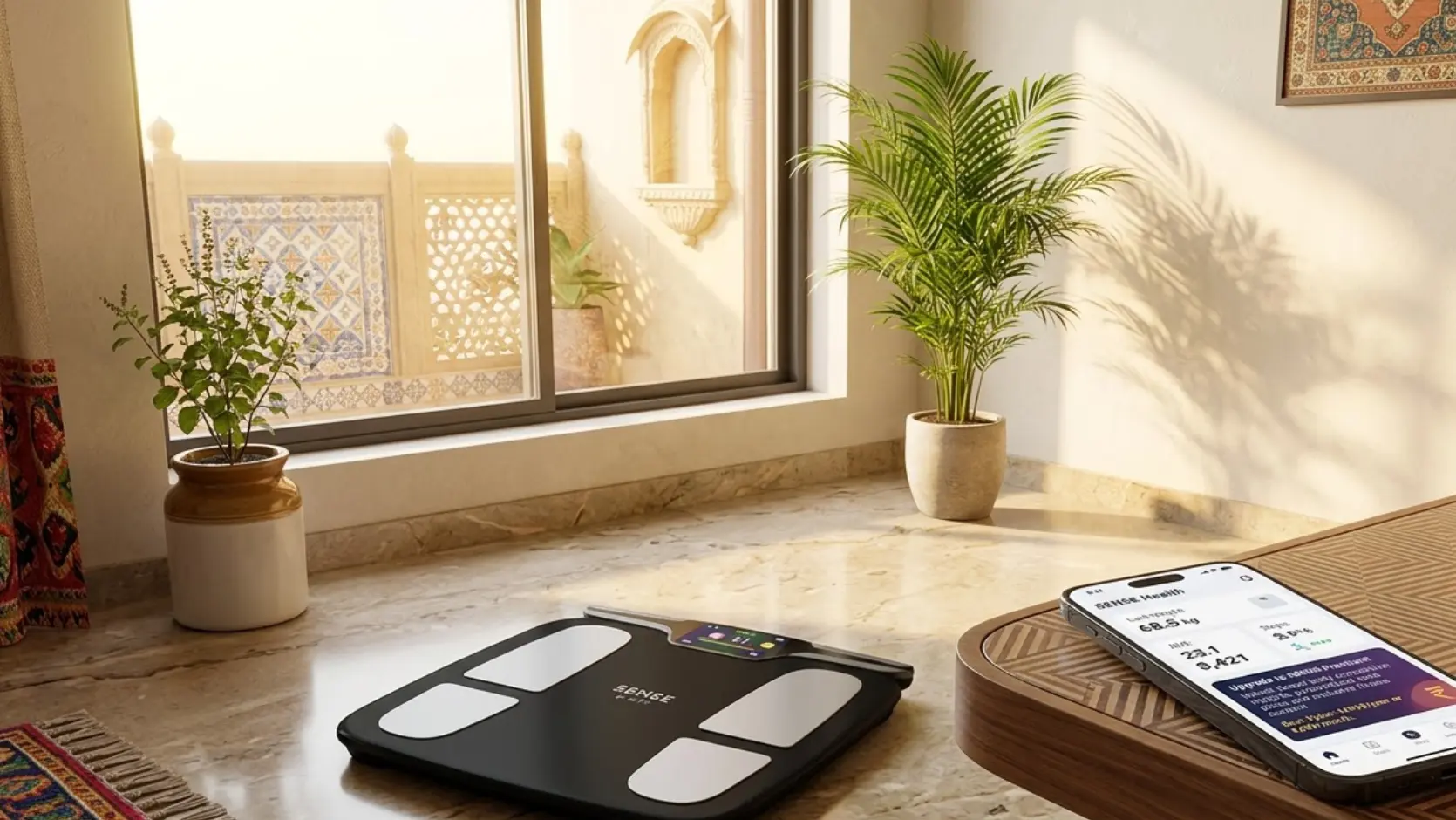
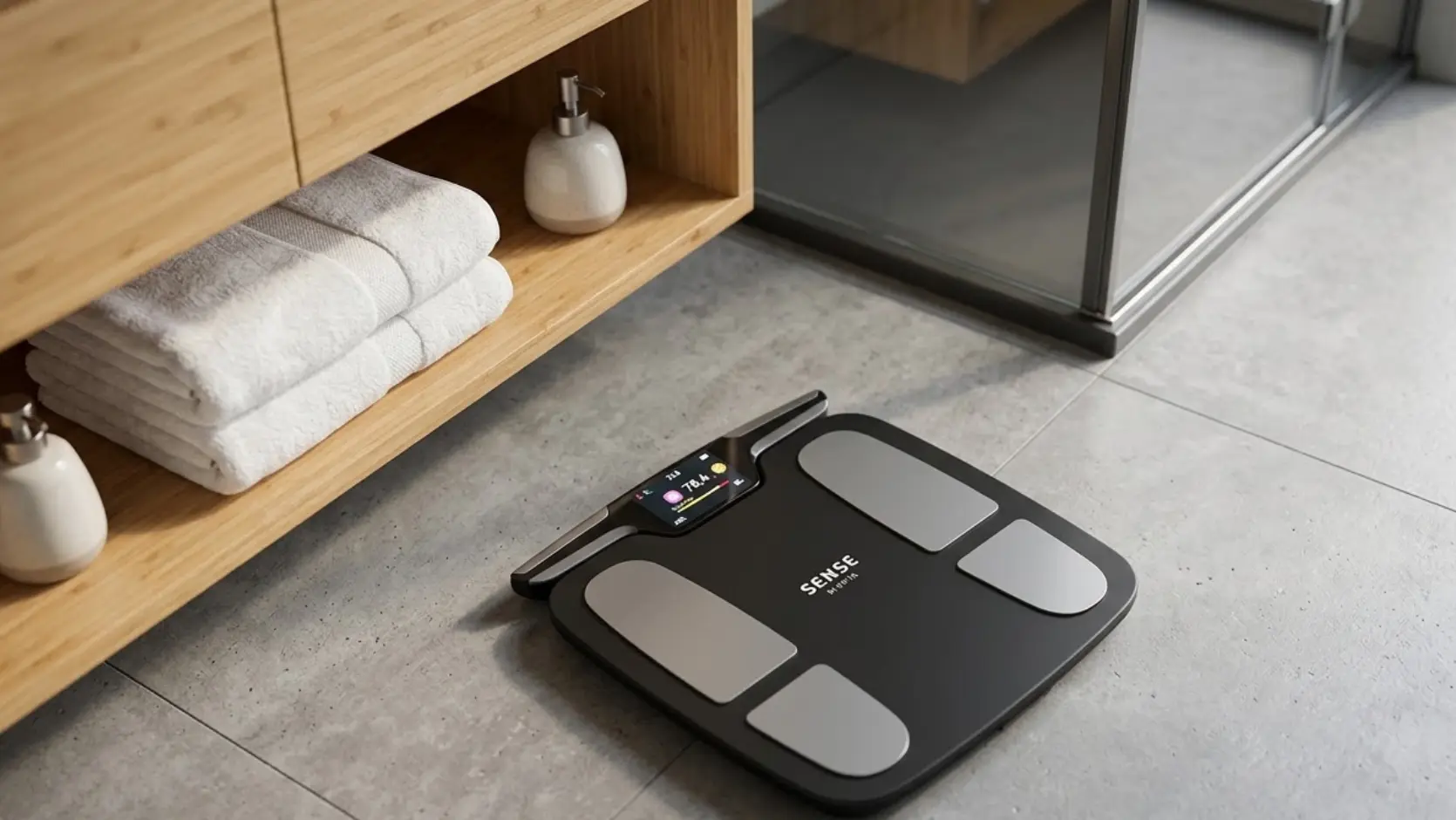
A hard, flat, level surface is essential – carpet or an uneven floor distorts how your weight presses on the sensors, regardless of how good those sensors are. Weighing at the same time of day, ideally first thing in the morning before eating or drinking, removes the biggest source of day-to-day variation and lets you trust what the number is actually telling you.
Machine Weight Machine vs Basic Analog Scales
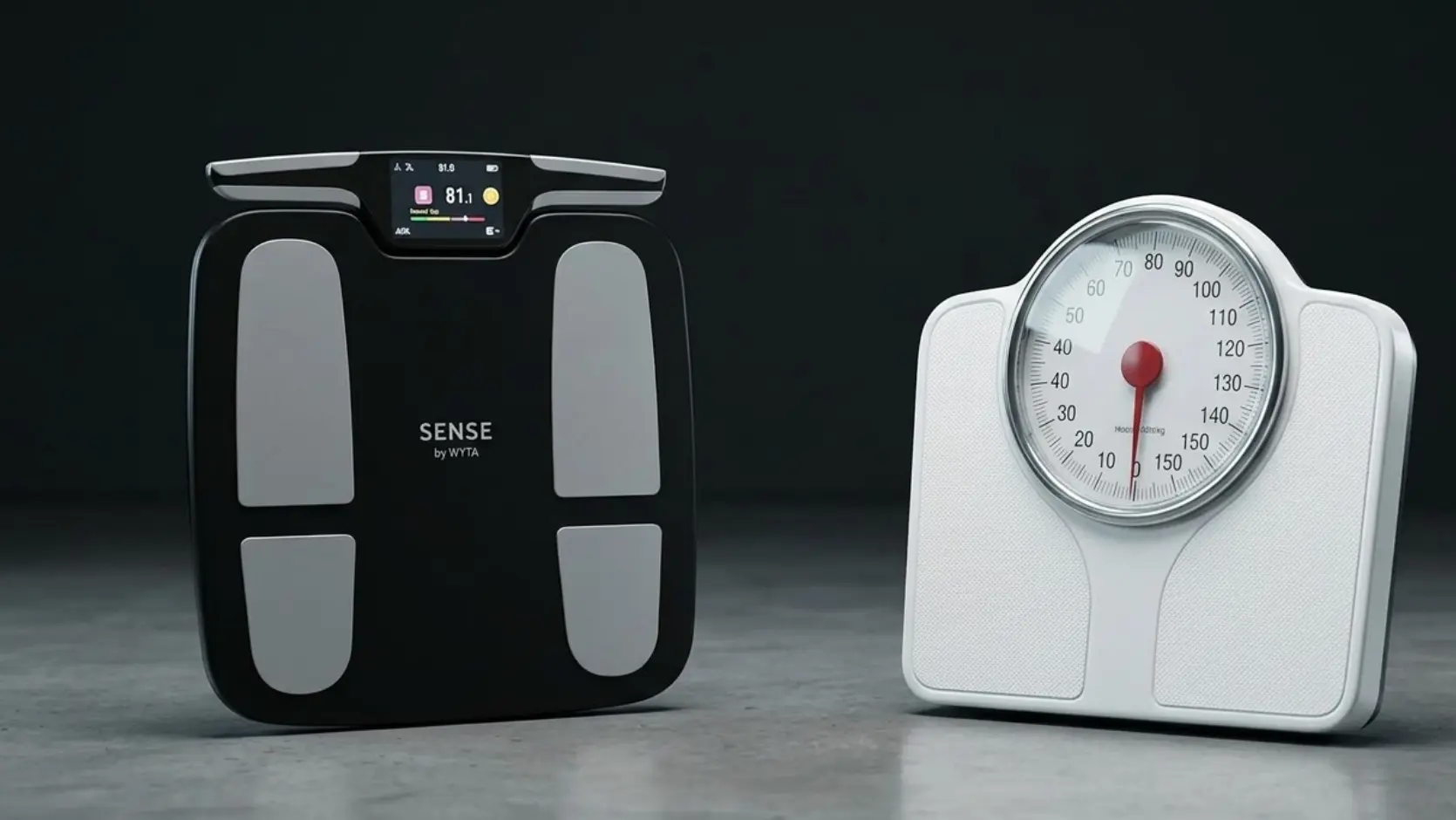
A traditional analog scale uses a spring or balance beam, translating your weight into a needle position on a printed dial. It works, but it is inherently less precise than a digital measure weight machine, and its calibration drifts as the spring ages.
Why Digital Wins on Accuracy
Digital sensors do not suffer the same wear-related drift that affects a mechanical spring over years of use, and they remove the ambiguity of reading a needle against a dial. For anyone serious about tracking their weight accurately over months and years, a digital weight scale machine is the clearly stronger choice today.
Weight Scale Machine Features That Improve Accuracy
A handful of specific features separate a genuinely accurate weight scale machine from a mediocre one, and most of them are checkable in a product listing if you know what to look for.
Calibration and Auto-Zero
Quality machines include an auto-zero step that runs briefly each time you step on, correcting for small drift before showing your final reading. This happens invisibly on well-designed models, but its absence on cheaper units often shows up as inconsistent readings between uses.
Weight Capacity Headroom
Every machine weight machine has a maximum rated capacity, and using one near or above that limit gives measurably less reliable readings while wearing out the internal sensors faster. Choosing a model with comfortable headroom above your household’s heaviest user protects both accuracy and the sensors’ long-term lifespan.
Smart Weight Machines and Body Composition Accuracy
Beyond basic weight, many modern machines estimate body fat, muscle mass and water percentage using bioelectrical impedance, adding a genuinely useful second layer of accuracy to think about.
Bioelectrical Impedance Explained
A tiny, safe electrical current passes through your body via electrodes in the platform, and because fat, muscle and water conduct that current differently, the machine estimates your composition from the resistance it measures. These estimates are less precise than the weight reading itself and shift with hydration, so they are best read as a trend over weeks rather than an exact number on any single day.
How to Measure Weight Machine Accuracy Correctly Yourself
You do not need special equipment to judge whether your own machine weight machine is behaving consistently – a simple home test tells you almost everything you need to know.
The Right Way to Weigh In
Step on and off the scale two or three times in a row without moving it, and confirm the reading stays the same each time. Then check it again the next morning under identical conditions. A scale that holds steady within these tests is one you can trust for tracking your trend over the following weeks and months.
Common Reasons a Measure Weight Machine Gives Inconsistent Readings
Most complaints about scale accuracy trace back to a handful of avoidable causes rather than a genuinely faulty device.
Battery, Surface and Standing Position
A weakening battery can distort readings before the scale fully powers down, so replacing it at the first sign of inconsistency is worth trying before assuming the hardware has failed. Standing off-centre, on an uneven surface, or shifting your weight mid-reading are the other usual suspects, and correcting any of these often resolves the problem entirely without needing a replacement.
Choosing the Best Machine for Your Household
The right weight scale machine depends on who will actually use it and why, more than on any single spec sheet number.
Personal vs Family Use
A single user wanting simple, accurate weight tracking is well served by a basic digital model with four-point sensors and a stable platform. A shared household benefits more from a higher weight capacity and, ideally, multi-user recognition so that each person’s readings stay properly separated rather than blending into one confusing history.
Maintaining Accuracy Over Time
A machine weight machine holds its accuracy for years with a small amount of basic care, and neglecting that care is the most common reason a perfectly good scale starts to seem unreliable.
Simple Habits That Protect Calibration
Keep it on a hard, flat surface, wipe it clean of dust and moisture, replace the battery before it fully drains, and store it flat rather than propped against a wall, which can stress the internal sensors. Avoid dropping it or loading it beyond its rated capacity, both of which can shift calibration sooner than expected.
Common Myths About Weight Machine Accuracy
A few misconceptions are worth clearing up.
- A higher price does not automatically mean a more accurate machine weight machine; sensor quality and calibration matter more than the number on the box.
- Daily weight fluctuations of a kilogram or two are normal and do not mean your scale is inaccurate.
- Two scales reading slightly differently from each other does not mean either one is faulty; each just needs to be internally consistent with itself.
- More decimal places on the display do not mean genuinely higher precision if the underlying sensor is not equally precise.
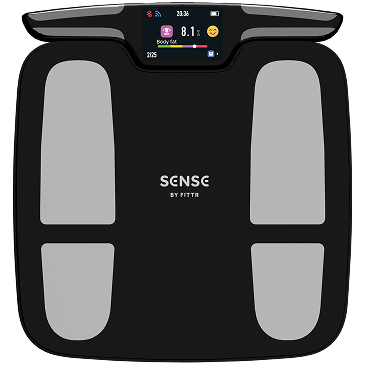
- A touchscreen or fancy display is a convenience feature, not an accuracy improvement, over a simple button-based design.
The Bottom Line
The best machine weight machine for accurate results is not necessarily the most expensive one – it is the one with quality four-point sensors, a stable platform, and habits around it that remove the everyday sources of error. Weigh on a hard flat surface, at a consistent time, and trust the trend over weeks rather than any single reading. Get those fundamentals right, and a weight scale machine becomes a genuinely dependable tool for tracking your health, whatever your specific fitness goal happens to be.
Frequently Asked Questions
What makes a machine weight machine accurate?
Quality four-point load sensors, proper calibration, a stable platform, and consistent use on a hard, flat surface all determine real-world accuracy.
Is a digital or analog weight scale machine more accurate?
Digital is generally more accurate and consistent, since electronic sensors do not suffer the calibration drift that affects an analog spring over time.
How do I check if my measuring weight machine is accurate?
Step on and off it a few times in a row to confirm the reading stays the same, and check it again the next day under identical conditions.
Why does my weight machine give different readings each time?
Usually a weak battery, an uneven surface, or standing off-centre – correcting these resolves most inconsistent-reading complaints.
Does a higher price guarantee better accuracy?
No, sensor quality and calibration determine accuracy, not price alone; a well-reviewed mid-range model can match a premium one for weight tracking.
Your Next Step
Machine weight machine, weight scale machine, or measure weight machine – whichever term you searched for, the accuracy fundamentals stay the same: quality sensors, a stable surface, and consistent daily habits. Once you’ve chosen a scale you trust, Fittr’s body fat calculator and BMR calculator can help you turn accurate readings into a real health plan.