





Battery vs Rechargeable Weighing Scales
Every digital weight scale needs power to run its sensors, processor and display, and manufacturers have settled on two main approaches: disposable batteries or a built-in rechargeable cell. Both get the same core job done, but they differ meaningfully in daily convenience, long-term cost, and environmental impact. This guide compares a battery weight scale against a rechargeable alternative across the factors that actually matter for everyday use, so you can choose confidently based on how you’ll really use your scale machine day to day.
How Each Type Works
How a Battery Weight Scale Works
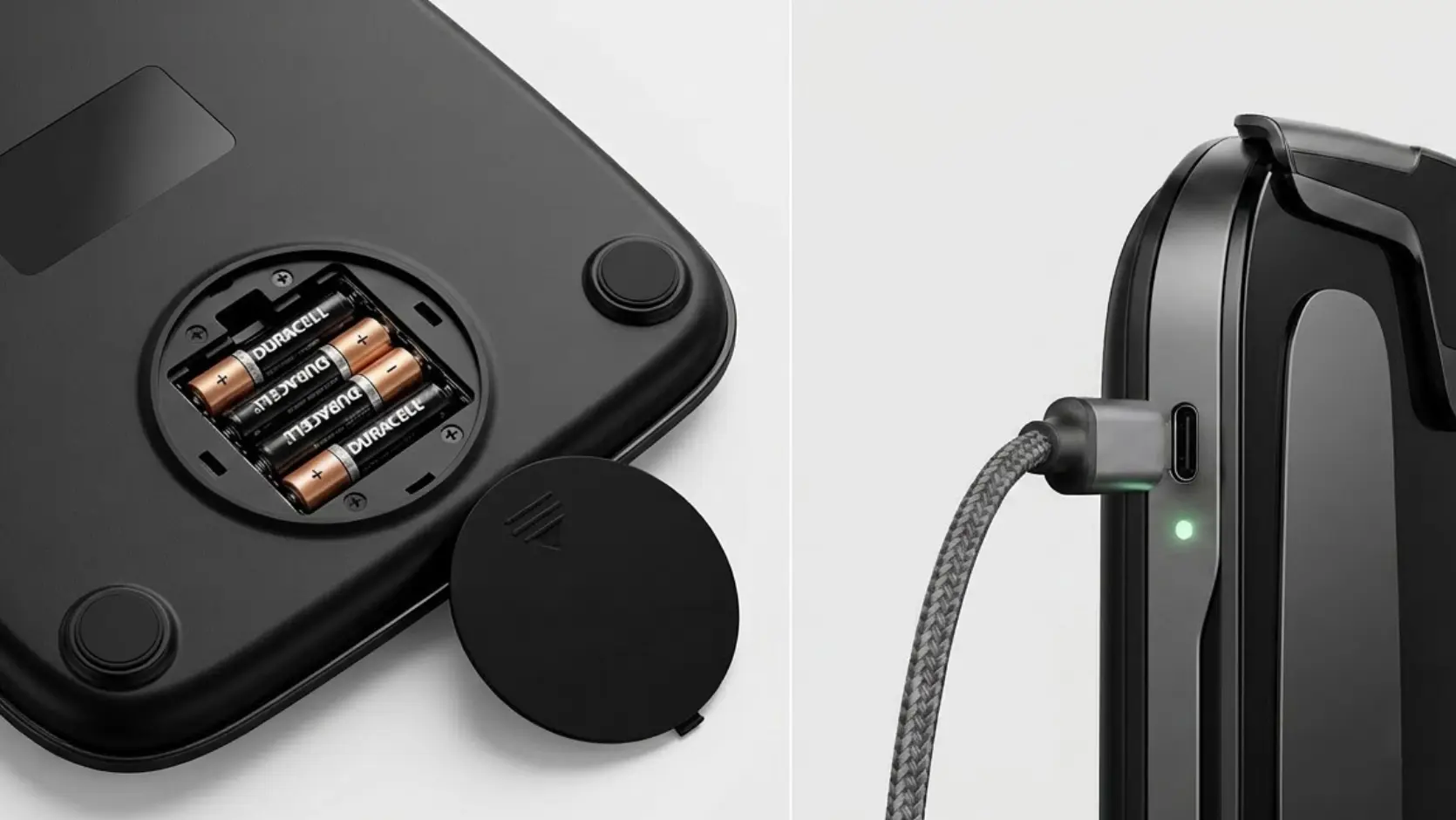
A battery weight scale typically runs on one or more standard disposable batteries – usually coin cells or AA/AAA batteries – housed in a small compartment beneath the platform. When the battery runs low, you simply replace it with a fresh one, and the scale is immediately ready to use again. Coin-cell batteries in particular last a genuinely long time in a low-power device like a bathroom scale, often a year or more of daily use before needing replacement.
How a Rechargeable Weighing Scale Works
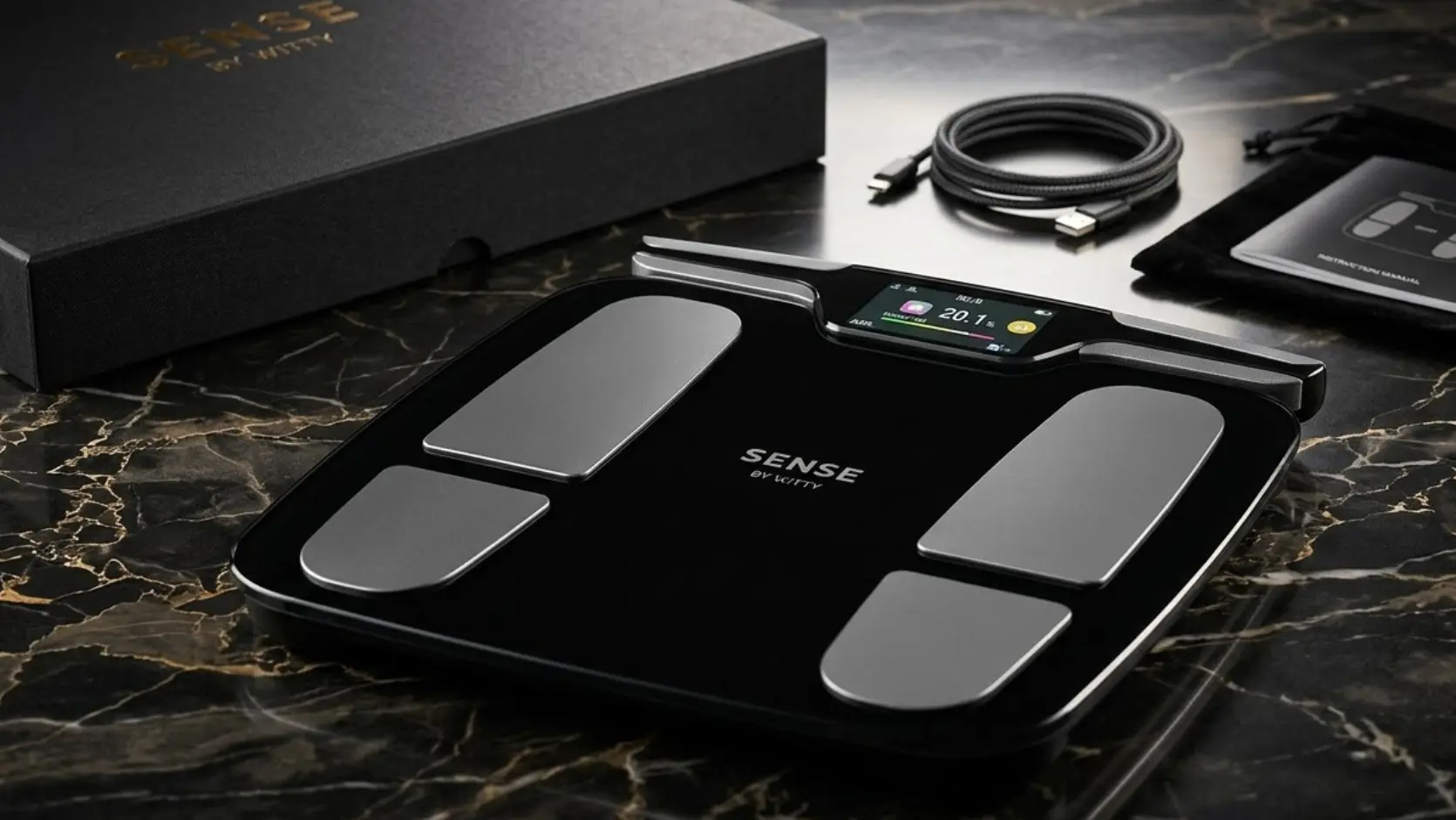
A rechargeable scale machine instead uses a built-in lithium-ion or similar battery that you top up periodically via a USB or proprietary charging cable, similar to charging a phone or a smartwatch. There’s no battery compartment to open and no disposable cells to buy or dispose of. This approach has become more common in premium smart scales, particularly ones with more power-hungry features like frequent Bluetooth syncing.
The Case For and Against Each
Battery Weight Scale: The Case For
The strongest argument for a battery weight scale is convenience through simplicity – when the battery runs low, a fresh replacement is available at any general store, and you’re back in business in seconds without needing to plan ahead for a charging session. Battery-powered digital weight scale designs also tend to have very long battery life for basic weight-only models.
Battery Weight Scale: The Case Against
The ongoing cost and waste of disposable batteries adds up over a scale’s lifetime, and running out unexpectedly – particularly for coin-cell types that aren’t always kept as spares at home – can leave your scale machine unusable at an inconvenient moment until you can buy a replacement. Environmentally, disposable batteries also contribute more waste over the scale’s life.
Rechargeable Scale: The Case For
A rechargeable digital weight scale never needs a separate battery purchase, and charging via a common USB cable is often more convenient for households that already have compatible chargers for other devices. Over the scale’s lifetime, this typically works out cheaper and generates less waste than repeated disposable battery purchases.
Rechargeable Scale: The Case Against
The main drawback of a rechargeable scale machine is the need to actively remember to charge it, and unlike a spare battery you can buy anywhere, a dead rechargeable scale is out of action until you’ve had time to plug it in and wait for it to charge. Rechargeable batteries also degrade in capacity over years of charge cycles.
Battery Life: What to Expect From Each
A basic battery weight scale with coin cells often lasts six months to a year or more between changes, since weight-only models draw very little power. A rechargeable digital weight scale with Bluetooth and frequent app syncing might need charging every few weeks to a couple of months, depending on usage frequency and battery capacity.
Cost Comparison Over the Scale’s Lifetime
A battery weight scale’s ongoing cost comes from periodic battery purchases, which are individually cheap but add up gradually over years of ownership. A rechargeable scale’s cost is mostly upfront in the higher initial purchase price, with essentially no ongoing power cost afterward beyond electricity, which is negligible.
Which Should You Choose?
If you value simplicity and never wanting to plan around a charging schedule, a battery weight scale remains a completely reasonable, low-maintenance choice. If you want to avoid buying disposable batteries and are comfortable with occasional charging, rechargeable is worth the modest premium.
Environmental Considerations
A rechargeable scale machine generates meaningfully less battery waste over its lifetime than a battery weight scale replaced repeatedly with disposable cells, since one rechargeable battery replaces what might otherwise be a dozen or more disposable batteries across the same period of ownership.
Maintenance Tips for Both Power Types
For a battery weight scale, keep a spare battery on hand so you’re never caught without a replacement, and remove the battery if storing the scale unused for a long period to prevent any leakage from damaging the internal contacts. For a rechargeable scale machine, avoid letting the battery fully drain repeatedly.
Battery Types Used in Digital Scales
Not all battery weight scale designs use the same battery type. Basic weight-only models typically use small coin-cell batteries like a CR2032, chosen for their compact size and long shelf life in low-power devices. Smart scales with more features sometimes use AA or AAA batteries instead, which offer more total capacity to support Bluetooth and more frequent processing demands.
How Manufacturers Decide Between Battery and Rechargeable
The choice between disposable battery and rechargeable design in a scale machine often comes down to the device’s power draw and intended price point. Basic scales with minimal features and infrequent processing are well-served by simple, cheap disposable batteries, keeping manufacturing costs and retail price low.
Troubleshooting Power Issues
If a battery weight scale gives inconsistent or dim readings, a weakening battery is the first thing to check and replace, since low battery voltage can genuinely distort sensor readings before the scale fully powers down. If a rechargeable scale machine won’t power on, check the charging cable and port for debris or damage before assuming the internal battery has failed.
Making the Right Choice for Your Household
For a single, basic weight-only scale used briefly each morning, a battery weight scale’s simplicity and low upfront cost make it hard to beat. For a shared smart scale used by multiple household members with frequent app syncing, a rechargeable scale machine’s larger battery capacity and lower long-term running cost become more compelling.
Power Considerations for Travel and Portable Use
For anyone who travels frequently or wants to move a scale between rooms or homes, power source matters more than it might at home. A battery weight scale is genuinely more travel-friendly in one sense – there is no cable to pack and no need to find an outlet in an unfamiliar hotel room, just a spare battery tucked into a bag if needed. A rechargeable scale machine, by contrast, needs its specific cable along for the trip, and a scale left uncharged in storage for months can arrive dead at your destination, an inconvenience a fresh battery avoids entirely for anyone weighing themselves consistently while away from home.
Long-Term Reliability Across Both Power Types
Over several years of ownership, both battery and rechargeable scale machines can develop power-related quirks worth knowing about in advance. A battery weight scale’s compartment contacts can occasionally corrode if a battery is left in too long past its life, so checking and cleaning contacts periodically extends the scale’s usable life meaningfully. A rechargeable scale’s internal cell gradually loses maximum capacity the way any lithium battery does, meaning a five-year-old rechargeable scale machine may need charging noticeably more often than it did when new, even with no other fault present.
Common Myths About Scale Power Sources
A few misconceptions are worth addressing.
- A rechargeable scale is not automatically more accurate than a battery weight scale; power source has no bearing on sensor accuracy.
- Coin-cell batteries in a basic digital weight scale typically last far longer than people expect, often a year or more between changes.
- A dying battery can cause inconsistent readings before it fully dies, which is sometimes mistaken for a scale accuracy problem.
- Rechargeable batteries do degrade over years, similar to a phone battery, and this is a normal part of long-term ownership.
- Neither power source is universally “better” – the right choice depends on your own charging and battery-buying habits.
Frequently Asked Questions
Is a battery weight scale or rechargeable scale better?
Neither is universally better – a battery weight scale offers simplicity, while a rechargeable scale machine offers lower long-term cost and less waste.
How long does a battery last in a digital weight scale?
Basic weight-only models with coin-cell batteries often last six months to a year or more between changes under normal use.
Does power source affect scale accuracy?
No, a rechargeable scale is not automatically more accurate than a battery weight scale; power source has no bearing on sensor accuracy.
How often do rechargeable weighing scales need charging?
This varies with usage and features, but smart scales with frequent app syncing often need charging every few weeks to a couple of months.
Is a rechargeable scale machine more environmentally friendly?
Generally yes, since it avoids repeated disposable battery purchases and the associated waste over the scale’s lifetime.
Power Your Progress, Your Way
Battery weight scale, digital weight scale, or scale machine – the power source is a convenience decision, not an accurate one, so choose based on your own charging and battery-buying habits rather than any performance difference. Once your scale is powered and ready, Fittr’s body fat calculator can help you put those regular readings to good use.