
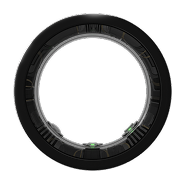

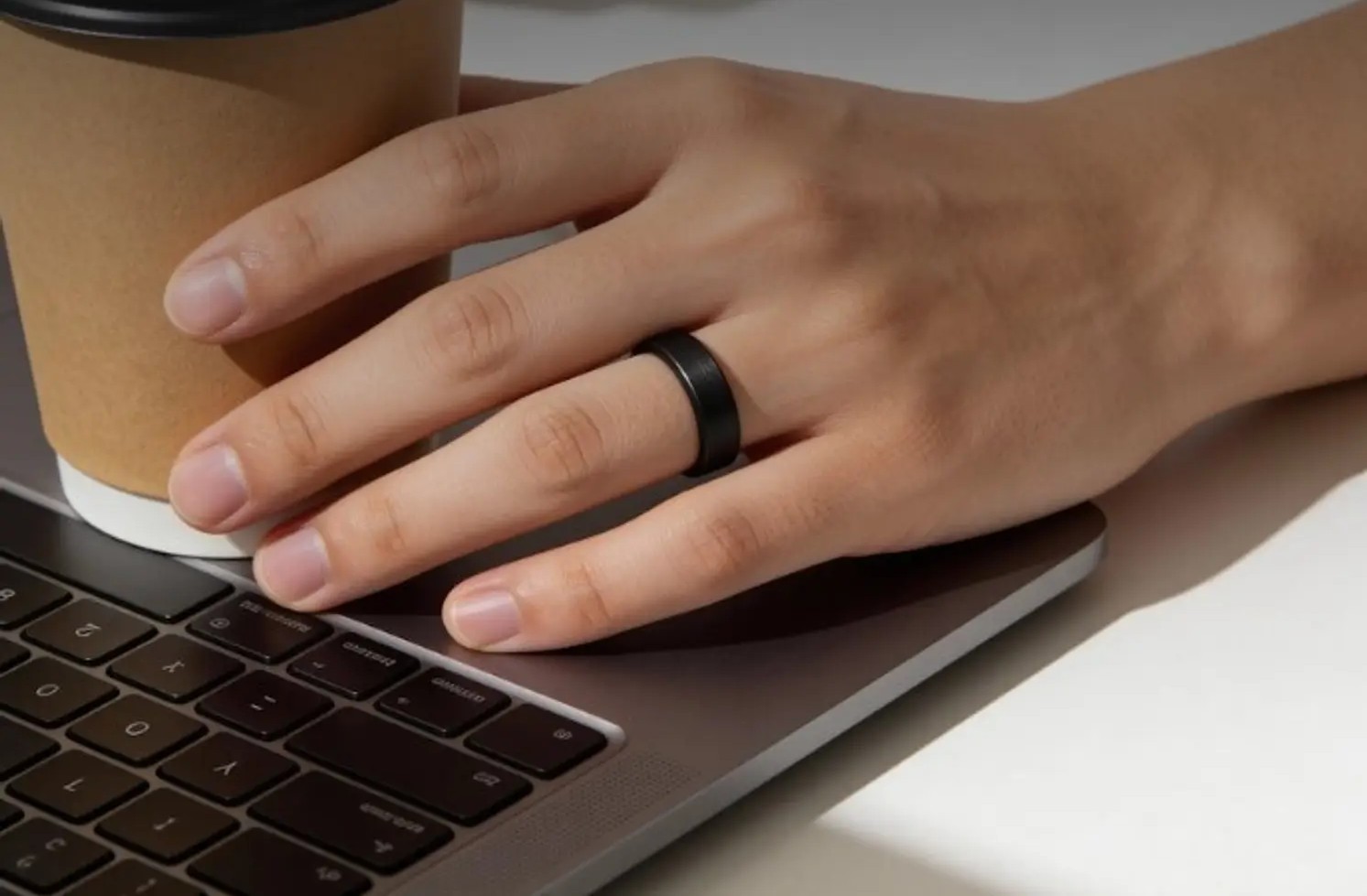
The HART ring is small enough to forget you are wearing it – but the list of what it measures is anything but small. Below is a complete breakdown of every metric the FITTR HART tracks, what each one actually tells you, and how the ring measures it from your finger, day and night. If you want the broader verdict on the ring rather than the metrics, start with our full FITTR HART ring review. This guide is the deep dive into the data itself.
Heart Rate and Resting Heart Rate
Using optical sensors that read the blood flow in your finger, the HART ring measures your heart rate continuously, including your resting heart rate overnight. Resting heart rate is one of the simplest, most powerful markers of fitness and stress – as your fitness improves, it tends to drop, and a sudden rise can signal fatigue or illness.
Heart Rate Variability (HRV)
HRV is the tiny variation in time between heartbeats, and the HART ring samples it at a high 200Hz. It is one of the best windows into your recovery and nervous-system balance: higher HRV generally means a well-recovered body, while a multi-day drop is an early warning that something – poor sleep, hard training, stress or illness – is taxing you. For a deeper look at why this specific metric matters so much, see our piece on HRV and long-term health.
Sleep and Sleep Stages
The HART ring estimates your sleep by combining movement with heart-rate variability, mapping your time in light, deep and REM sleep and reaching around 70% agreement with a clinical sleep study. To understand how rings turn sensor data into sleep stages, and how accurate that is, see our explainer on how sleep tracking rings work.
Blood Oxygen (SpO2)
The same optical sensor, calibrated specifically for the job, lets the HART ring estimate your blood-oxygen saturation. Consistent overnight dips can be worth discussing with a doctor, though these readings are best treated as wellness indicators rather than medical measurements.
Skin Temperature
The HART ring tracks your skin temperature, which is most useful as a trend rather than a single reading – a rise can hint that you are coming down with something or under-recovered. Temperature also underpins cycle insights for women.
Stress
By reading your heart rate and HRV through the day, the HART ring estimates periods of stress and calm, helping you see when your body is under load. Spotting those patterns is the first step to managing them – through training, breathing, walks or simply protecting your sleep.
Recovery and Strain
The ring combines your sleep, HRV and resting heart rate into recovery and strain insights – in plain terms, how much load your body has taken on and how ready it is for more. This is the data that tells you whether to chase a hard session today or take it easy. Our guide to evidence-based recovery strategies goes deeper into what to actually do with this signal.
VO2 Max
VO2 max is an estimate of your cardiovascular fitness – the maximum oxygen your body can use during intense exercise. Tracked over time by the HART ring, it is a useful long-term marker of whether your training is actually improving your aerobic engine, and it is closely tied to how long you are likely to live and stay functional.
Steps, Activity and Calories
A dedicated motion processor counts your steps and auto-detects activity such as walking, running or exercising, while a custom algorithm estimates the calories you burn from both movement and cardiac data. Those calorie estimates are most useful alongside your overall energy needs – your total daily energy expenditure.
Readiness: How It All Comes Together
Individually, these metrics are useful; together, they tell a story. The HART ring connects your sleep, HRV, resting heart rate and temperature into a daily sense of how ready your body is – so a rough night, a stressful week or an oncoming illness shows up before you consciously feel it, and you can adjust.
What a Ring Can’t Track: Body
sensitive, early read on how your body is coping. Learn your HRV pattern and you effectively get a few days of warning on the days you should ease off.
Composition
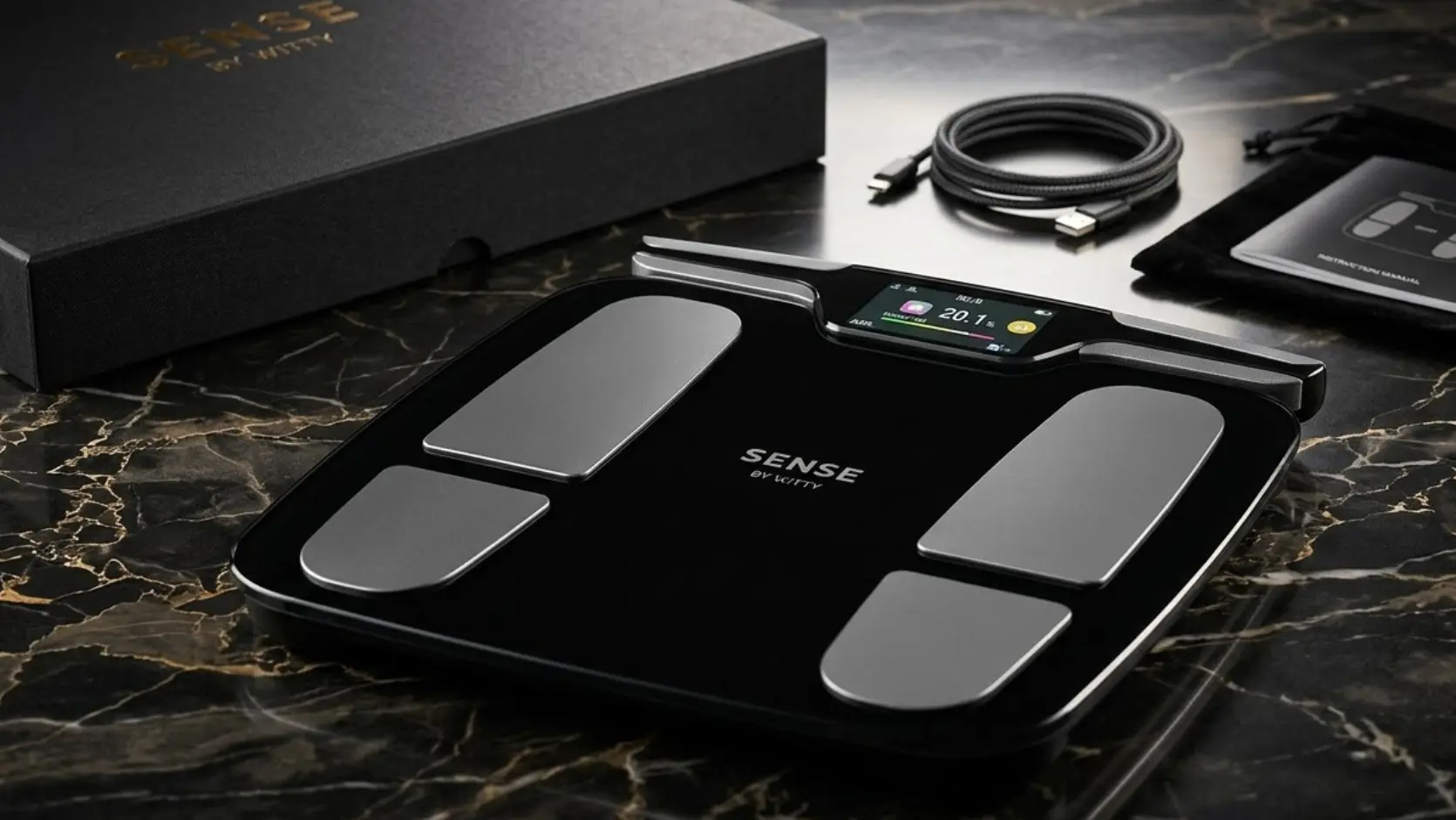
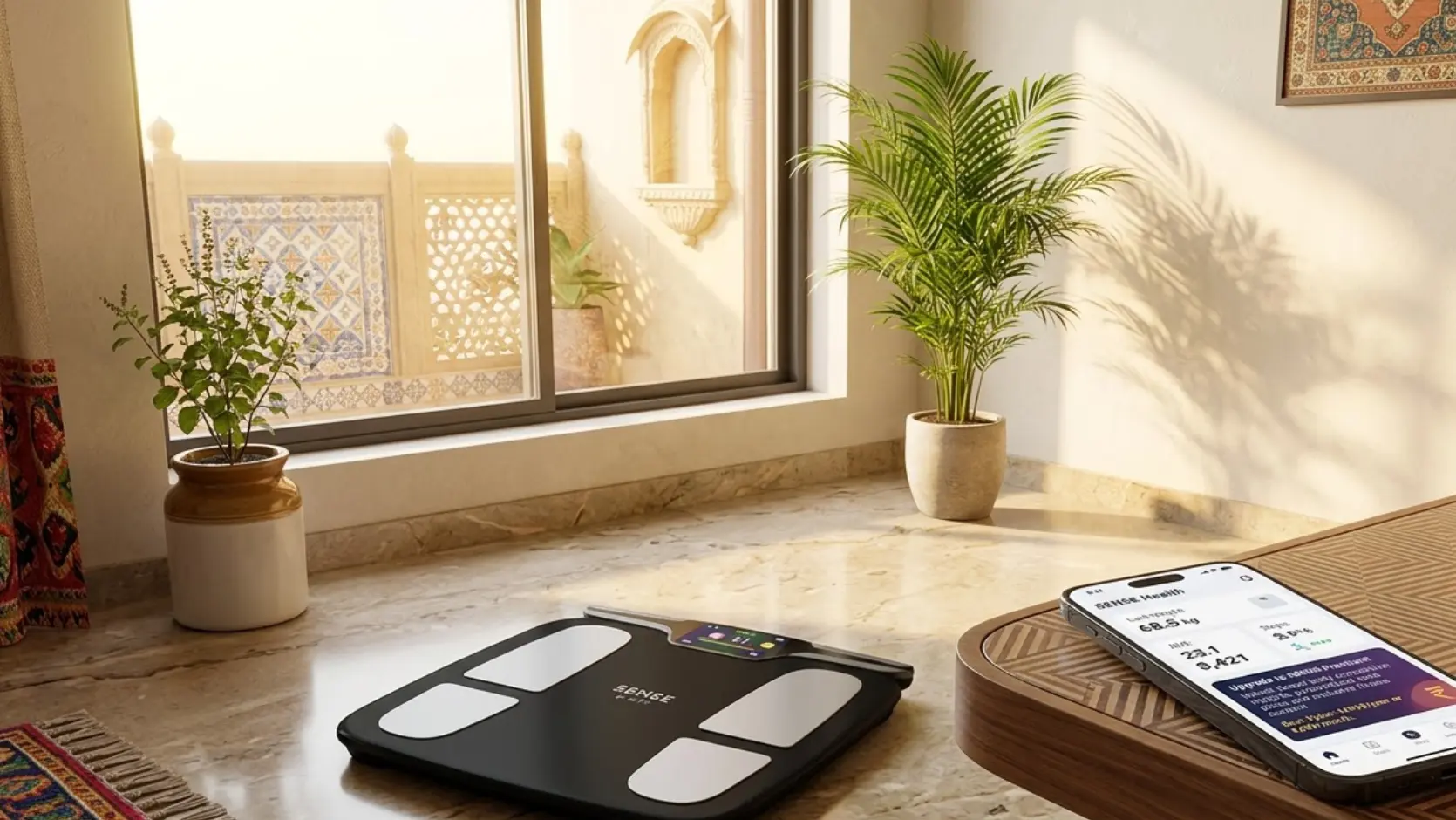
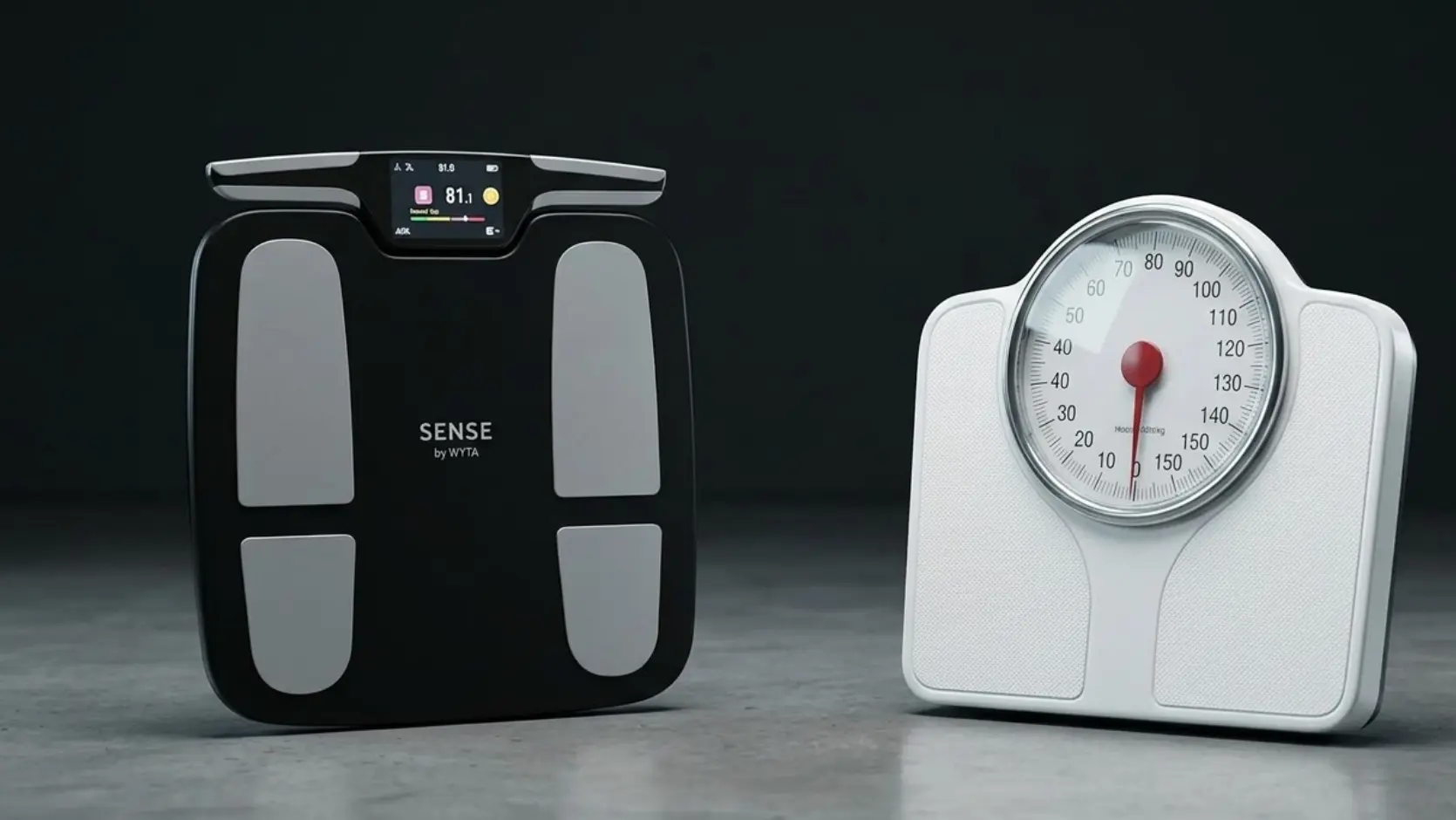
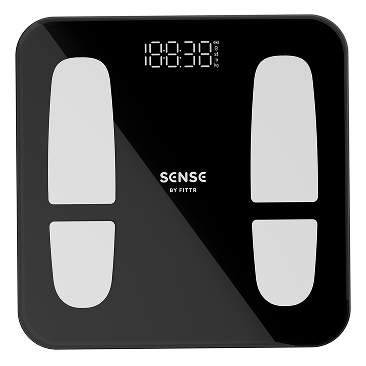
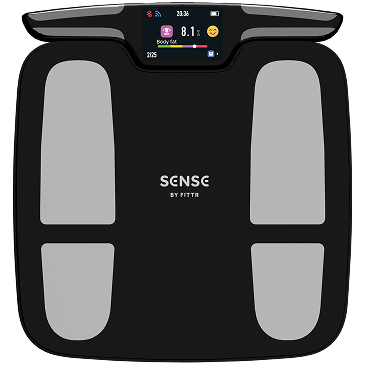
For all it measures, a ring tracks how your body is functioning, not what it is made of. It will not show body fat, muscle mass or visceral fat. For that, pair it with a smart scale like FITTR Sense, and you cover both function and composition.
How the HART Ring Measures All This
It is worth understanding how so much comes from one small band. Three sensor types do the work: optical sensors shine light into your finger and read the blood flow for heart rate, HRV and blood oxygen; a motion processor tracks movement for steps, activity and sleep; and a thermistor reads skin temperature. A low-power chip does the first round of processing on the ring itself, then syncs to the FITTR app, where algorithms turn the raw signals into the readable scores and trends you actually use.
Trends Over Single Readings
One principle ties every metric together: read the trend, not the dot. Any single reading is nudged by hydration, timing, a late meal or a hard workout, so a one-off high or low rarely means much. What matters is the direction of travel over days and weeks – a steadily rising HRV, a falling resting heart rate, a creeping temperature. The HART ring is built to surface these trends, and that is where the genuine insight lives.
The One Metric Most People Underrate
If there is a single number worth watching, it is HRV. It is the earliest mover of the bunch – dropping before you feel tired, ill or overtrained – and because the HART samples it at 200Hz, it gives you a
Which Metrics Matter for Your Goal
Not every metric deserves equal attention; it depends on what you are chasing:
- For fat loss – lean on sleep, recovery and activity, and
pair the ring with a scale for body composition.
- For building fitness – watch VO2 max climb and resting heart rate fall over months as your engine improves.
- For managing stress – follow HRV and the stress metric, and use them to time rest and recovery.
- For general health and longevity – resting heart rate, HRV and sleep are your core dashboard.
What Counts as a Normal Range?
A common question is what counts as good. The honest answer is that it is personal: HRV varies enormously between people, so your trend against your own baseline matters far more than compar
ing to anyone else. As rough orientation, a lower resting heart rate generally reflects better fitness, a higher HRV generally reflects better recovery, and 7 to 9 hours of quality sleep supports both. The ring’s job is to show you your normal and flag when you drift from it.
Putting Your Data to Work
Metrics only help if they change what you do. A low readines
s score is a cue to take the lighter session or an extra rest day; a multi-day HRV decline is a prompt to look at sleep, stress and training load; a rising temperature trend is a nudge to rest before a bug takes hold. The most successful ring users build small habits around these signals – easing off when the body asks for it and pushing when it is ready – rather than collecting numbers for their own sake.
Activity and Auto-Detection
On the movement side, the HART ring does more than count steps. Its motion processor recognises activity automatically, so a brisk walk, a run or a workout is picked up without you starting and stoppi
ng anything manually. That hands-off approach suits the way a ring is worn – always on, never fussed with – and it means your daily activity picture builds itself in the background rather than relying on you to log every session.
Strain and Recovery: The Balance
Two of the ring’s most useful outputs work as a pair. Strain reflects the load you have put on your body – training, stress, poor sleep – while recovery reflects how well you have bounced back. Health, in simple terms, is keeping those two in balance over time. Chronically high strain with low recovery is the recipe for burnout and injury; the ring’s job is to make that imbalance visible early, while you can still do something about it.
Reading It All in the FITTR App
The ring gathers the signals, but the FITTR app is where they become meaningful. Raw heart rate, movement and temperature data are translated into clear scores, daily summaries and long-term trends, so you are not left interpreting numbers yourself. The app is also where the metrics connect – sleep feeding recovery, recovery shap
ing readiness – which is what turns a pile of data points into a single, useful story about your day.
Who Benefits Most From This Data
This depth of tracking rewards a wide range of people. Athlet
es and lifters use it to train and recover smarter; busy professionals use it to manage stress and protect sleep; anyone focused on long-term health uses resting heart rate, HRV and sleep as an early-warning dashboard. The common thread is a willingness to act on the trends – the data is only as valuable as the small decisions it informs.
From Numbers to Habits: An E
xample Day
To see how the metrics connect, picture an ordinary day. You wake and the app shows a middling recovery score after a late night, so you swap a planned hard session for an easy walk. Through the workday, the stress metric ticks up around back-to-back meetings, a cue to take a short break and breathe. That evening you eat earlier and get to bed on time; the next morning, recovery is back in the green and your readiness is high, so you train hard. No single number drove those choices – the ring simply made the patterns visible enough to act on.
A Note on Privacy and Your Data
Because a ring gathers sensitive health information, it is reasonable to ask where it goes. With the HART, your data syncs to the FITTR app, and its usefulness grows the longer you wear the ring, a
s it builds a richer personal history to compare against. As with any health wearable, it is worth taking a moment to review the app’s privacy settings so you are comfortable with how your information is stored and used – good data habits are part of getting value from the device.
Start Simple, Then Go Deeper
If all of this feels like a lot, start simple. For the first few
weeks, watch just three things – your sleep, your recovery score and your resting heart rate – and let the rest fade into the background. Once those feel familiar, fold in HRV and temperature. The ring captures everything from day one, so there is no rush; you can grow into the data at your own pace and still get real value from the basics straight away. The goal is insight you act on, not a dashboard you feel obliged to study.
Frequently Asked Questions
What does the HART ring measure?
HRV, heart rate, resting heart rate, sleep and sleep stages, blood oxygen, skin temperature, stress, recovery, strain, VO2 max, steps, calories and activity.
Does the HART ring track HRV?
Yes, at a high 200Hz sampling rate, which it uses to inform your recovery and stress insights.
Does the HART ring track blood oxygen?
Yes, using its optical sensor calibrated to monitor your blood oxygen (SpO2) levels.
Does the HART ringtrack body temperature?
Yes, it tracks your skin temperature trends, which feed into recovery and readiness.
Does the HART ring track steps and calories?
Yes. A dedicated motion processor counts steps and auto-detects activity, and a custom algorithm estimates calories from your movement and cardiac data.
Know What Your HART Ring Can Do
From HRV at 200Hz to sleep, temperature, recovery and VO2 max, the hart ring – or fittr hart, as some search for it – turns your finger into a remarkably complete health sensor, provided you wear it consistently and read the trends rather than any single day’s number. For the full verdict alongside this metric breakdown, our FITTR HART ring review covers design, comfort, accuracy and value in one place.