





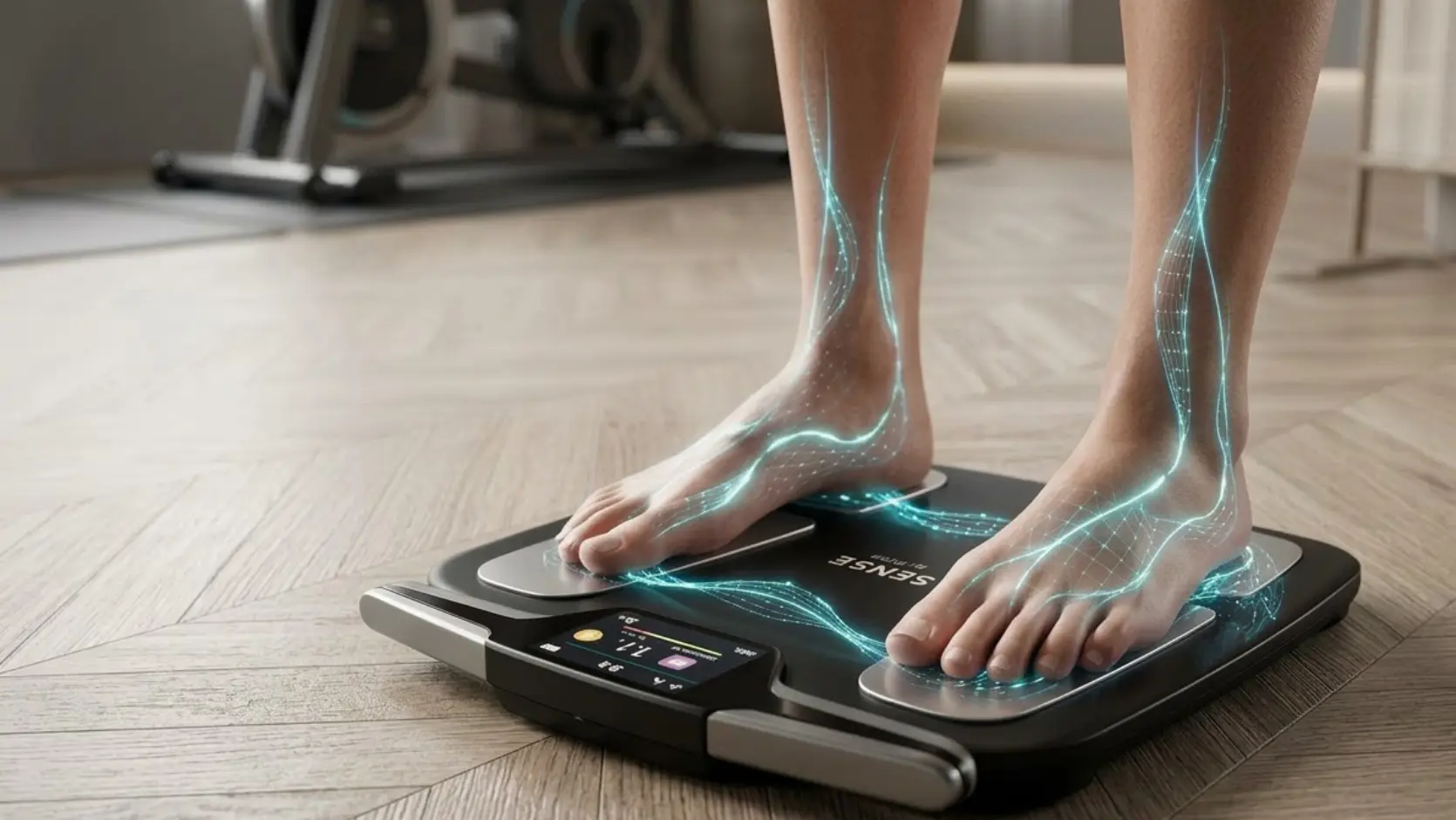
BCA stands for Body Composition Analysis, and a bca machine is simply a device that measures what your body weight is actually made of – fat, muscle, water and bone – rather than giving you a single undifferentiated weight figure. This guide answers the basic “what is it” question in plain terms, covering how a body composition test works, what the resulting body analysis numbers mean, and where you’re likely to encounter this technology in everyday life.
Where You’ll Encounter a BCA Machine
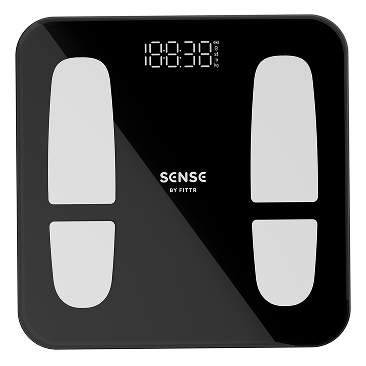
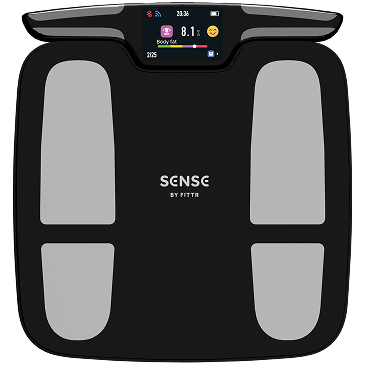
A bca machine shows up in several common settings: gym check-in areas offering a quick body analysis as part of membership onboarding, clinics and hospitals using more detailed clinical-grade devices for patient monitoring, and increasingly, inside ordinary smart bathroom scales. Regardless of setting, the underlying principle stays the same – a safe, low-level electrical signal passes through your body, and the machine interprets how that signal is resisted.
How a Body Composition Test Actually Works
During a body composition test, you typically stand on a platform with foot electrodes, sometimes also holding handgrips for a full-body reading. A small, imperceptible electrical current passes through your body, and because fat, muscle and water conduct electricity differently, the bca machine measures resistance and calculates its estimates from that data.
What Your Body Analysis Results Mean
A typical bca machine body analysis reports several figures beyond weight: body fat percentage, showing what portion of your weight is fat tissue; skeletal muscle mass, your lean tissue weight; and body water percentage, reflecting hydration status alongside overall composition. More advanced machines also report bone mass and a visceral fat rating.
Is a BCA Machine Accurate?
A bca machine’s readings are estimates, not lab-precise measurements, since bioelectrical impedance is an indirect method affected by hydration, recent exercise, and timing of your last meal. What a bca machine does reliably well is track your own trend over time, provided you test under consistent conditions.
Preparing for a Body Composition Test
For the most reliable body analysis results, test first thing in the morning before eating or drinking, avoid intense exercise in the hours beforehand, and ensure bare feet make full contact with the platform electrodes rather than standing on socks or at the platform’s edge.
BCA Machine Results Over Time
The real value of regular body composition test data comes from watching the trend rather than fixating on any single reading. A steady downward trend in fat percentage alongside stable or rising muscle mass over several weeks is genuinely meaningful progress.
Gym vs Home BCA Machine Testing
A gym’s bca machine, often a more advanced multi-frequency device with handgrip electrodes, generally offers more detailed and precise body analysis than a basic home smart scale using foot-only electrodes. This makes periodic gym testing a useful complement to more frequent home tracking.
Common Concerns About BCA Machine Safety
The electrical current used in any bca machine is extremely low and completely imperceptible to the vast majority of users. Manufacturers generally advise against use during pregnancy or by people with certain implanted medical devices like pacemakers, purely as a standard precaution.
BCA Machine Terminology Around the World
While “bca machine” and “body composition analysis” are the most common English terms, you’ll also see related phrases like body composition analyser, body composition monitor, or simply smart scale used interchangeably depending on the brand and region.
Who Should Consider Regular BCA Testing
Regular body composition test tracking is particularly useful for anyone with a specific fat-loss, muscle-gain, or recomposition goal, since it answers the question a simple scale cannot: is your weight change coming from fat or muscle?
What a BCA Machine Cannot Tell You
Despite its usefulness, a bca machine has real limits – it cannot diagnose medical conditions, cannot replace bloodwork or clinical assessment for health concerns, and its composition estimates remain approximations rather than precise measurements.
BCA Machine Reports: Reading a Printed Result
Gym and clinic bca machine systems often print a physical results sheet after each body composition test, showing your current figures alongside a comparison to your previous visit if you’ve tested before. Learning to read this report correctly – focusing on the change columns rather than just the absolute numbers – helps you interpret progress accurately.
Interpreting Reference Ranges Sensibly
Most printed bca machine reports include reference ranges for each metric, showing where your results sit compared to general population norms for your age and gender. These ranges are a useful general guide but shouldn’t be treated as strict targets, since healthy composition varies considerably based on individual training history, body frame, and personal goals – a competitive strength athlete and a marathon runner can both be genuinely healthy while sitting at very different points on the same reference chart, simply because their training has shaped their bodies toward different, equally legitimate outcomes.
Combining BCA Data With How You Actually Feel
The most useful way to read bca machine output is alongside, not instead of, how you feel, perform and look day to day. A week where body composition figures look flat but your strength in training is climbing and your energy feels noticeably better is not a contradiction worth worrying over – it is simply a reminder that a body composition test captures one dimension of progress among several genuinely important ones. Holding the numbers with a light grip, as useful information rather than the single verdict on whether your effort is paying off, is what keeps regular BCA testing a sustainable long-term habit.
Common Myths About BCA Machines
A few misconceptions deserve a direct correction.
- A bca machine does not measure fat directly; it estimates it indirectly from electrical resistance, which is why results shift with hydration.
- A single body composition test result is not a diagnosis; the multi-week trend is what actually reveals meaningful change over time.
- Home and gym bca machine devices are not identical in precision, though both are useful for different purposes and testing frequencies.
- Body analysis is not only for athletes or bodybuilders; it’s useful for anyone with a general health or fitness tracking goal.
- A bca machine reading differing between two visits doesn’t always mean your body changed significantly; normal daily fluctuation is expected.
Frequently Asked Questions
What does BCA stand for?
BCA stands for Body Composition Analysis, and a bca machine measures your body’s makeup of fat, muscle, water and bone rather than just total weight.
How does a body composition test work?
A small, safe electrical current passes through your body via electrodes, and the machine measures resistance to estimate fat, muscle and water content.
Is a bca machine safe to use?
Yes, the electrical current is extremely low and imperceptible, though those with pacemakers or who are pregnant should check specific device guidance first.
How accurate is body analysis from a bca machine?
It’s an estimate affected by hydration and timing, but reliable enough to track your own trend consistently when tested under similar conditions.
Should I test on a gym or home bca machine?
Both are useful – gym devices often offer more detail periodically, while home testing supports convenient, frequent trend tracking between visits.
Go Beyond Weight, Know Your Body.
BCA machine, body composition test, or body analysis – all point to the same core idea: understanding what your weight is actually made of, using a safe electrical signal to estimate fat, muscle and water beyond a simple scale reading. To put your results into a plan, Fittr’s body fat calculator can help you act on the trends your bca machine reveals.