



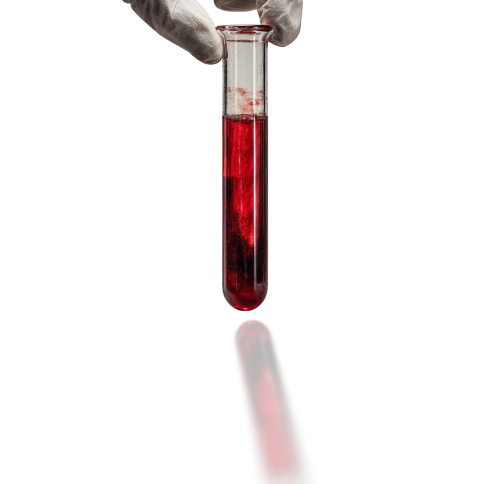

Uric acid is a waste product formed when the body breaks down purines – compounds found in certain foods and produced naturally during cell turnover. Under normal conditions, uric acid dissolves in the blood, is filtered by the kidneys, and excreted in urine. Problems begin when the body produces too much or the kidneys excrete too little.
When uric acid accumulates – a condition called hyperuricemia – it can form sharp needle-like crystals in joints and tissue. A 2023 Indian study found hyperuricemia in 32.7% of adults above 30. Beyond gout, elevated uric acid is linked to cardiovascular disease, hypertension, and kidney damage.
fittr.com/labs/full-body-checkup-test-kharadi-pune/
What Causes Uric Acid to Rise?
Dietary Factors
High-purine foods: red meat, organ meats, shellfish, sardines, anchovies
Alcohol – especially beer, which both increases purine breakdown and reduces kidney excretion
Fructose-sweetened drinks and processed foods
Crash dieting or prolonged fasting, which triggers rapid cell breakdown
Medical Conditions
Chronic kidney disease – impairs uric acid excretion
Type 2 diabetes and metabolic syndrome
Obesity – particularly abdominal obesity
Hypertension and hypothyroidism
Medications
Low-dose aspirin, diuretics, certain TB medications (ethambutol, pyrazinamide)
Normal Uric Acid Range
Men: 3.5-7.2 mg/dL | Women: 2.6-6.0 mg/dL. Hyperuricemia: above 7.0 mg/dL (men), above 6.0 mg/dL (women). Crystal deposition threshold: approximately 6.8 mg/dL.
What Do High Levels Do to the Body?
Gout
Uric acid crystals depositing in joints cause sudden severe pain, swelling, and redness – most commonly in the big toe, ankle, or knee. India has 5.32 million prevalent gout cases (PLOS ONE, 2021), and the burden is rising with changing dietary patterns.
Kidney Stones
Approximately 10-15% of kidney stones are composed of uric acid crystals. Unlike calcium oxalate stones, uric acid stones can sometimes be dissolved with medication.
Cardiovascular Risk
A large-scale meta-analysis (ScienceDirect, 2023) found hypertension risk increases by 13% per 1 mg/dL rise in serum uric acid. Elevated uric acid is also independently associated with coronary artery disease and stroke.
Chronic Kidney Disease
Uric acid crystals can deposit directly in kidney tissue, causing progressive damage. Chronic hyperuricemia accelerates kidney function decline.
Who Should Get a Uric Acid Test?
- Adults above 30 with diet high in red meat, seafood, or alcohol
- Anyone with gout or unexplained joint pain
- People with kidney stones
- Individuals with obesity, metabolic syndrome, or diabetes
Frequently Asked Questions
Q1. What is the normal uric acid level in blood?
Normal serum uric acid is 3.5 to 7.2 mg/dL for men and 2.6 to 6.0 mg/dL for women. Hyperuricemia is defined as above 7.0 mg/dL in men and above 6.0 mg/dL in women. The threshold at which uric acid crystals begin depositing in joints is approximately 6.8 mg/dL.
Q2. What causes uric acid to increase?
Uric acid rises when the body produces too much or the kidneys excrete too little. Most common causes: diet high in purines (red meat, organ meats, shellfish), excessive alcohol especially beer, fructose-sweetened drinks, obesity, type 2 diabetes, chronic kidney disease, and medications including diuretics and low-dose aspirin.
Q3. What are the symptoms of high uric acid?
High uric acid often causes no symptoms – called asymptomatic hyperuricemia. When symptoms occur, the most common is gout: sudden severe joint pain, swelling, redness in the big toe, ankle, or knee. High uric acid can also cause kidney stones and, over time, contributes to cardiovascular and kidney disease.
Q4. What foods should I avoid if my uric acid is high?
Foods that significantly raise uric acid: red meat, organ meats (liver, kidney), shellfish and sardines, beer and spirits, and processed foods with high-fructose corn syrup. Reducing these and drinking at least 2.5 to 3 litres of water daily helps lower levels naturally.
Q5. Where can I get a uric acid test done in Pune?
Uric acid testing is included in the kidney function test panel at FITTR Labs, available with home blood sample collection across all 10 Pune locations including Kharadi, Hadapsar, Viman Nagar, Wagholi, Kalyani Nagar, Magarpatta, Mundhwa, Koregaon Park, Yerawada, and Shivajinagar.
Q6. Is high uric acid dangerous even without gout symptoms?
Yes. Asymptomatic hyperuricemia still carries health risks. A 2023 meta-analysis found hypertension risk increases by 13% per 1 mg/dL rise in serum uric acid. Elevated uric acid independently increases risk of cardiovascular disease, kidney disease, and kidney stones even without gout.
You can book your test at: https://fittr.com/labs/