




Walk into any store selling weighing equipment and you’ll find a genuinely wide range of weighing scales, from simple mechanical designs to fully connected smart devices. Understanding the core categories makes choosing the right one for your specific need far easier than comparing individual products blind. This guide breaks down the main types of weighing scales you’re likely to encounter, how each works, and which situations each type genuinely suits best.
The 3 Types of Weighing Scales by Mechanism
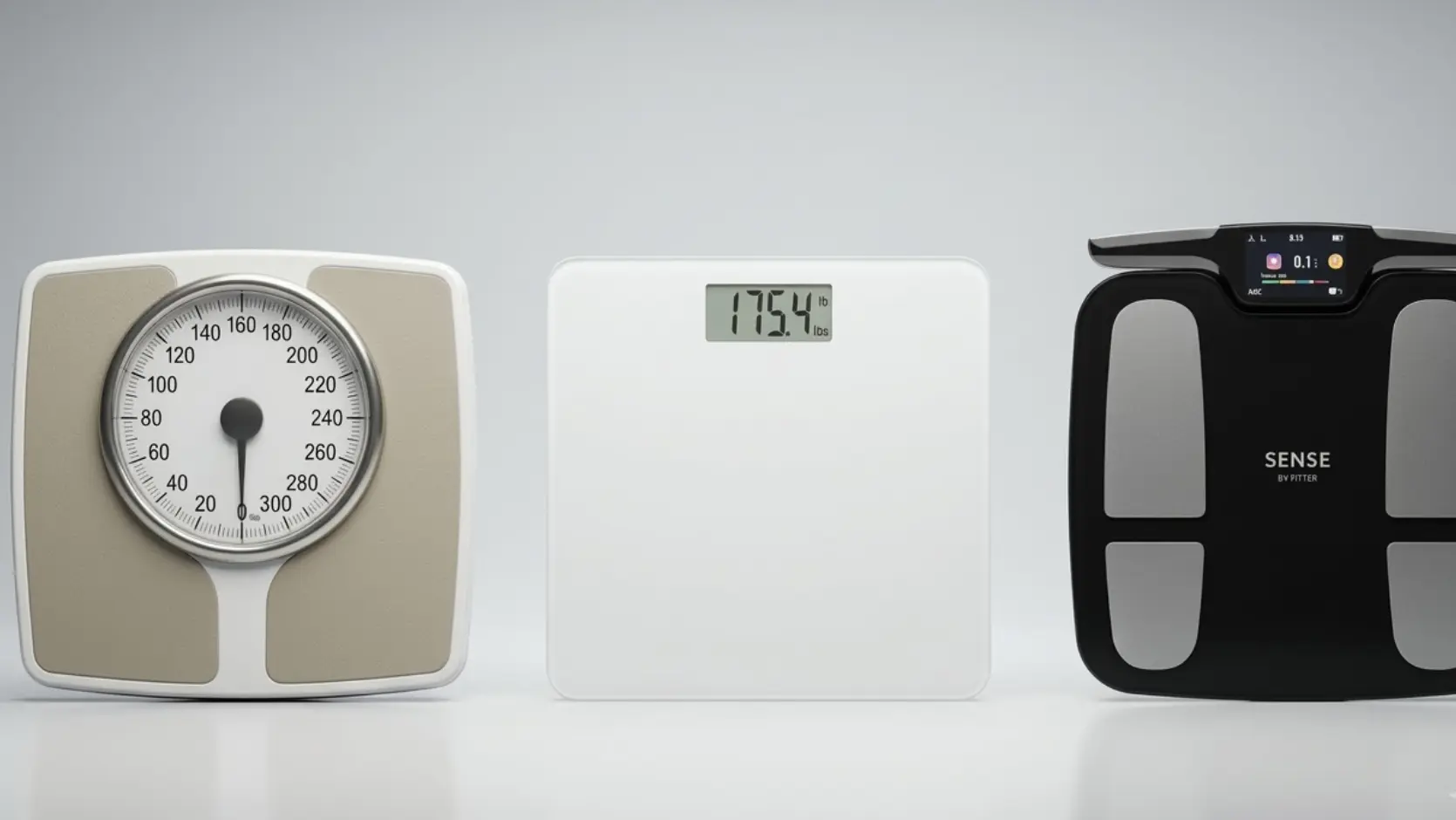
At the broadest level, the 3 types of weighing scales by underlying mechanism are mechanical, digital electronic, and hybrid designs that combine elements of both. Each represents a different generation of weighing technology, with mechanical being the oldest and digital electronic being the current standard.
Mechanical Scale: The Traditional Design
A mechanical scale uses a physical spring or balance beam to measure weight, moving a needle across a printed dial with no batteries or electronics involved anywhere in the process. Mechanical scale designs offer genuine simplicity and no battery dependency, but trade away precision and readability compared to digital alternatives.
Digital Electronic Scales: The Modern Standard
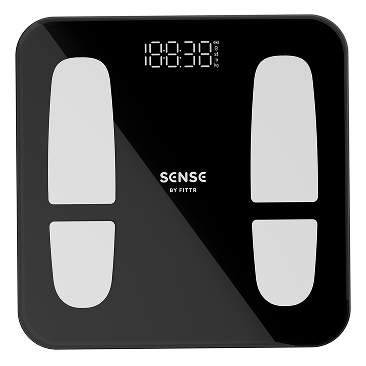
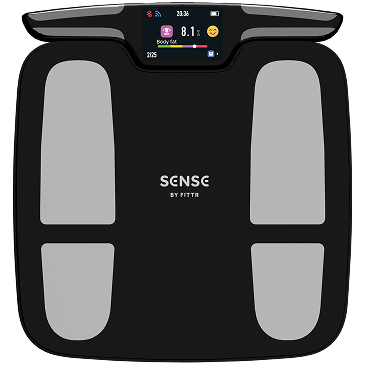
Digital electronic scales use load cell sensors and a processor to convert weight into a precise numeric display, representing the current standard among the kinds of weighing scale available today. This category itself splits further into basic weight-only models and smart, body-composition-tracking versions.
Hybrid and Specialised Weighing Scale Types
Beyond the two main categories, some specialised kinds of weighing scale combine elements of both, or serve specific purposes: hanging scales for luggage or produce, platform scales for industrial or commercial capacity, and precision laboratory scales for scientific measurement requiring extremely fine increments.
Weighing Scales by Intended Use
Beyond mechanism, the kinds of weighing scale also split meaningfully by intended use: personal body-weight scales, kitchen scales for cooking and baking, commercial trade scales for shops and markets, and industrial scales for manufacturing and logistics.
Comparing the 3 Types of Weighing Scales on Accuracy
Among the 3 types of weighing scales, digital electronic designs generally offer the best combination of accuracy and consistency, since electronic sensors avoid the gradual spring-wear drift that affects mechanical designs over years of use.
Choosing the Right Kind of Weighing Scale for You
Start by identifying your actual use case – personal body weight, kitchen measurement, or something more specialised – before comparing specific kinds of weighing scale within that category. This narrows the realistic options considerably.
Mechanical Scale Use Cases That Still Make Sense
Despite digital’s advantages, a mechanical scale still suits specific situations: as a reliable backup that never needs charging, in settings where battery access is genuinely inconvenient, or for buyers who simply prefer a mechanical interface.
Spring Scales vs Balance Beam Mechanical Designs
Within the mechanical scale category itself, there’s a further useful distinction worth knowing: spring-based designs, common in household bathroom scales, versus balance-beam designs, familiar from doctor’s offices, which use sliding counterweights along a calibrated bar.
Smart Scales as a Distinct Sub-Category
Within digital electronic scales, smart connected models deserve their own mention as a genuinely distinct sub-category among the kinds of weighing scale, since they add body composition tracking and app connectivity on top of the basic digital weighing function.
How Weighing Scale Types Have Evolved Over Time
The kinds of weighing scale available today reflect a long evolution – from simple balance beams used in ancient trade, through spring-based mechanical designs of the twentieth century, to today’s digital electronic and smart connected options.
Where to Buy Different Weighing Scale Types
Specialised kinds of weighing scale, like laboratory or industrial equipment, are typically sourced through dedicated equipment suppliers rather than general retail, while personal and kitchen scales are widely available through ordinary online marketplaces and electronics stores.
Matching Precision Requirements to Scale Type
Different weighing scale types genuinely need different precision, and understanding this prevents both overspending and choosing something unsuited to the task. A body-weight scale reading in roughly 100-gram increments is entirely adequate for tracking your own trend over weeks, while a laboratory scale weighing chemicals or a jeweller’s scale weighing precious metals needs precision measured in milligrams, a fundamentally different requirement no body-weight scale design could ever reasonably meet regardless of its price point.
Why the Category Matters More Than the Model
When shopping among the kinds of weighing scale, it is worth remembering that the category-level decision – mechanical versus digital, personal versus commercial, basic versus smart – usually matters more to your outcome than which specific model within that category you eventually choose. A well-reviewed mid-range option in the right category will typically serve you better than a premium model in the wrong one, which is why working through the category decisions first, before comparing specific listings, tends to produce a more satisfying purchase.
Common Myths About Weighing Scale Types
A few misconceptions are worth clearing up.
- A mechanical scale isn’t automatically more accurate or “honest” than digital; both types can drift or malfunction under different circumstances.
- The 3 types of weighing scales by mechanism don’t map directly to price; a mechanical scale isn’t always cheaper than a comparable digital one.
- Specialised weighing scale types like laboratory or industrial scales aren’t relevant to typical household buying decisions.
- A digital electronic scale isn’t automatically “smart”; many digital models are simple weight-only devices without app connectivity.
- Choosing among the kinds of weighing scale should be driven by your actual use case, not simply picking the most feature-rich option available.
Frequently Asked Questions
What are the main kinds of weighing scale?
The main categories are mechanical scales, digital electronic scales, and specialised or hybrid types built for specific purposes like laboratory use.
What are the 3 types of weighing scales by mechanism?
Mechanical, digital electronic, and hybrid designs that combine elements of both represent the three broad mechanism-based categories.
Is a mechanical scale still worth buying today?
It can be, specifically for buyers prioritising simplicity and no battery dependency over the precision and features digital scales offer.
Which kind of weighing scale is most accurate?
Digital electronic scales generally offer the best accuracy and consistency, since they avoid the wear-related drift common in mechanical designs.
How do I choose the right kind of weighing scale for my needs?
Start by identifying your use case – personal, kitchen, or specialised – then decide between mechanical and digital based on your priorities.
Choose the Right Scale, Reach the Right Goals
Kinds of weighing scale, the 3 types of weighing scales, or simply comparing mechanical scale against digital options – whichever framing brought you here, matching the category to your actual use case is the real key decision. For personal body-weight tracking specifically, Fittr’s body fat calculator can help you make the most of whichever type you choose.