





Vitamin B12 is found almost exclusively in animal-source foods. For the approximately 40% of India’s population that follows a primarily vegetarian diet, this is a nutritional challenge with well-documented consequences. Multiple studies estimate B12 deficiency in 65 to 70% of vegetarian Indians. Despite this, most people are unaware of which vegetarian foods actually contain meaningful B12 – or how little some of them provide.
Does B12 Occur in Vegetarian Foods?
Vitamin B12 is produced by microorganisms – bacteria – not by plants or animals. Animals accumulate B12 by eating bacteria-contaminated materials or by harbouring bacteria in their digestive tracts. As a result, B12 is naturally present in animal products but absent from plant foods – with important exceptions.
Dairy Products (Moderate B12 Source)
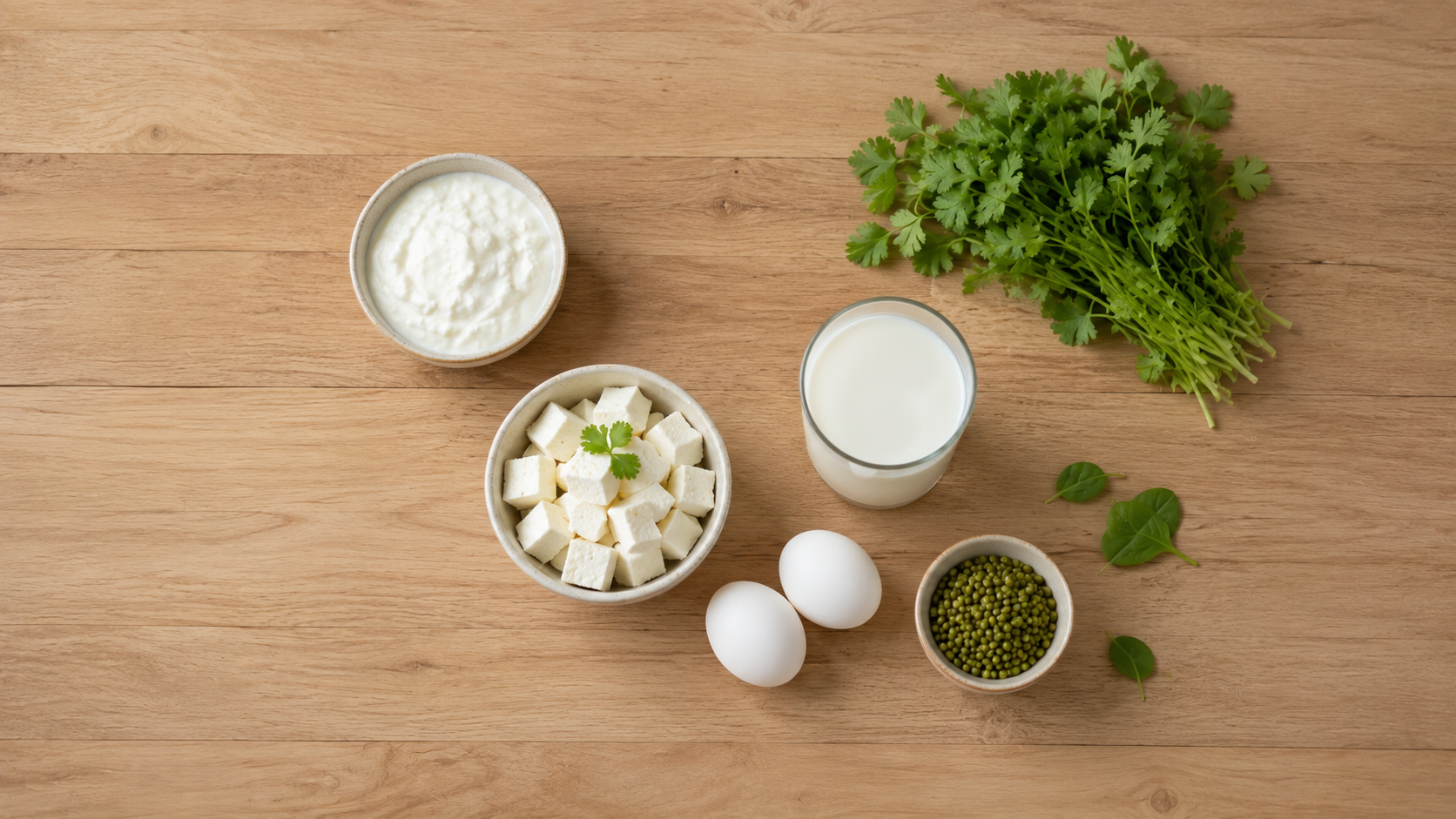
Milk, curd, paneer, and cheese contain moderate B12. One cup of full-fat milk provides approximately 1.0 to 1.2 mcg of B12. The recommended daily intake for adults is 2.4 mcg (WHO). Two to three dairy servings daily can approach this threshold – but may not consistently meet it, especially as absorption efficiency varies.
Eggs (Moderate B12 Source)
Two eggs provide approximately 1.1 to 1.5 mcg of B12, concentrated mainly in the yolk. Lacto-ovo vegetarians who consume both dairy and eggs regularly are at lower risk of deficiency.
Fortified Foods (Variable)
Some breakfast cereals, plant-based milks, and nutritional yeast are fortified with B12. The content varies significantly by brand. Always check the nutrition label and confirm the percentage of daily value per serving.
Tempeh, Seaweed, and Fermented Foods (Not a Reliable Source)
These are commonly cited but scientifically unreliable. The B12 analogues in most seaweeds and fermented products are not bioavailable – they cannot be properly absorbed and used by the human body. Relying on these as B12 sources is not recommended.
Why Food May Not Be Enough
Absorption Declines With Age
B12 from food requires stomach acid and a protein called Intrinsic Factor. Both diminish with age. Adults above 50 often absorb only a fraction of what younger adults do from the same foods.
Antacid Use Impairs Absorption
Long-term use of proton pump inhibitors (PPIs like omeprazole) or H2 blockers significantly reduces stomach acid and impairs B12 absorption. Studies estimate 14 to 23% of long-term PPI users develop B12 deficiency.
Digestive Conditions
Conditions including IBS, gastritis, and inflammatory bowel disease reduce B12 absorption independent of diet.
Strict Plant-Based Diet
For individuals consuming no dairy or eggs, B12 supplementation is not optional – it is necessary. No plant food provides reliable, bioavailable B12 in adequate quantities.
When Should You Test?
Testing is advisable if you are: a strict vegetarian for more than two years, above 50 years, on long-term antacids or PPIs, pregnant or planning pregnancy, or experiencing symptoms such as fatigue, tingling, or brain fog.
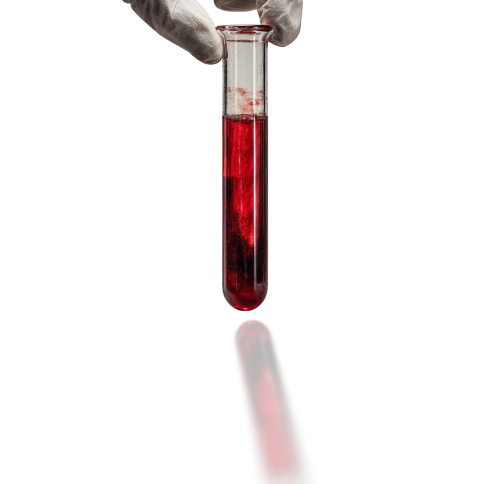
A serum cobalamin (B12) blood test is the standard first-line test. Levels below 200 pg/mL indicate deficiency.
Frequently Asked Questions
Q1. Which vegetarian foods are highest in Vitamin B12?
The highest vegetarian sources of Vitamin B12 are dairy products (milk, curd, paneer, cheese) and eggs. One cup of milk provides approximately 1.0–1.2 mcg of B12 and two eggs provide approximately 1.1–1.5 mcg. The recommended daily intake for adults is 2.4 mcg. Plant foods – including tempeh, seaweed, and fermented foods – do not provide bioavailable B12 and should not be relied upon as B12 sources.
Q2. Can vegetarians get enough Vitamin B12 from food alone?
Lacto-ovo vegetarians (who consume dairy and eggs) may be able to meet their B12 needs through food, though this depends on the quantities consumed and individual absorption. Strict vegetarians who consume no eggs and minimal dairy are unlikely to meet requirements through food alone and should consider supplementation after testing their B12 levels.
Q3. What Vitamin B12 level indicates deficiency?
A serum Vitamin B12 (cobalamin) level below 200 pg/mL indicates deficiency. Levels between 200 and 300 pg/mL are considered borderline and worth monitoring, especially if symptoms of deficiency are present. Normal range is 300 to 900 pg/mL.
Q4. How does taking antacids affect Vitamin B12 levels?
Long-term use of proton pump inhibitors (PPIs such as omeprazole, pantoprazole, rabeprazole) or H2 blockers significantly reduces stomach acid, which is required to release B12 from food for absorption. Studies estimate that 14 to 23% of people on long-term PPI use develop Vitamin B12 deficiency. If you take antacids regularly, annual B12 testing is advisable.
Q5. Can I get a Vitamin B12 blood test done at home in Pune?
Yes. FITTR Labs offers standalone Vitamin B12 testing and includes it in the full body checkup, with home blood sample collection across all 10 Pune locations. No fasting is required. Book by calling +91 7804000800 and receive digital reports within 24 to 48 hours.
Q6. Should vegetarians take Vitamin B12 supplements?
Strict vegetarians who consume no dairy or eggs should strongly consider B12 supplementation, as no plant food provides reliable bioavailable B12. The form most effective for vegetarians is cyanocobalamin or methylcobalamin. However, the appropriate dose depends on your current blood level – test first, then supplement based on the result and your doctor’s guidance.