





What “Scale Machine” Really Covers
Scale machine is a broad term spanning personal body-weight scales, kitchen scales, and commercial trade equipment – essentially any device that measures weight electronically or mechanically. Understanding this breadth is the first step toward choosing the right one, since “scale machine” alone doesn’t specify which of these very different categories you need. This guide walks through how to choose a scale machine for your specific purpose, what drives scale machine price across different tiers, and the fundamentals that matter regardless of which type of weight scale machine you’re ultimately comparing.
Identifying Your Scale Machine Use Case
Before comparing any specific product, clarify what you’re actually weighing: your own body weight, kitchen ingredients, or goods for trade. Each use case demands different capacity and precision characteristics, and a weight scale machine built for one purpose rarely serves another well. A personal body-weight scale machine prioritises comfort, stability and a moderate capacity range, while a kitchen scale prioritises fine precision for small amounts, and commercial equipment prioritises higher capacity and often legal certification for trade use.
Core Features to Check in Any Scale Machine
Regardless of specific use case, a few fundamentals matter across nearly every scale machine: quality load sensors for consistent readings, a stable platform appropriate to its intended use, adequate capacity with reasonable margin above your typical needs, and a clear, easy-to-read display. These fundamentals matter more than any single flashy feature, since a scale machine that nails the basics reliably will serve you well for years, while one that cuts corners on sensor quality will disappoint regardless of how many extra features it advertises.
Scale Machine Price by Category
Scale machine price varies enormously by category – a basic personal digital scale sits at the affordable end, while commercial platform scales with certification for legal trade use command considerably higher prices reflecting their higher capacity, sturdier construction, and regulatory compliance requirements. Within each category, price also varies by quality tier, with added features like body composition tracking for personal scales, or higher precision and throughput for commercial equipment, driving scale machine price upward within that specific category.
Scale Machine Considerations by Use Case
Personal Weight Scale Machine Considerations
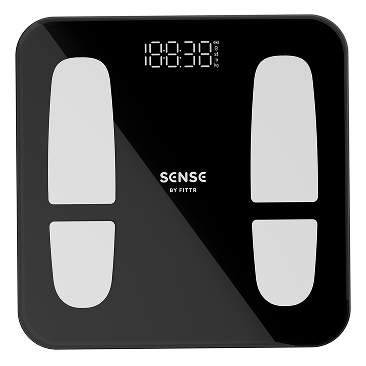
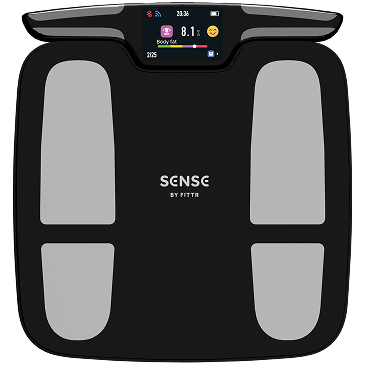
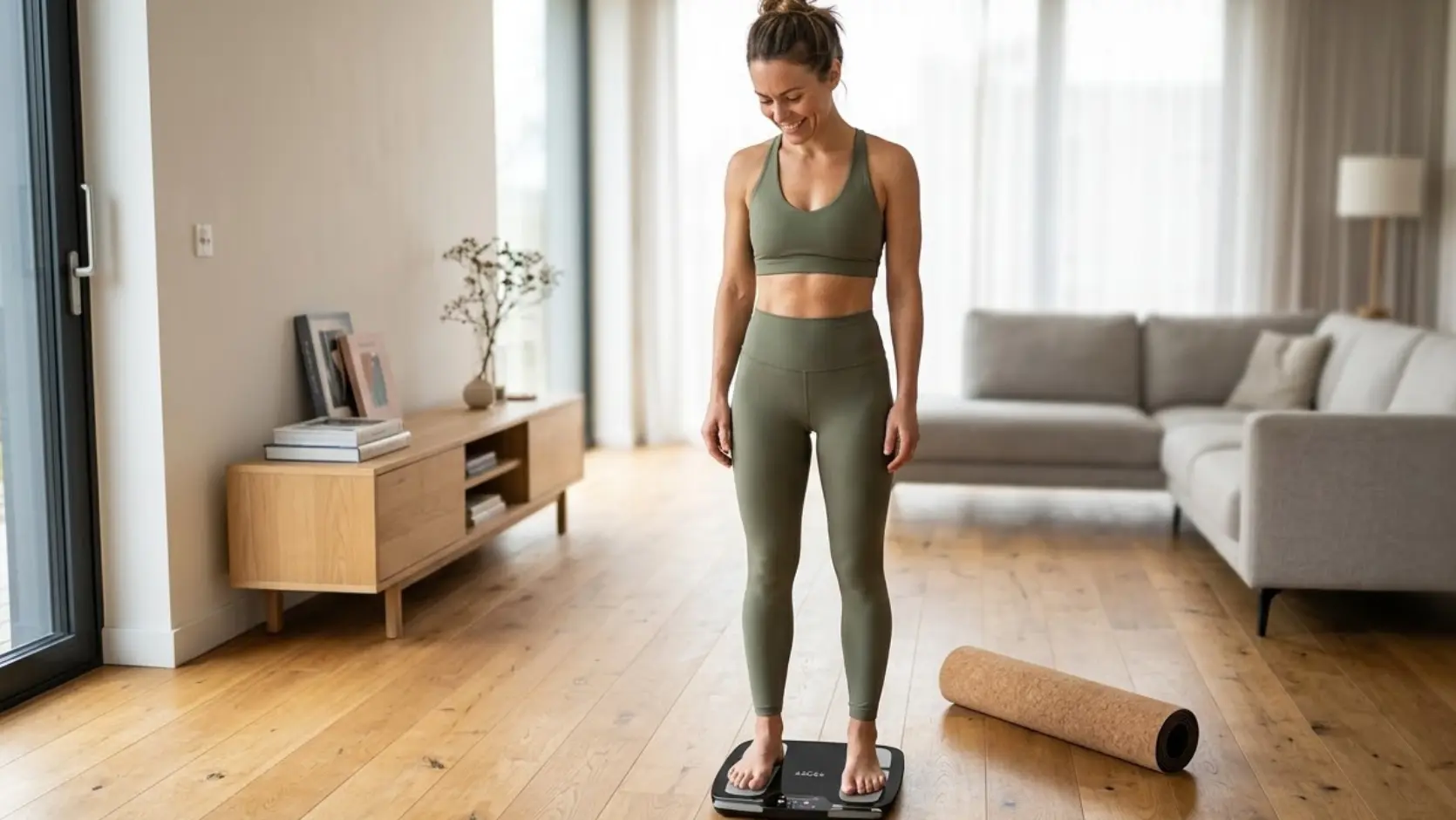
For personal body-weight use, a weight scale machine should offer a stable, non-slip platform, four-point load sensors for consistent readings, and capacity comfortably above your household’s heaviest user. Body composition tracking and app connectivity are valuable optional additions depending on your fitness goals. Digital designs generally offer better long-term accuracy and easier reading than mechanical alternatives, making them the practical default choice for most households prioritising reliable, trackable body weight data over simplicity alone.
Commercial Scale Machine Considerations
For commercial use, a scale machine needs to handle higher capacity reliably under continuous daily use, and in many cases requires certification for legal trade purposes, particularly if pricing calculations are based on the displayed weight in a retail transaction context. Durability becomes a bigger factor here than in personal use, since a commercial scale machine used dozens of times daily needs sturdier construction and more frequent calibration checks than a household scale used briefly once or twice a day.
Comparing Scale Machine Price Across Sellers
The same or similar scale machine models can vary in price between online marketplaces, physical retailers, and specialised equipment suppliers, particularly for commercial equipment. Comparing a specific model across a few different channels before buying helps ensure you’re getting genuinely fair value. For personal scale machine purchases, online marketplaces typically offer the widest selection and easiest comparison, while commercial buyers often need to work with equipment suppliers who can provide required certification documentation alongside the physical device itself.
Warranty and Long-Term Value
A scale machine’s warranty length often signals genuine manufacturer confidence in build quality and component durability. A slightly higher scale machine price with a longer warranty and accessible after-sales support can represent better long-term value than a cheaper option with minimal support if something goes wrong. This matters more for commercial buyers, where downtime from a faulty scale machine has real business costs, but it’s worth checking for personal purchases too, since a scale you’ll use daily for years deserves reasonable after-sales protection against early manufacturing faults.
Common Buying Mistakes With Scale Machines
A few mistakes come up repeatedly when choosing a scale machine: buying based on the lowest scale machine price alone without checking sensor quality or reviews, ignoring capacity requirements for your actual use case, and not verifying whether commercial certification is required for your specific trade use. Taking a little extra time to identify your actual use case and compare a few specific models on genuine fundamentals, rather than defaulting to the first or cheapest listing, consistently leads to a better long-term purchase decision.
Scale Machine Certification for Trade Use
If your scale machine will be used to determine pricing in a retail transaction, it typically needs to be certified for legal trade use, a formal process that verifies the device meets accuracy standards required for fair commercial transactions. This certification adds cost but is genuinely required for legitimate business use in most jurisdictions. Skipping certification for a commercial scale machine isn’t just a compliance risk – it can also mean a device that hasn’t been independently verified for the accuracy standards a legal trade transaction actually requires, making certification a genuine quality signal, not just bureaucratic overhead.
Portable vs Fixed Scale Machine Designs
Some scale machines need to call for portability – a market vendor moving between locations, or a household wanting to store a scale away between uses – while others suit a fixed installation, like a permanent checkout counter scale in a shop. Considering portability needs upfront narrows your realistic options considerably. A portable weight scale machine typically trades some capacity or precision for lighter weight and a smaller footprint, while a fixed commercial installation can prioritise maximum capacity and durability without needing to consider how easily it moves between locations.
Scale Machine Reviews: What to Actually Look For
When reading reviews for any scale machine, prioritise comments about long-term consistency and durability over first-impression accuracy claims, since genuine problems often only surface after months of regular use. Reviews mentioning specific use cases similar to your own are particularly valuable for gauging real-world fit. Be wary of a sudden cluster of overly positive reviews posted in a short window, a pattern sometimes associated with incentivised or less genuine feedback, and instead look for a mix of detailed, specific reviews that discuss both strengths and minor drawbacks of a specific scale machine model.
Common Myths About Scale Machines
A few misconceptions are worth clearing up.
- A higher scale machine price doesn’t automatically mean better accuracy for straightforward personal or household use.
- Not every weight scale machine needs commercial certification; this only applies to devices used for legal trade transactions.
- The cheapest scale machine isn’t always the best value if it means frequent replacement due to poor sensor quality.
- A scale machine’s brand name alone doesn’t guarantee performance without checking model-specific reviews and specifications.
- Personal and commercial scale machine needs are genuinely different; features that matter for one rarely matter for the other.
The Bottom Line
Choosing the right scale machine starts with clearly identifying your actual use case – personal, kitchen, or commercial – since this determines which specifications genuinely matter and what a fair scale machine price looks like for your specific situation. Focus on sensor quality, appropriate capacity, and features that match your real needs rather than being drawn toward the longest feature list or lowest price, and you’ll choose a weight scale machine that delivers reliable value for years of regular use.
Frequently Asked Questions
How do I choose the right scale machine for my needs?
Start by identifying your use case – personal, kitchen, or commercial – since this determines which capacity and precision specifications actually matter.
What drives scale machine price the most?
Sensor quality, capacity, build durability, and for commercial equipment, certification requirements for legal trade use.
Is a more expensive scale machine always better?
Not necessarily – match your spend to features you’ll actually use rather than assuming higher scale machine price guarantees better performance.
What’s the difference between personal and commercial weight scale machines?
Personal scales prioritise comfort and moderate capacity, while commercial scale machines prioritise higher capacity, durability, and often certification.
How can I find a fair scale machine price?
Compare specific models across a few sellers, read reviews focused on long-term accuracy, and avoid assuming the cheapest option is best value.
The Bottom Line
Scale machine, scale machine price, or a weight scale machine for a specific purpose – whichever term guided your search, matching the device to your actual use case is the real key to a good purchase. Once you’ve chosen your scale, Fittr’s body fat calculator and diet plan signup can help you build real value around your new scale machine.