Why Masala Oats Became a Weight-Loss Staple
Masala oats – oats cooked savory-style with vegetables, spices and often a touch of dal or lentils – have become a popular breakfast and snack option in India, marketed heavily as a healthy, quick meal. The real question is whether the packaged versions actually deliver on that promise, or whether homemade masala oats is the smarter choice.
This guide breaks down the genuine nutrition behind masala oats, compares packaged sachets against a homemade version, and gives you an actual recipe you can rely on.
What Are Masala Oats, Exactly
Masala oats are simply rolled or quick oats cooked in a savory style, typically with onion, tomato, mixed vegetables and Indian spices like cumin, turmeric and mustard seeds, instead of the usual sweet milk-and-sugar preparation.
Savory vs Sweet Oats Preparation
Nutritionally, the base oats contribute the same fiber and slow-digesting carbohydrate whether prepared sweet or savory. What genuinely changes the calorie and nutrient picture is everything added on top – vegetables and spices in the savory version, versus sugar, honey or dried fruit in the sweet version.
Is Masala Oats Good for Weight Loss?
Homemade masala oats, built on plain oats with real vegetables and modest oil, is genuinely good for weight loss, offering the same fiber-driven satiety as any other oats preparation while adding volume and micronutrients from the vegetables.
Where the Benefit Actually Comes From
The combination of soluble fiber from the oats and the low-calorie bulk from vegetables like carrots, beans and peas means you get a genuinely filling bowl for relatively few calories – the same underlying fiber mechanism that makes plain oats useful for a calorie deficit.
Packaged Masala Oats Sachets: The Hidden Catch
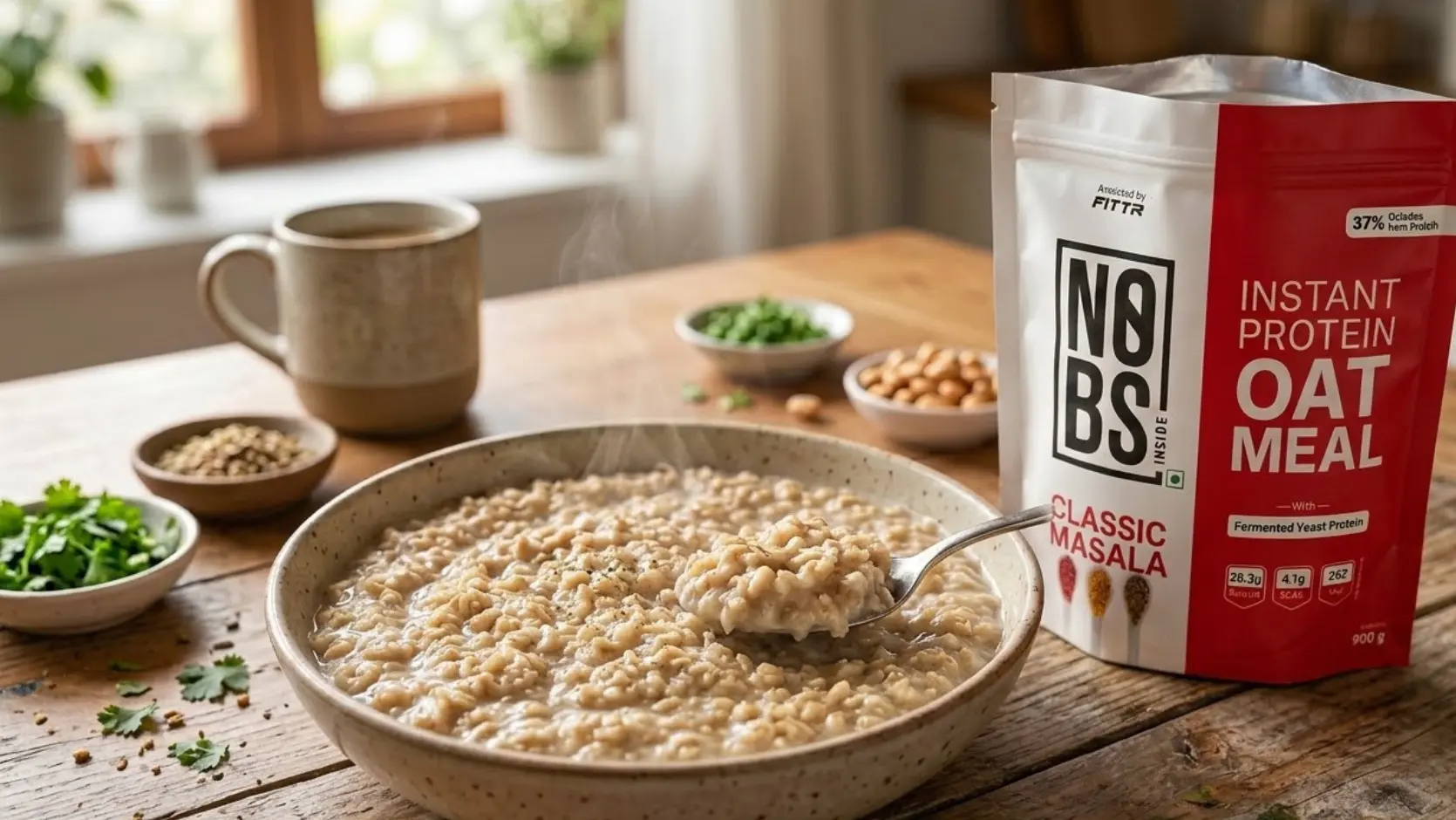
This is where the picture gets more complicated. Many packaged masala oats sachets carry meaningfully more sodium, oil and processed flavouring than a homemade version, even while marketed as a health food.
Reading the Label Before You Trust the Marketing
Checking sodium content specifically is worth doing, since some packaged masala oats sachets carry a third or more of a full day’s recommended sodium in a single serving. This doesn’t make them unhealthy in isolation, but it does mean they shouldn’t be assumed automatically superior to a homemade version just because the front of the pack says “healthy.”
Benefits of Masala Oats Beyond Weight Loss
Beyond the calorie and fiber picture, masala oats offer a genuinely useful way to work more vegetables into your day, which many people otherwise struggle to hit consistently.
A Practical Vegetable Delivery System
A single bowl of homemade masala oats can realistically include two or three different vegetables, contributing toward daily fiber and micronutrient targets in a way a bowl of sweet oats or plain toast simply cannot match.
A Genuine Masala Oats Recipe for Weight Loss
This recipe keeps the calorie count reasonable while maximising the vegetable and protein content.
Ingredients and Method
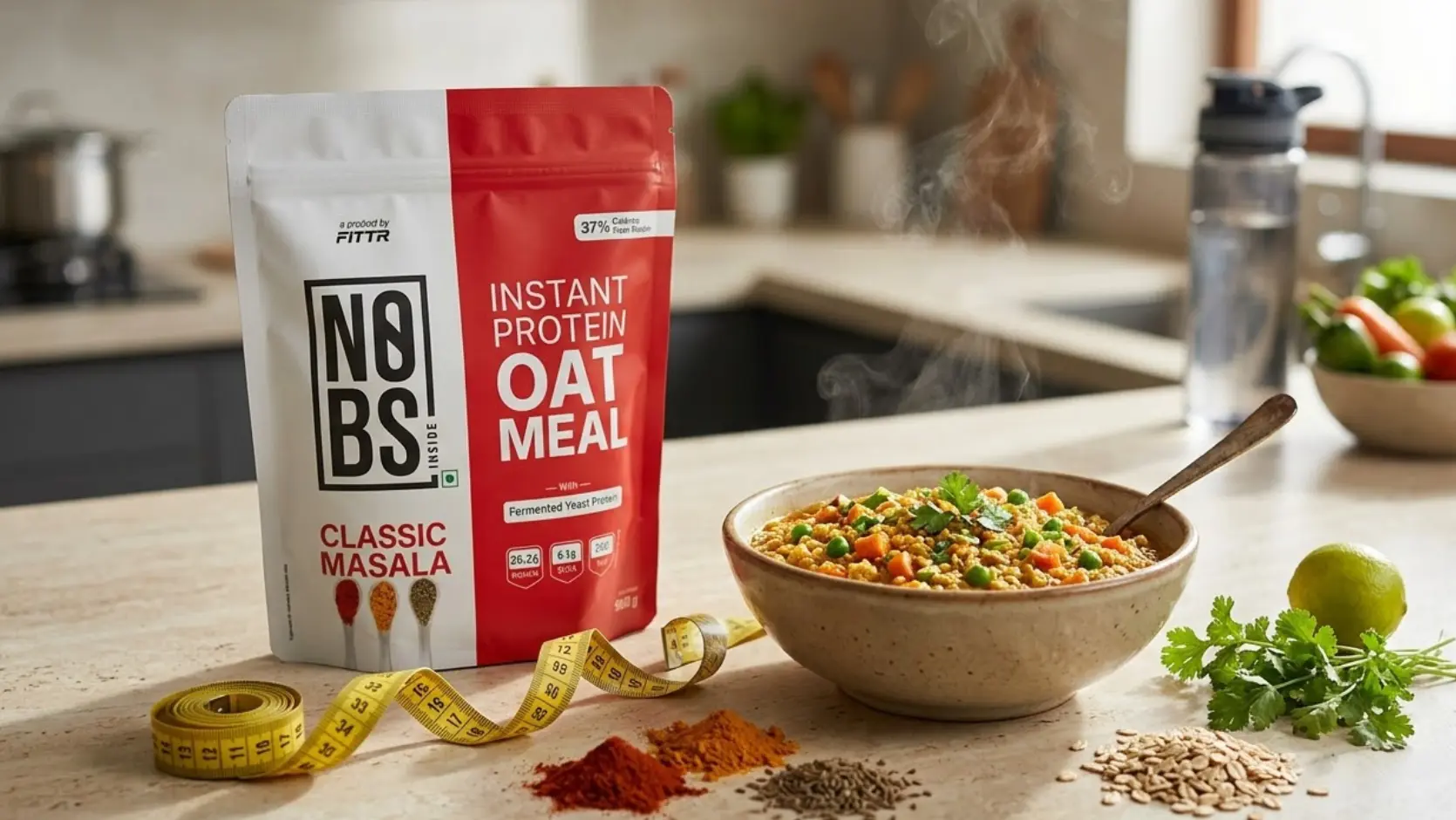
Dry-roast 40 grams of rolled oats briefly, then set aside. In a teaspoon of oil, sauté mustard seeds, chopped onion, tomato, and a mixed handful of vegetables such as carrot, beans and peas until softened. Add turmeric, a pinch of chilli powder and salt to taste, then stir in the roasted oats with roughly 200ml of water. Simmer for three to four minutes until the oats soften, and finish with a squeeze of lemon and fresh coriander.
Making Masala Oats More Filling
A few simple additions turn a good masala oats bowl into a genuinely satisfying, higher-protein meal without much extra effort.
Adding Protein to the Savory Bowl
Stirring in a handful of boiled chana, a spoon of paneer cubes, or a soft-boiled egg on top adds meaningful protein, extending fullness well beyond what the oats and vegetables alone provide. Fittr’s guide to high-protein foods for weight loss has more pairing ideas that work equally well here.
Masala Oats vs Plain Oats: Which Is Better for Weight Loss?
Neither is inherently superior – both offer the same core fiber benefit from the oats themselves. The real choice comes down to whether you find a savory or sweet breakfast more satisfying and sustainable to eat regularly.
Choosing Based on What You’ll Actually Eat Consistently
The oats preparation you genuinely enjoy and will eat several times a week beats the theoretically “better” option you abandon after a few days. If savory food appeals to you more in the morning, masala oats is a completely legitimate, evidence-backed choice.
Masala Oats for Different Meals of the Day
While most people think of masala oats strictly as breakfast, its savory nature makes it genuinely flexible enough to serve as a lunch, dinner, or even a pre-workout snack.
Beyond Breakfast
A smaller portion of masala oats works well as a light dinner for anyone who prefers not to eat heavy carbohydrates late in the day, while a slightly larger portion with added protein makes a genuinely filling lunch alongside a side salad.
Common Masala Oats Mistakes That Undo the Benefit
- Relying entirely on flavoured packaged sachets rather than checking the sodium and oil content on the label.
- Using excessive oil in the sauté step, which can add 100+ calories without much nutritional benefit.
- Skipping the vegetables and relying only on the seasoning packet from a packaged sachet.
- Adding processed cheese or excessive ghee as a finishing touch, undermining the otherwise lean nature of the dish.
- Treating masala oats as automatically low-calorie regardless of portion size or added ingredients.
How Masala Oats Fits Into a Broader Weight-Loss Plan
As with any single food, masala oats works best as one part of a structured approach rather than a standalone solution.
Pairing With Your Daily Calorie Target
Understanding your overall daily calorie needs, using a tool like Fittr’s BMR calculator, helps you see where a bowl of masala oats fits within your broader eating plan for the day, rather than treating it as a magic food that works in isolation.
Common Myths About Masala Oats
- Masala oats are not automatically healthier than sweet oats – both depend heavily on portion size and added ingredients.
- Packaged masala oats sachets are not inherently bad, but many carry more sodium than a homemade version.
- Masala oats does not burn fat directly; its benefit comes from fiber-driven fullness supporting a calorie deficit.
- Adding more vegetables to masala oats does not meaningfully increase the calorie count, since most vegetables are very low in calories.
- Masala oats is not only for weight loss – it is a genuinely balanced meal option for general health too.
The Bottom Line
Masala oats for weight loss genuinely works when built on plain oats, real vegetables and modest oil, offering the same fiber-driven fullness as any other oats preparation while adding useful vegetable volume to your day. The packaged sachet version can work too, but checking the label for sodium and oil content matters more than trusting the marketing alone.
Fittr’s guide to oats for weight loss. It explains how oats can help improve satiety, support healthy digestion, and make it easier to maintain a calorie deficit.
Fittr’s guide to creating a customized nutrition plan. A personalized approach helps ensure your diet aligns with your calorie needs, fitness goals, and long-term lifestyle.
If you’re new to cooking savory oats, start with a small batch to get the spice balance right for your own taste before committing to it as a regular part of your weekly routine – small adjustments to chilli and salt levels make a genuine difference to how sustainable the habit feels long-term.
Try the homemade recipe above for a week, adjust the vegetables and spice level to your taste, and masala oats can genuinely become one of the most reliable savory options in a weight-loss routine.
Frequently Asked Questions
Is masala oats good for weight loss?
Yes, when made with plain oats, real vegetables and modest oil, masala oats offers the same fiber-driven fullness as any other oats preparation while adding useful vegetable nutrition.
What is a good masala oats recipe for weight loss?
Sauté vegetables and spices in a teaspoon of oil, stir in roasted plain oats and water, and simmer for three to four minutes – avoid relying solely on packaged flavour sachets.
Does masala oats weight loss work better than sweet oats?
Neither is inherently better; both rely on the same underlying fiber benefit, so choose whichever style you’ll eat consistently.
What are the benefits of masala oats beyond weight loss?
It’s a practical way to add multiple vegetables to your day, contributing to fiber and micronutrient intake alongside the fullness benefit.
Are packaged masala oats sachets healthy?
They can be, but many carry more sodium and oil than a homemade version, so checking the nutrition label is worth doing before relying on them daily.
Make Every Bite Count
Masala oats for weight loss, masala oats good for weight loss, or benefits of masala oats – across every phrasing, the answer depends on how it’s made: plain oats, real vegetables, modest oil, and a check on the sodium content if you’re using a packaged sachet.
Try the recipe above, adjust it to your taste, and masala oats can become a genuinely reliable savory addition to your weight-loss routine.