






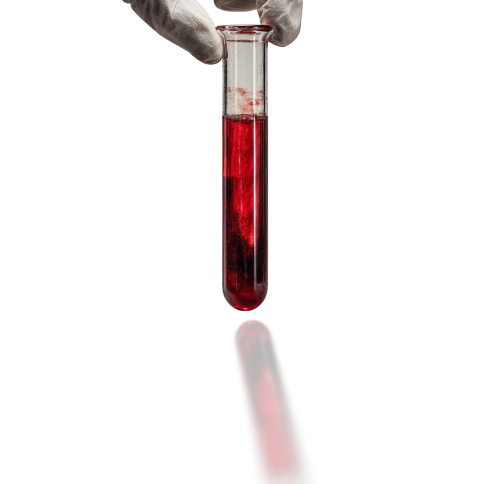

A liver function test (LFT) is among the most commonly ordered blood panels in clinical medicine – and one of the most frequently misread. It contains six or more markers, each measuring a different aspect of liver health. Elevated results mean very different things depending on which marker is elevated and by how much.
Liver disease affects approximately 1 in 3 Indian adults in the form of NAFLD (PubMed, 2022) – many are detected through routine LFT screening before any symptoms appear.
-> fittr.com/labs/full-body-checkup-test-kharadi-pune/
SGPT (ALT) – Alanine Aminotransferase
Normal: 7-40 U/L. SGPT is the most liver-specific enzyme in the LFT panel.
SGPT is found predominantly in liver cells. When liver cells are damaged or inflamed, they release SGPT into the bloodstream, making it the most sensitive and specific marker of liver cell injury. Mild elevation (40-120 U/L): most commonly NAFLD, alcohol, or medication. Moderate elevation (3-10x normal): active hepatitis or drug-induced injury. Severe elevation (above 10x normal): acute viral hepatitis or toxicity requiring urgent evaluation.
SGOT (AST) – Aspartate Aminotransferase
Normal: 10-40 U/L. SGOT is less liver-specific – also found in heart muscle, skeletal muscle, and red blood cells.
SGOT/ALT ratio provides diagnostic information: ratio above 2:1 is characteristic of alcoholic liver disease. Ratio below 1 (ALT higher) is more typical of NAFLD. Isolated SGOT elevation without elevated SGPT may indicate a heart attack or muscle injury rather than liver disease.
ALP – Alkaline Phosphatase
Normal: 44-147 U/L. ALP is particularly elevated when bile flow is obstructed – called cholestasis.
ALP is produced by liver cells lining the bile ducts, as well as bone, intestine, and placenta. Elevated in gallstones, bile duct obstruction, and certain medications. Also elevated in bone diseases. When ALP is elevated, GGT is checked – if also elevated, the ALP source is more likely liver.
Bilirubin
Total Bilirubin normal: 0.2-1.2 mg/dL | Direct (Conjugated): 0-0.3 mg/dL. Elevated bilirubin causes jaundice – yellowish skin and eyes.
Predominantly elevated direct bilirubin: obstructive cause – gallstones, bile duct obstruction, or liver disease. Predominantly elevated indirect bilirubin: pre-hepatic cause – haemolysis or Gilbert’s syndrome (a benign genetic variant causing mildly elevated indirect bilirubin, very common in India).
Albumin and Total Protein
Albumin normal: 3.4-5.4 g/dL. Total Protein normal: 6.3-8.2 g/dL.
Albumin is produced exclusively by the liver. Low albumin (below 3.4 g/dL) indicates reduced synthetic liver function – the liver has lost significant capacity to produce proteins. Albumin falls only in chronic or severe liver disease and reflects the liver’s reserve capacity rather than active inflammation.
Common Causes of Abnormal LFT
- NAFLD – most common cause of mildly elevated SGPT in India (38.6% adult prevalence)
- Alcohol-related liver disease – SGOT/ALT ratio above 2:1
- Viral hepatitis (A, B, C, E) – often 10 to 50x normal elevation
- Medications – paracetamol in excess, certain antibiotics, anti-TB drugs (particularly in India)
- Gallstones and bile duct obstruction – elevated ALP and bilirubin
- Hypothyroidism – can mildly elevate liver enzymes
Frequently Asked Questions
Q1. What does an elevated SGPT (ALT) mean?
Elevated SGPT indicates liver cell damage or inflammation. Mild elevation (40-120 U/L): most commonly NAFLD, alcohol use, or medication effects. Moderate (3-10x normal): suggests active hepatitis or liver inflammation. Severe (above 10x normal): requires urgent investigation for acute viral hepatitis or drug toxicity.
Q2. What is the difference between SGPT and SGOT?
SGPT (ALT) is almost exclusively in liver cells – the most specific marker of liver injury. SGOT (AST) is also in the heart, muscles, and red blood cells, making it less specific. The AST/ALT ratio helps determine cause: above 2 (SGOT much higher) suggests alcoholic liver disease; below 1 (SGPT higher) is more typical of NAFLD.
Q3. What does high bilirubin indicate?
Elevated bilirubin causes jaundice. Predominantly elevated direct bilirubin suggests the liver cannot excrete it normally – gallstones, bile duct blockage, or liver disease. Predominantly elevated indirect bilirubin may suggest haemolysis or Gilbert’s syndrome – a common benign genetic variant very prevalent in India.
Q4. What does low albumin mean in a liver test?
Low albumin (below 3.4 g/dL) indicates the liver has reduced capacity to produce proteins. Because albumin is made only by the liver, a low value suggests significant chronic liver disease with compromised synthetic function. It is a marker of the liver’s reserve capacity, not its degree of active inflammation.
Q5. Where can I book a liver function test at home in Pune?
FITTR Labs offers liver profile testing (SGPT, SGOT, ALP, bilirubin, albumin, total protein) with home blood sample collection across all 10 Pune locations. The liver profile is also included in the FITTR Labs full body checkup.
Q6. Do I need to fast before a liver function test?
Fasting for 8 to 10 hours is generally recommended when testing as part of a full panel including lipid profile and blood sugar. For a standalone LFT, some laboratories do not require strict fasting, though avoiding a heavy meal before collection is advisable. Confirm with your laboratory when booking.