



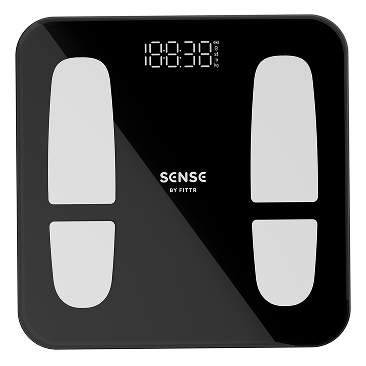
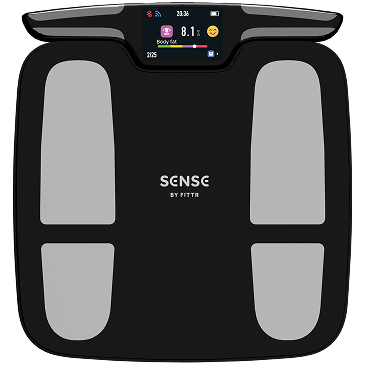





Electronic scales replace the mechanical springs and beams of older weighing designs with sensors and a digital processor, converting your weight into an electronic weight signal that’s translated into a precise numeric display. This applies whether you’re weighing yourself, ingredients in a kitchen, or goods in a shop. This guide explains the core sensor technology behind every electronic measuring scale, why it offers real advantages over mechanical designs, and what to know about accuracy and maintenance.
The Load Cell: An Electronic Scale’s Core Component
At the heart of nearly every electronic scale sits a load cell, a small sensor containing a strain gauge that flexes by a tiny, precise amount under weight. This flex changes the electrical resistance within the gauge, and that change is what the scale’s processor reads as an electronic weight signal. Quality load cells are manufactured to tight tolerances.
From Analog Signal to Digital Display
The raw electrical signal from a load cell is analog – a continuously varying voltage – which an electronic scale’s internal circuitry converts into a digital number through an analog-to-digital converter. This digital electronic weight value is then processed and shown on the display, all happening within a fraction of a second.
Four-Point Sensor Systems for Better Accuracy
Quality electronic scales, particularly body-weight designs, use four load cells – one at each corner of the platform – rather than a single central sensor. This four-point electronic measuring scale design averages readings across all four sensors, correcting for you standing slightly off-centre.
Calibration: Keeping Electronic Weight Readings True
Electronic scales are calibrated at the factory using certified reference weights, teaching the internal processor exactly what a known weight should read as. A well-made electronic measuring scale holds this calibration for years under normal use, though extreme temperature swings, drops, or overloading can shift it over time.
Types of Electronic Scales You’ll Encounter
Electronic scales exist across many contexts beyond body weight: kitchen electronic measuring scale designs for cooking and baking, commercial platform scales for shipping and trade, laboratory precision scales for scientific measurement, and industrial electronic weight systems for manufacturing.
Electronic vs Mechanical: Why the Shift Happened
The shift from mechanical to electronic scales happened because electronic weight measurement offers genuine, consistent advantages: sharper precision, an easy-to-read numeric display instead of interpreting a dial, and far less susceptibility to the gradual spring-wear drift that affects mechanical designs.
Maintaining Your Electronic Scale for Long-Term Accuracy
An electronic scale stays accurate longer with basic care: keep it on a hard, flat, stable surface for every use, avoid dropping or overloading it beyond its rated capacity, and replace the battery before it fully drains, since low battery voltage can distort electronic weight readings.
Troubleshooting an Inaccurate Electronic Scale
If your electronic measuring scale seems to be giving inconsistent readings, check the basics first: confirm it’s on a hard, flat surface rather than carpet, replace the battery if it’s been in use for a long period, and make sure you’re standing centred on the platform.
Electronic Scales in Everyday Commercial Life
Beyond personal and kitchen use, electronic scales quietly run much of everyday commerce – postal and courier services use them to calculate shipping costs, shops use them for weighing produce at checkout, and logistics companies use large electronic platform scales to verify shipment weights.
Choosing the Right Electronic Scale for Your Need
Before buying any electronic measuring scale, clarify exactly what you’ll be weighing and at what precision – body weight needs a different capacity and precision profile than kitchen ingredients or shipping parcels.
The Future of Electronic Weighing Technology
Electronic scale technology continues to improve, with newer sensor designs offering finer precision at lower manufacturing cost, and increasing integration with broader smart home and health ecosystems.
Sensor Materials and Environmental Resistance
The metal alloy used in an electronic scale’s load cell affects how well it resists temperature fluctuation and humidity over time, both of which can subtly influence sensor readings if the materials aren’t well chosen. Higher-quality electronic measuring scale designs use alloys specifically selected for stability across normal household temperature ranges.
Precision Increments Across Electronic Scale Types
Not every electronic scale reads to the same level of detail, and understanding the increment your specific task needs prevents both overpaying for unnecessary precision and underbuying a device that’s too coarse for the job.
Body-Weight Scales
A body-weight electronic scale typically reads in increments of around 100 grams, which is entirely sufficient for tracking a meaningful weight trend over weeks.
Kitchen Scales
A kitchen electronic measuring scale, by contrast, often reads to a single gram, since baking and portion control genuinely benefit from that finer resolution in a way body-weight tracking simply does not require.
Why Sensor Quality Matters More Than Brand Name
It is worth being direct about where the real quality differences between electronic scales actually live. Two scales carrying very different brand names and price tags can use load cells sourced from the same handful of manufacturers, meaning the headline brand tells you far less than the specific sensor configuration and quality control behind a given model. Reading reviews that specifically mention long-term consistency, rather than trusting brand reputation alone, remains the most reliable way to judge whether a particular electronic scale’s sensors genuinely hold up over years of everyday use.
Common Myths About Electronic Scales
A few misconceptions are worth addressing.
- A more expensive electronic scale doesn’t automatically mean a more accurate electronic weight reading; sensor quality and calibration matter more than price alone.
- Electronic scales don’t need daily recalibration under normal use; a well-made unit holds its accuracy for extended periods.
- A digital display showing more decimal places doesn’t mean genuinely higher precision if the underlying sensor isn’t equally precise.
- Battery-related inaccuracy is a common but often overlooked cause of inconsistent electronic measuring scale readings.
- Two electronic scales disagreeing slightly doesn’t mean either is faulty; each just needs to be internally consistent with itself over time.
Frequently Asked Questions
How do electronic scales measure weight?
They use load cells containing strain gauges that flex under weight, converting that flex into an electrical signal processed into a digital reading.
What’s the difference between single and four-point electronic scales?
Four-point designs use a sensor at each corner for more consistent readings, while single-sensor designs are more affected by standing off-centre.
How accurate is an electronic measuring scale?
Quality electronic scales are highly accurate and consistent, provided they’re properly calibrated, used on a stable surface, and have a fresh battery.
Why did electronic scales replace mechanical ones?
Electronic weight measurement offers sharper precision, easier reading, and less susceptibility to the wear-related drift that affects mechanical springs.
How do I keep my electronic scale accurate over time?
Use it on a hard, flat surface, avoid overloading it, replace the battery before it fully drains, and store it flat rather than propped upright.
Precision Powers Progress.
Electronic scales, an electronic measuring scale, or simply electronic weight technology – all describe the same core shift from mechanical springs to precise digital sensors that now power nearly every modern weighing device. For body-weight tracking specifically, Fittr’s body fat calculator can help you turn accurate electronic weight readings into a genuine health plan.