




Electric kata is the term commonly used across India for an electronic or digital weighing machine, distinguishing it from the traditional mechanical weight kata that relied on a spring or balance beam. The word “electric” signals the core shift: sensors and a processor replacing purely mechanical parts. This guide explains what makes an electric kata different from a traditional weight kata, how the related term computer kata fits in, and what to look for whether you’re buying for personal, kitchen, or commercial use.
Electric Kata vs Traditional Weight Kata
A traditional weight kata uses a mechanical spring or beam that physically moves a needle across a dial to show weight. An electric kata instead uses load sensors that convert weight into an electrical signal, displayed as a precise digital number on a screen, with no mechanical needle involved anywhere in the process.
How Computer Kata Relates to Electric Kata
Computer kata is a closely related term, often used interchangeably with electric kata, though it sometimes implies a more advanced commercial device with integrated pricing or billing calculation, particularly common in retail and market settings across India where weight-based pricing is standard practice.
The Sensor Technology Inside an Electric Kata
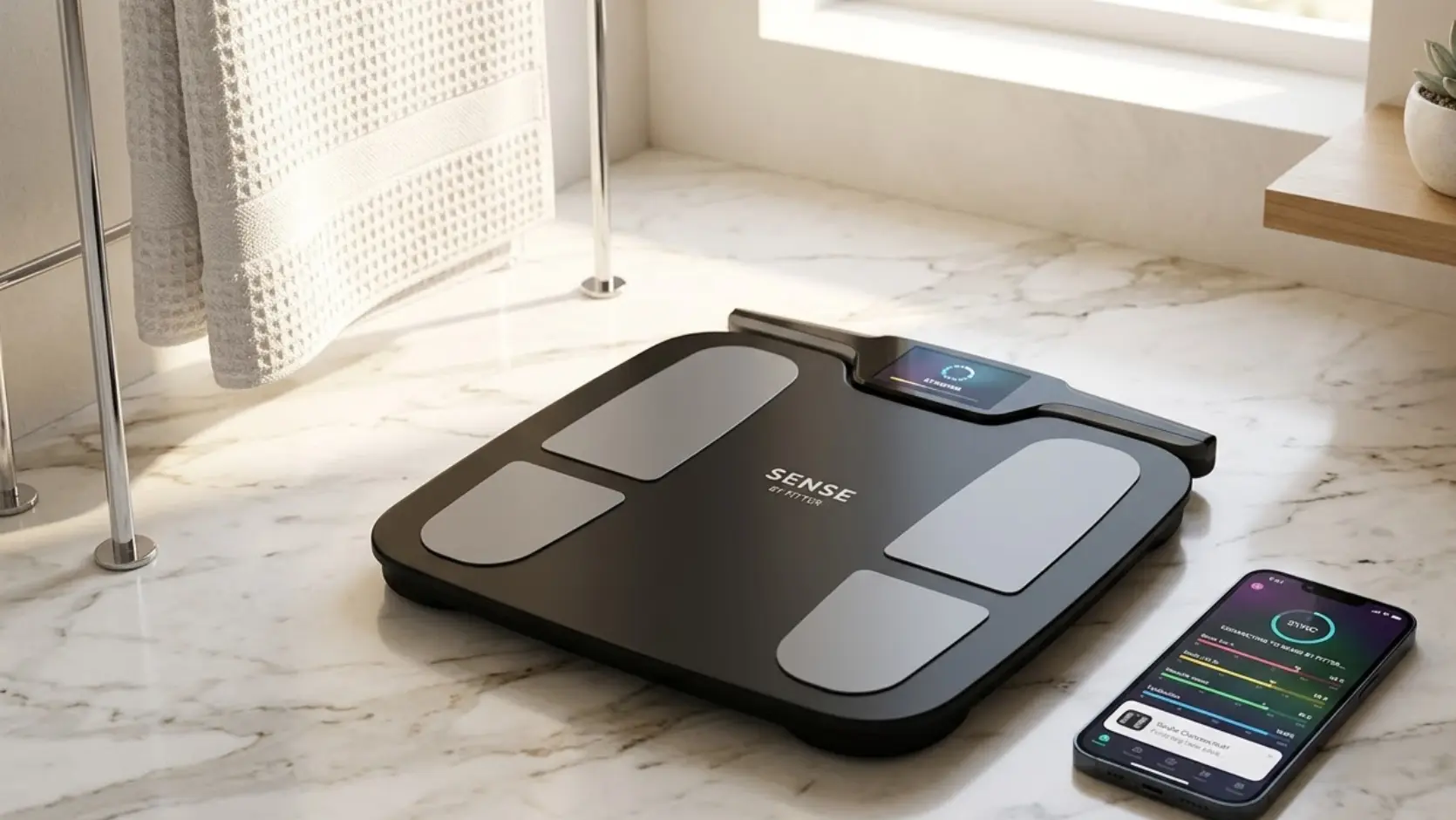
Every electric kata relies on load cells – small sensors containing a strain gauge that flexes under weight, converting that flex into an electrical signal a processor reads and converts into a digital reading. Quality electric kata devices use four-point sensor configurations for body-weight models.
Electric Kata for Personal and Household Use
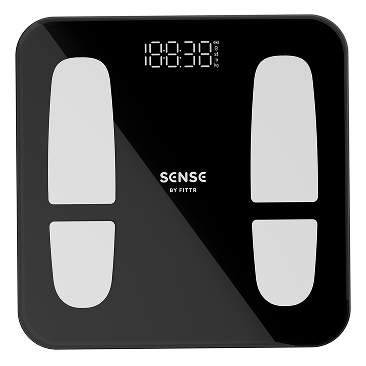
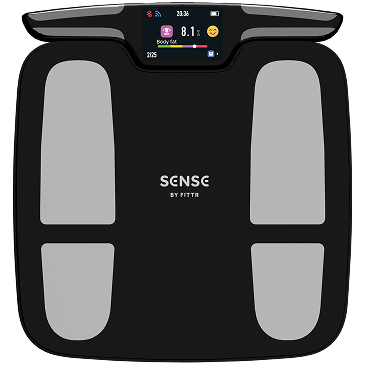
At the household level, an electric kata typically refers to a digital bathroom or kitchen scale, using the same core sensor technology as commercial units but without the pricing calculation features found in shop-grade computer kata devices. Household electric kata devices range from basic weight-only models to smart versions with body composition tracking.
Electric Kata in Commercial and Retail Settings
In shops and markets, an electric kata often integrates directly with pricing, automatically calculating total cost based on weight and a per-unit price entered by the shopkeeper. This functionality, more commonly associated with the term computer kata, has made digital weighing standard practice in busy retail environments.
Accuracy Advantages of Electric Kata
An electric kata is generally more accurate and consistent than a traditional weight kata, since electronic sensors don’t suffer the gradual spring-wear drift that affects mechanical designs over years of regular use. That said, accuracy still depends on correct use and build quality.
Choosing the Right Electric Kata for Your Need
For household body-weight tracking, prioritise a stable platform, clear digital display, and adequate weight capacity, with body composition and app features as optional additions depending on your fitness goals.
Maintaining an Electric Kata Over Time
An electric kata benefits from the same basic care as any digital scale: keep it on a hard, flat surface, avoid dropping or overloading it beyond capacity, and replace the battery before it fully drains to prevent inconsistent readings.
Regional Terminology Around Electric Kata
Across different Indian regions, you’ll encounter electric kata referred to by several closely related names – computer kata, digital kanta, or electronic weighing machine – all pointing to the same underlying digital sensor technology.
The Shift From Mechanical Weight Kata to Electric Kata
Many households and shopkeepers made the transition from a traditional mechanical weight kata to an electric kata gradually, often keeping the old mechanical scale as a trusted backup even after adopting digital equipment. For households making this switch specifically for body weight tracking, the transition typically brings noticeably sharper precision.
Warranty Considerations for Electric Kata Purchases
Because an electric kata contains genuine electronic components, warranty coverage matters more than it did for a purely mechanical weight kata with far fewer parts that could fail. Checking the warranty period and local service availability is particularly important for commercial buyers.
Digital Displays and Readability on an Electric Kata
One of the clearest everyday benefits of an electric kata over its mechanical predecessor is the digital display itself – a bright, numeric readout that removes any ambiguity about the exact weight, unlike interpreting a needle’s position on a printed dial.
Electric Kata Adoption Across Different Business Sizes
The pace of switching from a traditional weight kata to an electric kata has varied considerably by business size and sector across India.
Larger Shops and Supermarket Chains
Larger shops and supermarket chains adopted computer kata systems early, since the pricing and billing integration paid for itself quickly through faster checkout and fewer manual calculation errors at scale.
Smaller Stalls and Individual Traders
Smaller stalls and individual traders often transitioned more gradually, sometimes keeping a traditional weight kata as backup for years after buying an electric kata, reflecting both cost sensitivity and the genuine trust built over generations with mechanical weighing that a new digital device takes time to fully earn.
What to Verify Before Buying an Electric Kata
Before settling on a specific electric kata, a few checks save genuine disappointment later. Confirm the rated weight capacity suits your actual use, whether personal or commercial. For commercial buyers specifically, confirm whether the unit is certified for trade use in your region if that applies, since an uncertified computer kata used for pricing customers can create genuine legal complications a household buyer never needs to consider for a simple bathroom electric kata.
Common Myths About Electric Kata
A few misconceptions are worth clearing up.
- Electric kata and computer kata are largely interchangeable terms, though the latter sometimes implies added commercial pricing features.
- An electric kata isn’t automatically more expensive than a traditional weight kata; basic personal digital models are widely affordable.
- A digital display doesn’t guarantee higher accuracy on its own; sensor quality still determines how reliable the reading actually is.
- Not every electric kata includes billing or pricing calculation; this is specific to commercial models designed for retail use.
- An electric kata still requires careful placement and maintenance, the same as any weighing scale, to stay accurate over time.
Frequently Asked Questions
What does electric kata mean?
Electric kata refers to an electronic or digital weighing machine, distinguishing it from a traditional mechanical weight kata using a spring or beam.
Is electric kata the same as computer kata?
The terms largely overlap, though computer kata sometimes implies added commercial pricing or billing features common in retail settings.
Is an electric kata more accurate than a traditional weight kata?
Generally yes, since electronic sensors avoid the gradual spring-wear drift that affects mechanical weighing mechanisms over time.
Do all electric kata devices include pricing calculation?
No, only commercial models designed for retail use typically include integrated price or billing functionality.
How do I keep an electric kata accurate?
Use it on a hard, flat surface, avoid overloading it beyond capacity, and check calibration periodically for commercial units in daily use.
Modern Technology, Better Measurements
Electric kata, computer kata, or weight kata – whichever term guides your search, understanding the shift from mechanical to digital weighing helps you choose the right device for personal or commercial use. For personal body-weight tracking, Fittr’s body fat calculator can help you get more from your electric kata readings.