





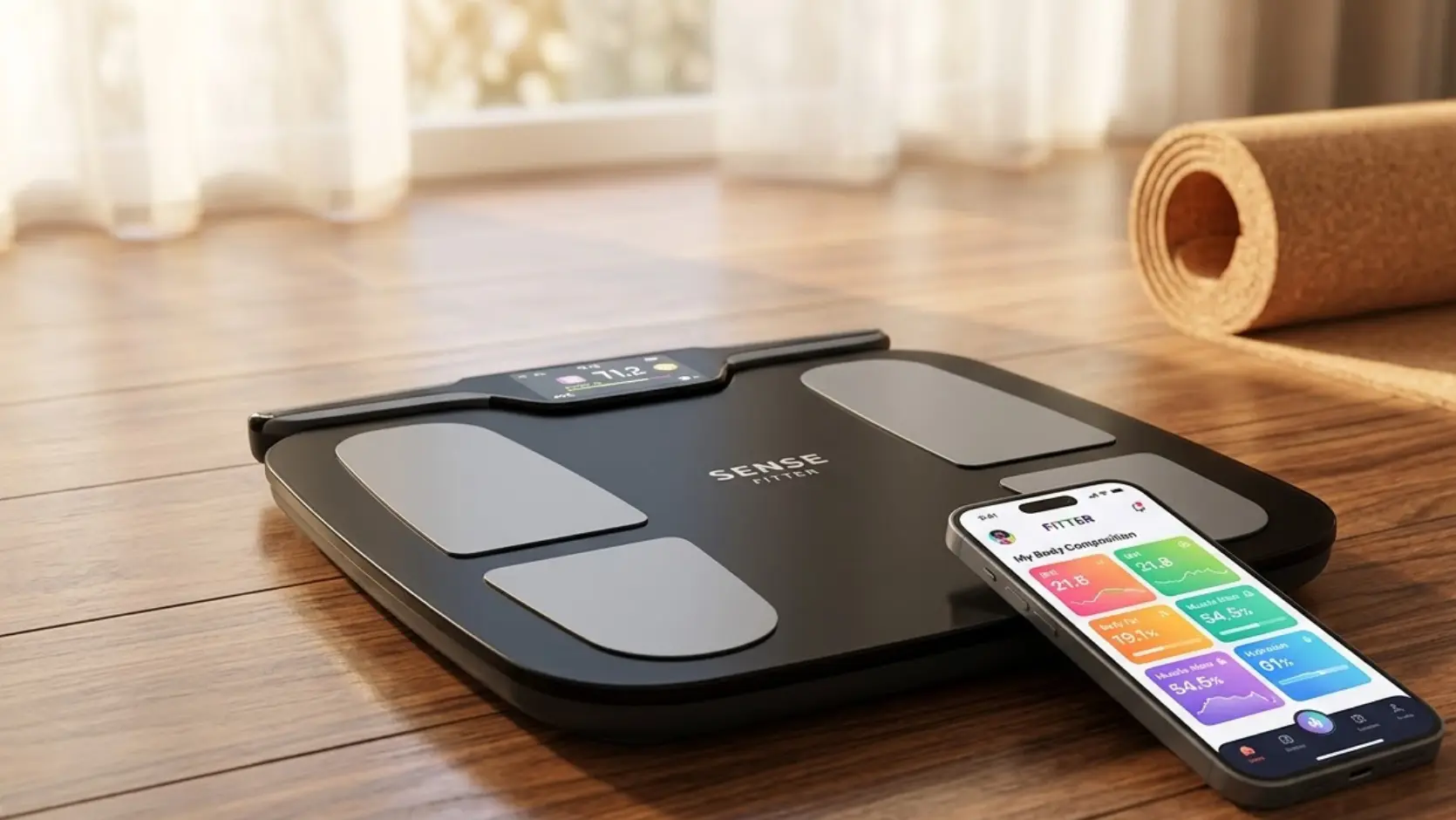
Shopping for a digital weight scale can feel overwhelming once you start comparing listings, since every digital weighing scale claims to be accurate, reliable and feature-packed. The truth is that a handful of specific, checkable features separate a genuinely good scale from a mediocre one, regardless of brand name or marketing claims on the box. This guide walks through exactly which features matter, which are optional extras, and how to evaluate a digital scale online with confidence, using specifications rather than glossy product photography to make your decision.
Key Features to Look For
Sensor Quality and Load Cell Configuration
The single most important feature in any digital weight scale is its load sensor configuration. Look specifically for a four-point sensor design, with one load cell at each corner of the platform, since this setup averages readings across the platform and corrects for standing slightly off-centre, giving far more consistent results than a cheaper single-sensor design. This detail is rarely highlighted prominently in online listings, so it’s worth checking the product description directly.
Platform Size, Material and Stability
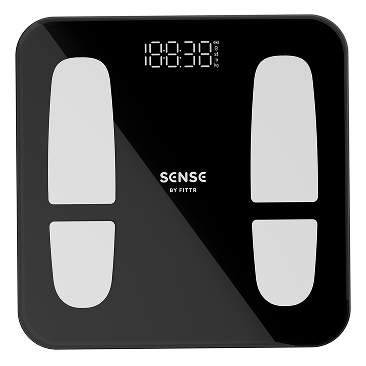
A digital weighing scale’s platform should be large enough for a comfortable, stable stance and made from a genuinely non-slip material – textured plastic or tempered glass with a proper grip finish, not a smooth surface that becomes dangerously slippery with wet feet. Platform stability directly affects both comfort and reading consistency.
Weight Capacity: A Non-Negotiable Check
Every digital weight scale has a maximum rated capacity, and checking this figure against your household’s heaviest user, with reasonable margin, is essential before buying. A scale used at or near its rated limit gives less reliable readings and wears out its internal sensors faster than one comfortably within its capacity range.
Display Quality and Readability
A clear, appropriately sized digital display is one of the most-used features on any digital weighing scale, particularly for early morning weigh-ins before your eyes have fully adjusted to bright light. Look for a backlit display that shows the reading quickly and holds it long enough to read comfortably before switching off.
Body Composition and Bioelectrical Impedance
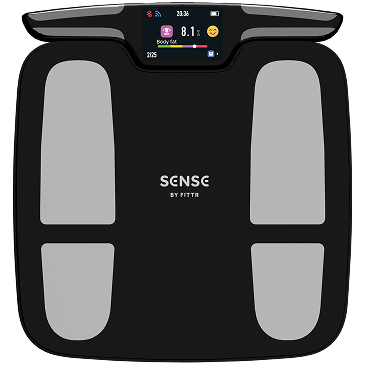
Many digital weight scale models beyond the most basic tier estimate body fat, muscle mass and water percentage using bioelectrical impedance sensors built into the platform. This is a genuinely valuable feature for anyone with a specific fitness goal, though it adds meaningfully to the price over a weight-only unit.
App Connectivity and Data Logging
Smart digital weight scale models pair with a companion app via Bluetooth, automatically logging every reading and building a trend chart over time without manual effort. This feature transforms a scale from a single-use tool into an ongoing tracking system, which is genuinely useful for anyone serious about monitoring progress.
Multi-User Support for Shared Households
If more than one person will use the scale, automatic multi-user recognition – where the device identifies who’s standing on it based on known weight and profile data – is a genuinely valuable feature, particularly for smart scales tracking body composition. Without it, a shared scale’s data history becomes a confusing mix of everyone’s readings.
Buying a Digital Scale Online: A Practical Checklist
When buying a digital scale online specifically, verify the seller’s return policy and warranty terms before purchase, since a scale that arrives with a fault is far easier to resolve with clear, accessible policies in place. Check recent reviews for comments about long-term accuracy, not just first-impression unboxing experiences.
Features Worth Skipping
Not every advertised feature on a digital weighing scale adds genuine value. Elaborate design flourishes, unnecessary extra display modes, or features that duplicate what a basic smartphone app can already calculate rarely justify a meaningfully higher price over a simpler, well-reviewed model with solid fundamentals.
Calibration and Auto-Zero Features
A quality digital weight scale typically includes an auto-zero or self-calibration step that runs briefly each time you step on, correcting for small drift before displaying your final reading. This feature happens automatically and invisibly on well-designed models, but its absence on cheaper units can show up as inconsistent readings between uses.
Unit Conversion and Display Customisation
Many digital weight scale models let you toggle between kilograms and pounds, and some also display additional units like stones for users who prefer them. While a minor feature, this matters if you’re comparing your weight against sources that use a different unit system.
Warranty Terms When Buying a Digital Scale Online
Warranty length and claim process matter more than many buyers expect when purchasing a digital scale online, since a scale that develops a fault is far easier to resolve with clear terms and accessible customer support already understood before you need them.
Battery Life and Power Considerations
Beyond the headline features, a digital weight scale’s power source affects daily convenience in ways that are easy to overlook when comparing specifications. Basic coin-cell battery models often last a year or more between changes, while smart scales with frequent Bluetooth syncing draw more power.
Calibration and Accuracy Certification
Some digital weighing scale manufacturers publish a stated accuracy tolerance, typically expressed as a percentage or fixed gram range, which is a useful if often overlooked detail when comparing models. Looking for this figure in the specification sheet gives you a more concrete basis for comparing options that otherwise look similar on the surface.
Design and Build Material Considerations
Beyond function, a digital weight scale’s build materials affect both longevity and daily experience. Tempered glass platforms offer a premium feel and good durability but can be more slippery when wet than a textured plastic alternative, making non-slip texturing an important detail to check regardless of the base material chosen.
Warranty Length and After-Sales Support
A longer warranty period on a digital weighing scale often signals genuine manufacturer confidence in build quality and component durability. When buying a digital scale online specifically, check not just the stated warranty length but also how accessible the seller’s after-sales support actually is, since a warranty is only useful if claims are honoured promptly. Reading reviews that specifically mention warranty claim experiences gives a clearer picture of how a brand handles the inevitable small percentage of units that develop issues.
Matching Features to Your Actual Goals
The most reliable way to avoid overspending on a digital weight scale is to work backward from your actual goal rather than forward from a feature list. If your aim is simple, consistent weight tracking, four-point sensors, a stable platform and a clear display cover everything you genuinely need, and body composition or app connectivity add cost without adding real value to that specific goal. If your aim involves tracking fat loss or muscle gain specifically, those same features move from optional extras to genuinely worthwhile investments, since they directly answer the question a basic weight-only scale cannot.
Common Myths About Digital Scale Features
A few misconceptions are worth addressing directly.
- More displayed decimal places on a digital weight scale does not mean genuinely higher accuracy; sensor quality determines that, not display precision.
- A touchscreen interface on a digital weighing scale is a convenience feature, not an accuracy improvement over simple buttons.
- The most expensive digital scale online is not automatically the most accurate; mid-range options often match premium accuracy for far less.
- Bluetooth connectivity issues are usually a phone or app setting problem, not a sign the scale’s core hardware is faulty.
- A longer feature list does not guarantee better real-world performance if the core sensor quality and platform stability are mediocre.
Frequently Asked Questions
What features actually matter most in a digital weight scale?
Four-point load sensors, a stable non-slip platform, adequate weight capacity, and a clear, quick-reading display are the core fundamentals to check first.
Is body composition tracking worth it in a digital weighing scale?
It’s valuable if you have a specific fitness goal like fat loss or muscle gain; a weight-only scale is enough for general monitoring.
What should I check before buying a digital scale online?
Verify the seller’s return policy and warranty, read recent reviews for long-term accuracy, and compare pricing across a few different sellers.
Does a longer feature list mean a better digital weight scale?
Not necessarily – focus on sensor quality and platform stability first, since these matter more than a long list of secondary features.
How do I judge display quality before buying online?
Reviews are more reliable than product photos, since they reflect real-world legibility in typical bathroom lighting conditions.
Choose Features That Fuel Your Progress.
Digital weight scale, digital weighing scale, or a digital scale online purchase – whichever term guides your search, the same core checklist applies: sensor quality, platform stability, adequate capacity, and features that genuinely match your goals. Once your scale is set up, Fittr’s body fat calculator can help you build a real plan around your new digital weighing scale.