
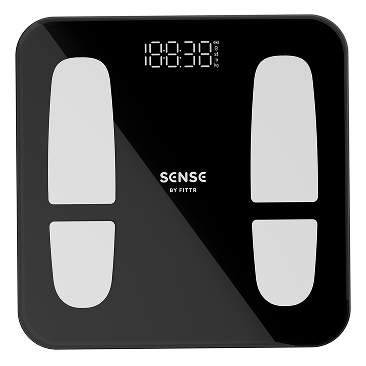
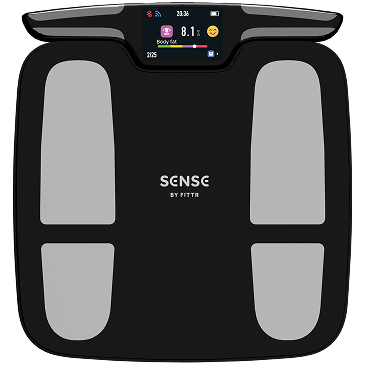



Most people track health through weight and BMI. These are useful rough indicators, but they have a significant limitation: they cannot distinguish fat from muscle. Two people can have the same BMI – one with 15% body fat and 40 kg of lean muscle, the other with 35% body fat and much less. They carry very different health risks, but a standard scale cannot tell them apart.
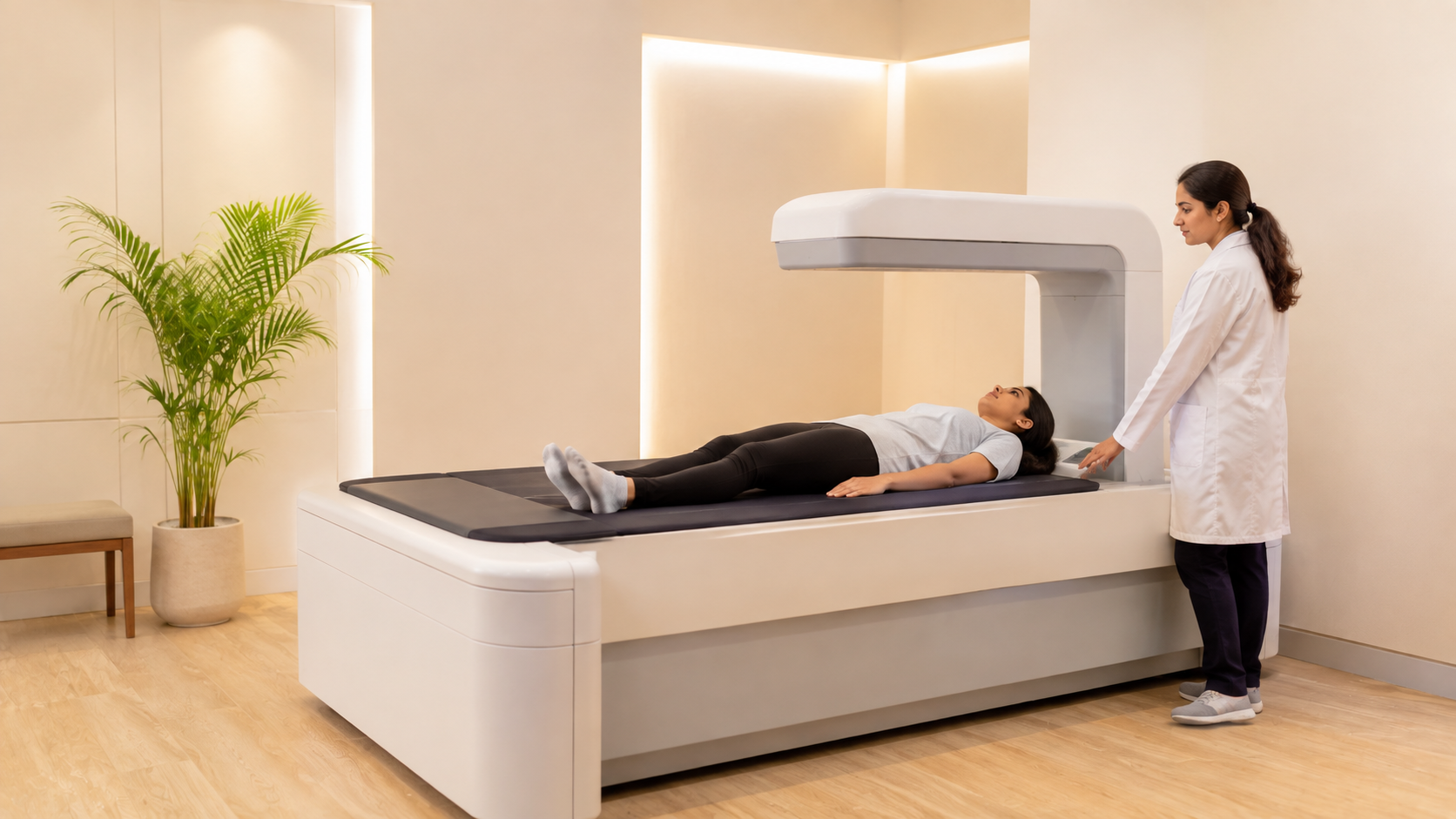
A DEXA scan can. DEXA – Dual-Energy X-ray Absorptiometry – is the most accurate non-invasive method for measuring body composition available in clinical practice. A 2025 study in the British Journal of Radiology confirmed DEXA body composition measurements are equivalent in accuracy to CT scanning, which is the research gold standard, at a fraction of the radiation dose.
What Does a DEXA Scan Measure?
1. Body Fat Percentage
Reference ranges: Healthy body fat: 6–25% for men | 20–35% for women. Above these ranges is associated with increased metabolic risk.
Total fat as a proportion of body weight, broken down by region – arms, legs, trunk – and android (abdominal) vs gynoid (hip/thigh) distribution. Regional fat distribution matters more than total fat percentage for metabolic risk.
2. Lean Muscle Mass
Total muscle tissue weight per limb and in the trunk. Skeletal Muscle Index (lean mass divided by height squared) screens for sarcopenia – age-related muscle loss that increases fall risk and reduces metabolism.
3. Visceral Fat (VAT)
Clinical threshold: VAT area above 100 cm² on DEXA = significantly elevated cardiovascular and metabolic risk. Research in the journal Circulation identified visceral fat as an independent predictor of CVD, type 2 diabetes, and metabolic syndrome – even when total body fat is within the normal range.
Visceral fat wraps around internal organs – liver, pancreas, intestines – rather than sitting under the skin. It is metabolically active and produces inflammatory compounds that drive insulin resistance, cardiovascular disease, and fatty liver.
4. Bone Mineral Density (BMD)
T-SCORE (WHO criteria): Above −1.0 = Normal bone density | −1.0 to −2.5 = Osteopenia (low bone density) | Below −2.5 = Osteoporosis.
DEXA was originally developed for bone density measurement and remains the clinical gold standard for diagnosing osteoporosis. This is especially relevant for women approaching or in menopause, when bone density loss accelerates.
Why BMI Fails Where DEXA Succeeds
- BMI cannot distinguish muscle from fat – a fit athlete and an obese person can share the same BMI
- BMI does not reveal where fat is distributed – abdominal fat carries different risks from hip fat
- BMI has no relationship to bone density
- BMI cannot detect sarcopenia (muscle loss at a normal weight)
DEXA resolves all four limitations in a single 15 to 20-minute scan.
Who Should Get a DEXA Scan?
- Fitness enthusiasts tracking fat loss or muscle gain – the scale cannot show body recomposition
- Adults above 40 screening for osteopenia or osteoporosis
- People with diabetes – visceral fat directly influences insulin resistance
- Anyone who has gained or lost significant weight
- Women approaching or in menopause
- Athletes and personal trainers needing objective body composition data
Frequently Asked Questions
Q1. What is a DEXA scan and what does it measure?
A DEXA scan (Dual-Energy X-ray Absorptiometry) is a non-invasive scan that measures body composition using two low-dose X-ray beams. It measures body fat percentage, lean muscle mass, visceral fat (fat around internal organs), and bone mineral density. A 2025 study in the British Journal of Radiology confirmed DEXA produces body composition measurements equivalent in accuracy to CT scanning.
Q2. How is a DEXA scan different from BMI?
BMI (Body Mass Index) is a simple weight-to-height ratio that cannot distinguish between fat and muscle, does not reveal where fat is stored, and has no relationship to bone density. A DEXA scan measures all of these separately, providing far more clinically meaningful data. For example, a fit person and an obese person can have the same BMI but very different DEXA results.
Q3. What is a normal body fat percentage on a DEXA scan?
Standard reference ranges for body fat percentage measured by DEXA are: Men: 6–25% is healthy | Women: 20–35% is healthy. Above these ranges is associated with increased metabolic and cardiovascular risk. The scan also reports visceral adipose tissue (VAT) area – above 100 cm² on DEXA is considered a high-risk threshold for cardiovascular disease.
Q4. What do DEXA scan bone density results mean?
Bone density is reported as a T-score comparing your bone density to a healthy young adult baseline. A T-score above −1.0 is normal. A T-score between −1.0 and −2.5 indicates osteopenia (low bone density). A T-score below −2.5 indicates osteoporosis. These are the WHO diagnostic criteria.
Q5. How often should I get a DEXA scan?
For people actively managing body composition through diet and exercise, a scan every 3 to 6 months provides meaningful tracking data. For general preventive health monitoring, an annual scan is sufficient. Bone density monitoring frequency is determined by your doctor based on your initial result, age, and risk factors.
Q6. Is a DEXA scan available in Kharadi Pune?
Yes. FITTR Labs provides DEXA body composition scanning at its diagnostic centre in Kharadi, Pune, covering Kharadi, Viman Nagar, Kalyani Nagar, Koregaon Park, Magarpatta, and nearby areas. The scan includes a detailed breakdown of fat mass, lean muscle mass, visceral fat, and bone density with expert consultation. Call +91 7804000800 to book an appointment.