The Honest Answer Up Front
No single food, including oats, reduces fat from one specific body area like your belly. Spot reduction – losing fat from a targeted location by eating or exercising a certain way – is simply not how human fat loss physiology actually works in practice. What oats can genuinely do is support the overall calorie deficit that reduces total body fat, belly fat included.
This guide explains what the research on oats and belly fat actually shows, why the “targeted fat loss” framing is misleading, and how oats fits into a realistic, evidence-based approach to reducing abdominal fat specifically over time.
Understanding this distinction upfront prevents the common frustration of expecting oats alone to visibly change one specific area, and instead sets you up to use oats as part of a genuinely effective broader strategy.
Why Spot Reduction Isn’t How Fat Loss Works
When your body is in a calorie deficit, it draws on fat stores across your entire body, not just the area nearest wherever you focus your diet or exercise. Genetics, hormones and individual fat storage patterns determine which areas lose fat first and last, not any single food choice.
Why Belly Fat Often Changes Last
For many people, abdominal fat is among the more stubborn areas to see visible change, often reducing only after fat has already dropped elsewhere. This is a normal physiological pattern, not a sign that your approach – including eating oats – is not working.
Understanding this in advance can meaningfully reduce frustration during a fat-loss phase, since knowing the pattern is normal helps you stay consistent rather than abandoning a genuinely working plan out of impatience.
Do Oats Reduce Belly Fat Specifically? What Studies Actually Show
Some research has associated higher whole-grain and fiber intake, including oats, with lower visceral fat – the fat stored around internal organs that is more strongly linked to metabolic health risk than fat elsewhere. This is a genuine, meaningful association worth understanding correctly.
Association vs Direct Cause
These studies generally show association, not proof that oats alone directly targets belly fat. People who eat more fiber-rich whole grains also tend to have other healthier habits, and the fiber itself primarily works by supporting overall calorie control and gut health rather than acting as a fat-burning agent for any specific body region.
How Oats Can Genuinely Help With Belly Fat
Even without any spot-reduction effect, oats support belly fat loss indirectly through several genuine, well-supported mechanisms.
Fiber, Satiety and Calorie Control
The beta-glucan fiber in oats slows digestion and increases fullness, making it easier to maintain a calorie deficit – the actual driver of total body fat loss, abdominal fat included. Fittr’s guide to dietary fiber explains this mechanism in more depth.
Blood Sugar Stability and Visceral Fat
Oats have a gentler glycemic impact than many refined carbohydrates, and more stable blood sugar over time is associated with better management of visceral fat specifically, since chronically elevated insulin is linked to increased abdominal fat storage in some research.
Why Blood Sugar Matters for This Specific Fat Type
Fittr’s explainer on glycemic index and load covers why oats’ slower glucose release may be particularly relevant here, though this remains one contributing factor among several rather than a standalone solution.
It is worth being clear that this relationship, like the fiber-visceral fat association mentioned earlier, is supportive rather than a guarantee – genetics, overall diet quality and activity levels all interact with blood sugar patterns in ways that vary meaningfully between individuals.
What Actually Reduces Belly Fat
Since spot reduction is not possible, reducing belly fat specifically requires the same fundamentals that reduce total body fat, applied consistently over weeks and months.
The Real Drivers of Fat Loss
A sustained calorie deficit, adequate protein to preserve muscle, regular resistance and cardiovascular exercise, and good sleep are the genuine drivers of total fat loss, which eventually includes the abdominal area for most people as the deficit continues.
None of these individual factors works in isolation – it is the combination, sustained consistently, that produces meaningful change over time.
Adding Oats to a Belly-Fat-Focused Routine
Given all of this, oats earns a reasonable place in a routine aimed at reducing belly fat – not as a magic solution, but as a genuinely useful tool supporting the calorie control that actually drives the result.
A Practical Way to Use Oats Here
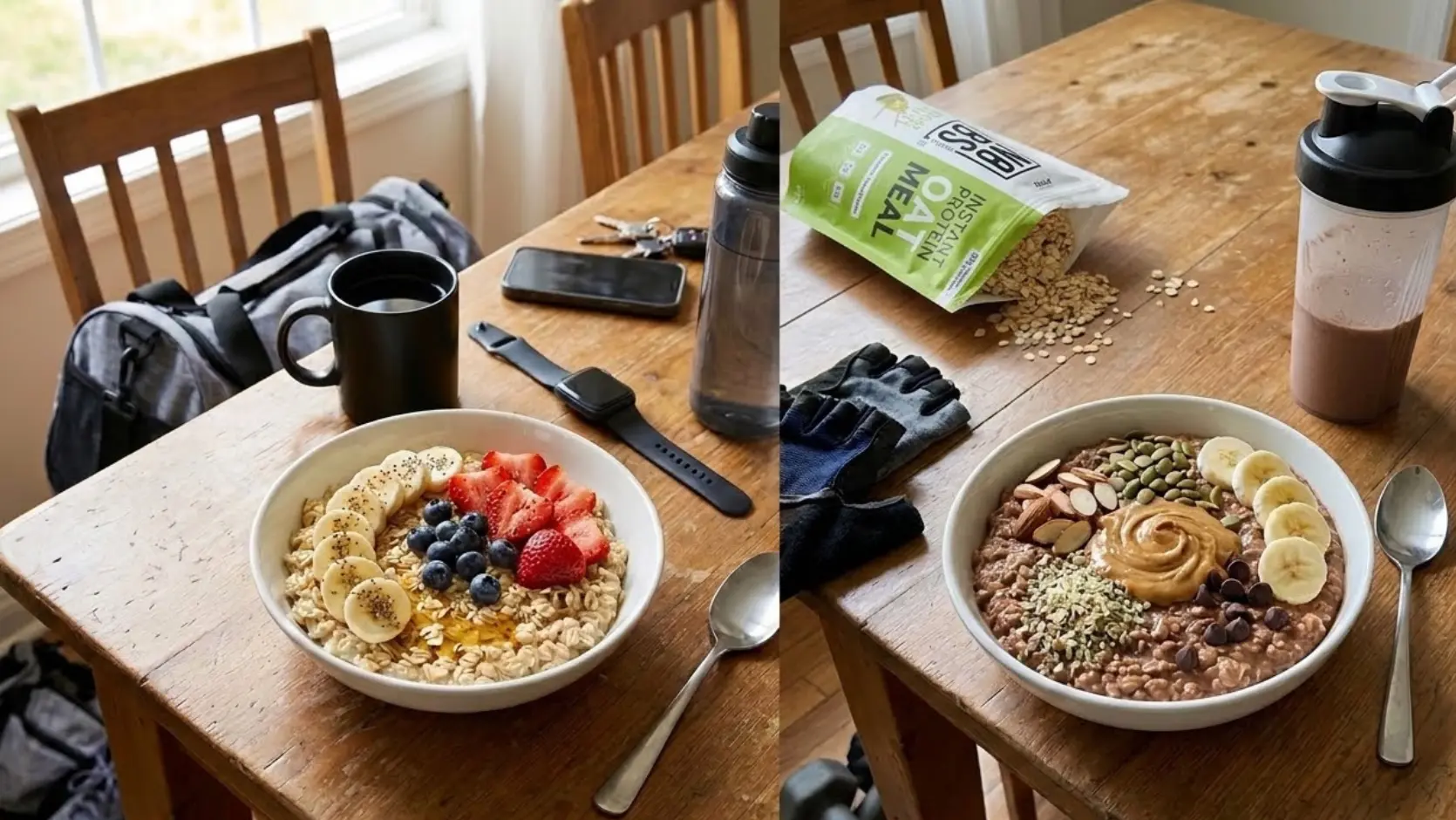
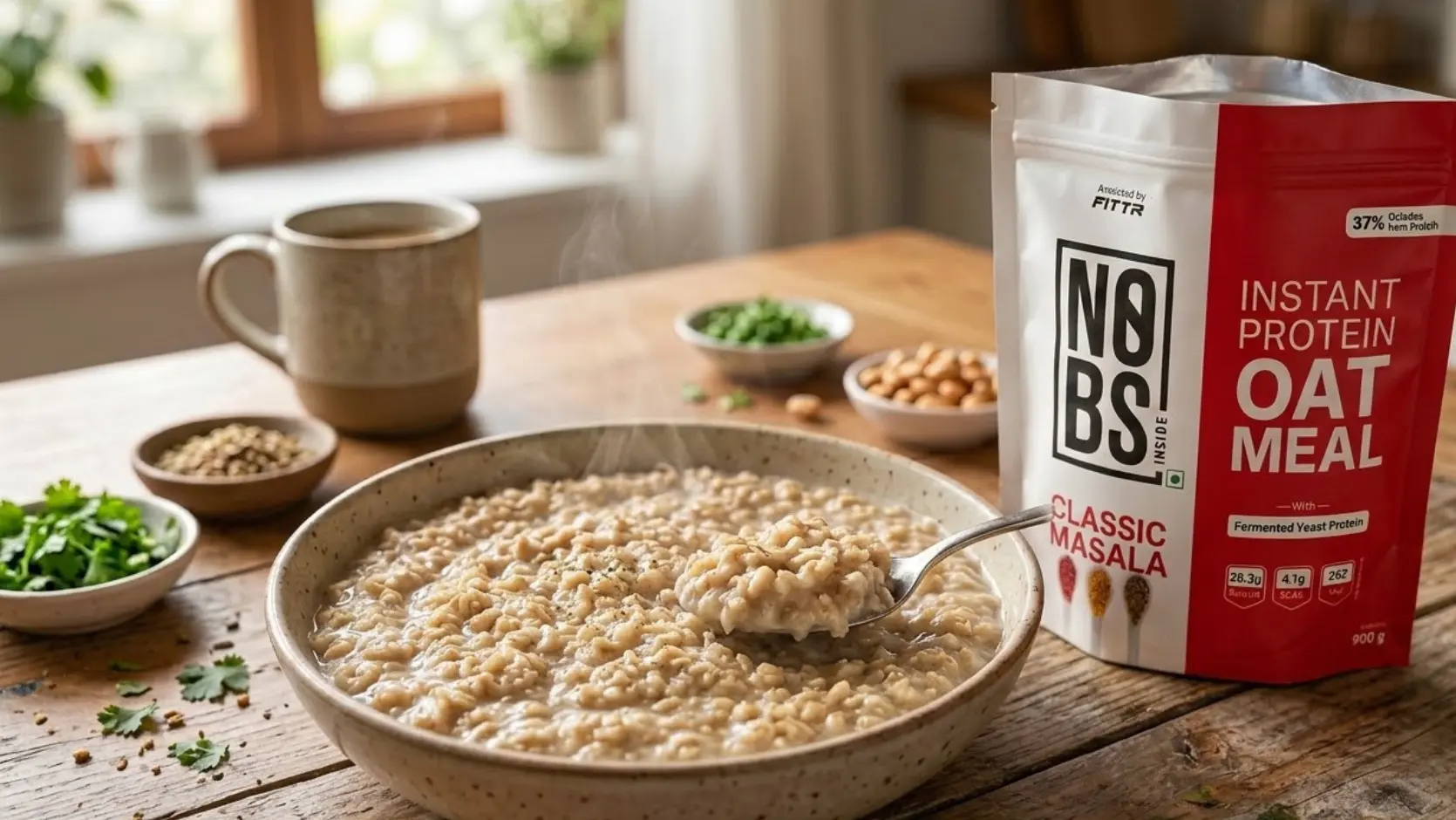
A protein-paired bowl of oats at breakfast, prepared without excessive added sugar, supports the fullness and blood-sugar stability that make sticking to your overall calorie target considerably easier across the rest of the day.
This does not mean oats is the only useful food for this goal – it is simply one reliable, well-evidenced tool among several that together make a calorie deficit easier to sustain consistently over the weeks it takes to see real change.
Exercise Alongside Oats for Belly Fat Specifically
While diet drives the calorie deficit that reduces total body fat, exercise – particularly resistance training – plays a genuine, complementary role in how your body composition changes as that fat loss happens.
Why Resistance Training Matters Here Too
Preserving and building muscle through resistance training, alongside a fiber-supported calorie deficit that includes oats, helps ensure that as total fat drops – including eventually around the belly – your body composition improves rather than simply shrinking uniformly. Fittr’s guide to resistance training and fat loss covers this relationship in more depth.
How Long Does It Take to See Belly Fat Change?
Because abdominal fat often changes later than fat in other areas, visible results can take longer to appear than you might expect, even while your overall body composition is genuinely improving.
Setting Realistic Expectations
Tracking overall weight and, ideally, body composition rather than focusing solely on how your midsection looks week to week gives a more accurate, less discouraging picture of whether your approach – oats included – is actually working.
Common Myths About Oats and Belly Fat
- No specific food, including oats, burns fat from one targeted body area; spot reduction is not physiologically possible.
- Oats do not need to be eaten in large quantities to be useful; a sensible daily portion within your calorie target is sufficient.
- Belly fat is not permanently resistant to loss; it often simply changes later than fat in other areas during a sustained deficit.
- Oats’ benefit for belly fat is indirect, working through satiety and blood sugar stability, not any direct fat-targeting mechanism.
- Cutting out oats entirely will not accelerate belly fat loss; total calorie balance is what matters most.
The Bottom Line
Oats do not reduce belly fat directly or through any targeted mechanism – no food does. What oats genuinely offer is fiber-driven fullness and gentler blood sugar impact that make maintaining the overall calorie deficit responsible for total fat loss, abdominal fat included, meaningfully easier.
Combine consistent oats-based meals with resistance training, adequate protein and patience, and belly fat reduction follows as part of your broader progress rather than from oats alone. For more on the underlying science, see Fittr’s guide to oats for weight loss.
Track your overall trend rather than judging progress by your midsection alone, and give the process the weeks or months it genuinely needs to show through.
If you have specific concerns about excess abdominal fat and related health risks, discussing this with a doctor alongside your general fat-loss approach is a reasonable, sensible step beyond diet and exercise alone.
Frequently Asked Questions
Can oats reduce belly fat?
Not directly – no food targets fat in one specific area. Oats support the overall calorie deficit that reduces total body fat, which eventually includes belly fat for most people.
Do oats reduce belly fat faster than other foods?
No single food speeds up fat loss in one area; oats simply support fullness and blood sugar stability that make an overall deficit easier to maintain.
How can I lose belly fat with oatmeal?
Use oatmeal as part of a consistent, calorie-controlled breakfast paired with protein, alongside resistance training and an overall calorie deficit.
Why does belly fat take longer to reduce than other areas?
Genetics and hormones influence where fat is lost first, and abdominal fat commonly changes later in the process for many people during sustained fat loss.
Is it true that oats reduce fat overall, not just belly fat?
Oats support total body fat loss indirectly through satiety and calorie control, rather than reducing fat in any one specific location.
Healthy Choices Beat Health Myths
Can oats reduce belly fat, do oats reduce belly fat, or oats reduce fat generally – the honest answer across every version of this question is the same: not directly, but they genuinely support the deficit that reduces total body fat over time.
Be patient with abdominal fat specifically, since it often changes later than other areas, and let consistency with oats, training and overall calorie balance do the real work.